
When you turn your car key on a cold winter morning, the last thing you want is silence. The battery is the heart of your vehicle’s starting system, and one critical number tells you how well it will perform in the cold: Cold Cranking Amps (CCA). Many drivers see this figure on a battery label but do not fully understand what it means or why it matters. Getting the right CCA for your car is essential for reliable starts, battery life, and even your safety. Let’s break down what CCA is, how it works, why it’s so important, and how to choose the right battery for your needs.
What Is Cca In Car Batteries?
Cold Cranking Amps (CCA) is a standard measurement used in the automotive world. It tells you how much electrical current (in amps) a battery can deliver at 0°F (-18°C) for 30 seconds while maintaining a voltage of at least 7.2 volts for a 12-volt battery. In simple terms, CCA measures how well your battery can start your car’s engine in cold weather.
Why is this important? Car engines need more power to start when it’s cold. Oil thickens, and engine parts move less freely. If your battery can’t deliver enough power, the engine may not start at all. That’s why CCA is a key number for anyone living in cooler climates.
How Cca Is Measured
To measure CCA, battery manufacturers test batteries in a controlled lab setting. The battery is cooled to 0°F (-18°C), and then a load is applied. The test checks if the battery can supply the rated amps for 30 seconds without the voltage dropping too low. Only batteries that pass this test can claim a specific CCA rating.
This industry-standard test ensures that batteries are compared in a fair way. However, it’s important to note that real-world conditions can still vary. Your car may start differently based on age, engine size, and battery health.
Why Cca Matters For Your Car
Reliable Starting In Cold Weather
The main reason to care about CCA is simple: engine starting reliability. In freezing temperatures, your car’s starter motor demands more current from the battery. If the battery’s CCA is too low, the engine cranks slowly or not at all.
Battery Longevity
A battery with a CCA rating too close to the minimum your car needs may be overworked, especially in winter. This can shorten its lifespan. On the other hand, a battery with much higher CCA than required does not necessarily last longer, but it can offer a buffer against harsh conditions or older engines.
Engine Type And Size
Larger engines (like V8s or diesel engines) require more power to start than smaller four-cylinder engines. Diesel engines, in particular, need higher CCA ratings due to higher compression. Always match your battery’s CCA to your vehicle’s requirements.
Climate Considerations
If you live in a warm climate, CCA is less critical. But for anyone in regions where winter temperatures drop below freezing, choosing the right CCA can mean the difference between a quick start and being stranded.
How To Find The Right Cca For Your Vehicle
Check The Owner’s Manual
Your car’s manufacturer will list a recommended CCA range for the battery. This is the best starting point. Do not choose a battery with a CCA rating lower than the minimum recommended.
Consider Your Climate
- Cold climates: Choose a battery at the higher end of the CCA range.
- Mild or warm climates: The minimum recommended CCA is usually fine.
Don’t Overdo It
More is not always better. A much higher CCA battery is not harmful, but it may cost more. Unless you have special needs (like frequent cold starts or extra accessories), stick close to the manufacturer’s recommendation.
Battery Group Size
The group size of a battery refers to its physical dimensions and terminal placement. Make sure the battery you choose fits your car and has the right CCA.
Cca Vs Other Battery Ratings
Car batteries have several numbers on them. Here’s how CCA compares to other common ratings:
| Term | What It Means | When It Matters |
|---|---|---|
| CCA (Cold Cranking Amps) | Amps delivered at 0°F for 30 seconds | Starting in cold weather |
| CA (Cranking Amps) | Amps delivered at 32°F | Starting in milder weather |
| RC (Reserve Capacity) | Minutes battery can power basic loads if alternator fails | Running accessories, emergency use |
| AH (Amp-Hours) | Total amps delivered over 20 hours | Deep-cycle and marine batteries |
Non-obvious insight: Some batteries list CA instead of CCA. CA numbers will always look higher but are less meaningful for cold starts. Always compare CCA for cold weather performance.
Signs Your Battery’s Cca Is Too Low
If your battery’s CCA is not meeting your car’s needs, you may notice:
- Slow engine cranking (especially in the morning)
- Dim headlights when starting
- Clicking sounds but no engine turnover
- Frequent jump-starts needed
- Dashboard battery warning light (in some cars)
These can be signs of other problems too, but low CCA is a common cause in winter.
Typical Cca Requirements By Vehicle Type
Different cars need different CCA ratings. Here are some general guidelines:
| Vehicle Type | Typical Engine Size | Recommended CCA Range |
|---|---|---|
| Small cars (sedan, hatchback) | 1.0–2.0 L | 300–450 |
| Mid-size cars & SUVs | 2.0–3.5 L | 400–600 |
| Large SUVs & trucks | 3.5–5.0 L | 600–800 |
| Diesel vehicles | All sizes | 700–1,000+ |
Always check your owner’s manual for the exact recommended value for your vehicle.
How Cca Affects Battery Life
Many people believe a higher CCA battery will always last longer, but this is not always the case. The chemistry of a battery designed for very high CCA may sacrifice some reserve capacity or lifespan. If you use a battery with much higher CCA than needed, you do not harm your car, but you may pay extra for performance you never use.
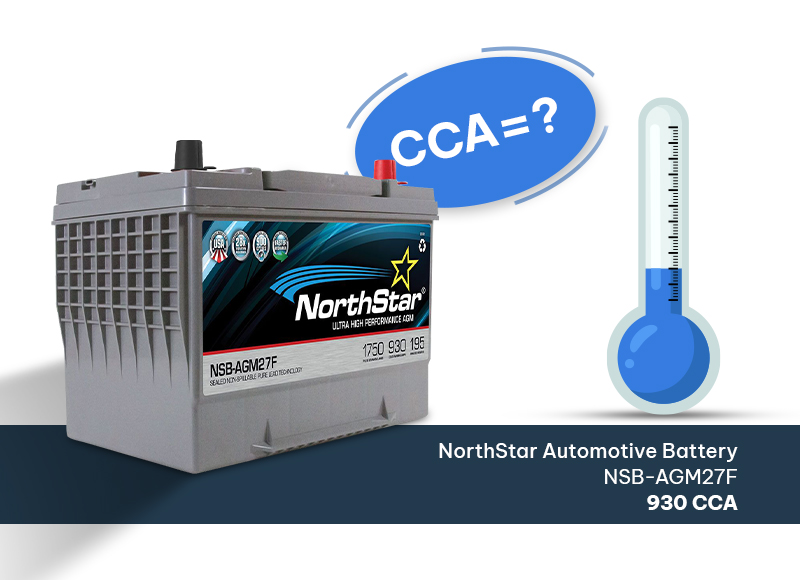
Another insight: Batteries lose CCA as they age. A battery that started with 600 CCA may only deliver 300 CCA after several years, especially if it is exposed to heat or deep discharges. That’s why older batteries often fail first in winter.
Credit: www.impactbattery.com
How To Test Your Battery’s Cca
If you suspect your battery is weak, you can have its CCA tested at most auto parts stores or service centers. They use a digital tester that measures the actual cold cranking amps your battery can deliver. This is more accurate than a simple voltage check.
Regular testing, especially before winter, can help you avoid unexpected failures.
Cca And Battery Maintenance
Good battery maintenance helps preserve CCA and overall battery health:
- Keep terminals clean: Corrosion can block current flow.
- Secure the battery: Vibration can damage internal parts.
- Check electrolyte level (for non-sealed batteries): Low levels can reduce capacity.
- Avoid deep discharges: Letting your battery run flat shortens its life and lowers CCA.
- Store batteries properly: In cold climates, storing batteries in a garage can help.
Choosing The Right Battery Brand
Not all batteries are created equal. Some brands offer better warranties, higher quality, and more reliable CCA performance. Look for brands with good reviews and proven records. Also, be careful of very cheap batteries that may not deliver the CCA they claim.
For more in-depth technical standards, you can refer to the Battery Council International’s official guidelines at Battery Council International.
Cca In Hybrid And Electric Vehicles
Hybrid and electric vehicles use different types of batteries, mainly for propulsion. However, most hybrids still have a small 12-volt battery for starting systems and accessories. CCA is still important for these small batteries, especially in cold climates, but the main battery pack does not use CCA as a main measurement.

Credit: www.marshallbatteries.com.au
Common Myths About Cca
- Myth: Higher CCA always means better performance.
- Truth: Only choose what your car needs; extra CCA does not make your starter or engine more powerful.
- Myth: You can use any battery that fits.
- Truth: Always match CCA and group size to your car’s needs.
- Myth: A new battery always delivers its rated CCA.
- Truth: Poor storage or old stock can mean a new battery is already weak.
Frequently Asked Questions
Credit: growenergy.com.au
What Happens If I Use A Battery With Lower Cca Than Recommended?
Your car may start slowly, or not at all, especially in cold weather. Over time, the battery can wear out faster because it is working beyond its limits. Always use at least the minimum CCA recommended by your car’s manufacturer.
Can A Battery With Higher Cca Damage My Car?
No, a higher CCA battery will not harm your car’s electrical system. It just means the battery can deliver more current if needed. However, you may pay more for this extra capacity, which you might never use.
Is Cca Important In Warm Climates?
CCA is less important in hot climates because batteries deliver more current when warm and engines start more easily. In very hot areas, focus more on battery construction and resistance to heat.
How Long Does A Car Battery Keep Its Cca Rating?
Batteries lose CCA over time, especially with heat, deep discharges, or vibration. A typical battery loses about 10–20% of its original CCA each year. Regular testing helps you know when it’s time to replace your battery.
How Can I Check My Battery’s Cca At Home?
You cannot accurately measure CCA at home without a special tester. Many auto parts stores offer free CCA tests, or you can buy a digital battery tester designed for this purpose.
Choosing the right CCA for your car battery is not just about numbers. It’s about understanding your car, your climate, and your driving habits. Armed with this knowledge, you can ensure reliable starts, avoid costly mistakes, and drive with confidence—no matter how cold it gets outside.