
When you see the check engine light on your Chevy Silverado dashboard, it can feel worrying. Is it a minor issue, or something serious that needs attention right away? Many Silverado owners have faced this situation, and the right response can save time, money, and stress. In this article, you’ll learn exactly what the check engine light means for your Chevy Silverado, common reasons it turns on, how to troubleshoot the problem, and what steps to take next. Whether you have an older Silverado or a brand-new model, understanding this dashboard signal is key to keeping your truck running smoothly and safely.
What Does The Check Engine Light Mean?
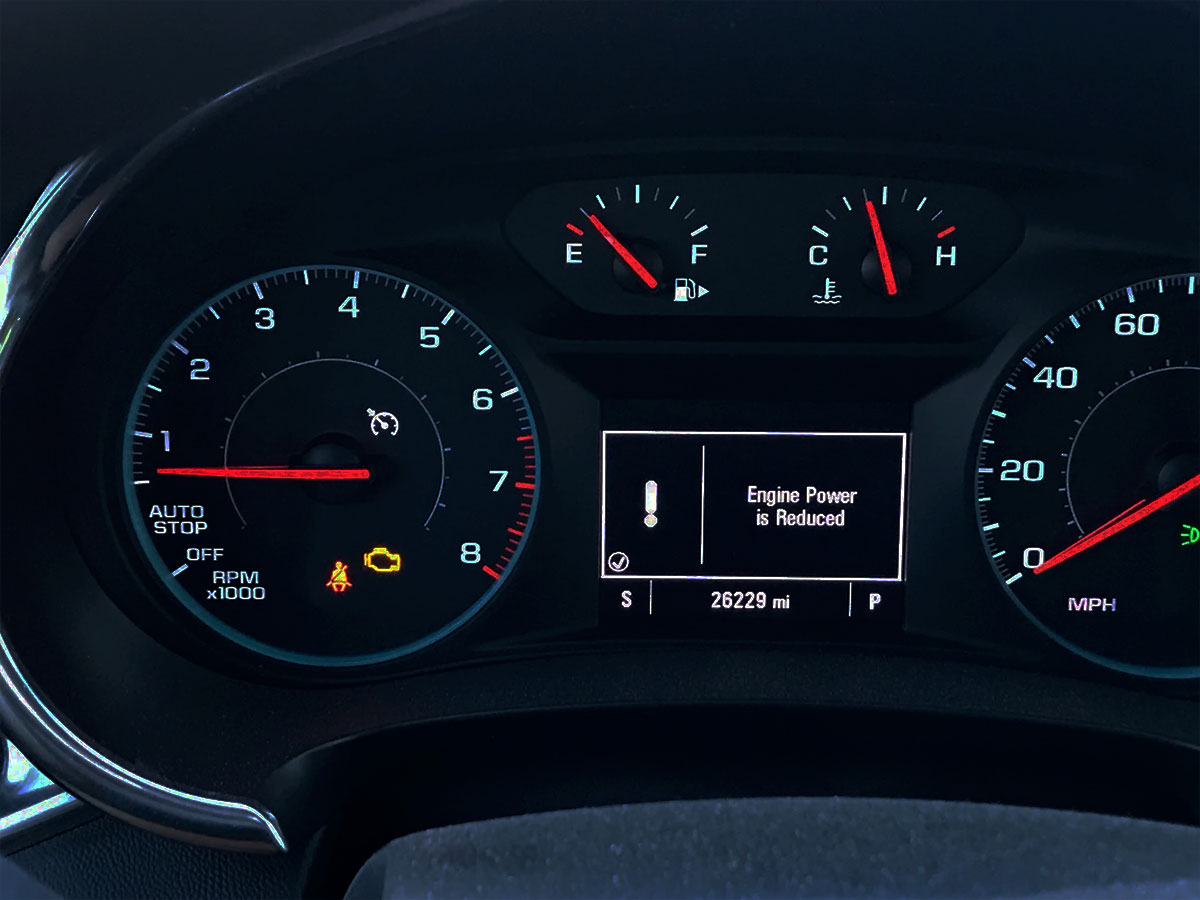
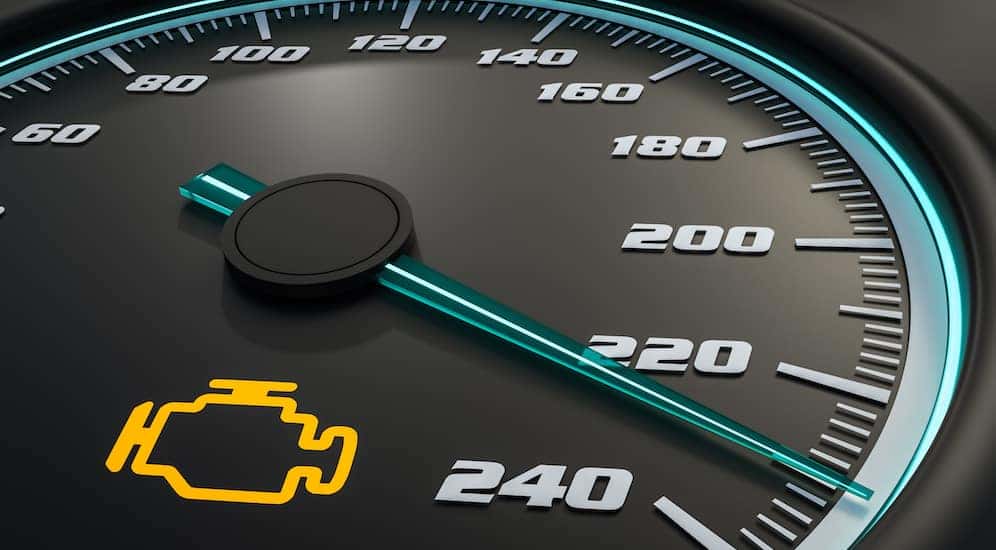
The check engine light (also known as the Malfunction Indicator Lamp, or MIL) is part of your Silverado’s onboard diagnostics system. When the truck’s computer detects a problem with the engine, emissions system, or other critical components, it turns on this warning light.
There are two main types of check engine warnings:
- Steady light: This often means a less urgent problem, like a loose gas cap or a faulty sensor.
- Flashing light: This signals a more serious issue, such as a misfire that could damage the catalytic converter. If the light is flashing, it’s best to stop driving and seek help immediately.
Ignoring the check engine light can lead to bigger problems and higher repair costs. Some issues can even reduce fuel efficiency or cause your truck to fail emissions tests.
Common Reasons The Check Engine Light Comes On
Many issues can trigger the check engine light in a Chevy Silverado. Here are the most frequent causes:
- Loose or Faulty Gas Cap: The gas cap keeps your fuel system sealed and pressurized. If it’s loose, cracked, or missing, vapors can escape, triggering the light.
- Oxygen Sensor Failure: The O2 sensor monitors exhaust gases. When it fails, the engine may run less efficiently, using more fuel and polluting more.
- Catalytic Converter Problems: The catalytic converter reduces harmful emissions. If it’s clogged or failing, you may notice decreased performance and higher emissions.
- Mass Airflow Sensor Issues: This sensor measures air entering the engine. A problem here can cause rough idling, stalling, or poor acceleration.
- Spark Plug or Ignition Coil Failure: Worn spark plugs or coils can cause misfires, leading to a flashing check engine light.
- Faulty EGR Valve: The Exhaust Gas Recirculation (EGR) valve helps control emissions. If stuck or faulty, it can trigger the warning light.
- Vacuum Leaks: Cracks or leaks in vacuum hoses can upset the air-fuel mixture, causing the light to come on.
- Faulty Thermostat: An engine that runs too hot or cold can set off the warning.
- Sensor or Wiring Issues: Modern trucks have many sensors. A damaged wire or connector may be all it takes to trigger the light.
A Silverado can develop other problems, but these are the ones mechanics see most often. For example, on 2014–2023 models, a common cause is a failing evaporative emissions system (EVAP) component.

Credit: www.carrchevrolet.com
How To Diagnose The Check Engine Light
You don’t need to guess what’s wrong with your Silverado. The check engine light leaves a digital “code” in your truck’s computer. Here’s how you or your mechanic can find the cause:
Using An Obd-ii Scanner
Every Silverado since 1996 has an OBD-II port under the dashboard. You can buy a basic scanner for $20–$50, or visit a parts store where staff may scan your truck for free.
- Plug the scanner into the OBD-II port.
- Turn the ignition to “On” (you don’t have to start the engine).
- Read the codes on the scanner. Each code (like P0420 or P0300) points to a specific system or problem.
Example:
- P0171 means the engine is running too “lean” (not enough fuel or too much air).
- P0302 means a misfire on cylinder 2.
Checking For Obvious Issues
Before using a scanner, check these basics:
- Is your gas cap tight and in good shape?
- Are there obvious signs of trouble (rough running, smoke, strange noises)?
- Do you smell gasoline or see leaks under the truck?
If you find a simple cause (like a loose gas cap), tighten it and drive for a few days. The light may turn off automatically.
How To Fix The Check Engine Light
Once you have the code and a general idea of the problem, you can decide what to do next. Some fixes are simple, while others require a mechanic. Here’s how to handle the most common issues:
1. Loose Or Damaged Gas Cap
- Remove and re-tighten the cap until you hear clicks.
- If the cap is cracked or won’t seal, replace it (about $15–$30).
- Drive for a few trips; the light should go off if this was the problem.
2. Faulty Oxygen Sensor
- O2 sensors wear out over time (usually after 60,000–100,000 miles).
- A mechanic can replace it in less than an hour.
- This repair typically costs $100–$300.
3. Catalytic Converter Failure
- This is a bigger job and can cost $800–$2,000+.
- Don’t ignore a flashing light, as driving with a failing converter can cause more damage.
4. Spark Plugs And Ignition Coils
- Spark plugs last 30,000–100,000 miles, depending on the type.
- Replacing plugs and coils is a common DIY repair, but for newer trucks, coils can be expensive.
5. Evap System Issues
- Small leaks or faulty valves are common.
- A “smoke test” helps find leaks.
- Most repairs cost $100–$400.
Tip: Always clear the code after making a repair, then drive to see if it returns.
When To Keep Driving (and When To Stop)
It’s important to know when it’s safe to keep driving and when you should stop and get help.
| Situation | Action |
|---|---|
| Steady check engine light, no changes in performance | Safe to drive short distances, but diagnose soon |
| Flashing check engine light | Stop driving, call for assistance |
| Loss of power, smoke, or strange noises | Stop immediately, have the truck towed |
| After tightening/replacing gas cap | Drive for several trips; if light stays on, get diagnosis |
If you’re not sure, it’s always safer to consult a trusted mechanic.
Silverado Model Years And Check Engine Light Trends
Some years of the Chevy Silverado are more likely to show check engine light problems. Here’s a quick comparison of common issues by year:
| Model Year | Frequent Cause | Repair Cost Estimate |
|---|---|---|
| 2007–2013 | O2 sensor, catalytic converter | $150–$2,000 |
| 2014–2018 | EVAP system, spark plugs | $100–$600 |
| 2019–2023 | Sensor wiring, advanced emissions | $150–$700 |
Non-obvious insight: Sometimes, a software update from the dealer can solve certain check engine light issues, especially on newer models.
Credit: www.vivachevy.com
How To Prevent The Check Engine Light In Your Silverado
You can’t prevent every problem, but there are smart habits that lower the risk:
- Follow maintenance schedules: Change oil, spark plugs, and filters as recommended.
- Use quality fuel: Low-grade or contaminated gas can cause sensor and emissions problems.
- Tighten the gas cap: Make it a habit every time you refuel.
- Fix minor issues early: Address rough running, poor mileage, or other small problems before they grow.
- Inspect hoses and wires: Check for cracks, leaks, or rodent damage, especially if you park outside.
- Update software: Ask your dealer about available updates during service visits.
Pro tip: If your Silverado sits unused for long periods, start it every few weeks. Short drives help keep sensors and the battery in good condition.
Myths About The Check Engine Light
There’s a lot of bad advice about the check engine light. Let’s clear up some common myths:
- Myth 1: “It’s just an emissions thing. I can ignore it.”
Sometimes true, but often a sign of a bigger problem.
- Myth 2: “If I disconnect the battery, the light will stay off.”
It may reset temporarily, but the light will return if the problem isn’t fixed.
- Myth 3: “A cheap code reader tells me exactly what’s wrong.”
It tells you where to look, but codes often need expert interpretation.
- Myth 4: “As long as the truck runs fine, the light doesn’t matter.”
Some problems won’t cause obvious symptoms at first, but can lead to expensive repairs.
Credit: www.emichchevrolet.com
When To Visit The Dealer Vs. Independent Mechanic
Should you go to a Chevy dealership or your local shop? Here’s a quick comparison:
| Repair Option | Pros | Cons |
|---|---|---|
| Chevy Dealer | Factory-trained, access to latest software, recalls handled | Often more expensive, longer wait times |
| Independent Shop | Lower cost, faster service, can handle most repairs | May lack latest diagnostic tools for new models |
For complex or warranty repairs, the dealer is usually best. For out-of-warranty or routine problems, a good independent mechanic is often a better value.
What Not To Do When The Check Engine Light Comes On
Even experienced truck owners make mistakes. Here are two things to avoid:
- Don’t ignore a flashing light: This almost always means a serious problem.
- Don’t keep clearing the code without fixing the cause: Repeatedly resetting the warning can mask bigger issues and may even cause the truck to fail emissions tests.
Non-obvious insight: In some states, a persistent check engine light means your Silverado will not pass inspection, which can lead to fines or registration problems.
Frequently Asked Questions
What Does A Solid Check Engine Light Mean On A Chevy Silverado?
A solid (steady) check engine light usually means a less urgent problem. Examples include a loose gas cap, a failing sensor, or a minor emissions issue. You should diagnose and fix the problem soon, but it’s generally safe to drive for a short time if there are no other symptoms.
Can I Drive My Silverado With The Check Engine Light On?
If the light is steady and your truck runs normally, it’s usually safe for short drives. However, if the light is flashing or you notice rough running, loss of power, or strange noises, stop driving and get help right away.
How Much Does It Cost To Fix The Check Engine Light On A Silverado?
Repair costs vary widely. A gas cap might be $20, while a catalytic converter could be over $2,000. Most common repairs fall between $100 and $500. Getting a diagnosis first helps avoid unnecessary spending.
Will The Check Engine Light Reset Itself?
If you fix the underlying problem (like tightening the gas cap), the light may turn off after several drive cycles. In some cases, you’ll need to clear the code with a scanner. If the problem isn’t fixed, the light will return.
Where Can I Get More Information About Obd-ii Codes?
You can find detailed explanations of OBD-II codes and what they mean for your Chevy Silverado at official resources like the Wikipedia OBD-II page.
Your Chevy Silverado’s check engine light is there to protect you and your truck. Learning what it means, how to diagnose it, and what steps to take will help you keep your Silverado reliable for years to come. Responding quickly and wisely can prevent bigger problems and give you peace of mind on the road.