
If you drive a Subaru, you might have seen the check engine light turn on at some point. This little orange or yellow icon on your dashboard can cause stress for many drivers, especially if you don’t know what it means. But the check engine light is not just a warning—it’s a clue. It tells you something is wrong with your vehicle’s system, and most of the time, the car’s computer will store a specific code. These are called Subaru diagnostic trouble codes (DTCs). Understanding these codes is the key to fixing the problem quickly and avoiding costly repairs.
In this article, you’ll learn what Subaru check engine light codes mean, how to read them, and what to do when you see the light. We’ll cover common codes, tools to use, and even mistakes to avoid. If you want to keep your Subaru running smoothly and save money at the mechanic, this guide will help you feel more confident the next time that light pops up.
What Is The Check Engine Light?
The check engine light, also known as the malfunction indicator lamp (MIL), is a warning sign from your Subaru’s onboard computer, called the Engine Control Module (ECM). When the ECM detects a problem, it turns on the light and stores a code. This code can tell you what system is having trouble—like the engine, emissions, or transmission.
You might notice the light comes on for many reasons:
- A loose gas cap
- Faulty oxygen sensors
- Engine misfires
- Issues with the catalytic converter
The light can be steady or blinking. If it’s blinking, your car may have a serious problem and needs attention right away.
Understanding Subaru Diagnostic Trouble Codes
Every time the check engine light comes on, the ECM saves a code. These codes are called OBD-II codes (On-Board Diagnostics, version 2). Since 1996, all Subarus use this system. Each code has a letter and four numbers, like P0420 or P0171.
- The first letter tells you the system: P for powertrain (engine/transmission), C for chassis, B for body, and U for network.
- The numbers point to the exact issue.
Here is a quick comparison of what each letter means in Subaru codes:
| Code Prefix | System | Common Subaru Example |
|---|---|---|
| P | Powertrain | P0420 (Catalyst System Efficiency Below Threshold) |
| C | Chassis | C1234 (Wheel Speed Sensor Malfunction) |
| B | Body | B1600 (Seat Belt Pretensioner Circuit) |
| U | Network | U0100 (Lost Communication with ECM/PCM) |
Most Subaru check engine light codes start with P, since they relate to the engine and transmission.
How To Read Subaru Check Engine Light Codes
You don’t need to be a mechanic to read Subaru codes. Here’s how you can do it:
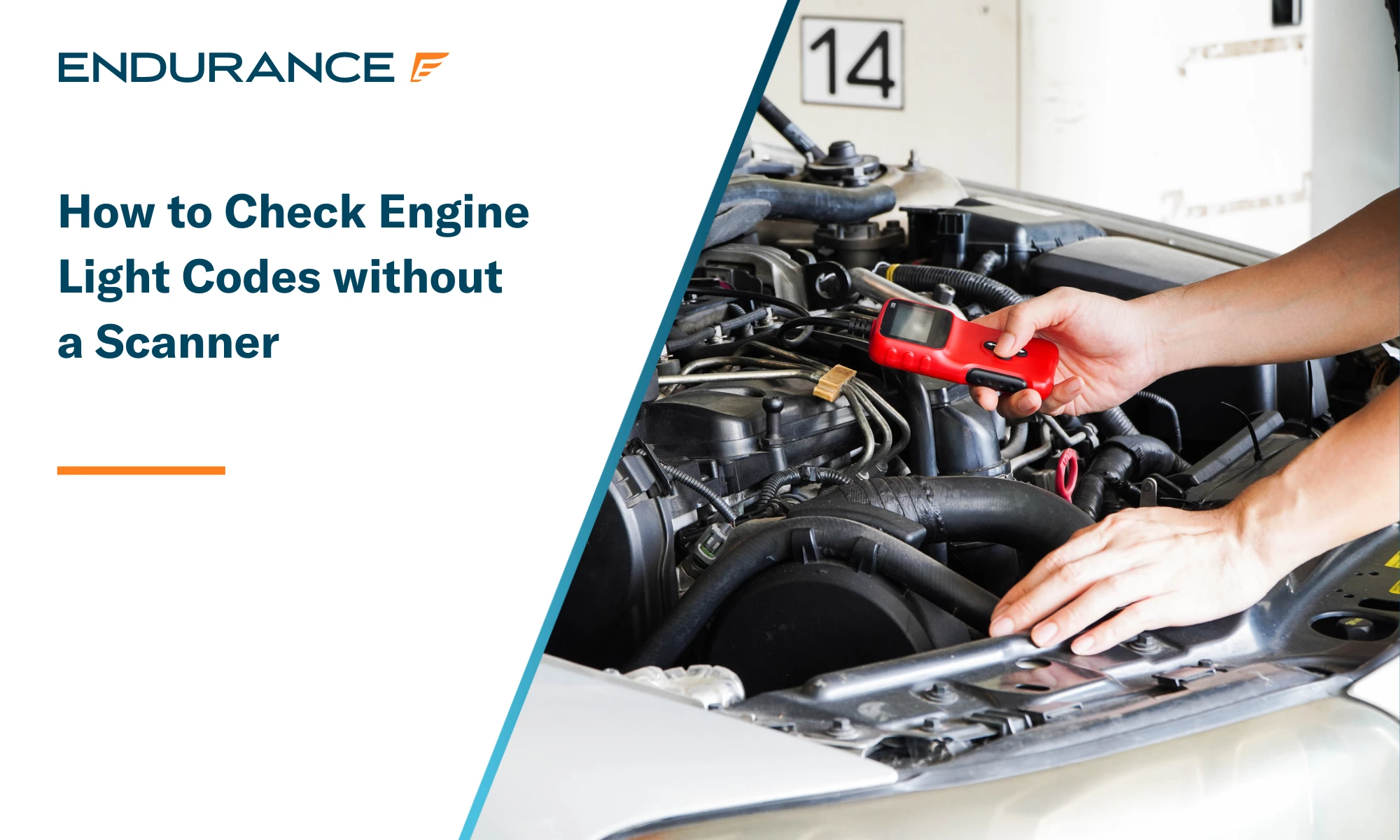
- Get an OBD-II scanner. These tools plug into your car’s diagnostic port, usually under the dashboard.
- Turn off your engine and plug in the scanner.
- Turn the key to “On” (don’t start the engine).
- Follow the scanner’s instructions to read the codes.
Some auto parts stores will check your codes for free. If you want to do it yourself, basic scanners cost $20–$50, while advanced ones with more features cost more.
Modern Subaru vehicles may also display codes on the dashboard if you use a special sequence of button presses, but an OBD-II scanner is faster and more reliable.
Most Common Subaru Check Engine Light Codes
Some codes show up more often in Subarus than others. Here are the most frequent ones and what they mean:
P0420 – Catalyst System Efficiency Below Threshold
This code means your catalytic converter is not working as well as it should. In Subarus, this can be caused by a worn-out converter, failing oxygen sensors, or even a small exhaust leak. Symptoms may include poor fuel economy and a slight drop in engine performance.
P0171 – System Too Lean (bank 1)
Your engine is getting too much air and not enough fuel. This is common in Subarus when there’s a vacuum leak, dirty mass air flow sensor, or weak fuel pump. You might notice rough idling or hesitation when accelerating.
P0300–p0304 – Cylinder Misfire Detected
Codes P0300 to P0304 mean the engine is misfiring in one or more cylinders. Subarus can misfire if spark plugs or ignition coils are worn, or if there’s a problem with the fuel injectors. Misfires should be fixed quickly to prevent engine damage.
P0457 – Evaporative Emission System Leak Detected (fuel Cap Loose/off)
This code is triggered by a loose or missing gas cap. It’s one of the easiest problems to fix—just check the cap and tighten it. If the code stays, there could be a bigger leak in the EVAP system.
P0137 – O2 Sensor Circuit Low Voltage (bank 1 Sensor 2)
The oxygen sensor behind the catalytic converter is sending a weak signal. This may be due to a faulty sensor, wiring problem, or exhaust leak. It can affect fuel economy and emissions.
P2096 – Post Catalyst Fuel Trim System Too Lean (bank 1)
This code is similar to P0171, but it’s focused on the fuel mixture after the catalytic converter. It’s often caused by small exhaust leaks or a failing rear oxygen sensor.
P0700 – Transmission Control System Malfunction
If you drive a Subaru with an automatic transmission, this code means the transmission control module has detected a problem. The car might go into “limp mode” to protect itself. Transmission issues can be complex, so professional diagnosis is recommended.
P1238 – Turbocharger/supercharger Boost Sensor Circuit High
In turbocharged Subaru models like the WRX, this code points to a problem with the boost sensor. It could be a wiring fault, a bad sensor, or a vacuum line issue.
These are just a few examples. There are hundreds of possible codes, but these are some of the most common ones Subaru owners face.
What To Do When The Check Engine Light Comes On
Seeing the check engine light isn’t always a reason to panic. Here’s what you should do:
- Check for obvious problems. Is your gas cap loose? Are there strange noises or smells?
- Note how the car is driving. Is it running smoothly? If the light is blinking or you notice loss of power, stop driving and get help.
- Read the codes. Use an OBD-II scanner to find out which code is stored.
- Decide on next steps. If it’s a simple fix (like tightening the gas cap), you can do it yourself. For complex codes, get help from a Subaru mechanic.
Ignoring the check engine light can lead to bigger problems and higher repair bills. Even if your car seems fine, it’s best to check the codes and fix the cause soon.
How To Fix And Clear Subaru Codes
Once you know the code, fixing it depends on the problem. Here’s a quick guide:
| Code | Possible Causes | DIY Fix |
|---|---|---|
| P0420 | Worn catalytic converter, bad O2 sensor | Check for exhaust leaks, replace O2 sensor |
| P0171 | Vacuum leak, dirty MAF sensor | Inspect hoses, clean MAF sensor |
| P0457 | Loose gas cap, EVAP leak | Tighten/replace cap, inspect EVAP lines |
| P0300–P0304 | Bad spark plugs, ignition coil | Replace plugs, check coils |
After you fix the issue, you can clear the code with your scanner. If the problem is gone, the light should stay off. If it comes back, there may be another issue.
Credit: www.endurancewarranty.com
Tools For Subaru Code Diagnosis
You don’t need expensive tools to check Subaru codes. Here are some popular options:
- Basic OBD-II scanners: These show the code and let you erase it. Good for most drivers.
- Bluetooth OBD-II adapters: Plug into your car and connect to your phone. Apps like Torque or Car Scanner let you see live data.
- Professional scanners: Shops use these to see Subaru-specific codes and real-time data.
Some Subaru models have special codes that only advanced scanners can read. If you want deeper info, consider a scanner made for Subaru vehicles.
Subaru Code Reading Vs. Other Brands
Subaru vehicles use the same OBD-II system as most cars, but they have some unique codes and issues. For example, Subaru’s all-wheel-drive system and turbocharged engines have their own sensors and controls. That’s why some codes are more common or have different causes than in other brands.
Here’s a comparison of code frequency in Subaru vs. Toyota:
| Code | Common in Subaru? | Common in Toyota? |
|---|---|---|
| P0420 | Very common | Less common |
| P0171 | Moderate | Common |
| P0300 | Common | Rare |
| P0457 | Very common | Rare |
This means Subaru owners often see codes that may not be a problem in other brands. Always use Subaru-specific resources when researching your code.
Two Insights Most Beginners Miss
- Not every code means a broken part. Sometimes, codes are set off by small issues—like a loose wire or a quick drop in battery voltage. Always check for simple causes before replacing expensive parts.
- One problem can trigger many codes. For example, a bad oxygen sensor might cause both a P0420 and a P0171 code. Fix the root cause, and you may solve more than one code at once.
Mistakes To Avoid When Dealing With Subaru Codes
- Ignoring the light. Hoping it will go away can lead to bigger problems.
- Clearing codes without fixing the problem. The light will come back, and you won’t pass emissions tests.
- Buying parts before diagnosis. Guessing can waste money. Always read the code and check the actual cause.
- Using cheap, unreliable scanners. Some very basic tools miss Subaru-specific codes.
Credit: www.reddit.com
When To See A Professional Mechanic
Some problems are easy to fix at home, like tightening a gas cap or changing spark plugs. But if you see a blinking light, multiple codes, or transmission-related codes, it’s best to see a Subaru-trained mechanic. They have the right tools and knowledge for complex repairs.
Also, if your Subaru is still under warranty, let the dealer handle repairs. They can fix the problem without voiding your coverage.
How Regular Maintenance Helps Prevent Codes
Regular maintenance is the best way to avoid surprise check engine lights. Here are a few tips:
- Change your oil on schedule
- Replace air filters and spark plugs as recommended
- Check the gas cap after every fill-up
- Inspect hoses and wires for damage
By keeping up with these simple steps, you can avoid many common codes and keep your Subaru running strong.

Credit: scoobyparts.com
Where To Find Reliable Subaru Code Information
Not every website gives accurate advice. For official information, check your Subaru owner’s manual or visit the Subaru technical service bulletins page. You can also trust large, reputable sources like OBD-Codes.com for up-to-date code lists and repair tips.
Frequently Asked Questions
What Should I Do If My Subaru Check Engine Light Is Blinking?
A blinking check engine light means a serious problem, usually an engine misfire. Stop driving as soon as it is safe and get your car checked. Ignoring a blinking light can damage your engine or catalytic converter.
Can I Drive My Subaru With The Check Engine Light On?
If the light is steady and the car runs normally, you can drive short distances. But you should check the code and fix the problem soon. If the light is blinking or the car feels strange, stop driving and get help.
How Do I Reset My Subaru Check Engine Light?
After fixing the problem, you can use an OBD-II scanner to clear the code. Sometimes, the light will turn off by itself after several normal driving cycles. Never clear the code without fixing the cause.
Will A Loose Gas Cap Turn On The Subaru Check Engine Light?
Yes, a loose or missing gas cap is a common reason for the check engine light. Tighten the cap and see if the light goes off after a few drives. If not, there may be another problem.
Are Subaru Check Engine Light Codes Different From Other Brands?
Subarus use the standard OBD-II codes, but they have some brand-specific codes and common issues. Always use Subaru-specific resources or a scanner that can read Subaru codes for the best results.
When you understand what your Subaru’s check engine light and codes mean, you can make smarter choices and save money. Don’t ignore the warning. A little knowledge goes a long way in keeping your car safe and reliable.
