
Driving along and suddenly seeing the check engine light glow on your dashboard can be worrying. Many drivers wonder how long they can keep driving with this warning before it becomes dangerous or causes expensive damage. The truth is, the answer depends on several factors, including the cause of the light, your car’s condition, and how your car behaves. Ignoring the check engine light can sometimes be harmless, but in other cases, it can lead to costly repairs or even a breakdown.
In this article, you’ll learn everything you need to know about the check engine light: what it means, how long you can drive with it on, the risks, and what you should do next. Whether you’re driving a modern vehicle or an older car, understanding this warning can help you make smart decisions—and may save you from trouble on the road.
What Is The Check Engine Light?
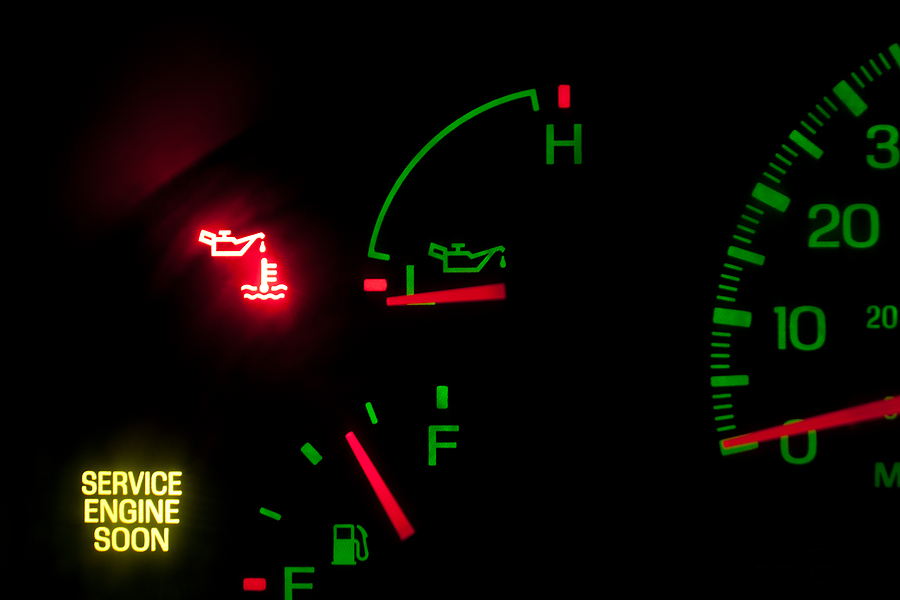
The check engine light, sometimes called the malfunction indicator lamp (MIL), is part of your car’s onboard diagnostics system. When the computer in your vehicle detects a problem related to emissions, engine performance, or some sensors, it turns on this light.
Modern cars use a system called OBD-II (On-Board Diagnostics II), which has been standard in cars since 1996. This system can detect hundreds of problems, from a loose gas cap to major engine failures.
The check engine light has two main modes:
- Steady (solid) light: This means there is a problem, but it’s not urgent. You can usually drive for a while, but you should get the problem checked soon.
- Flashing light: This signals a serious problem, such as a misfire that could damage the catalytic converter. You should stop driving as soon as it’s safe.
Common Reasons The Check Engine Light Comes On
Many issues can trigger the check engine light. Some are minor, others serious. Here are the most common causes:
- Loose or damaged gas cap
- Faulty oxygen sensor
- Bad catalytic converter
- Failing spark plugs or wires
- Mass airflow sensor problem
- Faulty ignition coil
- Evaporative emissions leak
- Worn-out battery
- Transmission issues
- Exhaust gas recirculation (EGR) valve problem
Some of these problems (like a loose gas cap) are simple and cheap to fix. Others can be complex and expensive.
How Long Can You Drive With The Check Engine Light On?
There is no single answer because it depends on why the light is on. However, you can use these guidelines:
If The Light Is Steady
- Drive cautiously for a short period: If your car feels normal, you can usually drive for a few days to a week. But you should schedule a diagnostic check as soon as possible.
- Don’t ignore it for weeks: Even minor problems can get worse. For example, a small emissions problem can lower your car’s fuel efficiency or harm the engine over time.
If The Light Is Flashing
- Stop driving immediately: A flashing check engine light usually means a severe misfire. Driving more can cause major engine damage or destroy the catalytic converter.
- Get your car towed: If the light is flashing, have your vehicle towed to a repair shop.
Symptoms Also Matter
If you notice any of these, stop driving and get help:
- Strange noises (knocking, pinging, rattling)
- Loss of power
- Smoke or burning smells
- Car won’t start properly
- Dashboard lights flickering
If your car drives normally, and the light is steady, you may have a little more time. But you should not delay repairs.
Risks Of Driving With The Check Engine Light On
Some drivers ignore the check engine light, but that can be risky. Here’s what might happen:
- Minor problems get worse: A small sensor issue can turn into a bigger, more expensive repair.
- Lower fuel efficiency: Many engine problems cause your car to burn more fuel, costing you extra money.
- Failed emissions test: A check engine light will cause your car to fail a smog or emissions test in most states.
- Catalytic converter damage: Ignoring misfires or rich fuel problems can quickly destroy this expensive part.
- Unexpected breakdowns: Even if your car feels fine, it could stop running at any time.
Real-world Examples
Let’s look at some common scenarios and how long you can safely drive:
| Problem | Drive Time Before Repair | Risk Level |
|---|---|---|
| Loose gas cap | Several days | Low |
| Oxygen sensor failure | 1-2 weeks | Medium |
| Spark plug misfire (flashing light) | Stop immediately | High |
| Bad catalytic converter | Few days (if car drives OK) | High |
Key insight: Sometimes the car seems fine, but damage is happening in the background.
What To Do When The Check Engine Light Comes On
If you see the check engine light, here’s what you should do:
- Check if the light is steady or flashing.
- If flashing, stop driving and get help.
- Listen and feel for other problems.
- Any strange noise, smell, or loss of power means stop and call for assistance.
- Check your gas cap.
- Tighten it if loose. If the light goes out after a few drives, you fixed the problem.
- Reduce speed and load.
- Avoid hard driving, towing, or carrying heavy loads until the problem is fixed.
- Get diagnostics soon.
- Use an OBD-II scanner (available at auto parts stores) or visit a mechanic.

Credit: www.youtube.com
How Mechanics Diagnose The Check Engine Light
When you visit a mechanic, they’ll use a scan tool to read the error code. Each code points to a specific system or sensor. For example, code P0420 means “catalyst system efficiency below threshold.”
Here’s what the diagnostic process often looks like:
| Step | What Happens |
|---|---|
| 1. Scan for codes | Mechanic plugs in a scan tool and reads codes from the computer. |
| 2. Interpret codes | Codes point to possible problems (e.g., oxygen sensor, spark plug). |
| 3. Confirm with tests | Further tests (visual check, voltage test, etc.) confirm the real cause. |
| 4. Recommend repair | Mechanic explains needed repairs and costs. |
Non-obvious tip: Some auto parts stores will scan your code for free.
Factors That Affect How Long You Can Drive
Not all cars are the same. Here’s what can make a difference:
- Car age and model: Older cars may tolerate some problems longer, but new cars can be more sensitive.
- Driving style: Aggressive driving can make problems worse.
- Weather and road conditions: Extreme heat or cold can stress the engine.
- Type of problem: Some codes are “pending” and may clear themselves; others are urgent.
- Recent maintenance: A well-maintained car can sometimes drive longer with minor issues.

Credit: bavariumautoworks.com
Why You Shouldn’t Ignore The Light (even If Car Feels Fine)
Many drivers keep driving with the check engine light on if the car feels normal. Here’s what most people miss:
- Modern engines adjust to keep working, but this can hide bigger problems.
- Sensors and computers may mask symptoms to avoid a breakdown, but you could be damaging expensive parts (like the catalytic converter).
- Insurance or warranty claims may be denied if you ignore warning lights.
How To Avoid Check Engine Light Problems
Preventing the light is better than dealing with repairs. Here’s how:
- Keep up with scheduled maintenance: Change oil, spark plugs, air filters, and fluids on time.
- Use quality fuel: Bad fuel can cause sensors to fail.
- Check your gas cap after every fill-up: Many lights are caused by a loose cap.
- Fix small problems early: Don’t ignore odd sounds or rough running.
- Use an OBD-II scanner: These are cheap and easy to use. They help you know the problem before visiting a mechanic.
Credit: www.autorepairindy.com
Is It Ever Safe To Ignore The Check Engine Light?
Sometimes, yes—but only if:
- The light is steady (not flashing).
- The car feels and sounds normal.
- You are not due for a smog test soon.
- You plan to fix the problem soon.
But even then, ignoring the check engine light for weeks can lead to bigger troubles.
Cost Of Ignoring The Check Engine Light
Many drivers hope the warning will go away on its own. Sometimes it does, but usually, it signals a real problem. Here’s how small issues can become expensive:
| Problem | Fix Cost (if repaired early) | Cost if Ignored |
|---|---|---|
| Oxygen sensor | $100 – $300 | $1,000+ (catalytic converter damage) |
| Spark plug misfire | $100 – $200 | $2,000+ (engine/catalytic converter damage) |
| Loose gas cap | $0 | $0 (but can fail emissions test) |
Non-obvious insight: Many warranty claims require you to fix check engine problems quickly—waiting too long can void coverage.
When To Call For Professional Help
You should get professional help if:
- The check engine light is flashing
- Your car runs rough, stalls, or loses power
- You hear loud or strange noises
- There’s smoke, strong smells, or leaks
- The car will not start
If you’re far from home, drive to the nearest repair shop if the car feels safe. Otherwise, call for a tow.
Frequently Asked Questions
How Long Can I Drive With A Steady Check Engine Light?
Usually, you can drive for a few days to a week if the light is steady and the car feels normal. However, you should get the car checked as soon as possible to avoid bigger problems.
Can A Check Engine Light Go Off By Itself?
Yes, if the problem is minor (like a loose gas cap), the light may turn off after a few drive cycles. But most problems require repair to clear the code.
Is It Safe To Drive With A Flashing Check Engine Light?
No. A flashing light usually means a serious problem that can damage the engine or catalytic converter. Stop driving and get help immediately.
Will My Car Pass Inspection With The Check Engine Light On?
No. Most states will fail your car at emissions or smog tests if the check engine light is on, even if the car runs well.
Can I Use A Code Reader To Find The Problem Myself?
Yes. An OBD-II code reader can tell you the error code. Some problems are easy to fix yourself, like tightening the gas cap. For more complex codes, you may still need a mechanic. For more on OBD-II codes, see Wikipedia’s OBD page.
If you see the check engine light, don’t panic. Understand what it means, check how your car is running, and get professional help if needed. Acting quickly can prevent major repairs, keep you safe, and save money in the long run.