
Many drivers have felt that sinking feeling when the check engine light suddenly comes on. For some, it means a quick trip to the mechanic. For others, it’s a source of worry and confusion. The truth is, the check engine light can signal anything from a loose gas cap to a serious engine problem. Knowing how to turn off the check engine light safely can save you time, money, and stress. But switching it off isn’t just about clearing a dashboard icon—it’s about understanding why it’s on and ensuring your car stays healthy.
This guide will walk you through the process, step by step. You’ll learn what the check engine light means, how to diagnose the cause, and the safest ways to reset it. We’ll also cover common mistakes, expert tips, and answer key questions drivers often have.
Whether you’re a first-time car owner or have dealt with engine warnings before, you’ll find clear explanations and practical advice here.
What Does The Check Engine Light Mean?
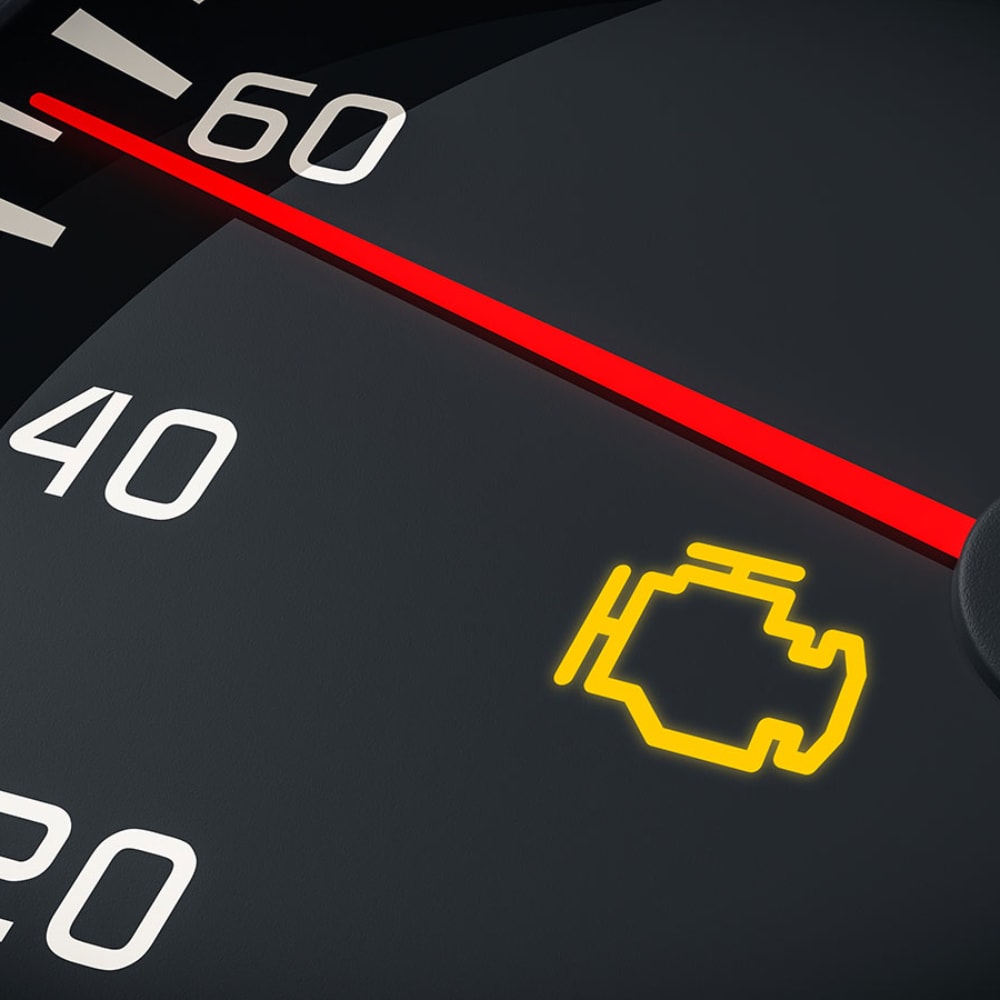
The check engine light (CEL), also called the malfunction indicator lamp (MIL), is part of your car’s onboard diagnostics system (OBD-II). When the engine computer (ECU) detects a problem, it turns on this warning. The issue could be minor, like a loose gas cap, or more serious, such as a failing sensor or engine misfire.
Common Reasons It Comes On
- Loose or damaged gas cap
- Oxygen sensor failure
- Catalytic converter issues
- Faulty spark plugs or wires
- Mass airflow sensor problems
- Vacuum leaks
- EGR valve malfunction
Ignoring the light can lead to more expensive repairs and higher emissions. That’s why it’s important to diagnose before you reset.
Steps To Diagnose The Problem
Before turning off the light, always find out why it’s on. Skipping this can hide a serious problem and put your car at risk.
1. Observe The Light’s Behavior
- Steady: A steady light means there’s a problem, but it’s usually not urgent.
- Flashing: A flashing check engine light means a severe issue, like an engine misfire. Stop driving immediately.
2. Listen And Check For Other Signs
Notice any strange noises, smoke, or changes in performance. These clues help you judge how serious the issue is.
3. Use An Obd-ii Scanner
An OBD-II scanner reads error codes from your car’s computer. These devices are available at auto parts stores or online, and many shops will scan for free.
How To Use A Scanner
- Plug the scanner into the OBD-II port (usually under the dashboard).
- Turn the car’s ignition to “on” (not engine start).
- Follow the scanner’s instructions to read codes.
The scanner will show codes like “P0171” or “P0455,” each linked to a specific problem. Write them down for reference.
4. Look Up The Codes
Search the codes online or in your scanner’s manual to understand the issue. Some codes are easy fixes; others require a mechanic.
5. Inspect Common Causes
- Check the gas cap for tightness and cracks.
- Look for disconnected or damaged hoses.
- Examine the air filter and spark plug connections.
Pro tip: Many drivers forget to check the gas cap. A loose or broken cap is a very common trigger.
How To Turn Off The Check Engine Light
Once you know the cause, you can safely reset the light. There are several ways to do this, but each has its place.
Method 1: Fix The Problem, Then Drive
After fixing the issue (tightening the gas cap, replacing a sensor, etc. ), the light often turns off by itself. The car’s computer checks the system every time you drive.
- Drive for 3-4 days or about 50-100 miles. If the issue is fixed, the light should clear.
- If it stays on, re-check for errors.
Method 2: Use An Obd-ii Scanner To Reset
Most OBD-II scanners have a “clear codes” or “reset” function.
- Connect the scanner to the OBD-II port.
- Select the option to clear codes.
- The check engine light will turn off.
Note: If you haven’t fixed the problem, the light will come back soon.
Method 3: Disconnect The Battery
This method works for some older cars, but not all modern vehicles.
- Turn off the ignition.
- Use a wrench to disconnect the negative battery terminal.
- Wait 10-15 minutes.
- Reconnect the battery.
This can reset the car’s computer, clearing the light. However, it may also erase radio presets and clock settings.
Insight: Battery disconnect might not work for all cars—many newer vehicles have memory systems that keep the error codes stored.
Method 4: Let The System Reset Naturally
If the problem was temporary (like a loose cap), the car’s computer may clear the light after a few driving cycles.
- This is usually the safest and easiest way if you’re sure the problem is minor.
Comparison Of Reset Methods
Here’s a quick side-by-side look at the main ways to turn off your check engine light:
| Method | Best For | Risks/Notes |
|---|---|---|
| Fix & Drive | Most situations | Light goes off if problem is solved |
| OBD-II Scanner | DIY users, mechanics | Light returns if issue not fixed |
| Battery Disconnect | Older cars | May erase settings, not always effective |
| Natural Reset | Minor/temporary issues | Requires patience, only works if issue resolved |

Credit: www.youtube.com
Common Mistakes To Avoid
Clearing the check engine light the wrong way can cause bigger problems. Here are some errors to watch out for:
- Ignoring the cause: Resetting without diagnosis can hide serious damage.
- Clearing codes before inspection: This can erase clues a mechanic needs to find the problem.
- Using the wrong scanner: Some cheap tools only read basic codes, not all issues.
- Disconnecting the battery on modern cars: This can cause electrical problems or lock out the radio.
- Driving with a flashing light: This is risky; stop and get help immediately.
Non-obvious insight: Many drivers don’t realize that clearing codes can also erase readiness monitors, which are needed to pass emissions tests. Your car may fail inspection if you reset the system right before testing.
When To See A Mechanic
While many check engine light causes are simple, some need expert attention:
- Flashing light: Signals a severe problem, like a misfire or catalytic converter damage.
- Strange noises or smells: Could mean engine or exhaust issues.
- Loss of power or poor performance: May be unsafe to drive.
- Repeat warnings: If the light keeps coming back, deeper diagnostics are needed.
If you’re unsure, it’s safer and smarter to let a certified mechanic inspect your car.
What If The Light Won’t Turn Off?
Sometimes, the check engine light stays on even after repairs. Here’s what you can do:
- Double-check that all issues are truly fixed.
- Use a quality OBD-II scanner to clear codes.
- Drive several cycles to let the system check itself.
- If the light stays on, a hidden or secondary issue may exist.
Some cars have “hard codes” that need special dealer tools to erase. Don’t waste time guessing if the light won’t turn off—seek professional help.
How Much Does It Cost To Fix?
The cost varies widely:
- Loose gas cap: Free to $15
- Oxygen sensor: $100–$300
- Catalytic converter: $900–$2,500
- Spark plugs/wires: $50–$200
A basic code read at many auto parts stores is free. Some mechanics charge $50–$100 for diagnosis, but repairs can range much higher.
Preventing Future Check Engine Light Problems
Good car care can reduce check engine light surprises:
- Tighten the gas cap after every refuel.
- Use quality fuel and the right oil.
- Follow service intervals for spark plugs, filters, and sensors.
- Address small issues early, before they grow.
- Keep your car’s software updated—some issues come from outdated computer programs.
Key Terms And Their Meanings
Understanding common terms helps you talk with mechanics and read your scanner results.
| Term | Meaning |
|---|---|
| OBD-II | On-Board Diagnostics, second generation (1996+ cars) |
| ECU | Engine Control Unit – the car’s computer |
| Catalytic Converter | Reduces harmful emissions |
| Readiness Monitors | Self-checks that ensure systems are working for emissions tests |
| Diagnostic Codes | Numbers showing why the check engine light is on |

Credit: www.subarusouthtampa.com
Real-world Example
Imagine your check engine light comes on after refueling. You notice the gas cap is loose. After tightening it, the light stays on for a day, then turns off by itself. You didn’t need a mechanic—just a simple fix and patience.
But if the light flashed, you heard odd noises, or the car felt weak, you’d need help right away.
One External Resource For Further Reading
For a deeper look into OBD-II codes and what they mean, visit the On-board diagnostics Wikipedia page.
Credit: www.gengrasvolvocarsnorthhaven.com
Frequently Asked Questions
What Should I Do If My Check Engine Light Comes On While Driving?
Stay calm. If the light is steady and your car feels normal, you can keep driving but get it checked soon. If the light is flashing, pull over safely and call for help—driving may damage your engine.
Can I Pass An Emissions Test After Resetting My Check Engine Light?
Usually, no. When you reset the light, you also reset the readiness monitors. Your car needs to complete several driving cycles before it’s ready for testing, or it may automatically fail.
Is It Safe To Drive With The Check Engine Light On?
It depends on the cause. For minor issues, short-term driving is usually safe. But for serious problems—especially if the light is flashing or you notice strange symptoms—stop and get your car checked.
Will Disconnecting The Battery Always Turn Off The Check Engine Light?
No. Modern cars often store codes even with the battery disconnected. Some systems require a scanner or a mechanic’s tool to fully clear codes.
Should I Buy My Own Obd-ii Scanner?
If you like doing DIY repairs, yes. Basic scanners are affordable and work with most cars built after 1996. They help you quickly find out why the light is on and decide if you need a mechanic.
Taking control of your car’s check engine light doesn’t have to be stressful or complicated. With the right approach, you can solve simple problems yourself and know when to call in the experts. This knowledge not only saves money but also gives you peace of mind every time you drive.