
Losing the power in your car key fob can feel like a small crisis. You press the button, but nothing happens. The doors stay locked. The panic sets in, especially if you’re late or carrying groceries. Luckily, key fob battery replacement is a simple fix that most people can do themselves. You don’t need special skills or expensive tools. With a few steps, you can save time, avoid dealership charges, and get your key fob working like new again.
Many car owners worry about damaging their fob or choosing the wrong battery. But once you know the basics, it becomes a quick routine. Some drivers even keep spare batteries in their glove compartment just in case. In this guide, you’ll learn how to replace your key fob battery, what tools you need, which batteries fit different models, and how to avoid common mistakes.
By the end, you’ll feel confident handling your own key fob battery replacement—no trip to the mechanic needed.
Why Key Fob Batteries Fail
Most key fobs use small lithium coin cell batteries, like CR2032 or CR2025. These batteries last about 2–4 years, depending on how often you use the fob. Simple actions like pressing buttons many times a day, storing the fob close to your car (which keeps it active), or exposure to extreme heat or cold can shorten battery life.
There are a few warning signs that your key fob battery is dying:
- Reduced range: You must stand closer to your car for the fob to work.
- Delayed response: You press the button, but the car responds slowly.
- Inconsistent operation: Sometimes it works, other times it doesn’t.
- Warning light: Some cars show a dashboard alert for “key battery low.”
A weak battery can also cause your car’s security system to malfunction, or even stop you from starting cars with push-button ignition. That’s why it’s smart to replace the battery at the first sign of trouble.
Tools And Materials Needed
Before you begin, gather a few basic items:
- Replacement battery (check your owner’s manual or the old battery for the type)
- Small flat-head screwdriver or coin (for opening the fob)
- Soft cloth or gloves (to avoid fingerprints on the battery)
- Small tray or bowl (to hold screws or small parts, if needed)
Some key fobs snap open, while others use tiny screws. Most use a coin cell battery—the type is usually printed on the battery itself.
Credit: northparklexusatdominion.com
Finding The Right Battery
Not all key fobs use the same battery. The most common sizes are CR2032, CR2025, and CR2016. But some brands use special batteries. Always check your car manual or look up the fob model online.
Here’s a quick comparison of popular coin cell batteries:
| Battery Type | Diameter | Thickness | Voltage | Common Cars |
|---|---|---|---|---|
| CR2032 | 20mm | 3.2mm | 3V | Toyota, Ford, VW |
| CR2025 | 20mm | 2.5mm | 3V | Honda, Nissan |
| CR2016 | 20mm | 1.6mm | 3V | Hyundai, Kia |
Some drivers try to use a thinner or thicker battery if they can’t find the correct one. This is risky, as the wrong size can cause poor contact or even damage the fob.
Step-by-step Guide: Replacing Your Key Fob Battery
Replacing a key fob battery is usually quick. Here’s how to do it safely:
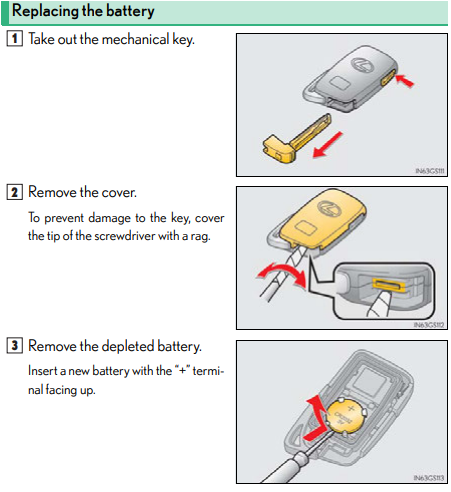
1. Open The Key Fob
Most key fobs have a notch along the seam. Insert a small flat-head screwdriver or a coin into this notch and twist gently. If your fob has screws, use a tiny Phillips screwdriver to remove them first. Be gentle—too much force can crack the plastic.
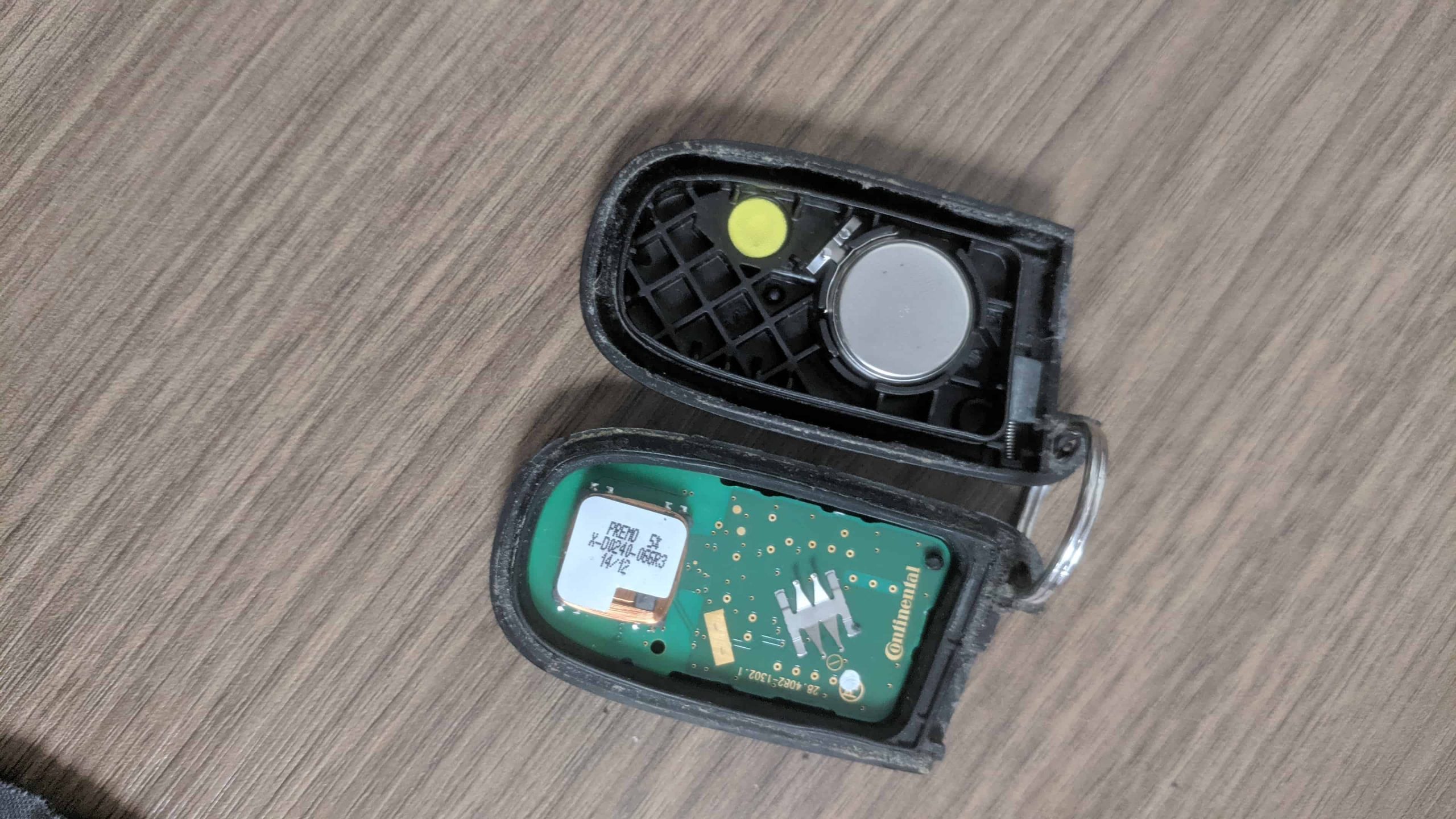
2. Remove The Old Battery
Take note of how the battery sits in the fob—usually the positive (+) side faces up. Use your screwdriver to lift the battery out. Touch only the edges to avoid leaving fingerprints or oil.
3. Insert The New Battery
Slide the new battery into place, making sure the orientation matches the old one. Press it down gently so it sits flat. If the battery isn’t snug, it can cause connection problems.
4. Close The Key Fob
Snap the fob halves back together. If there were screws, replace them. Press all around the edge to make sure the case is sealed.
5. Test The Key Fob
Stand a few feet from your car and press the buttons. If the locks respond, you’re done. If not, check the battery orientation and try again.
Credit: www.dalehoward.com
Special Tips For Different Car Brands
Some brands make battery replacement more complex. Here are a few examples:
- BMW and Mercedes: Some models have rechargeable key fobs that need to be charged in the ignition slot. If the fob stops working, replacement might require professional help.
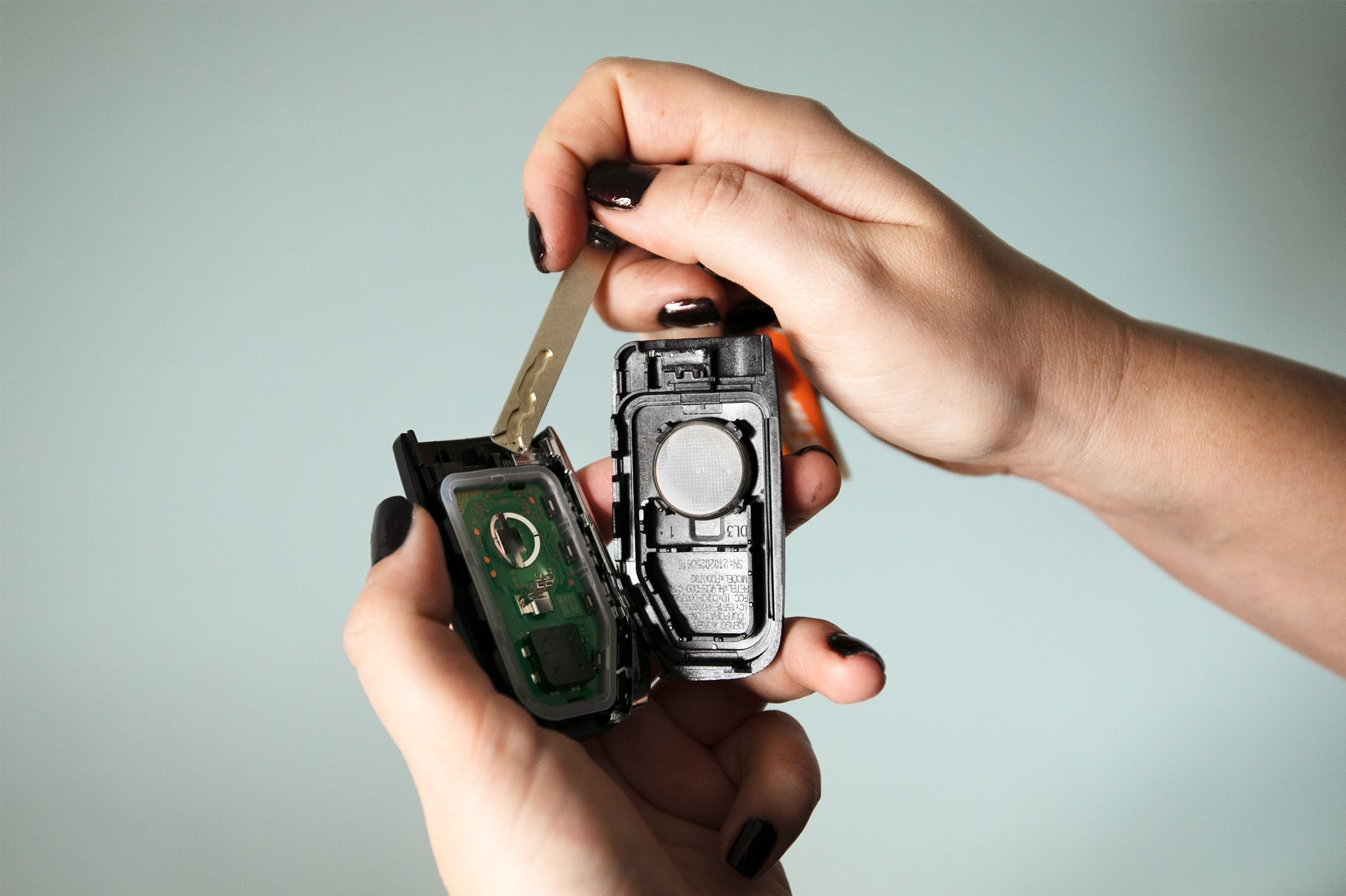
- Lexus and Toyota Smart Keys: Look for a tiny release button to slide out the mechanical key. Then use the slot to open the fob.
- Honda: Older Honda fobs have a visible screw on the back. Newer models snap open.
- Volkswagen: Some VW fobs require you to remove the mechanical key first, then pry open the fob.
If your fob doesn’t open easily, check the manual or search for a video for your specific model. Many automakers have guides online.
Common Mistakes To Avoid
Many people make small errors during key fob battery replacement. Here’s what to watch for:
- Forgetting battery orientation: Always check which side faces up before removing the old battery.
- Using the wrong battery type: Even if the size looks similar, a different battery may not work properly.
- Forcing the case open: Prying too hard can break the case or crack internal components.
- Touching battery contacts: Oil from your fingers can cause poor connection. Use gloves or a cloth.
- Losing small parts: Some fobs have springs, screws, or buttons that can fall out when opened. Work on a table and use a tray for small parts.
Credit: www.rd.com
How Much Does Key Fob Battery Replacement Cost?
Doing it yourself is cheap. Most coin cell batteries cost $2–$8 for a pack of two. At a dealership, the same job can cost $25–$50, sometimes more. Some auto shops or hardware stores offer free battery installation if you buy the battery there.
Here’s a quick price comparison:
| Replacement Method | Average Cost | Time Needed |
|---|---|---|
| DIY (buy battery only) | $2–$8 | 5–10 minutes |
| Dealership/Service Center | $25–$50 | 15–30 minutes |
| Auto Parts Store | $5–$12 | 5–15 minutes |
If you own more than one car, buying a multipack of batteries can save money in the long run.
Recycling Old Key Fob Batteries
Don’t throw old batteries in the trash. Coin cell batteries contain chemicals that can harm the environment. Many stores that sell batteries have recycling bins. You can also check with your local recycling center. Proper disposal keeps harmful materials out of landfills.
How To Extend Key Fob Battery Life
Want to make your fob battery last longer? Try these tips:
- Store the key fob away from your car: Keeping it near your car can keep the electronics active.
- Avoid extreme temperatures: Heat and cold can drain the battery faster.
- Limit unnecessary button presses: Press the button only when needed.
- Turn off passive entry: Some cars let you disable the feature that unlocks the car when you’re nearby.
If your fob sits in a drawer for months, remove the battery to prevent slow discharge.
When To Replace The Entire Key Fob
Sometimes, replacing the battery won’t fix the problem. If your key fob still doesn’t work, it might have a broken circuit board, worn-out buttons, or water damage. In these cases, you may need a new key fob.
New key fobs can be expensive—$50 to $400 depending on the car. Some fobs need to be programmed by a dealer or locksmith. If you’re not sure, test the battery in another fob (if you have two for the same car) to rule out a battery issue.
Two Insights Most People Miss
- Some fobs need to be re-synced after a battery change. For a few car models, simply changing the battery can make the fob lose its connection. Check your manual for re-sync steps—sometimes you need to press a combination of buttons, or start the car with the fob inside.
- Not all coin cell batteries are the same quality. Cheaper batteries may lose power faster, even if they’re the correct size. Brands like Panasonic, Sony, or Energizer are more reliable for key fobs.
Key Fob Battery Myths
There are a few myths about key fob batteries:
- Myth: You must go to the dealership for a new battery.
- Fact: Most batteries can be replaced at home in minutes.
- Myth: All fobs use the same battery.
- Fact: Battery type varies by brand and model.
- Myth: If the battery dies, you can’t start your car.
- Fact: Many cars have a backup method, like holding the dead fob near a special button or using a mechanical key.
For more details on different battery types, you can visit the Wikipedia battery size guide.
Frequently Asked Questions
How Do I Know What Battery My Key Fob Needs?
Check your car’s owner manual, or open the fob and read the number on the old battery (like CR2032). You can also search online for your car model and “key fob battery. ”
Will Replacing The Battery Erase My Key Fob’s Programming?
No, in most cases, the fob will work normally after battery replacement. Some cars may need you to resync the fob—check your manual if it doesn’t work right away.
How Long Should A Key Fob Battery Last?
Most key fob batteries last 2–4 years with normal use. If you use the fob often or store it near your car, it may drain faster.
Can I Use A Different Battery Brand For My Key Fob?
Yes, but it’s best to use a high-quality battery from a trusted brand. Cheap batteries might lose power faster or leak, which can damage your fob.
What Should I Do If My Key Fob Still Doesn’t Work After Battery Replacement?
Double-check the battery orientation and contact points. If it still doesn’t work, try a new battery or test your fob with another car (if possible). If all else fails, the fob may be broken and need to be replaced or reprogrammed by a professional.
Changing your key fob battery is a simple skill that saves time and money. With the right tools and a bit of care, you can keep your car’s remote working smoothly for years to come.