
When you turn your steering wheel and your car responds smoothly, you rarely think about what makes that possible. But inside your vehicle, a complex system works quietly to help you steer with little effort. At the heart of this system is power steering fluid. This special liquid not only makes steering easier but also protects expensive parts from wear and damage. Yet, not all fluids are the same. Choosing the right power steering fluid type for your car is more important than many drivers realize. Using the wrong fluid can reduce performance, cause leaks, or even damage your steering system. This article explains the different types of power steering fluids, how to pick the right one, and what mistakes to avoid—so you can keep your vehicle safe and smooth on the road.
Why Power Steering Fluid Matters
Power steering fluid does more than just make turning the wheel easier. It acts as a lubricant, reducing friction between moving parts. It also works as a hydraulic fluid, transferring force from the steering wheel to the wheels. Over time, old or incorrect fluid can cause parts to fail, leading to expensive repairs. One overlooked fact: some fluids have additives that protect seals and prevent leaks, while others don’t. This is why using the correct type is critical—not just for performance, but also for the lifespan of your steering system.
Main Types Of Power Steering Fluid
Different vehicles use different fluids, often based on the system design and the manufacturer’s requirements. Here are the main types you’ll find:
1. Mineral Oil-based Fluids
These are the oldest and most common type. Made from refined crude oil, mineral oil-based fluids are often used in older cars and trucks.
- Pros: Widely available, affordable, and compatible with many classic vehicles.
- Cons: They can break down faster under high heat and may not protect modern steering systems as well.
2. Synthetic Power Steering Fluid
Synthetic fluids are made in laboratories, using precise chemical formulas. They’re designed to handle higher temperatures and provide better protection.
- Pros: Last longer, flow better in cold weather, and often contain special additives to protect seals and prevent corrosion.
- Cons: Usually cost more, and not always compatible with older systems.
3. Automatic Transmission Fluid (atf)
Many vehicles, especially American brands, use ATF in the power steering system. Common types include Dexron and Mercon.
- Pros: Easy to find, good lubricating properties, and can handle both transmissions and steering.
- Cons: Not suitable for all cars; using ATF in a system designed for other fluids can cause leaks or damage.
4. Specialty Fluids
Some manufacturers require specific, proprietary fluids. For example, Honda and some European brands have unique formulas.
- Pros: Tailored for the exact system, ensuring the best performance and protection.
- Cons: More expensive, sometimes only available from dealers or specialty shops.
5. Universal Power Steering Fluid
Marketed as suitable for “most” vehicles, universal fluids claim to work in a wide range of cars.
- Pros: Convenient, can reduce confusion for some drivers.
- Cons: “Universal” does not mean “all”—always check your owner’s manual before using.

Credit: www.agcoauto.com
Key Differences Between Fluid Types
The main differences come down to base oil, additives, and viscosity (thickness).
- Mineral oils are simple and affordable but break down faster.
- Synthetic oils last longer and handle stress better.
- ATF has extra detergents to clean transmissions, but not all seals in steering systems can handle them.
- Specialty fluids often contain unique additives for specific seals and temperatures.
Here’s a direct comparison:
| Fluid Type | Best For | Main Advantage | Main Drawback |
|---|---|---|---|
| Mineral Oil | Older cars | Low cost | Shorter life, less protection |
| Synthetic | Modern cars | Longer life, better protection | Higher price |
| ATF | American vehicles | Easy to find | Not for all systems |
| Specialty | Honda, European brands | Exact match for system | Cost, limited availability |
| Universal | Some generic uses | Convenient | May not suit all cars |
How To Choose The Right Power Steering Fluid
Many drivers think any fluid is fine, but this is a mistake. Using the wrong fluid can damage seals, hoses, and pumps—sometimes slowly, so you don’t notice until it’s too late. Here’s how to make the right choice:
1. Check The Owner’s Manual
Your car’s manual will specify exactly which fluid to use. Never guess—manufacturers test fluids for their systems.
2. Look At The Cap Or Reservoir
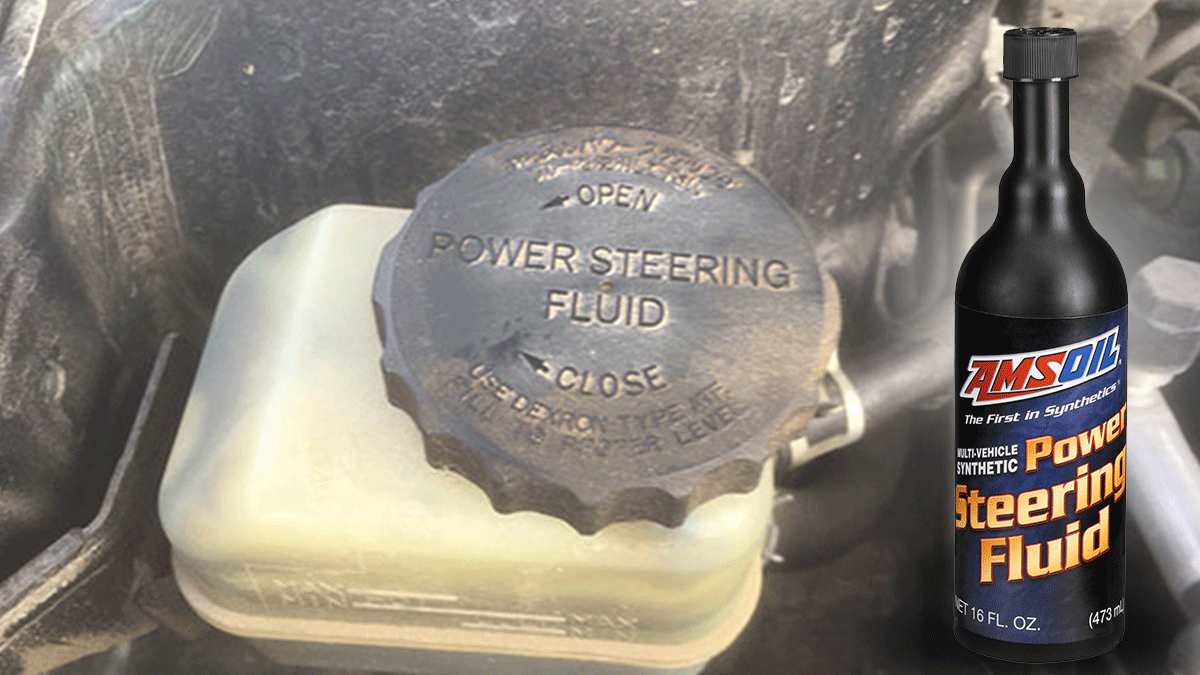
Some vehicles have the fluid type printed right on the reservoir cap.
3. Consider Your Climate
If you live somewhere very cold, synthetic fluid can flow better and protect your system.
4. Don’t Mix Fluids
Mixing different types (for example, mineral oil and synthetic) can cause foaming or leaks. Always flush the system if you’re switching types.
5. Ask A Mechanic
If you’re unsure, a trusted mechanic can help. They may know about recalls or hidden issues for your model.
It’s worth noting: Many newer cars use electronic power steering and do not need fluid at all. Always check before adding anything.
Understanding Fluid Standards And Codes
Most power steering fluids meet certain standards, often set by organizations like SAE (Society of Automotive Engineers) or by the car maker. Some common codes you’ll see:
- Dexron II/III – Used for GM vehicles, also common in some Ford and Chrysler models.
- Mercon – Mainly for Ford vehicles.
- CHF 11S or CHF 202 – Found in many European cars.
If your manual asks for one of these, use only that standard. Substituting can cause expensive failures.
Here’s a quick summary of popular standards:
| Standard | Typical Use | Color |
|---|---|---|
| Dexron II/III | GM, some Ford/Chrysler | Red |
| Mercon | Ford | Red |
| CHF 11S | European (e.g., Audi, BMW) | Green |
| CHF 202 | Modern European | Green |
| Honda Power Steering Fluid | Honda, Acura | Amber/Gold |
Power Steering Fluid Colors And What They Mean
Most fluids are red, green, or amber. The color helps identify the type, but it’s not always reliable. For example, some universal fluids are clear. If your fluid turns brown or black, it’s a sign it’s old or contaminated and should be replaced.
A non-obvious tip: If you see white or milky fluid, it means water is in the system, which can cause rust and failure. In this case, flush the system right away.
Signs You’re Using The Wrong Fluid
Using the wrong power steering fluid usually does not cause instant failure, but small problems build up over time:
- Leaking seals: The wrong fluid can make rubber seals shrink or swell, causing leaks.
- Noisy steering: You may hear whining or groaning when turning.
- Heavy steering: The wheel feels harder to turn.
- Slipping or jerky movement: The steering might not respond smoothly.
If you notice any of these, it’s best to flush the system and use the correct fluid immediately.
How To Check And Replace Power Steering Fluid
Checking your fluid is simple:
- Park on a level surface and let the engine cool.
- Find the power steering reservoir (usually labeled).
- Remove the cap and check the level using the dipstick or markings.
- Look at the color and smell—burnt or dark fluid means it’s time to change.
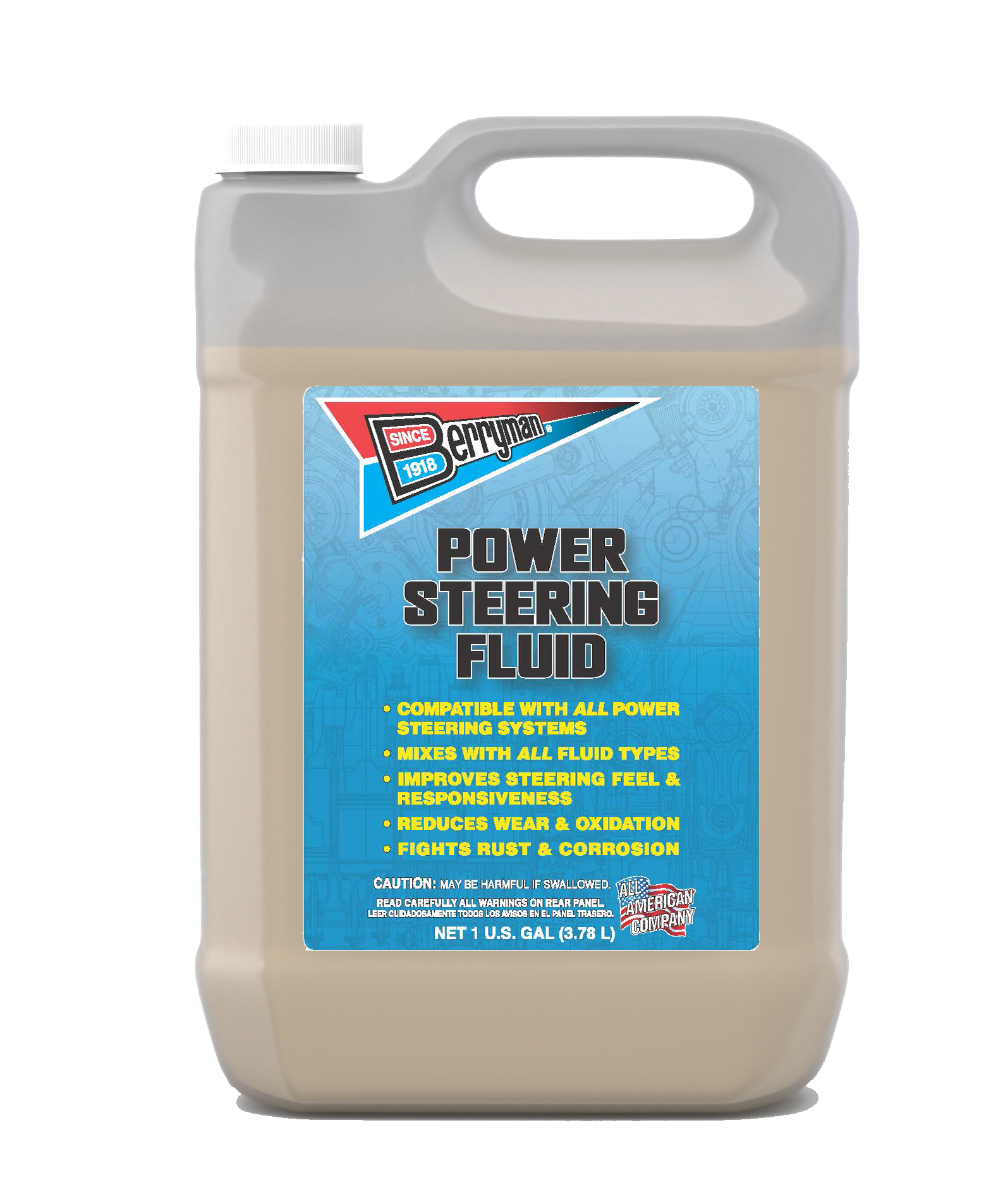
Replacing fluid is more involved. Most drivers can top off low fluid, but a full flush should be done by a mechanic unless you have experience. Flushing removes old, contaminated fluid and replaces it with fresh fluid. This can prevent damage and keep your steering smooth.
Credit: www.berrymanproducts.com
Common Mistakes When Choosing Or Using Power Steering Fluid
Even experienced car owners make these mistakes:
- Choosing based on color: The same color does not always mean the same formula.
- Mixing brands or types: This can cause foaming, leaks, or loss of lubrication.
- Ignoring manufacturer recommendations: Always follow your owner’s manual.
- Not flushing when switching types: Old residue can react with new fluid.
One more insight: Some “leak-stop” fluids can swell seals to stop leaks, but they may cause more harm than good. Use them only as a last resort or in emergencies.
Power Steering Fluid Lifespan And Change Intervals
Unlike engine oil, power steering fluid doesn’t always have a fixed change interval. Still, most experts recommend changing it every 50,000 to 100,000 miles, or every 5 years, whichever comes first. In hot climates or under heavy use (like towing), change it more often.
A quick reference:
| Vehicle Type | Recommended Change Interval |
|---|---|
| Normal driving | 5 years or 100,000 miles |
| Heavy use (towing, taxi) | 2-3 years or 50,000 miles |
| High heat climates | Every 3 years |
Environmental Impact And Disposal
Used power steering fluid is hazardous waste. Never pour it down the drain or on the ground. Take old fluid to a recycling center or an auto shop that accepts hazardous materials. Many communities have drop-off points for used oil and fluids.
Where To Buy Power Steering Fluid
You can find power steering fluid at auto parts stores, large retailers, and online. Always buy from a trusted source and check the label for the right specification. For specialty fluids, visit a dealership or reputable online retailer.
For more on power steering systems and fluids, check this detailed guide from the Wikipedia Power Steering page.
Credit: blog.amsoil.com
Frequently Asked Questions
What Happens If I Use The Wrong Power Steering Fluid?
Using the wrong fluid can damage seals, cause leaks, and reduce steering performance. Over time, it may lead to costly repairs. Always use the fluid recommended by your vehicle manufacturer.
Can I Mix Different Types Of Power Steering Fluid?
It’s not recommended. Mixing fluids with different additives or base oils can cause foaming, leaks, or loss of lubrication. If you must switch types, flush the system first.
How Can I Tell If My Power Steering Fluid Needs Changing?
Check the color and smell. Fluid that is brown, black, or smells burnt should be changed. Also, if your steering becomes noisy or jerky, it might be time for fresh fluid.
Are Universal Power Steering Fluids Safe To Use?
Universal fluids are safe for some vehicles, but not all. Always check your owner’s manual. “Universal” does not mean suitable for every car.
Do Electric Power Steering Systems Need Fluid?
No, electric power steering systems use motors instead of hydraulic fluid. Only hydraulic systems need power steering fluid.
Choosing the right power steering fluid type keeps your steering smooth, your car safe, and your repair bills low. With a little knowledge and care, you can keep your vehicle running at its best for years to come.