
Car owners often pay little attention to their shock absorbers—until the ride feels rough or handling becomes unpredictable. Yet, these hidden parts work hard every time you drive, keeping your car stable and your journey safe. If you’re unsure when to replace shock absorbers, you’re not alone. Many drivers wait until there’s a problem, but knowing the shock absorber replacement schedule helps you avoid costly repairs and unsafe situations. Here’s a complete guide to understanding, monitoring, and planning shock absorber replacement.
What Are Shock Absorbers And Why Do They Matter?
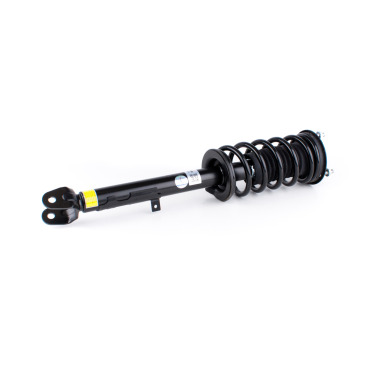
Shock absorbers are essential parts of your car’s suspension system. Their main job is to control the movement of the springs and keep your tires in contact with the road. When you drive over bumps or potholes, shock absorbers reduce the bouncing and stop your car from swaying too much.
A car with worn shock absorbers may feel unstable or hard to control. Braking distances can increase, and tires wear out faster. In fact, tests show that cars with bad shocks can take up to 20% longer to stop in emergency braking.
How Long Do Shock Absorbers Last?
There’s no single answer, but most shock absorbers last between 50,000 and 100,000 kilometers (about 30,000 to 60,000 miles). The real lifespan depends on several factors:
- Road conditions: Rough or unpaved roads wear out shocks faster.
- Driving style: Aggressive driving, hard braking, and heavy loads reduce life.
- Vehicle type: Trucks or SUVs used off-road often need more frequent replacement.
- Quality of parts: High-quality or OEM shocks usually last longer than cheap aftermarket options.
Many mechanics suggest checking shock absorbers every 20,000 kilometers (12,000 miles) and planning to replace them around 80,000 kilometers (50,000 miles) if you drive mainly on good roads. However, if you notice any warning signs, don’t wait for the mileage to reach that point.
Credit: aerosus.net
Signs Your Shock Absorbers Need Replacement
Regular checks are important, but you should also watch for these warning signs:
- Longer stopping distance: If your car takes longer to stop or nose-dives when braking, shocks may be worn.
- Rough ride: Feeling every bump or dip means shocks aren’t working well.
- Uneven tire wear: Bad shocks can cause tires to develop bald spots or uneven tread.
- Leaking fluid: Visible oil or grease on the shock body means the seal is broken.
- Excessive body roll: If your car leans too much when turning or sways in wind, shocks could be weak.
- Strange noises: Clunking or rattling from the suspension may signal failing parts.
Ignoring these signs can lead to more damage and higher repair costs later.
How To Check Shock Absorber Condition
You don’t always need a mechanic to spot problems. Here are simple checks you can do yourself:
- Bounce Test: Push down hard on one corner of your car and let go. If it bounces more than twice, the shock may be worn.
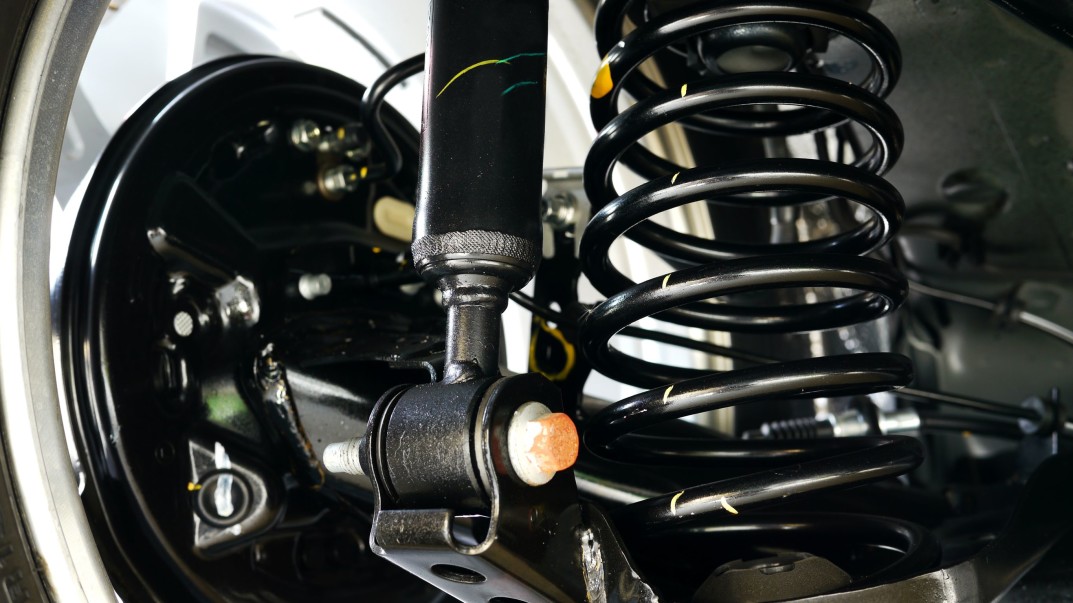
- Visual Inspection: Look for leaks, dents, or damaged mounts around the shock absorber area.
- Tire Check: Run your hand over the tire tread. Uneven patterns, especially cupping, suggest suspension issues.
For a more accurate check, a mechanic can remove the shock and test its resistance. Even if shocks seem fine, it’s wise to replace them after the recommended mileage, especially if you drive under tough conditions.

Credit: revolutionmotors.ca
Recommended Shock Absorber Replacement Schedule
The schedule depends on your car, driving environment, and type of shocks. Here’s a general guide:
| Driving Condition | Replacement Interval |
|---|---|
| City/Highway (Good roads) | 80,000–100,000 km (50,000–60,000 miles) |
| Rural/Uneven roads | 50,000–70,000 km (30,000–45,000 miles) |
| Off-road/Heavy use | 40,000–50,000 km (25,000–30,000 miles) |
Always check your owner’s manual for the manufacturer’s advice. For example, some high-performance vehicles need shock replacement more often.
Types Of Shock Absorbers And Their Lifespans
Not all shocks are the same. The main types are:
- Twin-tube: Common in most cars. Good lifespan (50,000–80,000 km).
- Mono-tube: Found in performance or off-road vehicles. Usually more durable.
- Gas-filled: Better for handling, can last slightly longer than oil-only types.
- Electronic/Adaptive: Advanced systems in luxury cars. Expensive, may last as long as standard shocks but cost more to replace.
Here’s a quick comparison:
| Shock Type | Average Lifespan | Typical Use |
|---|---|---|
| Twin-tube | 50,000–80,000 km | Most passenger cars |
| Mono-tube | 60,000–100,000 km | Sports/Off-road |
| Gas-filled | 60,000–100,000 km | High-performance |
| Electronic/Adaptive | 50,000–80,000 km | Luxury/High-end |
Choosing the right type for your car and usage will help you stick to a proper replacement schedule.
Why Timely Shock Absorber Replacement Matters
Many drivers think delaying shock replacement saves money. In reality, worn shocks can lead to:
- Increased tire wear: You may need new tires sooner.
- Longer braking distances: Higher risk in emergencies.
- Poor handling: Harder to control the car, especially in rain or sudden stops.
- Damage to other suspension parts: Bad shocks strain bushings, springs, and mounts.
- Reduced comfort: Every bump feels harsher, making long drives tiring.
Studies show that replacing shocks at the right time can improve stopping distance by up to 4 meters (13 feet) at highway speeds. That difference can prevent accidents, especially in wet or slippery conditions.
Common Mistakes When Replacing Shock Absorbers
Many car owners and even some mechanics make mistakes that reduce the benefits of new shocks. Here are some to avoid:
- Replacing only one shock: Always replace shocks in pairs (both fronts or both rears) for balance.
- Choosing low-quality parts: Cheap shocks wear out faster and may not perform as well.
- Ignoring other suspension parts: Worn mounts or bushings should be replaced at the same time.
- Not aligning wheels after replacement: A wheel alignment ensures safe handling.
- Forgetting to check for leaks or damage: Sometimes, other issues like broken springs can affect new shocks.
These mistakes often lead to repeated repairs and extra costs. Always ask for quality parts and skilled installation.
Credit: www.carscope.com
Cost Of Shock Absorber Replacement
The price varies depending on your car and the type of shock. On average:
- Parts: $50–$150 per shock for standard cars; $200–$400 for electronic or luxury cars.
- Labor: $100–$200 per pair.
- Total: $300–$800 for all four shocks on most vehicles.
Some cars have advanced suspension systems that can cost much more. It’s often worth paying more for quality parts, as they last longer and perform better.
Here’s a rough cost breakdown for popular vehicle types:
| Vehicle Type | Average Part Cost (each) | Labor (pair) | Total (set of 4) |
|---|---|---|---|
| Compact Car | $60–$100 | $120–$180 | $360–$560 |
| SUV/Pickup | $100–$200 | $180–$250 | $560–$900 |
| Luxury/Performance | $200–$400 | $250–$400 | $900–$1,600 |
If you drive mainly in cities on smooth roads, you may get more life out of your shocks, but it’s still smart to budget for replacement every few years.
Tips For Extending Shock Absorber Life
A few simple habits can help your shock absorbers last longer:
- Drive smoothly: Avoid hard braking, sharp turns, and sudden acceleration.
- Slow down for bumps: Take speed bumps and potholes carefully.
- Keep tires at the right pressure: Over- or under-inflated tires stress shocks.
- Don’t overload your car: Extra weight strains the suspension.
- Wash the undercarriage: Dirt and salt can cause rust and wear.
Also, regular inspections help you catch issues early, before they damage your shocks or other suspension parts.
Real-world Examples And Insights
Many drivers are surprised by how much smoother and safer their car feels after replacing old shocks. One owner of a 6-year-old sedan noticed his car stopped swaying in wind and felt more stable on highways after shock replacement at 90,000 kilometers.
Another, who often drove on gravel roads, found his tires lasted longer and his car handled better after new shocks at just 50,000 kilometers.
A common beginner mistake is thinking shock absorbers only affect comfort. In reality, they play a big role in safety—especially during sudden stops or on wet roads. Another detail many miss is that worn shocks may not make obvious noise. Sometimes, the only sign is subtle: more bouncing or a less comfortable ride.
It’s also important to know that shocks wear out gradually. By the time you notice a problem, their performance may have dropped by 50% or more. That’s why following a schedule is smarter than waiting for clear symptoms.
Frequently Asked Questions
How Do I Know If My Shock Absorbers Are Bad?
Watch for signs like a rough ride, longer stopping distances, uneven tire wear, and visible leaks on the shock body. The bounce test is a simple way: if your car bounces more than twice after pushing down on a corner, the shock may be worn.
Should I Replace All Four Shock Absorbers At Once?
Yes, it’s best to replace shocks in pairs (both fronts or both rears) to keep handling balanced. For the best results, replace all four if they are all worn or have similar mileage.
How Long Does Shock Absorber Replacement Take?
A skilled mechanic can replace a pair of shocks in about 1–2 hours. Replacing all four usually takes 2–3 hours. Some advanced suspension systems may require more time.
Are Shock Absorbers The Same As Struts?
No, but they are similar. Shock absorbers control movement, while struts are a structural part of the suspension. Some cars have shocks at the rear and struts at the front.
Where Can I Learn More About Shock Absorbers?
For more detailed information, check the Wikipedia page on shock absorbers.
Taking care of your shock absorbers is not just about a smooth ride—it’s about safety, tire life, and saving money in the long run. By following the right shock absorber replacement schedule, you can keep your car handling well for years to come. If you’re ever unsure, ask a trusted mechanic for advice based on your driving habits and vehicle type. Your car—and your passengers—will thank you.