
Cleaning your car’s throttle body might sound technical, but it’s one of the most effective ways to restore lost engine power and improve fuel efficiency. Many drivers ignore this simple maintenance because they don’t know what it is or why it matters. Over time, dirt, carbon, and oil build up in the throttle body, restricting airflow. This can lead to rough idling, slow acceleration, poor gas mileage, and even engine stalling.
You don’t need to be a mechanic to clean your throttle body. With a few basic tools, some patience, and the right guidance, you can do it at home and save money. This guide walks you through each step with clear instructions, practical tips, and expert insights that even seasoned car owners sometimes miss.
By the end, you’ll understand not just how, but why throttle body cleaning is essential for your vehicle’s health.
What Is A Throttle Body?
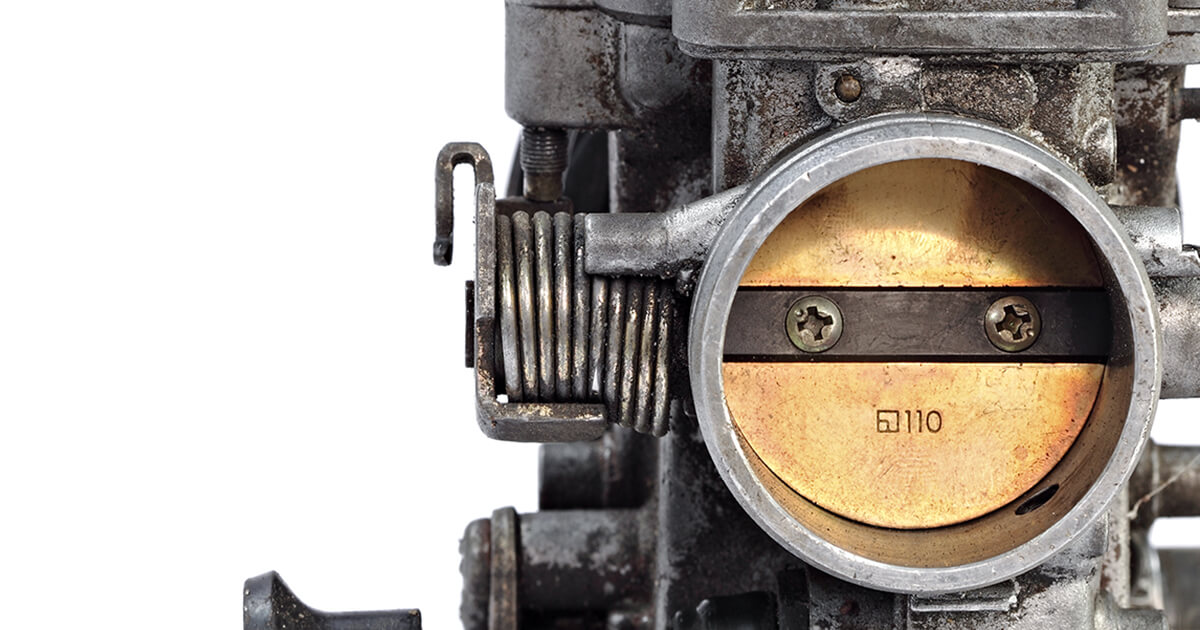
The throttle body is a crucial part of your car’s air intake system. It’s usually located between the air filter and the intake manifold. When you press the accelerator pedal, the throttle body opens a butterfly valve, letting air flow into the engine. The engine’s computer (ECU) then mixes this air with fuel for combustion.
Modern cars often use an electronic throttle body (ETB), which is controlled by sensors and the car’s computer. Older vehicles might use a cable-connected mechanical throttle. Regardless of the type, all throttle bodies can get dirty and affect engine performance.
Common Symptoms Of A Dirty Throttle Body
- Rough idle: The engine shakes or vibrates when stopped.
- Poor acceleration: The car feels sluggish or slow to respond.
- Stalling: The engine cuts off, especially when stopping.
- Check Engine Light: Sometimes, a dirty throttle body triggers this warning.
- Reduced fuel economy: You notice you’re filling the tank more often.
Not all these symptoms appear at once, but even one is a sign it’s time for cleaning.
Why Throttle Body Cleaning Matters
Regular cleaning keeps your engine breathing freely. Dirty throttle bodies restrict airflow, forcing your engine to work harder. This not only wastes fuel but can also damage other engine parts over time.
Here’s what a clean throttle body does for your car:
- Restores smooth idling so your car doesn’t shake at stoplights.
- Improves acceleration for quicker response.
- Boosts fuel economy by optimizing air/fuel mixture.
- Extends engine life by reducing stress on components.
- Prevents costly repairs down the road.
Many car owners forget that even a little dirt buildup can cause noticeable problems. In some cases, cleaning the throttle body fixes issues that would cost hundreds at a repair shop.
Tools And Supplies Needed
Before you begin, gather these items:
- Throttle body cleaner: Special spray designed to break up carbon and dirt.
- Screwdrivers: Usually Phillips and flathead for hose clamps and covers.
- Socket set: For removing bolts.
- Clean rags or microfiber cloths: To wipe away debris and cleaner.
- Toothbrush or small nylon brush: Helps scrub hard-to-reach spots.
- Gloves and safety glasses: Protect your hands and eyes from chemicals.
- Flashlight: For better visibility if your throttle body is deep inside the engine bay.
Never use brake cleaner or carburetor cleaner unless it’s labeled as safe for throttle bodies. These can damage sensors or coatings.
Step-by-step Throttle Body Cleaning
1. Prepare Your Workspace
Park your car on a level surface and turn off the engine. Let it cool for at least 20 minutes. Disconnect the negative battery cable to avoid electrical shorts or check engine lights. Wear gloves and safety glasses.
2. Locate The Throttle Body
Open the hood and find the air intake hose leading from the air filter box to the engine. The throttle body is usually at the end of this hose, attached to the intake manifold.
If you’re unsure, check your owner’s manual or search your car model online. Most engines have the throttle body in an easy-to-reach spot, but some require removing covers or moving other parts.
3. Remove The Air Intake Hose
Use a screwdriver or socket to loosen the clamps holding the air intake hose to the throttle body. Carefully pull the hose off. Set it aside where it won’t collect dirt.
4. Inspect The Throttle Body
Shine a flashlight inside. You’ll likely see black soot, sticky oil, or carbon deposits around the butterfly valve and inner walls. This buildup restricts airflow and causes most throttle body problems.
Non-obvious tip: Also check the back side of the butterfly plate. Many beginners only clean the front, missing hidden grime that impacts performance.
5. Clean The Throttle Body
Spray the throttle body cleaner on the dirty areas. Hold the throttle plate open by hand (be gentle and avoid bending it). Use a toothbrush or nylon brush to scrub away carbon and residue. Wipe everything with a clean rag.
Don’t soak the throttle body with too much cleaner. A little goes a long way. Avoid spraying directly onto any sensors, as some are sensitive to chemicals.
Expert insight: For electronic throttle bodies, do not manually force the plate open if it resists. Forcing can damage the motor. Instead, spray cleaner around the edges and gently wipe with a rag.
6. Clean The Air Intake Hose
Wipe inside the hose with a rag. Dirt and oil often collect here and can quickly re-contaminate your clean throttle body.
7. Reassemble Everything
Once everything is dry, reconnect the air intake hose and tighten the clamps. Double-check that all parts are secure and nothing is left inside the engine bay.
8. Reconnect The Battery
Attach the negative battery cable. Some vehicles may need the engine’s idle to “relearn” after cleaning. Start the engine and let it idle for a few minutes. Don’t worry if the idle is high or rough at first—it should settle as the ECU adjusts.
9. Test Drive
Take your car for a short drive. Check for smooth acceleration, steady idle, and improved response. If you notice any warning lights, double-check your work or consult a mechanic.

Credit: fxtul.com
How Often Should You Clean The Throttle Body?
Most experts recommend cleaning every 30,000 to 50,000 miles. However, your driving habits and environment can change this interval. If you drive in dusty areas, use low-quality fuel, or notice any symptoms, clean it more often.
Some modern cars have better filtration and need less frequent cleaning. Check your owner’s manual for recommendations.
Here’s a quick comparison of cleaning intervals:
| Driving Condition | Recommended Interval |
|---|---|
| Normal city/highway | Every 40,000 miles |
| Dusty or rural roads | Every 20,000 miles |
| High-performance driving | Every 15,000 miles |
| Poor-quality fuel | Every 20,000 miles |
Mechanical Vs. Electronic Throttle Bodies
Understanding your throttle body type is important, as cleaning steps differ slightly.
| Type | Cleaning Approach | Common Mistake |
|---|---|---|
| Mechanical | Can manually open plate to clean inside | Forgetting to clean both sides of the plate |
| Electronic | Do not force plate open; clean around edges | Damaging motor by forcing plate |
Always check your manual or manufacturer’s website if you’re unsure.
Safety Tips And Common Mistakes
- Disconnect the battery before cleaning to avoid electrical surges.
- Never use sharp tools or metal brushes inside the throttle body.
- Avoid over-spraying cleaner, especially on sensors.
- Don’t skip cleaning the air intake hose.
- If you’re uncomfortable, seek professional help.
A frequent beginner error is failing to allow the throttle body to dry completely before reassembly. Any excess cleaner can cause hard starting or rough idle until it evaporates.
Professional Cleaning Vs. Diy
You might wonder if it’s better to pay for a mechanic or do it yourself. Here’s a quick overview:
| Option | Cost | Time | Pros | Cons |
|---|---|---|---|---|
| DIY | $5–$15 for cleaner | 30–60 minutes | Saves money, learn new skill | Possible mistakes if not careful |
| Professional | $60–$150 | 1–2 hours (with appointment) | Expertise, peace of mind | Higher cost |
If you’re new to car maintenance, start with a simple visual inspection. Most throttle bodies are easy to access and clean with care.
Credit: www.mobil.com
Advanced Tips For Throttle Body Cleaning
Here are two insights even experienced car owners sometimes overlook:
- Check the Idle Air Control Valve (IACV): In some vehicles, the IACV sits near or within the throttle body. Cleaning the throttle body without cleaning the IACV may not solve rough idling.
- Reset the ECU if needed: Some cars may need a simple reset (disconnect battery for 10 minutes) to clear any stored errors or “relearn” idle after cleaning.
If your engine light stays on after cleaning, scan for error codes with an OBD-II tool. Sometimes, cleaning triggers a soft code that disappears after a few drives.
Environmental Impact And Cleaner Disposal
Throttle body cleaners are strong chemicals. Dispose of used rags and empty cans properly—never pour leftovers down the drain. Many auto parts stores accept used chemicals for recycling.
Credit: www.mobil.com
Frequently Asked Questions
What Happens If I Never Clean My Throttle Body?
Over time, dirt and carbon build up, restricting airflow. This causes poor acceleration, rough idle, and higher fuel consumption. In severe cases, your car may stall or trigger the check engine light. Regular cleaning prevents these issues and keeps your engine running smoothly.
Can I Use Carburetor Cleaner Instead Of Throttle Body Cleaner?
It’s best to use cleaner made for throttle bodies. Carburetor cleaner can be too harsh and may damage sensors, plastic, or special coatings inside modern throttle bodies. Always check the label before using any cleaner.
How Do I Know If My Throttle Body Needs Cleaning?
Common signs include rough idling, slow acceleration, stalling, and poor fuel economy. If you notice these symptoms, visually inspect the throttle body for black deposits. Even if you don’t see much dirt, cleaning every 30,000–50,000 miles is good preventive maintenance.
Will Cleaning The Throttle Body Fix My Check Engine Light?
If the light is caused by airflow issues or throttle body-related sensors, cleaning may help. However, other problems (like faulty sensors or wiring) also trigger the check engine light. It’s smart to scan for error codes to be sure.
Where Can I Learn More About Throttle Bodies And Engine Maintenance?
For more technical details, visit the Wikipedia Throttle Body page. It offers diagrams, explanations, and links to related engine topics.
Keeping your throttle body clean is one of the simplest ways to protect your engine and enjoy smooth driving. With the right tools and steps, anyone can do it—no advanced skills required. Next time your car feels sluggish or rough, consider this easy fix before heading to the mechanic.