
When you turn your car key and nothing happens, it’s easy to panic. Many drivers face this problem at some point, and often, a bad starter is the main cause. But how do you know if your starter is the problem and not something else? Knowing the symptoms of a bad starter can help you act quickly and avoid bigger issues, like getting stranded far from home. In this guide, you’ll learn the common signs of starter problems, how they feel and sound, and what to do next.
What Does A Starter Do?
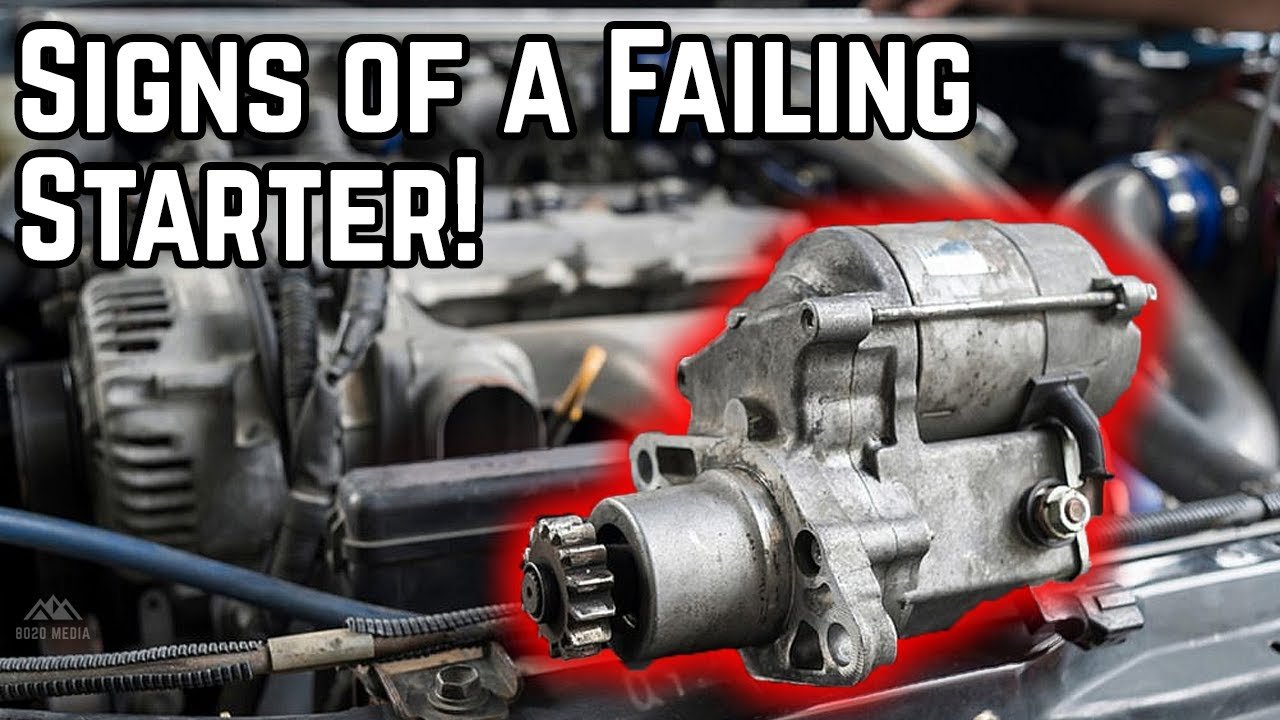
The starter is a small but powerful electric motor that turns your engine over when you start the car. It takes power from the battery and spins the engine just long enough for it to start running on its own. Without a working starter, your car simply won’t start, no matter how new the battery is.
Why Starters Go Bad
Starters can fail for many reasons. Over time, the electrical contacts inside can wear out. The motor can get too hot, or the gears can break. Sometimes, oil leaks or water can damage the starter. Most starters last between 100,000 to 150,000 miles, but harsh driving conditions, frequent short trips, or poor maintenance can make them wear out faster.
Key Bad Starter Symptoms
Understanding these warning signs can help you spot a bad starter before it leaves you stranded.
1. Clicking Noise When Turning The Key
One of the most common signs is a clicking sound when you turn the ignition. This click means the starter relay is working, but the starter motor itself is not spinning. Sometimes, you’ll hear one loud click; other times, it’s a rapid series of clicks. This often points to a failed starter solenoid or motor.
2. Engine Won’t Crank
If you turn the key and the engine doesn’t turn over at all, the starter could be the culprit. This is different from when you have a dead battery, where all the lights and dashboard features are off. With a bad starter, you may still have power to your radio and lights, but the engine doesn’t try to start.
3. Grinding Noise
A grinding sound when you try to start your car may mean the starter gear is not connecting properly to the engine’s flywheel. This can happen if the starter gear is worn out or damaged. Ignoring this symptom can damage both the starter and the flywheel, leading to more expensive repairs.
4. Freewheeling
Freewheeling happens when you turn the key and hear the starter spinning but the engine does not turn over. This means the starter is not engaging with the engine. The sound is usually a spinning or whirring noise without the engine trying to fire up.
5. Intermittent Starting Problems
Sometimes, a bad starter works one day but not the next. If your car sometimes starts and sometimes doesn’t, especially in the morning or after being parked for a while, the starter could be failing. Heat, cold, or loose electrical connections inside the starter can cause these intermittent problems.
6. Smoke Coming From The Engine
If you see or smell smoke when trying to start the car, stop immediately. Overheating wires or a burning starter can create smoke. This is a serious warning sign and can lead to fire if ignored.
7. Lights Work But Car Won’t Start
If your headlights, dashboard, and radio are working well but the car refuses to start, it points to a starter issue rather than the battery. Many people think their battery is dead, but if other electronics work, the starter is more likely at fault.
8. Starter Remains On After Engine Starts
If you hear a strange sound after the engine starts, like the starter is still running, the starter relay or solenoid may be stuck. This can quickly overheat and destroy the starter if not fixed.
9. Oil-soaked Starter
Sometimes, oil leaks from the engine and drips onto the starter. Oil can damage the starter’s electrical parts over time. If a mechanic finds your starter covered in oil, it’s a sign the starter may fail soon, even if it still works for now.
10. Dashboard Warning Lights
Some modern cars have a starter system warning light. If this light comes on, it’s a clear sign to have your starter checked right away, even if you haven’t noticed other symptoms yet.
Bad Starter Vs. Other Starting Problems
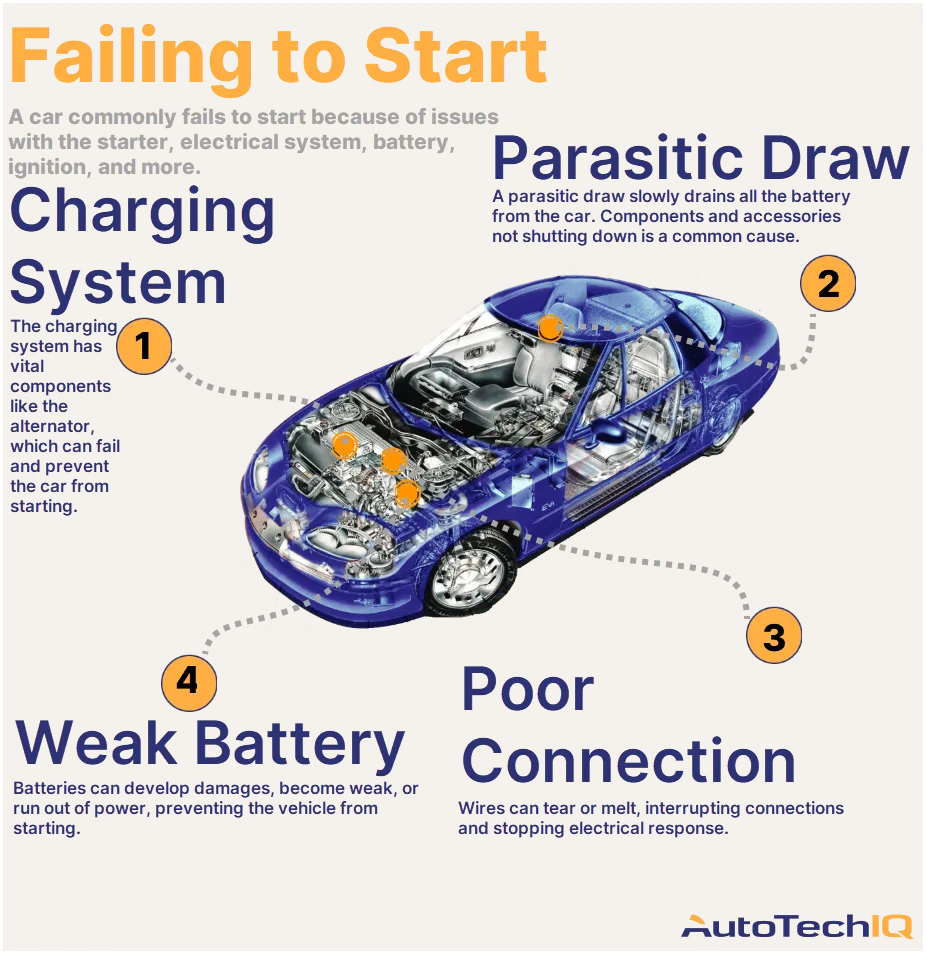
It’s easy to confuse starter problems with other issues, like a bad battery or alternator. Here’s a simple comparison to help you tell the difference:
| Symptom | Likely Cause: Starter | Likely Cause: Battery | Likely Cause: Alternator |
|---|---|---|---|
| Clicking noise, but lights work | Yes | No | No |
| No lights or power anywhere | No | Yes | No |
| Grinding noise | Yes | No | No |
| Car starts, then dies while driving | No | No | Yes |
Understanding these differences can save you time and money when diagnosing starting problems.
Causes That Worsen Starter Failure
A starter does not usually fail without warning. Here are factors that can make a starter go bad sooner:
- Frequent short trips: The starter works harder when you start the engine often in one day.
- Ignoring engine oil leaks: Oil can drip onto the starter and destroy it over time.
- Loose battery connections: This can create voltage drops, making the starter work harder.
- Using poor quality replacement parts: Cheap starters often fail faster.
- Extreme weather: Heat and cold can damage internal starter parts.
If you notice any of these factors with your vehicle, be extra alert to starter symptoms.
What To Do If You Suspect A Bad Starter
If you suspect a starter problem, follow these steps:
- Check the battery first. Use a voltmeter if you have one. The battery should read around 12.6 volts.
- Listen for sounds. Clicking, grinding, or no sound at all can point to the starter.
- Try tapping the starter. Sometimes, gently tapping the starter with a tool can help it work one more time. This is only a short-term fix.
- Check for loose wires. Make sure battery and starter cables are tight and not corroded.
- Call a mechanic. If the car still won’t start, it’s time for professional help.
How Mechanics Test A Starter
A mechanic can quickly check if your starter is good or bad. Here’s how:
- Voltage drop test: This checks if enough power reaches the starter.
- Bench test: The starter is removed and tested outside the car.
- Inspecting connections: All wires and fuses are checked for damage.
Most mechanics can diagnose a starter problem within an hour.
Cost To Replace A Bad Starter
Starter replacement costs depend on the car model and where you live. On average, you can expect:
- Parts: $100–$400 for the starter motor
- Labor: $100–$200 depending on difficulty
Some cars, especially luxury models, have starters in hard-to-reach places, making the job more expensive.
Here’s a quick comparison:
| Vehicle Type | Average Parts Cost | Average Labor Cost | Total Estimate |
|---|---|---|---|
| Compact car | $100–$200 | $100–$150 | $200–$350 |
| SUV/Truck | $150–$400 | $150–$200 | $300–$600 |
| Luxury car | $250–$600 | $200–$400 | $450–$1,000 |
Most repairs take 1–3 hours, but some can take longer if the starter is hard to access.
Preventing Starter Problems
While starters wear out naturally, you can help them last longer with simple habits:
- Fix oil leaks quickly to protect electrical parts.
- Keep battery terminals clean to provide steady voltage.
- Avoid holding the key too long when starting the car.
- Don’t start the car repeatedly in a short time.
- Use quality replacement parts if a starter is needed.
One tip many drivers miss: Starting your car with the clutch pedal pressed (in manual cars) can reduce strain on the starter.
Real-world Example
Consider a driver who ignored a grinding noise for weeks. One morning, the car refused to start. The mechanic found both the starter and flywheel teeth damaged, making the repair much more expensive. If the driver had acted at the first sign, they might have only needed a new starter, not a flywheel. According to AAA’s Approved Auto Repair program, shops that employ ASE-certified or factory-trained technicians must meet strict standards for training, equipment, and customer service.
Credit: www.autotechiq.com
How Long Can You Drive With Bad Starter Symptoms?
If your car starts at all, it’s only a matter of time before the starter fails completely. In some cases, you may get a few more starts. In others, the starter could die the next time you try. Don’t wait—plan for repair as soon as you notice symptoms.
Common Myths About Starters
Many people believe that only the battery causes starting trouble. While batteries do fail often, a bad starter is just as likely—especially in older cars. Another myth is that jump-starting will fix a bad starter. In reality, if the starter itself is broken, no amount of extra battery power will help.
Credit: www.youtube.com
When To Replace, Not Repair
Sometimes, mechanics can fix a starter by replacing small parts inside. However, in most cases, replacing the whole starter is faster and more reliable. This is especially true if the starter is old, covered in oil, or has failed more than once.
How A Bad Starter Affects Other Parts
A failing starter can damage other parts if ignored. For example, a grinding starter can break the flywheel. Electrical shorts in a damaged starter can harm your car’s wiring or battery. Acting quickly protects the rest of your car.
Is It Safe To Drive With A Bad Starter?
You may be able to drive after your car starts, but you risk getting stranded the next time you turn off the engine. If you must drive, head straight to a repair shop. Avoid turning off the engine until you’re there.
Frequently Asked Questions
What’s The Difference Between A Bad Starter And A Dead Battery?
A bad starter usually lets your lights and electronics work, but the engine won’t turn over. A dead battery means nothing works—no lights, no radio, and no engine cranking.
Can I Jump-start A Car With A Bad Starter?
Jump-starting only helps if the battery is weak. If the starter is bad, jump-starting will not work. The starter must be repaired or replaced.
How Long Does A Starter Usually Last?
Most starters last between 100,000 and 150,000 miles, but harsh conditions or poor maintenance can shorten their life.
Is It Safe To Tap On The Starter To Get It Working?
Lightly tapping the starter can sometimes help a stuck part inside move, but it’s only a temporary fix. You should replace the starter as soon as possible.
Where Can I Find More Information About Car Starters?
You can learn more about starter motors and their functions at the Wikipedia Starter Motor page.
Spotting bad starter symptoms early can save you time, money, and stress. If you notice any warning signs, don’t ignore them. A quick visit to a mechanic can help you avoid bigger problems and keep your car reliable for years to come.
Credit: www.youtube.com