
Keeping your Ford running smoothly and safely is not just about fixing problems when they appear. The real key is regular car maintenance—following a schedule that matches your vehicle’s needs. Many Ford owners know about oil changes, but there’s much more to a complete car maintenance schedule.
If you want your Ford to last longer, stay reliable, and keep its value, understanding the right schedule is essential. Let’s explore how you can make the most of your Ford by following a smart, practical maintenance plan.
Why A Maintenance Schedule Matters For Your Ford
Every car, including Ford models, faces wear and tear as you drive. Parts age, fluids break down, and tiny problems can become big ones if ignored. Following a maintenance schedule is like giving your car regular health checkups. It prevents sudden breakdowns, helps you save money on big repairs, and keeps your car safe for you and your family.
Ford provides a recommended schedule for each model, but real-life driving conditions also affect how often you need service. For example, frequent short trips, extreme weather, or towing heavy loads may require more attention. Staying proactive pays off.
Basic Maintenance Intervals: What To Expect
Ford divides its maintenance into intervals, usually based on mileage or months, whichever comes first. Here’s a general example for most modern Ford vehicles:
| Interval | Main Tasks |
|---|---|
| Every 5,000–7,500 miles | Oil change, tire rotation, fluid check |
| Every 15,000 miles | Replace air filter, inspect brakes |
| Every 30,000 miles | Replace cabin filter, check transmission fluid |
| Every 60,000 miles | Replace spark plugs, inspect belts |
| Every 100,000 miles | Change coolant, inspect timing belt (if equipped) |
These intervals can change depending on your Ford model. Always check your owner’s manual for the exact schedule.

Credit: www.crossroadsfordwakeforest.com
Key Maintenance Tasks For Ford Vehicles
Oil And Filter Changes
Engine oil keeps everything running smoothly by reducing friction and carrying away heat. Old oil can damage your engine over time. Ford often recommends an oil change every 5,000 to 7,500 miles for most models, but newer vehicles with synthetic oil may allow longer intervals.
It’s not just the oil—the filter needs replacing too. It traps dirt and debris, keeping the oil clean. Skipping oil changes is one of the most common mistakes and can lead to expensive engine problems.
Tire Rotation And Inspection
Tires wear out unevenly if not rotated. By moving them to different positions every 5,000 to 7,500 miles, you ensure they last longer and keep your ride safe. During rotation, it’s smart to check for:
- Uneven tread wear
- Nails or punctures
- Proper tire pressure
Low tire pressure not only affects safety but also fuel economy. Many drivers forget to check pressure regularly.
Brake System Check
Brakes are a top safety feature. Ford recommends checking the brake pads, rotors, and fluid every 15,000 miles or at least once a year. Listen for squeaking or grinding—these are signs your brakes need attention.
Don’t wait for warning lights. Sometimes, the first sign of trouble is reduced stopping power, which can be dangerous.
Air Filter Replacement
A clean air filter helps your engine breathe and improves fuel efficiency. Replace it every 15,000 to 30,000 miles, depending on driving conditions. If you drive in dusty areas, you may need to do this more often.
Fluid Levels And Condition
Modern Fords have several important fluids:
- Engine oil
- Brake fluid
- Transmission fluid
- Coolant
- Power steering fluid
- Windshield washer fluid
Check these at every oil change. Fluids can become dirty or low, affecting how your car runs. For example, old coolant can cause overheating, while low brake fluid impacts stopping power.
Battery Inspection
Batteries usually last 3-5 years. Check for corrosion around the terminals and make sure it holds a charge. If your Ford struggles to start, don’t ignore it—battery failure can leave you stranded.
Spark Plug Replacement
Spark plugs ignite the fuel in your engine. Worn plugs reduce power and fuel economy. Ford recommends replacing them every 60,000 to 100,000 miles, depending on the model. Skipping this can cause rough idling or trouble starting.
Cabin Air Filter
The cabin filter cleans the air you breathe inside the car. Replace it every 20,000 to 30,000 miles. If you notice musty smells or weak airflow from the vents, it may be time for a new one.
Belts And Hoses
Inspect drive belts and hoses every 30,000 miles for cracks, wear, or leaks. These parts keep your engine’s accessories running—if they snap, you could lose power steering or overheat quickly.
Transmission Service
Transmission fluid keeps gears shifting smoothly. For many Fords, check and replace fluid every 30,000 to 60,000 miles. Some newer models have “lifetime” fluid, but it’s still wise to check for leaks or dirty fluid, especially if you notice rough shifting.
Coolant System
Coolant prevents your engine from overheating. Change it every 100,000 miles or as suggested in your manual. Don’t forget to inspect hoses and the radiator for leaks.
Wiper Blades
Replace wiper blades every 6-12 months or whenever you see streaking. Clear visibility is essential for safety, especially during rain or snow.
Lights And Electrical System
Test all lights—headlights, brake lights, turn signals—regularly. Electrical issues can be simple (a blown bulb) or more complex (wiring problems). A burned-out brake light is a common reason for getting pulled over.
Exhaust System
Ford recommends having the exhaust system checked every 15,000 to 30,000 miles. Look for rust, holes, or unusual sounds. A damaged exhaust can affect performance and cause emissions failures.
Wheel Alignment And Suspension
Potholes and rough roads can knock your wheels out of alignment. Signs include steering pulling to one side or uneven tire wear. Check alignment every 20,000 to 30,000 miles, or if you notice handling issues.
Special Ford Considerations
Some Fords have unique systems that need extra attention:
- EcoBoost engines: These use turbochargers and may need more frequent oil changes.
- Hybrid models: Battery cooling systems and regenerative braking need regular checks.
- All-wheel drive (AWD) or four-wheel drive (4WD): Transfer case and differential fluids require periodic changes.
If your Ford has advanced driver assistance features (like adaptive cruise control), keep sensors and cameras clean and make sure software updates are current.
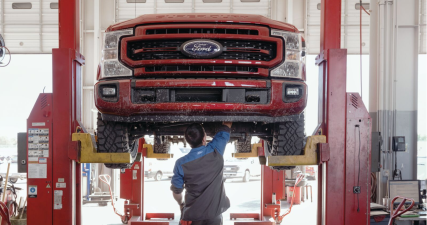
Credit: www.ford.com
Real-world Driving: Adjusting Your Schedule
Ford’s maintenance schedule is based on “normal” driving, but what if your habits are different? You may need more frequent service if you:
- Drive mostly in stop-and-go traffic
- Make many short trips (under 5 miles)
- Drive in extreme heat, cold, or dusty areas
- Tow trailers or carry heavy loads
- Idle for long periods
In these cases, follow the “severe duty” schedule in your manual. Many drivers don’t realize city driving can be tougher on cars than highway miles.
The Cost Of Skipping Maintenance
Delaying service can seem like a way to save money, but it usually costs more long term. Skipped oil changes can lead to engine failure. Ignoring brakes can damage rotors, turning a cheap fix into a big bill. In some cases, missing regular maintenance can void your Ford warranty.
A well-maintained Ford also keeps its resale value higher. Buyers and dealers check service records before making an offer.
Example: Ford F-150 Maintenance Schedule
Here’s how a typical maintenance plan looks for a popular model, the Ford F-150 (check your year and engine type for exact requirements):
| Mileage | Service |
|---|---|
| 7,500 | Oil & filter, tire rotation, brake inspection |
| 15,000 | Replace engine air filter, check belts/hoses |
| 30,000 | Replace cabin filter, inspect transmission fluid |
| 60,000 | Change spark plugs, replace coolant |
| 100,000 | Inspect timing chain, check all fluids |
Some F-150s used for towing or off-road driving may need even more frequent checks.
Keeping Track: Practical Tips For Ford Owners
- Use the FordPass App: Many new Fords connect with FordPass, which helps track your maintenance and sends reminders.
- Keep a Log: Record each service in your owner’s manual or a notebook. This helps with warranty claims and resale.
- Work With Certified Technicians: Ford dealers or certified shops know your vehicle best and use the right parts.
- Understand Your Warranty: Some services are covered during the warranty period. Don’t miss out due to late maintenance.
- Don’t Ignore Warning Lights: Dashboard warnings mean something needs attention right away.
Non-obvious Insights Most Owners Miss
- Mixing different coolant types can cause engine damage—always use the exact type Ford recommends.
- Short trips (less than 5 miles) never fully warm up the engine, which leads to faster oil breakdown and carbon buildup. If you mostly drive short distances, change oil more often.
- Transmission fluid may be labeled “lifetime,” but if you tow or drive in harsh conditions, changing it early can prevent costly repairs.
- Climate impacts maintenance. In humid areas, air filters and wipers may need more frequent replacement, while in dry, dusty regions, watch for faster tire and brake wear.
Choosing Where To Get Maintenance
There’s a common debate: dealer vs. independent shop. Dealers use Ford-approved parts and know your model inside out. Independent shops may offer lower prices but make sure they’re certified and familiar with Ford vehicles.
Always ask for a written estimate, keep your receipts, and make sure the correct parts and fluids are used. For more details on Ford maintenance, the official Ford Maintenance Schedule is a reliable source.

Credit: www.rosecityford.com
Frequently Asked Questions
How Often Should I Follow The Ford Maintenance Schedule?
Follow the schedule in your owner’s manual, usually every 5,000 to 7,500 miles for basic service. Adjust based on how you drive and your local climate.
Does Skipping Regular Maintenance Void My Ford Warranty?
Yes, missing required service can void parts of your warranty. Always keep records and do maintenance on time.
What’s The Difference Between “normal” And “severe” Maintenance Schedules?
“Normal” is for average driving. “Severe” applies if you tow, drive short trips, or face extreme weather. The severe schedule means more frequent service.
Can I Do Ford Maintenance Myself?
Some tasks like changing the air filter or wipers are easy for DIY. Others, like transmission service or brake work, are best left to professionals, especially for newer models with advanced systems.
How Do I Know If My Ford Needs Service Sooner Than The Schedule?
Watch for dashboard warning lights, strange noises, rough shifting, or changes in fuel economy. If you notice anything unusual, get your car checked right away.
Taking care of your Ford with a regular maintenance schedule is one of the smartest choices you can make. It protects your investment, keeps your car safe and reliable, and saves you money in the long run. With the right habits and attention to detail, your Ford can give you many years of trouble-free driving.
