
A car horn is a small device, but it plays a big role in road safety. Imagine driving through a busy intersection and your horn suddenly stops working. You lose a key way to signal your presence or warn others. Many drivers ignore horn maintenance until it fails, but with a little care, you can avoid problems and costly repairs. This article will guide you through everything about car horn maintenance and replacement—from how horns work, to recognizing problems, fixing them, and choosing the right new horn. Whether you’re a new driver or an experienced car owner, you’ll find practical advice and some insights that most people miss.
Understanding Car Horns
Before you start maintenance, it helps to know how a car horn works. Most cars use an electric horn, which includes a metal diaphragm and an electromagnet. When you press the horn button, electricity flows to the horn, causing the diaphragm to vibrate and create sound. Some older vehicles or trucks use air horns, which work with compressed air.
Typical horns last several years, but they are exposed to heat, moisture, and vibration. Over time, wires can corrode, the diaphragm can wear out, or the horn can lose its tone.
Signs Your Car Horn Needs Attention
Don’t wait until your horn is silent to check it. Here are some common warning signs:
1. Weak Or Muffled Sound
If your horn sounds softer than usual, it could be a wiring problem, weak battery, or a failing horn unit.
2. Intermittent Function
Sometimes the horn works, sometimes it doesn’t. This points to a loose connection or a faulty relay.
3. No Sound At All
Silence usually means a blown fuse, dead horn, or broken button.
4. Unusual Tone Or Pitch
If the horn’s tone changes, the diaphragm might be damaged.
Many drivers ignore these signals, thinking the issue is minor. However, a weak or faulty horn can be dangerous, especially in emergencies.
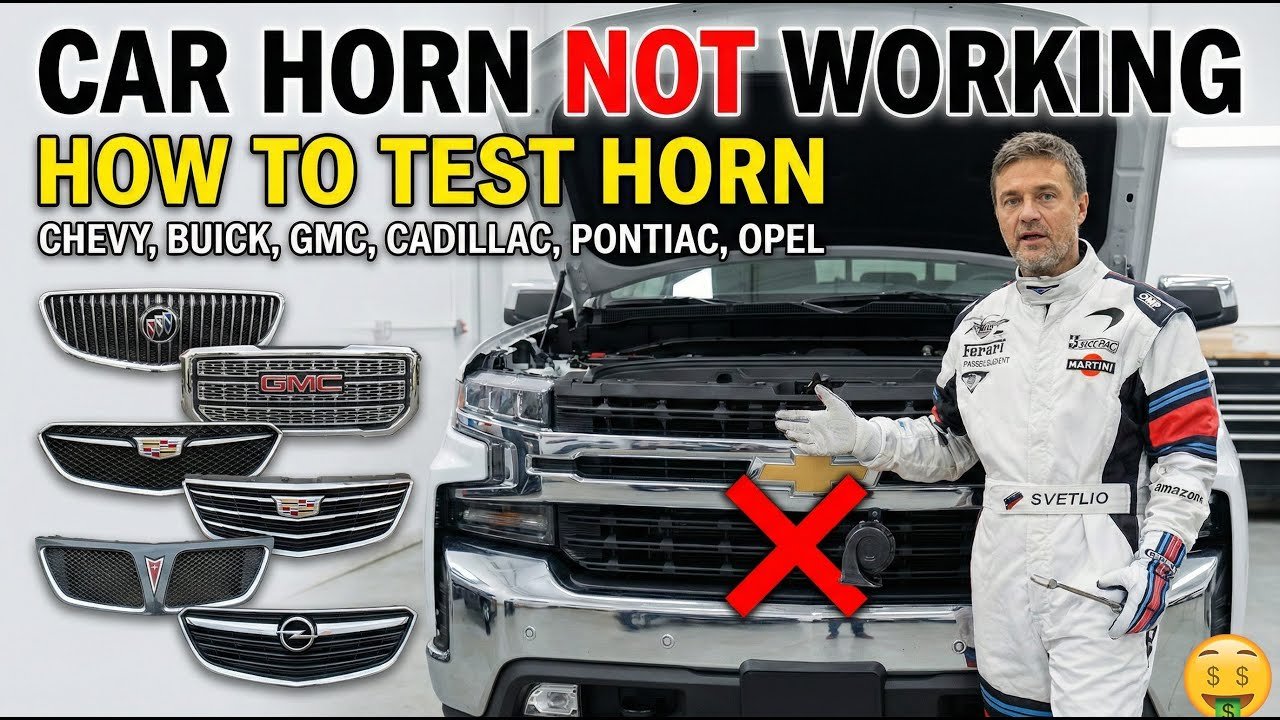
Credit: www.youtube.com
Why Car Horn Maintenance Matters
A functioning horn is an important safety communication device. Horn-use and inspection requirements vary by jurisdiction, so avoid assuming one universal legal rule or fine. If your horn is inoperative, check the requirements that apply where the vehicle is registered and driven, and repair the fault promptly.
Regular maintenance also protects your car’s electrical system. A failing horn can sometimes drain the battery or cause short circuits, leading to bigger problems.
Basic Car Horn Maintenance Steps
Caring for your car horn does not require advanced skills. Here’s what you should do:
1. Test Your Horn Monthly
Test the horn periodically in a safe setting and compare its operation with the vehicle owner’s manual. If the sound becomes weak, intermittent, or stops completely, diagnose the electrical circuit before replacing parts.
2. Check The Fuse
Your car’s manual will show the horn fuse location. Replace blown fuses with the same type.
3. Inspect Wiring And Connectors
Look for loose or corroded wires near the horn and steering wheel. Clean contacts with electrical cleaner if needed.
4. Clean The Horn Assembly
Road dirt, mud, or water can block the horn opening. Clean the area with a damp cloth.
5. Protect From Moisture
Use dielectric grease on connectors to prevent rust, especially in wet climates.
6. Check The Horn Relay
If the horn does not work but the fuse is intact, test the horn relay and control circuit using the vehicle’s wiring diagram and service procedure. Only substitute another relay if the manufacturer information confirms it is electrically and physically identical.
A Simple Maintenance Example
Let’s say your horn sounds weak after a rainstorm. Open your hood and check for water or dirt around the horn. Dry it with a cloth and apply some grease to the connectors. If the problem remains, check the fuse and relay. According to Consumer Reports, sticking to a regular maintenance schedule is one of the most effective ways to extend a vehicle’s life and preserve its resale value.
Troubleshooting Common Horn Problems
When your horn fails, you can save time and money by troubleshooting before visiting a mechanic. Follow these steps:
- No sound at all
- Check the fuse first. Replace if blown.
- Test the horn relay and control circuit using the correct wiring diagram. Swap relays only when service information confirms the replacement relay has the same specification and terminal layout.
- If the relay and fuse test correctly, verify power, ground, and horn-unit operation using the vehicle’s wiring diagram and suitable fused test equipment. Do not improvise an unfused direct-battery connection; if the circuit or test procedure is unclear, have a qualified technician diagnose it.
- Horn sounds weak or odd
- Ensure the battery is fully charged.
- Clean the horn’s ground wire and mounting point.
- Check for rust or corrosion.
- Horn works sometimes
- If horn operation changes with steering-wheel position, a steering-column control or clock-spring circuit may need diagnosis. Because the steering wheel can contain airbag/SRS components, do not disassemble that area without the exact service procedure and required safety precautions.
- Inspect the horn button and wiring for loose connections.
Real-world Data: Common Causes Of Horn Failure
Horn failures can come from several parts of the circuit. There is no reliable universal percentage for each cause, so diagnose the fuse, relay/control circuit, wiring, horn unit, and steering-wheel/SRS-related controls as applicable to the exact vehicle:
| Cause | Frequency | Repair Difficulty |
|---|---|---|
| Blown Fuse | Varies by vehicle and fault | Easy |
| Faulty Relay | Varies by vehicle and fault | Easy |
| Bad Wiring | Varies by vehicle and fault | Moderate |
| Worn Horn Unit | Varies by vehicle and fault | Easy-Moderate |
| Broken Clock Spring | Varies by vehicle and fault | Difficult |
This data shows that most horn issues are simple to fix. Only a small number involve complicated parts like the clock spring.
When And How To Replace Your Car Horn
If cleaning and basic checks do not restore normal sound, it’s time to replace your car horn. You can do this yourself with basic tools.
When Should You Replace The Horn?
- The horn is silent even after replacing the fuse and relay.
- The sound is weak or distorted, and cleaning has not helped.
- The horn assembly is physically damaged or corroded.
Choosing The Right Replacement Horn
When buying a new horn, consider these factors:
1. Type Of Horn
Most cars use electric disc or snail horns. Trucks and some SUVs use air horns.
2. Sound Level (decibels)
Horn output and legal sound limits vary by vehicle and jurisdiction. Choose a replacement that is compatible with the vehicle’s electrical system and mounting requirements, and check applicable local rules before installing a substantially different horn.
3. Voltage Compatibility
Electrical requirements vary by vehicle. Match the replacement horn to the exact vehicle’s voltage, current draw, connector or relay arrangement, and manufacturer specifications.
4. Mounting Style
Choose a horn that fits your car’s bracket and space.
Here is a quick comparison of common car horn types:
| Horn Type | Sound | Best For | Typical Cost (USD) |
|---|---|---|---|
| Disc Horn | Sharp, metallic | Compact cars | $10–$20 |
| Snail Horn | Loud, deep | Sedans, SUVs | $20–$40 |
| Air Horn | Very loud, trumpet-like | Trucks, buses | $30–$100 |
Tools Needed For Replacement
- Screwdriver (flat or Phillips)
- Wrench or socket set
- Electrical tape or connectors
- New horn unit
Step-by-step Horn Replacement
1. Disconnect The Car Battery
This prevents shocks or accidental horn blasts.
2. Find The Horn
Most horns are behind the front grille or near the radiator.
3. Remove The Old Horn
Unplug the wires and unscrew the horn from its bracket.
4. Install The New Horn
Bolt it in place, connect the wires, and make sure all connections are tight.
5. Test The New Horn
Reconnect the battery and press the horn button.
6. Secure Everything
Make sure the horn is not loose and wires are protected from water.
Practical Tips For A Smooth Replacement
- Take a picture of the old horn’s wiring before removal. This helps with reinstallation.
- Test the new horn before bolting it in place.
- Use waterproof connectors if you live in a rainy area.
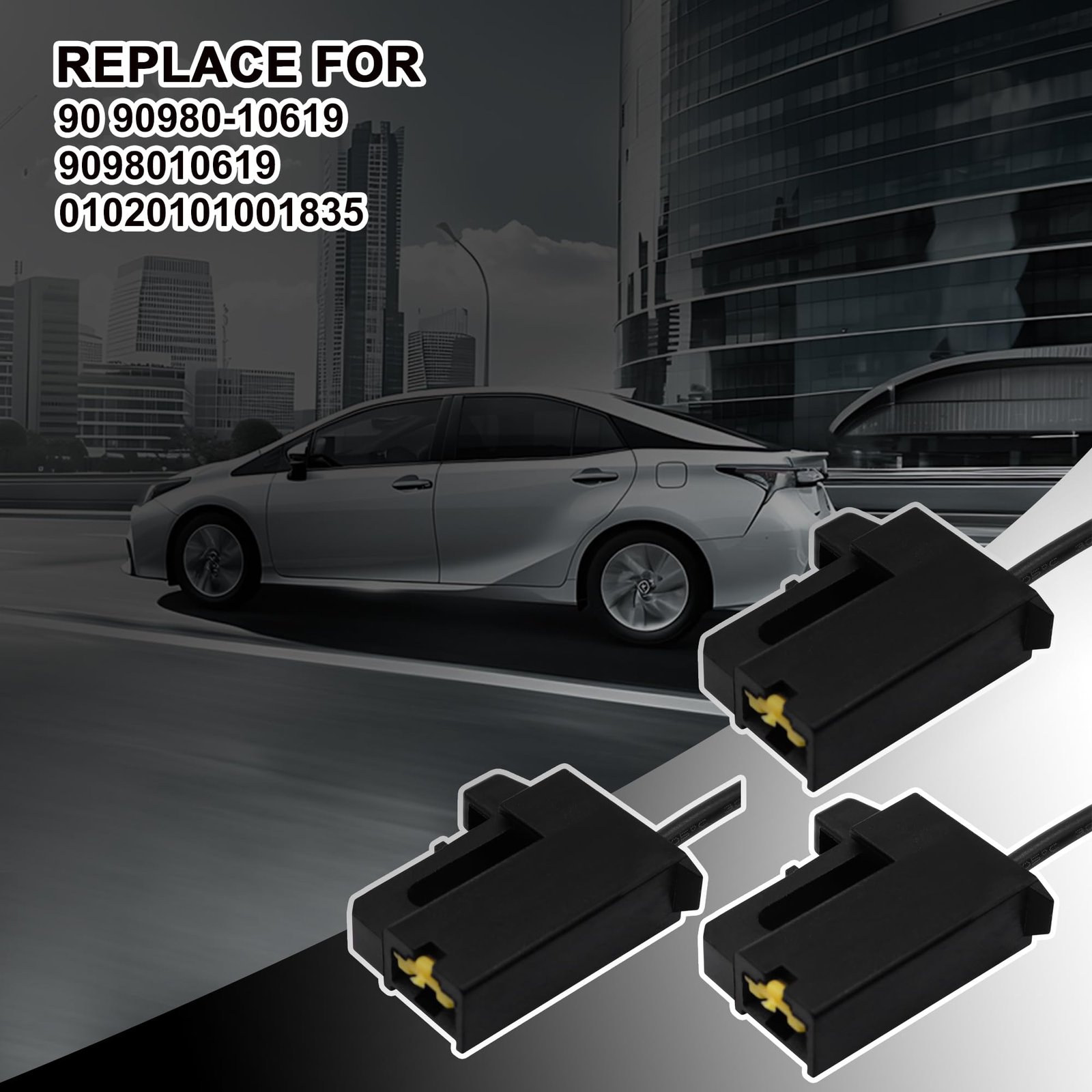
Credit: www.amazon.com
Mistakes To Avoid During Horn Maintenance
Many car owners make small mistakes that can lead to bigger issues:
1. Using The Wrong Fuse
Always use a fuse with the correct amperage. Too strong, and you risk electrical damage; too weak, and it will blow often.
2. Ignoring Corrosion
Rust or dirt on connectors blocks electricity. Clean contacts every time you check the horn.
3. Mounting The Horn Incorrectly
If the horn is loose or pointed toward the engine, the sound will be weak. Face it toward the grille for best results.
4. Forgetting The Relay
Replacing the horn won’t help if the relay is bad. Always test both.
How Regular Maintenance Extends Horn Life
With simple checks every few months, you can make your car horn last longer:
- Keep the horn area clean and dry.
- Spray electrical cleaner on contacts twice a year.
- Listen for changes in horn sound, especially after winter or rain.
- Check the horn if you have electrical problems elsewhere (such as lights dimming).
These habits prevent most horn failures and help you avoid emergencies.
How Horns Differ By Car Type
Not every vehicle uses the same horn. Here’s a quick comparison:
| Vehicle Type | Horn Type | Sound Level (dB) | Durability |
|---|---|---|---|
| Compact Car | Disc | 100–105 | Moderate |
| SUV | Snail | 105–110 | High |
| Truck/Bus | Air | 110–120 | Very High |
This table shows why you should choose a horn designed for your vehicle.
Useful Resources For Car Horn Care
If you want more technical details, wiring diagrams, or local laws about horn sound limits, check your car’s manual or visit the Wikipedia: Vehicle horn page.
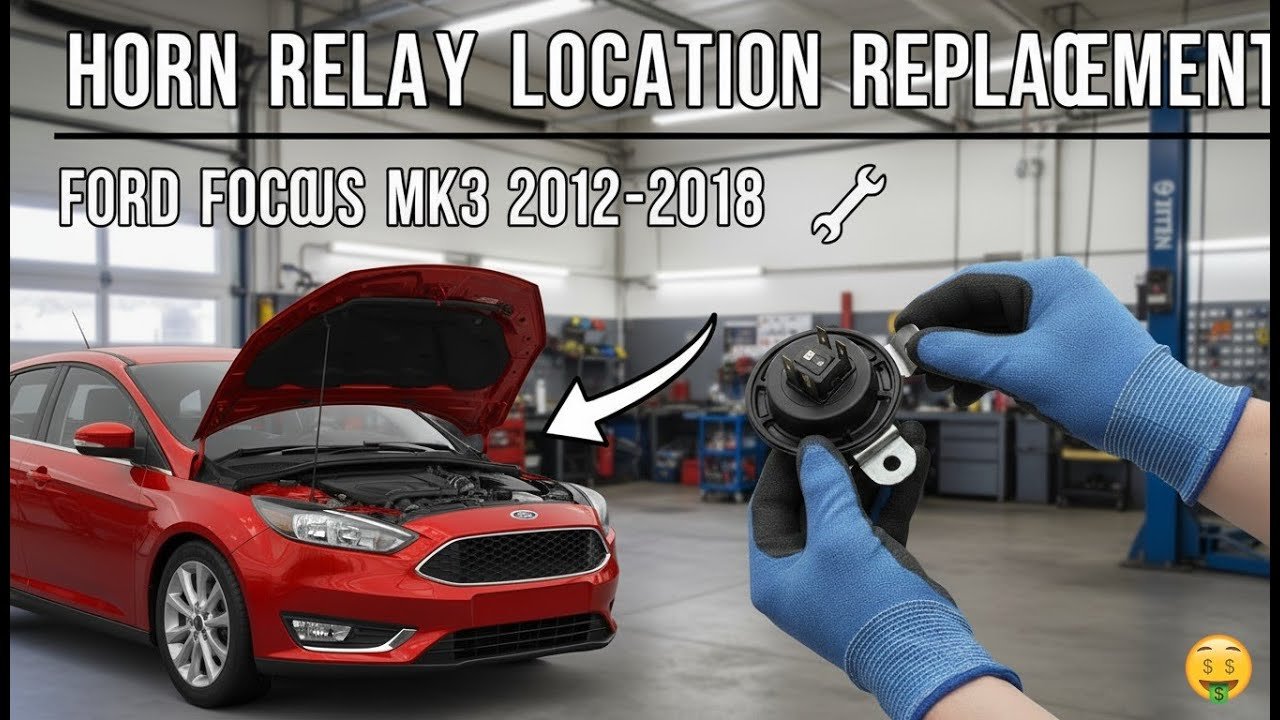
Credit: www.youtube.com
Frequently Asked Questions
How Long Does A Car Horn Usually Last?
There is no single replacement age for a car horn. Service life varies with horn design, mounting location, moisture, corrosion, vibration, electrical condition, and use. Replace the horn only after diagnosis confirms the horn unit itself is faulty or damaged.
Can I Install A Louder Horn Than My Original One?
Yes, but check your local laws first. Some countries and cities have limits on horn volume or sound type. Very loud horns can annoy neighbors or cause fines.
Why Does My Horn Sound Weak After Washing My Car?
Water might have entered the horn assembly or connectors. Let the area dry, then clean and check the connections. If the sound does not return to normal, some moisture may have damaged the diaphragm.
Is It Safe To Replace A Car Horn Myself?
Yes, if you follow safety steps. Always disconnect the battery first. If you are unsure about wiring or your car has airbags near the horn button, ask a mechanic for help.
What Should I Do If My Horn Gets Stuck On?
A stuck horn is usually caused by a short circuit, a bad relay, or a faulty button. Disconnect the battery to stop the sound, then inspect the relay and button for damage.
Keeping your car horn in good shape is easy, affordable, and important for safety. With these tips, you can handle most horn problems yourself and drive with confidence, knowing you can signal when it matters most.