
White smoke coming out of a car’s exhaust pipe can make any driver feel nervous. Is your engine in danger? Should you stop driving right away? Understanding white smoke from exhaust causes is important for both car owners and drivers. Sometimes, the smoke is nothing to worry about; other times, it can mean a serious problem that needs fast attention.
This article explains why white smoke appears, when it’s normal, and when you should be concerned. You’ll also learn how to identify problems, what actions to take, and get useful tips to keep your car running smoothly. Even if you’re not a car expert, you’ll find clear answers here.
What Does White Smoke From Exhaust Mean?
Seeing white smoke from the tailpipe can be alarming. But not all white smoke is a sign of trouble. It’s important to look at the amount of smoke, how long it lasts, and when it appears.
Normal White Smoke
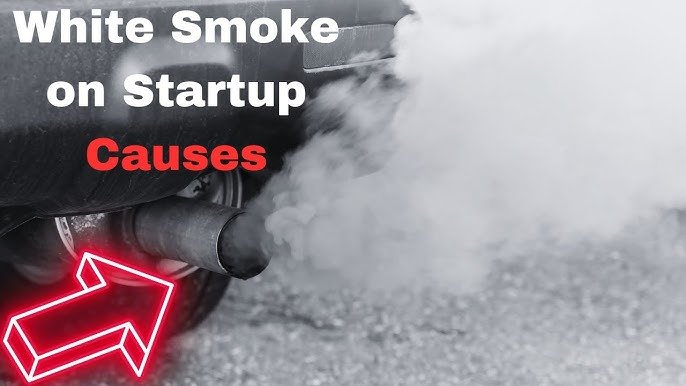
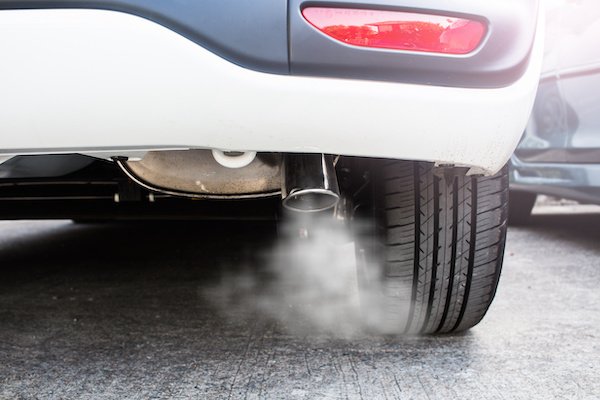
A small amount of thin, white smoke is usually just water vapor. You’ll notice this most often when starting a cold engine, especially on chilly mornings. As the engine warms up, this smoke should disappear in a few minutes. It happens because water condenses inside the exhaust system overnight and turns into steam when the engine heats up.
Abnormal White Smoke
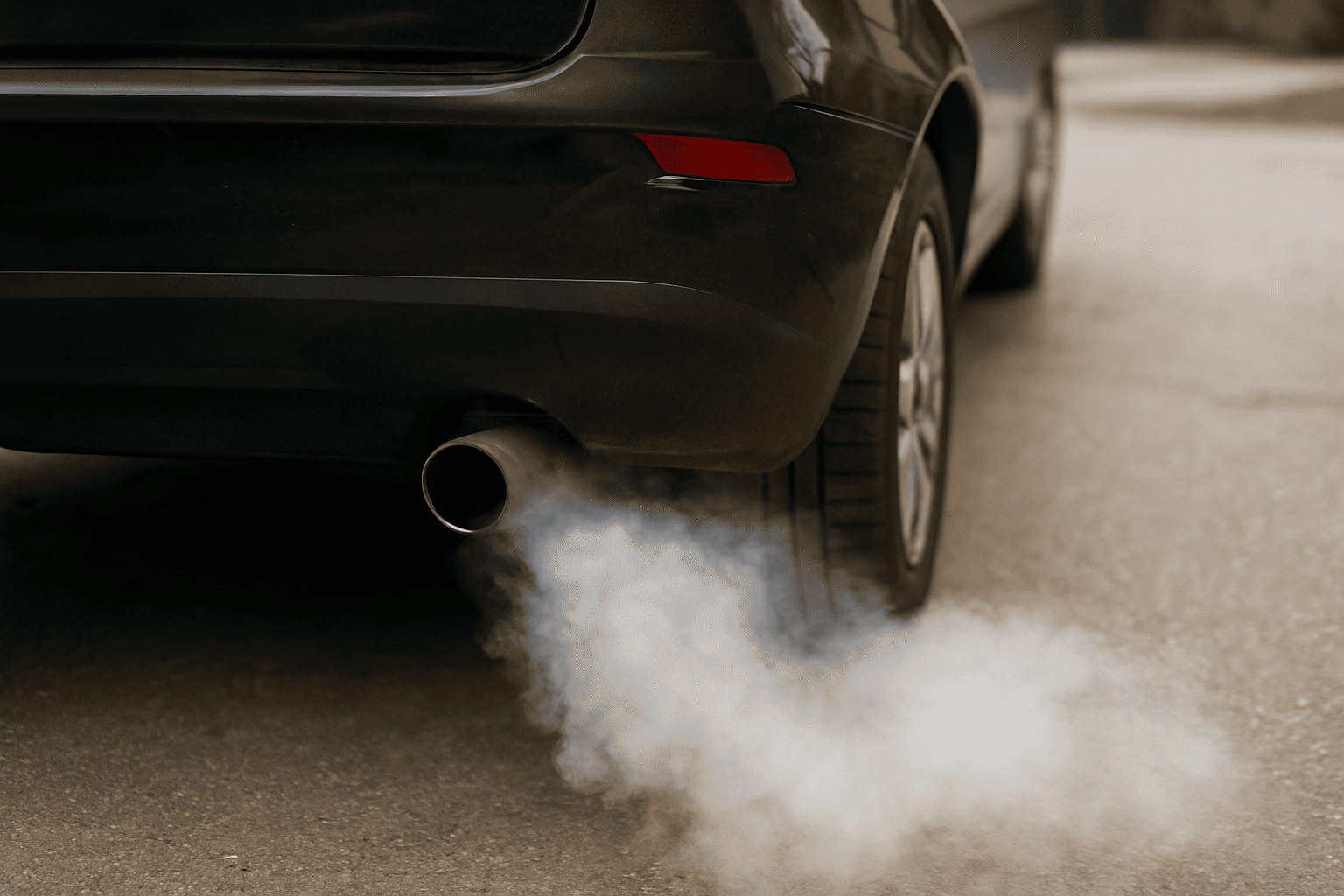
If you see thick, white smoke that continues after the engine is warm, or it gets worse as you drive, something could be wrong. Continuous white smoke can signal that coolant or other fluids are leaking into parts of the engine where they shouldn’t be.
Knowing the difference between normal and abnormal smoke helps you decide when to worry and when to relax.
Common Causes Of White Smoke From Exhaust
White smoke can have several causes. Some are simple and harmless, while others need quick action to prevent engine damage. Here are the most common reasons:
1. Condensation (water Vapor)
If you only notice white smoke for the first few minutes after starting your car, it’s likely just condensation. Overnight, moisture builds up in the exhaust. When you start the engine, the water turns to steam and comes out as white smoke. This is normal and not a sign of trouble.
2. Coolant Leak (blown Head Gasket)
One of the most serious causes is a coolant leak into the combustion chamber. This often means the head gasket is damaged. The head gasket seals the engine block and cylinder head, keeping oil, coolant, and air/fuel mixture separate. If it fails, coolant can enter the cylinders and burn along with fuel, creating thick, white smoke.
Other signs of a blown head gasket include:
- Engine overheating
- Loss of coolant (without visible leaks)
- Milky oil (oil that looks like coffee with cream)
- Poor engine performance
Ignoring a blown head gasket can ruin your engine. If you suspect this, see a mechanic immediately.
3. Cracked Engine Block Or Cylinder Head
A cracked engine block or cylinder head can also let coolant leak into the combustion chamber. This is less common than a head gasket problem but just as serious. In both cases, you’ll see steady white smoke, often with engine overheating or loss of power.
4. Faulty Fuel Injector (in Diesel Engines)
In diesel vehicles, a faulty fuel injector can cause white smoke. If the injector sprays too much or too little fuel, or the spray pattern is wrong, the engine can’t burn fuel properly. Unburned fuel creates thick, white or grayish smoke that smells strongly of diesel.
5. Transmission Fluid Leak (in Automatic Cars)
Some automatic vehicles use a vacuum modulator to control transmission pressure. If this part fails, transmission fluid can enter the intake system and burn in the engine. This produces white, bluish, or even gray smoke, often with a burning oil smell. This problem is rare but worth checking if you have an automatic transmission.
6. Faulty Turbocharger
Cars with turbochargers can develop white smoke if the turbo’s seals or bearings fail. This lets oil or coolant leak into the exhaust, creating visible smoke. Other signs include a whining noise, loss of power, or oil spots in the exhaust.
7. Engine Oil Leak
If engine oil leaks into the combustion chamber, it can burn and produce bluish-white smoke. This is different from pure white smoke but can sometimes look similar. Oil burning often smells sharp and causes spark plug fouling.
8. Incorrect Or Poor-quality Fuel
Using the wrong type of fuel or contaminated fuel can cause incomplete combustion. This may lead to white or gray smoke. Old diesel fuel is a common culprit, especially in cold weather.
9. Faulty Egr Cooler (in Some Diesels)
In some diesel vehicles, a faulty EGR (Exhaust Gas Recirculation) cooler can cause coolant to leak into the exhaust system. This creates thick white smoke, especially under load or at high speeds.
10. Engine Warm-up (in Cold Climates)
In very cold weather, even healthy engines may produce more white smoke during warm-up. This is still condensation, but it can last longer than usual. If it disappears after 5-10 minutes, there’s probably no problem.
Credit: www.youtube.com
How To Diagnose The Cause
Figuring out the reason for white smoke is important for your car’s health. Here’s how to narrow it down:
- When does the smoke appear?
- Only at start-up: Likely condensation.
- All the time: Possible coolant or oil leak.
- How thick is the smoke?
- Thin: Usually water vapor.
- Thick: More likely a problem.
- What does it smell like?
- Sweet smell: Burning coolant.
- Oily smell: Burning oil.
- Diesel odor: Unburned diesel fuel.
- Check fluid levels.
- Is coolant low, but there’s no visible leak?
- Is the engine oil milky or foamy?
- Is the transmission fluid lower than usual?
- Look for extra symptoms.
- Is the engine overheating?
- Is there loss of power?
- Are dashboard warning lights on?
If in doubt, get a professional mechanic to inspect the car.
Table: Key Differences Between Normal And Abnormal White Smoke
| Feature | Normal White Smoke | Abnormal White Smoke |
|---|---|---|
| Duration | 1-5 minutes after start | Continues after warm-up |
| Thickness | Thin, vapor-like | Thick, cloud-like |
| Smell | Odorless or steamy | Sweet, oily, or fuel smell |
| Other Symptoms | None | Overheating, loss of power, fluid loss |
What To Do If You See White Smoke
Don’t panic if you see white smoke, but don’t ignore it either. Here’s a step-by-step guide:
- Observe when and how the smoke appears. Make notes if it’s only at start-up or all the time.
- Check your fluid levels (coolant, oil, transmission fluid) at home if possible.
- Smell the smoke (if safe): Sweet means coolant; oily means oil.
- Look for warning signs on the dashboard.
- Drive carefully to a safe place if you notice loss of power, overheating, or unusual noises.
- Call a mechanic if the smoke doesn’t disappear after warm-up or is thick and smelly.
Table: Common Causes And How Urgent They Are
| Cause | Urgency | Possible Damage |
|---|---|---|
| Condensation | Not urgent | None |
| Blown Head Gasket | Very urgent | Engine failure |
| Cracked Block/Head | Very urgent | Engine failure |
| Faulty Injector (Diesel) | Urgent | Poor performance, damage |
| Oil Leak | Urgent | Spark plug fouling, engine wear |
| Transmission Fluid Leak | Urgent | Transmission damage |
| Wrong Fuel | Moderate | Engine misfire, poor running |
Credit: driveautocare.com
Non-obvious Insights Most Drivers Miss
Many people think all white smoke means a blown head gasket. But sometimes, a faulty PCV valve (Positive Crankcase Ventilation) can cause oil to enter the intake and make white or bluish smoke. Replacing a $10 valve might solve the issue, saving big repair costs.
Another common mistake is ignoring the smell of the smoke. The difference between a sweet smell (coolant) and an oily smell (engine oil) points to different problems. Most beginners overlook this simple test.
How To Prevent White Smoke Problems
You can’t always stop problems, but you can reduce the risk:
- Check coolant and oil levels regularly.
- Use good quality engine oil and coolant.
- Let the car warm up before driving hard, especially in cold weather.
- Service your vehicle on time. Old gaskets, hoses, and seals are more likely to fail.
- Address small leaks quickly. Don’t wait for them to get worse.
Table: Symptoms Checklist For Quick Self-diagnosis
| Symptom | Possible Cause | Should You Drive? |
|---|---|---|
| Thin smoke, goes away fast | Condensation | Yes, safe |
| Thick white smoke, sweet smell | Coolant leak | No, see mechanic |
| White/blue smoke, oily smell | Oil leak | Short distance only |
| White smoke, diesel smell | Bad injector | Visit mechanic soon |
| White smoke, burning oil smell | Transmission fluid leak | No, urgent repair |
When To See A Mechanic
If you’re unsure about the smoke, or if you notice low fluid levels, overheating, or any warning lights, it’s safest to see a professional. Some problems, like a blown head gasket, can ruin an engine quickly if ignored. Even if the car still runs, driving with a major leak can make repairs much more expensive.
Real-world Example
Consider a driver who saw thick white smoke after a long highway drive. At first, he thought it was just condensation. Later, he found the coolant was low but couldn’t see leaks under the car. After a week, the engine overheated and stopped running.
A mechanic found a blown head gasket, and the repair cost over $1,500. If he had checked the coolant and visited a mechanic sooner, the damage could have been much less.
External Resource
For more technical details about engine problems that cause white smoke, check the official Wikipedia Head Gasket article.
Credit: phoenixautonashville.com
Frequently Asked Questions
What Is The Most Common Cause Of White Smoke From The Exhaust?
The most common cause is condensation (water vapor) on cold starts. If the smoke is thick and keeps coming after warm-up, a coolant leak—often due to a blown head gasket—is likely.
Is It Safe To Drive With White Smoke Coming From The Exhaust?
If the smoke is thin and goes away fast, it’s usually safe. If the smoke is thick, continues, and is sweet-smelling, stop driving and get the car checked. Continuous white smoke can mean serious engine damage if ignored.
Can Bad Fuel Cause White Smoke From The Exhaust?
Yes, using contaminated or wrong fuel can cause white smoke, especially in diesel engines. The smoke usually smells like unburned fuel and may be grayish-white.
How Can I Tell If The White Smoke Is Coolant Or Just Water Vapor?
Water vapor is thin and disappears after a few minutes, often with no smell. Burning coolant produces thick, white smoke with a sweet smell, and may come with overheating or low coolant levels.
Does White Smoke Always Mean An Expensive Repair?
Not always. Sometimes it’s just condensation. But if the smoke is thick, continues after warm-up, or comes with other symptoms, repairs can be costly. Early action can prevent bigger problems.
White smoke from the exhaust is not always a disaster. Knowing the causes and acting quickly can save money and keep your car healthy. If in doubt, always get a professional opinion before things get worse.