
If you’re thinking about buying a Honda Civic, you’re not alone. For decades, the Civic has been known for reliability, fuel efficiency, and affordable maintenance. But like every car, some model years have their own issues. Understanding Honda Civic common problems by year can help you make a smart choice, avoid headaches, and save money in the long run.
People often focus only on price, looks, or mileage. But knowing the history of Civic problems can reveal much more: hidden repair costs, potential safety risks, or years to avoid. This guide will walk you through key Civic generations, highlight common problems for each, and share expert tips that most beginners miss.
Overview Of Honda Civic Generations
The Honda Civic has seen many changes since its launch in 1972. Each generation brought new designs, engines, and technology. Here’s a quick look at the main generations from 2000 onward, which are most relevant for buyers today:
| Generation | Years | Key Features |
|---|---|---|
| 7th Gen | 2001–2005 | Compact, first hybrid Civic, new suspension |
| 8th Gen | 2006–2011 | Sporty design, improved safety, bigger cabin |
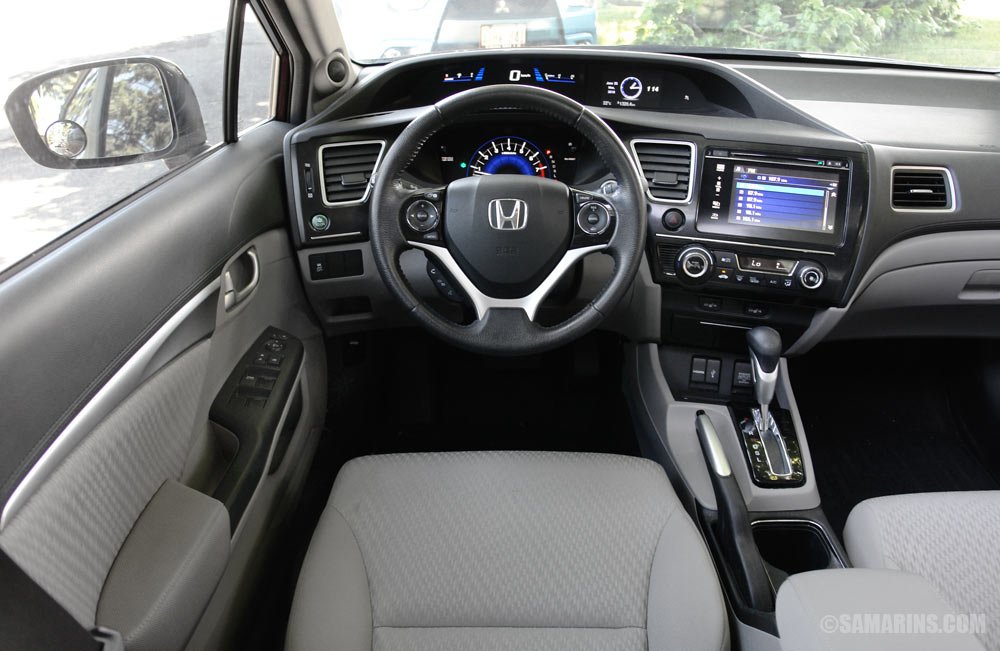
| 9th Gen | 2012–2015 | More comfort, better fuel economy, updated tech |
| 10th Gen | 2016–2021 | Turbos, new platform, advanced safety features |
| 11th Gen | 2022–present | Modern look, digital displays, improved handling |
While Civics are known for their long life and low running costs, some years are more trouble-free than others.
Common Problems By Honda Civic Year
Let’s break down Civic problems, year by year, so you know what to look for.
2001–2005 (seventh Generation)
Many buyers choose these years for their low price. But there are a few things to watch out for:
- Transmission failure: 2001–2003 Civics, especially the automatic, are known for transmission slipping or total failure. Repairs can be expensive—often $2,000 or more.
- Cracked engine blocks: Some 2006 models (overlapping into the next generation) have engine block cracks that cause coolant leaks and overheating.
- Airbag recalls: Takata airbag inflators are a major recall issue. Always check if repairs were done before buying.
A non-obvious detail: Many people skip the cabin air filter. A clogged filter can cause poor AC performance and window fogging.
2006–2011 (eighth Generation)
These years improved on reliability, but some problems remain:
- Engine block cracking: Most common in 2006–2009 Civics. This leads to coolant leaks and overheating. Honda did extend the warranty for some cars, but repairs can still be costly.
- Paint peeling: Many owners report clear coat failure, especially on darker colors and in sunny climates.
- Premature brake wear: Front brake pads often wear out faster than expected, sometimes under 30,000 miles.
- Sun visor failure: Visors can droop or break, which is annoying but cheap to fix.
Pro tip: Always check the coolant level and look for white stains around the engine—signs of a block crack.
2012–2015 (ninth Generation)
These Civics are generally reliable, but a few issues stand out:
- Poor interior quality: 2012 models especially have hard plastics that scratch easily and rattling noises.
- CVT transmission problems: Some 2014–2015 models with the CVT have shuddering or hesitation on acceleration.
- Starter motor failures: 2012–2013 Civics sometimes need a new starter sooner than expected.
- A/C system leaks: Owners report leaks and weak cooling, often traced to the compressor or condenser.
A detail many miss: The ECON mode can make the car feel sluggish. Test drive with and without ECON to feel the difference.
2016–2021 (tenth Generation)
This generation brought turbo engines and more features, but also new problems:
- 1.5L turbo “oil dilution”: In cold climates, fuel can mix with oil, leading to engine wear. Most common in 2016–2018 models. Honda issued service bulletins but didn’t recall all cars.
- A/C condenser failure: Sudden loss of cold air is common. Repairs can cost $800 or more.
- Infotainment system glitches: Touchscreen freezes, Bluetooth disconnects, and backup camera issues are reported.
- Sensing/ADAS errors: Some 2016–2017 Civics show false warnings from the collision or lane-keeping system.
What many overlook: Regular oil changes are even more important for turbo Civics. Skipping them can make oil dilution much worse.
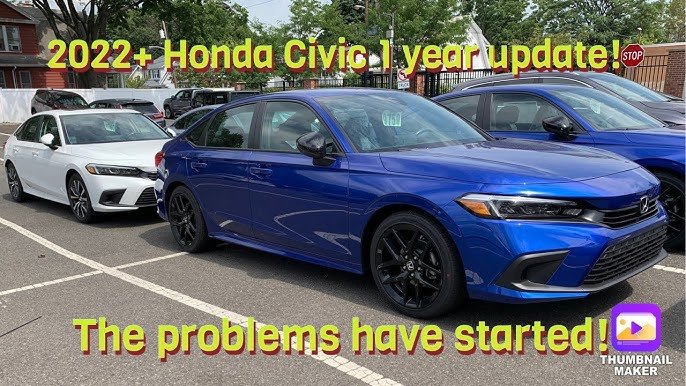
2022–present (eleventh Generation)
Still new, but early reports highlight:
- Electronic gremlins: Random warning lights, especially related to safety systems.
- Wireless charging problems: The pad sometimes overheats or does not charge phones.
- Paint quality: Some owners notice thin paint that chips easily.
A hidden tip: Update the car’s software regularly at the dealer to fix many early bugs.
Credit: www.youtube.com
Honda Civic Problem Comparison By Year
To help you spot patterns, here’s a summary of main Civic problems across recent years:
| Year Range | Main Problems | Severity (1-5) |
|---|---|---|
| 2001–2005 | Transmission, airbags, engine block | 4 |
| 2006–2011 | Engine block, paint, brakes | 3 |
| 2012–2015 | Interior, starter, CVT, A/C | 2 |
| 2016–2021 | Oil dilution, A/C, infotainment | 3 |
| 2022–present | Electronics, paint | 2 |
Severity is based on repair cost, frequency, and effect on safety.
What To Watch For When Buying A Used Civic
Most buyers focus on mileage or number of owners, but that’s not enough. Here’s what really matters:
- Recall history: Check if recalls (like airbags or engines) were fixed. Ask for service records.
- Transmission behavior: Always test drive. Notice any hesitation, slipping, or delays in shifting.
- A/C performance: Run the air conditioner at max for at least 5 minutes. Weak cooling or strange noises are warning signs.
- Paint and body: Look for faded or peeling paint, especially on the roof and trunk.
- Warning lights: Make sure all dash lights turn on and then go off at startup. Persistent lights mean trouble.
A beginner mistake: Skipping a pre-purchase inspection by a mechanic. This small investment can save thousands in unexpected repairs.
Why Some Years Are Better (or Worse)
Not every Civic year is equal. Here’s why:
- Design changes: Major redesigns (like 2006, 2012, 2016) bring new tech, but also new problems. First-year models often have more recalls and bugs.
- Supplier issues: Some years (like 2001–2003) had part shortages, leading to weaker transmissions or airbag problems.
- Climate and care: Cars in hot, sunny states often have more paint and plastic failures. Cold climates can worsen oil dilution.
A key insight: Civics from the middle or end of a generation (for example, 2009–2011 or 2019–2021) are usually more reliable, since most early problems are fixed by then.
How To Minimize Honda Civic Problems
Even if you already own a Civic, you can make it last longer and avoid big repairs:
- Change oil on time: Especially for turbo models, use the right oil and change it often.
- Update software: Ask your dealer about the latest software updates for electronics and safety systems.
- Protect paint: Use wax or ceramic coating, especially if you park outside.
- Service the A/C: Fix small leaks early to prevent full compressor failure.
- Use OEM parts: Cheaper parts can cause more problems, especially for brakes and sensors.
Many owners forget: The CVT transmission needs fluid changes, even if Honda says it’s “lifetime.” Fresh fluid is cheap insurance.

Credit: www.cartalk.com
How Honda Civic Problems Compare To Competitors
If you’re deciding between a Civic and other compact cars, here’s a quick comparison:
| Car Model | Common Issues | Average Repair Cost |
|---|---|---|
| Honda Civic | Transmission, A/C, oil dilution | $350/year |
| Toyota Corolla | Water pump, CVT “rubber band” feel | $310/year |
| Mazda3 | Rust, infotainment glitches | $400/year |
| Hyundai Elantra | Engine noise, transmission slips | $380/year |
Civic repair costs are average, but problems like transmission failure or oil dilution can be expensive if ignored.
Non-obvious Tips For Honda Civic Owners
- Check for service bulletins: Not all fixes are recalls. Some are “silent” extended warranties—ask your dealer or look up your VIN.
- Listen for clicks and rattles: Small noises from the dashboard or doors can point to loose clips, which are easy to fix but hard to find.
Most new buyers miss: The battery in newer Civics is small to save weight. Replace it every 3–4 years, even if it still starts, to avoid sudden failures.
Credit: www.samarins.com
Frequently Asked Questions
Is The Honda Civic A Reliable Car Overall?
Yes, the Honda Civic is generally reliable, especially compared to other compact cars. However, some years (like 2001–2003 for transmissions, or 2016–2018 for oil dilution) have more issues. Regular maintenance helps prevent most big problems.
Which Honda Civic Years Should I Avoid?
It’s best to avoid 2001–2003 (automatic transmission failures), 2006–2009 (engine block cracks), and 2016–2018 (1.5L turbo oil dilution). Later years in each generation tend to be more reliable.
How Can I Check If A Civic Has Open Recalls?
Visit the official NHTSA recall website or ask a Honda dealer. You’ll need the car’s VIN to see if all recalls (like airbags or engines) have been fixed. For more details, you can check NHTSA Recalls.
What Is Honda’s “oil Dilution” Problem?
In 2016–2018 Civics with the 1. 5L turbo, cold weather can cause fuel to mix with engine oil. This can lead to engine wear or damage if ignored. Changing oil more often and updating the software helps reduce the risk.
Does The Honda Civic Hold Its Value?
Yes. The Honda Civic has strong resale value due to its reputation for reliability and low running costs. But cars with major problems or open recalls can lose value quickly.
Honda Civic models are popular for good reason, but knowing common problems by year can help you buy or own with more confidence. With regular care and a smart buying strategy, your Civic can give you years of dependable service.