
If you drive a car every day, you know its sounds and feelings. But sometimes, you notice a strange noise when you go over bumps. This car suspension noise can make you worry. Is it a big problem? Will it get worse? Many drivers ignore these noises, hoping they go away. But suspension sounds often mean something is wrong. If you fix the issue early, you can avoid bigger repairs and make your car safer.
This article will help you understand why your car makes noise over bumps, what types of sounds to listen for, and how to identify the cause. You’ll also learn the dangers of ignoring suspension noise, how to check your car, and when to see a mechanic.
If you’re a beginner, don’t worry. The guide uses clear language and real examples so you can feel confident about your car.
What Is Car Suspension Noise?
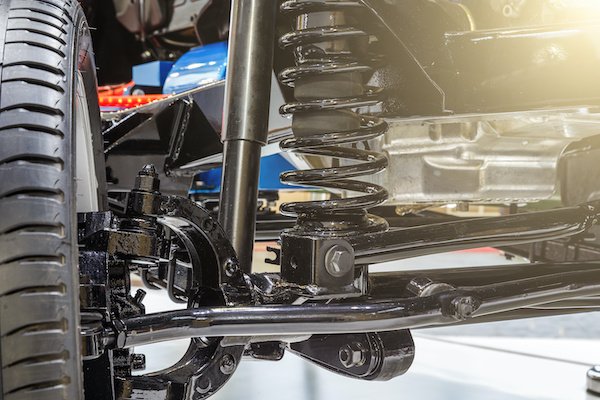
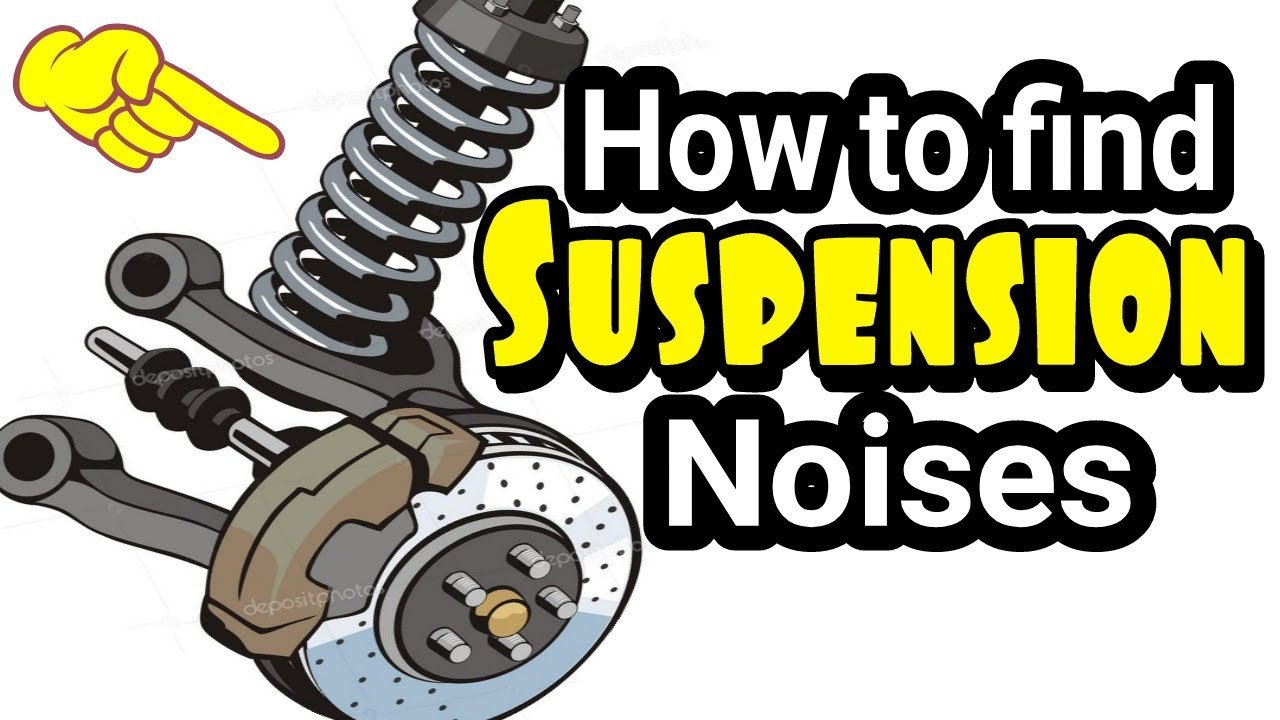
The car suspension connects your wheels to the body. It includes parts like shock absorbers, struts, springs, and control arms. Its main job is to keep your ride smooth, stable, and safe. When these parts wear out or break, you may hear noises, especially over bumps.
Suspension noise is usually a clunk, rattle, squeak, or knock. Each sound means something different. These noises are often louder when you drive on rough roads, speed bumps, or potholes.
Not every noise comes from the suspension. Sometimes, it’s the exhaust or the brakes. But if the sound happens mainly over bumps, it’s likely the suspension.
Why Do Cars Make Noise Over Bumps?
When your car goes over a bump, the wheels move up and down quickly. The suspension system absorbs this movement. If any part is loose, worn, or broken, it can make noise. Here are the main reasons:
- Worn bushings: These rubber parts cushion metal joints. If they crack or dry out, metal parts hit each other, making noise.
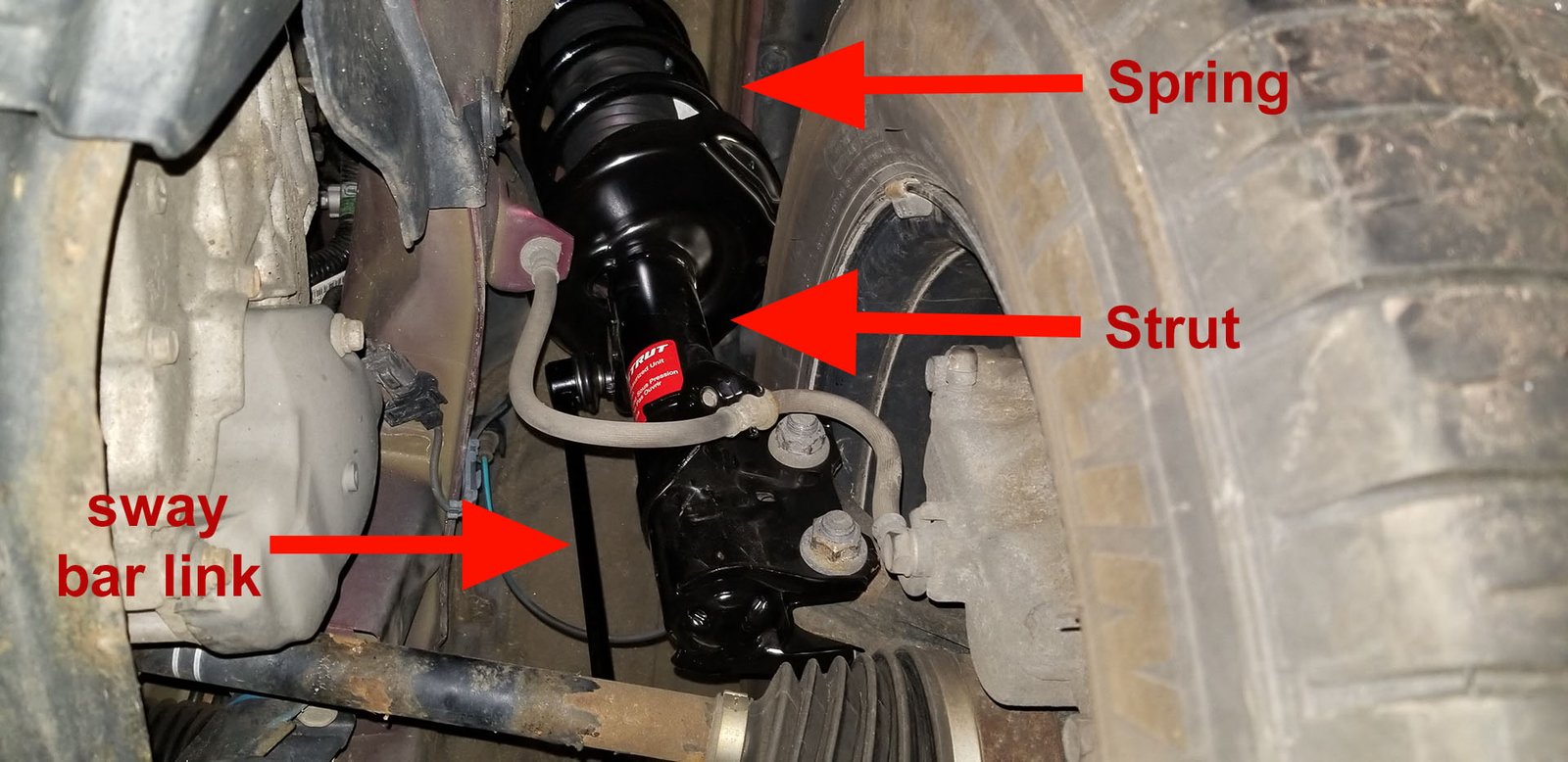
- Damaged shock absorbers/struts: These parts dampen the movement. If they leak or break, you may hear clunking or banging.
- Loose control arms: These connect wheels to the car. If bolts loosen, you hear knocking sounds.
- Broken springs: Springs hold up the car. If they crack or break, they rattle or bang.
- Ball joint wear: Ball joints let wheels move smoothly. When they wear out, you hear clunks or squeaks.
- Sway bar links: These stabilize the car. If they are loose, you hear rattling.
- Mounting hardware failure: If nuts and bolts are loose, you hear vibration sounds.
Sometimes, the noise is from the trunk, spare tire, or something inside the cabin. But true suspension noise will be felt and heard near the wheels.
Credit: completecarcare318.com
Common Types Of Suspension Noise
Different noises point to different problems. Listen carefully, and try to describe the sound. Here are the most common types:
Clunking
A clunk is a heavy, dull sound. It often happens when you drive over a pothole or speed bump. Clunking usually means a loose or broken suspension part, like a control arm or ball joint.
Rattling
A rattle is a fast, light sound, like shaking a box of screws. Rattling often comes from loose sway bar links, worn bushings, or something shaking inside the wheel well.
Squeaking
A squeak is a high-pitched sound. It happens when rubber bushings dry out or metal rubs against metal. Squeaks are common in older cars or in dry weather.
Knocking
A knock is similar to a clunk but sharper. It can mean a broken spring or a failing shock absorber. Knocking usually gets worse over bigger bumps.
Banging
A bang is loud and sudden. This can mean a part broke completely, like a snapped spring or bolt. If you hear banging, stop driving and check your car.
How To Identify Suspension Noise
Finding the source of the noise takes patience. Here’s how you can check:
- Drive slowly over bumps: Listen for the sound. Try to notice which wheel or side it comes from.
- Check the suspension visually: Park your car. Look at each wheel. Check for broken, bent, or rusty parts.
- Push down on the car: Stand by each corner. Push down hard and let go. Listen for squeaks or clunks.
- Inspect under the car: Use a flashlight. Look for leaking shocks, worn bushings, or loose bolts.
- Check the trunk and cabin: Remove loose items. Make sure spare tire and tools are tight.
- Ask a friend to help: One person can push on the car while another listens near the wheels.
If you don’t find anything obvious, the noise may be inside the suspension. Mechanics use special tools to check hidden parts.
Most Common Causes Of Suspension Noise Over Bumps
Some problems are more frequent than others. Here are the top causes and how they compare:
| Suspension Part | Typical Noise | How Often | Repair Cost (USD) |
|---|---|---|---|
| Bushings | Squeak, rattle | Very common | 50-200 |
| Shock Absorbers/Struts | Clunk, knock | Common | 150-400 |
| Ball Joints | Clunk | Common | 100-250 |
| Control Arms | Knock, bang | Less common | 200-500 |
| Sway Bar Links | Rattle | Common | 50-150 |
| Springs | Bang, knock | Rare | 150-300 |
Many beginner drivers miss the fact that bushings are cheap to fix but cause annoying noises. Also, shock absorbers often leak silently before making noise. These small clues can help you spot trouble early.
Dangers Of Ignoring Suspension Noise
Suspension noises are more than annoying. If you ignore them, your car can become unsafe. Here’s why:
- Reduced control: Worn suspension parts can make your car feel loose or unstable, especially when turning or braking.
- Tire wear: Broken parts can cause uneven tire wear, costing more in the long run.
- Accident risk: If a suspension part breaks while driving, you may lose control.
- Higher repair costs: Small issues get bigger and more expensive if ignored.
Many drivers think noisy suspension is just a comfort problem. But it can lead to dangerous situations. Fixing it early is always best.
How To Fix Car Suspension Noise
Repairing suspension noise depends on the cause. Here are the main steps:
- Check and tighten: Sometimes, tightening bolts or nuts is enough. This costs little and solves minor rattles.
- Replace bushings: Old bushings are easy to replace. Good mechanics can do this quickly.
- Change shock absorbers/struts: If these leak or break, replace them. Always do both sides for balance.
- Swap out sway bar links: These are cheap and quick to replace.
- Fix ball joints or control arms: These repairs are more complex and cost more.
- Replace springs: If springs break, you must replace them. This is rare but important.
Here’s a quick comparison of repair difficulty:
| Repair Type | Skill Needed | Time Required |
|---|---|---|
| Tighten bolts | Beginner | 30 min |
| Replace bushings | Beginner/Intermediate | 1-2 hrs |
| Shock/strut change | Intermediate | 2-3 hrs |
| Ball joint/control arm | Advanced | 2-4 hrs |
| Spring replacement | Advanced | 2-3 hrs |
If you’re not confident, always ask a mechanic. Suspension repairs need safety and the right tools.
Practical Tips For Preventing Suspension Noise
You can avoid many suspension noises by caring for your car:
- Check suspension parts yearly: Look for wear, rust, or leaks.
- Avoid potholes: Driving carefully reduces damage.
- Wash undercarriage: Salt and dirt cause rust.
- Replace bushings and shocks regularly: Every 50,000 miles is a good rule.
- Listen to your car: New noises mean new problems.
- Don’t overload your car: Too much weight damages suspension.
A non-obvious tip: many noises start after hitting a big bump. If you remember the event, tell your mechanic. It helps them find the problem faster.
Credit: www.youtube.com
When Should You See A Mechanic?
If you hear loud or new suspension noises, see a mechanic soon. You should also get help if:
- The car feels unstable or bounces too much.
- You see leaking fluid under the wheels.
- Tires wear unevenly.
- The steering feels loose or pulls to one side.
- You can’t find the cause yourself.
Mechanics can use special tools to test each part. They may also use lifts to see parts you can’t reach.
Real-life Example: Suspension Noise Diagnosis
Let’s look at a common situation. A driver hears a rattle over bumps. The car is three years old. After checking, the driver sees nothing loose in the cabin. They push down on the car, and it squeaks. The mechanic inspects the bushings and finds they are cracked.
The repair costs $120 and takes one hour. After the fix, the car is quiet again. This shows how a simple check and repair solves a noisy suspension.
Credit: hometowneautorepairandtireofwoodbridge.com
How Suspension Noise Differs By Car Model
Not all cars have the same suspension design. Some cars have independent suspension, while others use solid axles. Luxury cars have more rubber bushings, which can dry out faster. Trucks often have stronger springs and fewer bushings.
Here’s a comparison:
| Car Type | Common Noise | Main Cause |
|---|---|---|
| Sedan | Squeak, rattle | Bushing wear |
| SUV | Clunk, knock | Shock absorber |
| Truck | Bang | Broken spring |
| Luxury car | Squeak | Dried bushings |
Knowing your car type helps you guess the most likely cause.
Frequently Asked Questions
Why Does My Car Make Noise Only When Going Over Bumps?
Suspension noises usually happen over bumps because the parts are moving quickly and hitting each other. If a part is loose or worn, it makes noise only when stressed by a bump.
Is It Safe To Drive With Suspension Noise?
Driving with mild suspension noise is possible, but it can become dangerous. If the noise is loud, or if the car feels unstable, stop driving and get it checked.
How Much Does It Cost To Fix Suspension Noise?
The cost depends on the cause. Replacing bushings or sway bar links is cheap ($50-$200). Shock absorbers and control arms are more expensive ($150-$500). Always ask for a quote first.
Can I Fix Suspension Noise Myself?
Some repairs, like tightening bolts or replacing sway bar links, are easy for beginners. Others, like changing shocks or control arms, need special tools and skill. If unsure, see a mechanic.
What Is The Best Way To Prevent Suspension Noise?
Regular checks and careful driving help most. Avoid potholes, wash the undercarriage, and replace parts as they wear out.
If you want deeper details about suspension systems, you can read more at Wikipedia.
Car suspension noise over bumps is a sign your car needs attention. By listening, checking, and repairing early, you keep your car safe, comfortable, and reliable. Don’t ignore the sounds—your car is telling you something important.