
Tire bulges or bubbles are a common but serious issue that can surprise many drivers. You might first notice a strange bump on the side of your tire, or maybe you feel a wobble as you drive. While it’s tempting to ignore a small bubble, this problem signals a deeper safety risk.
A tire bulge can cause a sudden blowout, putting you and others at risk on the road. To stay safe, it’s important to know what causes tire bulges, how to recognize them, and what you should do if you find one.
This guide explores the main causes of tire bulges, how to prevent them, and why immediate action matters.
What Is A Tire Bulge Or Bubble?
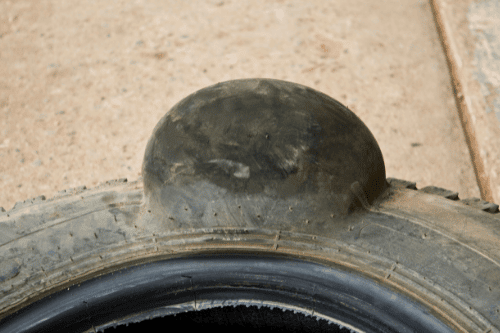
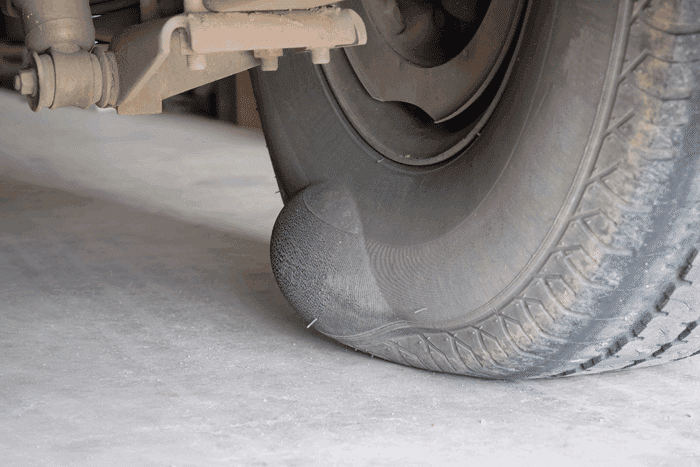
A tire bulge (sometimes called a bubble) is a raised area on the tire’s sidewall or tread. It looks like a swelling or blister, often easy to see or feel. This happens when the inner layers of the tire get damaged, letting air push out against the weakened spot. A bulge is not just a cosmetic issue—it means the tire’s structure is compromised. The weakened area can burst without warning, especially at high speeds.
Main Causes Of Tire Bulge Bubbles
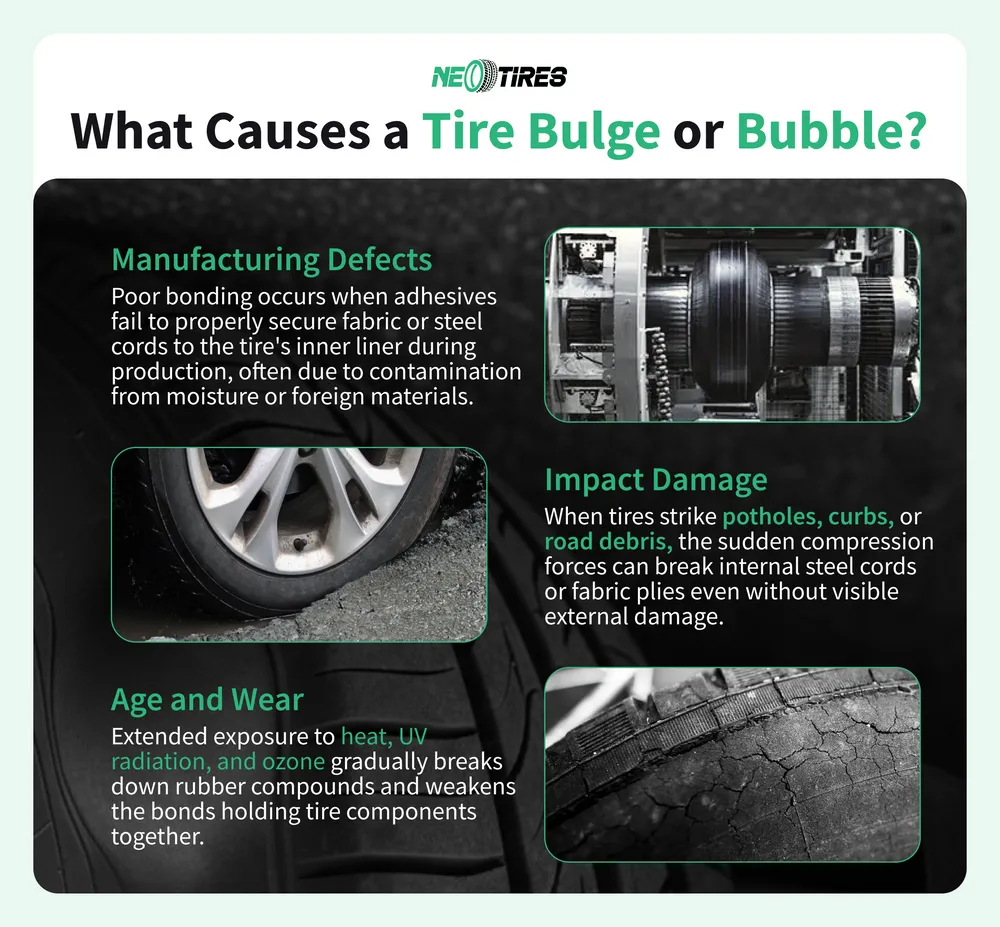
Understanding what causes tire bulges helps you avoid them in the future. Most bulges are the result of physical damage or manufacturing issues. Let’s explore the main causes in detail:
1. Impact Damage
The most common cause of a tire bulge is hitting an object hard. This might happen when you:
- Hit a pothole
- Drive over a curb
- Hit a speed bump too fast
- Strike debris on the road
When your tire hits something, the force can crush the tire against the rim. This can cut or break the tire’s internal cords or belts, especially in the sidewall. Once these layers break, air seeps through and forms a bulge.
The sidewall is more likely to bulge than the tread, as it’s thinner and more flexible.
Example:
A driver hits a deep pothole at 40 mph. The tire’s sidewall gets pinched between the pothole’s edge and the rim, damaging the inner layers. A week later, a bubble appears on the sidewall.
2. Manufacturing Defects
Sometimes, a tire bulge is not the driver’s fault. Manufacturing defects can cause the layers inside the tire to separate or be poorly bonded during production. Over time, normal driving can make these weak spots swell and form a bubble. Most manufacturers have strict quality control, but defects can still happen. If you notice a bulge soon after buying new tires, it might be a factory issue. In these cases, the tire may be covered under warranty.
3. Under-inflation
Driving with under-inflated tires increases the risk of a bulge. When a tire has low air pressure, more of its surface touches the road, causing extra flexing and heat. This weakens the sidewall over time, making it easier for the internal layers to break. Even a small leak can lower pressure enough to damage your tire if ignored for weeks or months.
Non-obvious Insight:
Many drivers check tire pressure only when the warning light appears. However, pressure drops slowly with temperature changes or small leaks, so manual checks with a gauge are important every few weeks.
4. Overloading
Every tire has a load rating. Carrying more weight than the tire can handle puts stress on the structure, especially the sidewall. Overloading is common when moving heavy cargo, towing, or packing a car for vacation. The extra weight can stretch the cords inside the tire, leading to separation and eventually a bulge.
Example:
A small car rated for 900 lbs of cargo is loaded with 1,200 lbs for a trip. The tires flex more than designed, and after several hours, a bubble forms on one sidewall.
5. Hitting Road Hazards At High Speed
Speed increases the force of any impact. Striking a pothole or curb at higher speeds is far more likely to cause internal tire damage than at low speeds. This is why highway driving can be riskier for tire bulges, especially on poorly maintained roads.
6. Age And Wear
Even if you avoid damage, old tires become weaker with age. Rubber loses flexibility, and the internal bonds degrade. Small cracks can develop inside, letting air escape to the outer layers. Bulges are more likely in tires that are over six years old, even if the tread still looks good.
Data Table: Age And Tire Bulge Risk
| Tire Age | Risk of Bulge | Recommended Action |
|---|---|---|
| 0-3 years | Low | Monitor regularly |
| 4-6 years | Medium | Inspect often |
| 7+ years | High | Replace tire |
7. Poor Road Conditions
Roads full of potholes, rocks, or uneven surfaces increase the risk of bulges. Even if you drive carefully, repeated minor impacts can add up. This is why city drivers or those in rural areas often find more bulges than those on smooth highways.
8. Improper Tire Mounting
Installing a tire incorrectly can pinch the inner layers or stretch them unevenly. If the mounting machine grabs the sidewall too tightly or the bead isn’t seated right, internal damage can happen. Sometimes, a bulge shows up days or weeks after installation.
9. Previous Tire Repairs
If a tire was fixed after a puncture, especially near the sidewall, the repair area is weaker. Some shops try to patch sidewall damage, but this is not safe or recommended. A repaired area can give way, causing a bubble to form.
10. Extreme Temperatures
Very hot or cold weather affects tire rubber and air pressure. High heat makes the rubber softer and can cause weak spots to expand faster. Cold weather lowers pressure, increasing the risk of under-inflation and flexing damage.
Credit: bockauto.com
How To Identify A Tire Bulge
Spotting a bulge early can prevent a blowout. Here’s what to look for:
- Visible bump: A bubble or lump on the sidewall or tread, often the size of a golf ball or larger.
- Wobbling feeling: The car may shake or vibrate, especially at certain speeds.
- Noisy ride: You may hear a rhythmic thumping sound.
- Uneven wear: The area around the bulge can show extra wear or cracks.
Data Table: Common Bulge Locations And Warning Signs
| Bulge Location | Warning Signs | Risk Level |
|---|---|---|
| Sidewall | Visible bump, vibration | High |
| Tread | Lump, thumping noise | Medium |
| Bead Area | Hard to see, slow leak | High |
Why Tire Bulges Are Dangerous
A bulge means the tire’s inner structure is broken. The weak spot can burst without warning, especially at highway speeds. A blowout causes sudden loss of control, which can lead to accidents. Even a small bulge can fail after hitting a bump or during hard braking.
That’s why experts say never drive on a tire with a bulge—replace it immediately.
What To Do If You Find A Tire Bulge
If you notice a bulge:
- Stop driving as soon as it is safe to do so.
- Inspect all tires, not just the one with the bubble.
- Do not repair the bulge—replacement is the only safe option.
- If you have a spare, use it to drive to a tire shop.
- Ask the shop to check for signs of impact, under-inflation, or other causes.
Non-obvious Insight:
Insurance may cover tire damage from potholes or road hazards. Keep photos and file a report if you believe a road hazard caused the bulge.
How To Prevent Tire Bulges
While you can’t prevent every road hazard, you can lower your risk:
- Check tire pressure monthly, including the spare.
- Inspect tires for bumps, cracks, and uneven wear.
- Avoid potholes and curbs when possible.
- Do not overload your vehicle.
- Replace old tires before they reach 6-7 years.
- Have tires mounted by professionals with good equipment.
- Use a tire gauge, not just your eyes, to check inflation.
- If you live in an area with rough roads, consider tires with stronger sidewalls.
Tire Bulge Vs. Other Tire Problems
A bulge is not the same as:
- Sidewall cracks: Caused by aging rubber; can lead to bulges if deep.
- Tread separation: The tread peels away but may not form a bubble.
- Flat spots: From sudden stops or storage, these are flat, not raised.
Comparison Table: Bulge Vs. Other Tire Issues
| Problem | Appearance | Safety Risk | Repairable? |
|---|---|---|---|
| Tire Bulge | Raised lump/bubble | Very High | No, replace tire |
| Sidewall Crack | Thin lines, no lump | Medium | Sometimes, but risky |
| Tread Separation | Peeling tread, vibration | High | No, replace tire |
| Flat Spot | Flat area, not raised | Low | Yes, usually repairable |
When To Replace A Tire With A Bulge
Replace a tire immediately if you find a bulge, no matter how small. Waiting can lead to sudden tire failure. Never try to patch, plug, or reinforce a bulged tire—these repairs do not restore the tire’s strength. Use your spare if you must drive, and visit a trusted shop for a replacement.
Credit: www.autoscopecarcare.com
Insurance And Warranty For Tire Bulges
Most standard tire warranties do not cover damage from potholes or road hazards, but some offer road hazard protection. If a manufacturing defect caused the bulge, the warranty might cover it. Always check your tire’s warranty terms. Some car insurance policies cover tire damage, especially if you have full coverage. For more on tire safety and warranties, the National Highway Traffic Safety Administration offers helpful resources.
Frequently Asked Questions
What Causes A Tire Bulge In The Sidewall?
A sidewall bulge usually comes from impact damage (like hitting a pothole), under-inflation, or a manufacturing defect. The inner cords get broken, letting air create a bubble.
Can I Drive With A Tire Bulge?
No, it is unsafe to drive with a bulged tire. The weak spot can burst at any time, risking an accident. Replace the tire as soon as possible.
Is A Tire Bulge Covered Under Warranty?
It depends. Manufacturing defects are usually covered, but impact or road hazard damage is not. Check your tire warranty and ask your tire dealer.
How Can I Prevent Tire Bulges?
Keep your tires properly inflated, avoid road hazards, don’t overload your vehicle, and replace old tires. Regular checks can catch problems early.
Are Tire Bulges Repairable?
No, a bulged tire cannot be safely repaired. The damage is deep inside the tire’s structure, so only replacement is safe.
Credit: neotires.com
Final Thoughts
A tire bulge is more than just an odd shape—it’s a warning sign of serious internal damage. By understanding what causes bulges, you can avoid risky habits and spot danger early. Regular checks, careful driving, and quick action can keep you safe.
If you ever see a bubble on your tire, don’t ignore it. Replace the tire and protect yourself, your passengers, and everyone sharing the road with you.