
A car that pulls to one side while driving can be frustrating and even dangerous. Many drivers notice their vehicle drifting left or right, especially when they release the steering wheel on a straight road. This problem is more common than you might think, and it has several possible causes.
Ignoring it can lead to uneven tire wear, lower fuel efficiency, and even accidents. Fixing a car that pulls requires patience and a methodical approach, but most solutions are straightforward if you know what to check.
This article explains why cars pull to one side, how to diagnose the real cause, and step-by-step methods to fix it. By the end, you’ll be able to handle this issue confidently, avoid common mistakes, and know when to visit a mechanic.
Why Cars Pull To One Side
When a car doesn’t travel straight, something is off with its alignment, tires, brakes, or suspension. Here are the most frequent causes:
- Wheel alignment problems: If wheels are not set to the correct angles, the car won’t track straight.
- Uneven tire pressure: A tire with lower pressure creates more drag, pulling the car in that direction.
- Brake issues: Sticking calipers or uneven brake wear can make the car veer while braking or even during normal driving.
- Suspension wear: Worn or damaged suspension components affect the way the car handles.
- Tire problems: Worn, mismatched, or defective tires can cause drifting.
- Road conditions: Roads are often sloped for drainage, so a slight pull can be normal. But a strong pull usually means a mechanical problem.
Understanding these causes is the first step to fixing the issue. Next, let’s see how to diagnose the problem.
Diagnosing The Reason For Car Pulling
Before replacing parts or spending money, it’s vital to find the real cause. Here’s a practical way to diagnose the issue:
Step 1: Find A Safe Test Area
Drive on a flat, straight road with little traffic. Make sure the road isn’t sloped, as this can affect the test.
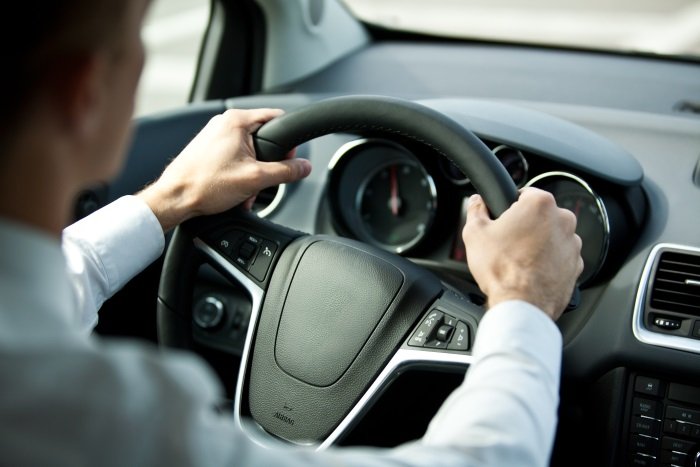
Step 2: Check Steering Feel
Hold the steering wheel lightly at 40-50 km/h. Briefly let go (if safe). Notice if the car pulls left, right, or stays straight.
Step 3: Test Under Braking
Apply the brakes gently and notice if the car pulls more to one side. If it does, the brakes may be the problem.
Step 4: Inspect Tires
Look for obvious signs like:
- Uneven tire wear
- Different tire brands or sizes
- Bulges or damage
Step 5: Check Tire Pressure
Use a gauge to measure all tires. Compare values to the manufacturer’s recommendations (usually on a sticker inside the driver’s door).
Step 6: Listen And Feel
Pay attention to noises or vibrations. Grinding or clunking may suggest suspension or brake issues.
Credit: www.yourmechanic.com
How To Fix Car Pulling To One Side
Now that you know the possible causes and how to diagnose, here’s how to fix each one:
1. Correct Tire Pressure
One of the simplest fixes is to ensure all tires have the correct pressure. Even a small difference can cause pulling.
- Check pressure when tires are cold.
- Inflate all tires to the recommended level.
- Re-test the car’s tracking.
Pro tip: Under-inflated tires can also lower fuel economy by up to 3%.
2. Rotate Or Replace Tires
Worn or mismatched tires often cause pulling.
- Swap the left and right front tires. If the car pulls in the opposite direction, the tire is the problem.
- Replace tires if they show uneven wear or damage.
- For best results, always install new tires in pairs or all four at once.
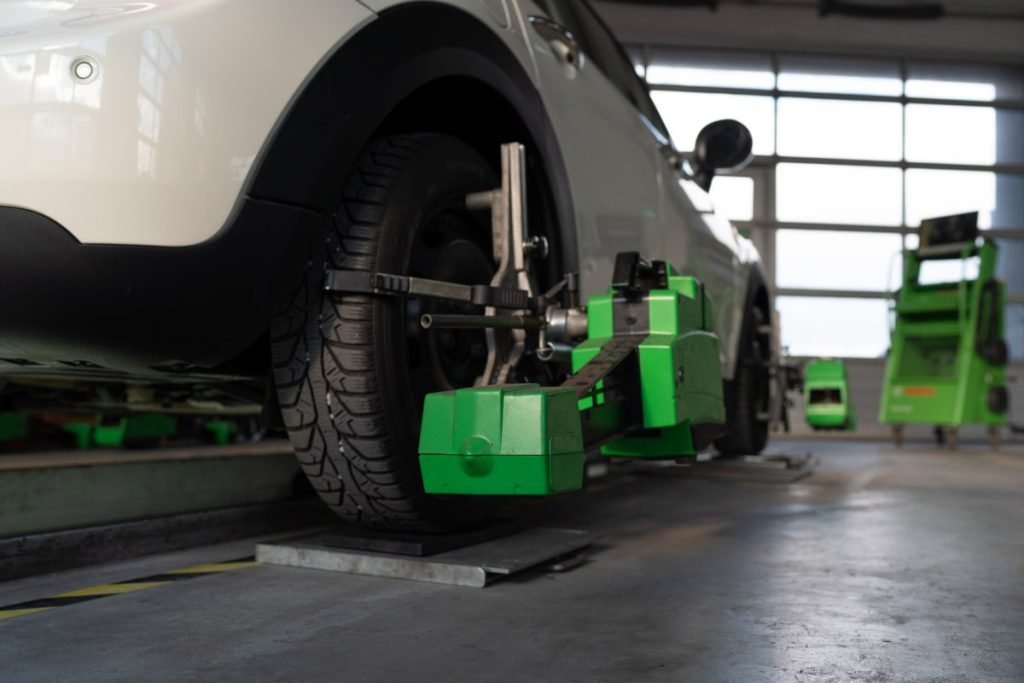
3. Get A Wheel Alignment
A wheel alignment sets the correct angles (camber, caster, toe) so all wheels point straight.
- Visit a professional shop for alignment.
- After alignment, ask for a printout showing before-and-after measurements.
- Typical cost: $50–$120, depending on location.
Common Wheel Alignment Angles
| Angle | Description | Effect if Incorrect |
|---|---|---|
| Toe | Direction tires point in/out | Pulling, tire wear |
| Camber | Tilt of tire in/out at top | Pulling, poor handling |
| Caster | Angle of steering pivot | Pulling, unstable steering |
4. Check For Sticking Brakes
Sometimes, a brake caliper or pad doesn’t release, causing drag.
- After a drive, carefully touch (without burning yourself) the wheels. If one is much hotter, that brake may be sticking.
- Listen for grinding or squealing.
- See a mechanic if brakes are suspect—this is not safe to ignore.
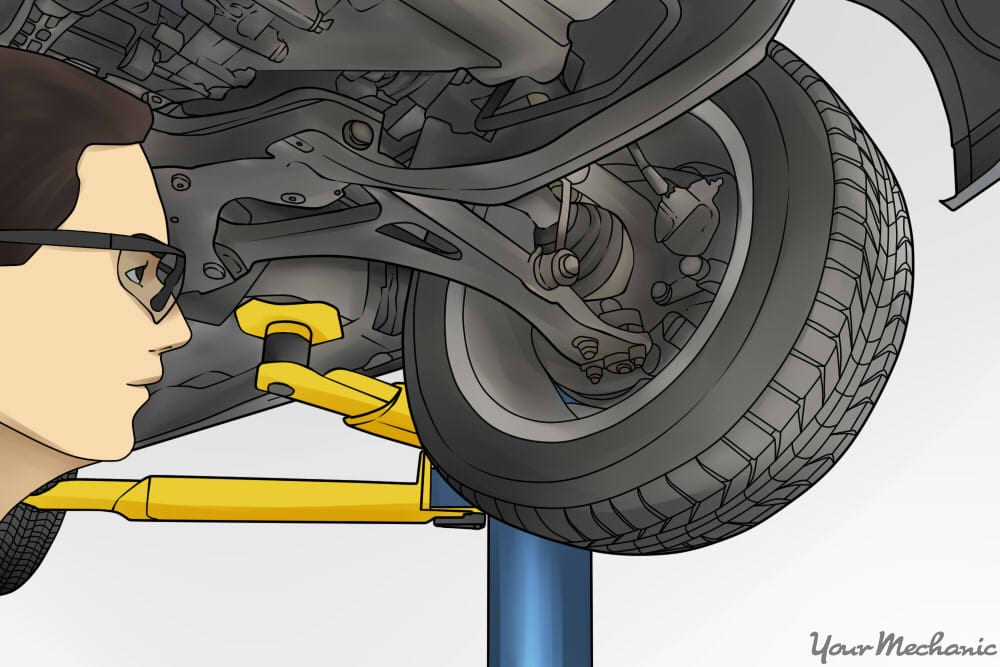
5. Inspect Suspension Components
Worn or damaged ball joints, control arms, or bushings can cause pulling.
- Look under the car for cracked, torn, or leaking parts.
- Rock the wheel (with the car safely lifted) to check for looseness.
- Worn suspension not only causes pulling but also affects safety and ride comfort.
6. Replace Damaged Or Worn Tires
A tire with an internal defect (called a belt separation) may look normal but cause pulling.
- If rotation and alignment don’t help, try replacing the suspect tire.
- Always balance new tires after installation.
7. Address Uneven Weight Distribution
Carrying heavy loads on one side, or uneven cargo, can affect tracking.
- Remove excess weight or rearrange cargo.
- Ensure nothing heavy is stored only on one side for long periods.
8. Consider Road Crown
Most roads slope to the outside for drainage. If your car only pulls on certain roads, this may be the reason.
- Test on multiple roads before deciding there is a mechanical problem.
9. Check For Accident Damage
Previous accidents can bend the frame or suspension, causing permanent pulling.
- Look for uneven gaps between tires and fenders.
- Ask for a frame inspection if the problem can’t be fixed by alignment or tires.
10. Adjust Alignment For Special Cases
Some cars, especially older ones, need a slight alignment adjustment to compensate for road crown.
- An experienced alignment technician can add a small correction if your area has highly crowned roads.
11. Replace Or Service Power Steering
A sticking power steering rack can also cause pulling.
- If the car pulls only when turning in one direction, or the steering feels uneven, have the steering system inspected.
12. Check For Wheel Bearing Issues
A worn wheel bearing can cause the car to drift and create noise.
- Listen for humming or grinding sounds that change with speed.
- Have bearings replaced if needed. This also improves safety.
13. Examine Tire Tread Depth
Mismatched tread depth (for example, a new tire on one side and a worn tire on the other) can lead to pulling.
- Use a tread depth gauge to measure all tires.
- Replace tires in pairs to keep tread even.
Example Of Tread Depth Comparison
| Tire Position | Tread Depth (mm) | Recommended Action |
|---|---|---|
| Front Left | 7.0 | OK |
| Front Right | 3.5 | Replace soon |
| Rear Left | 6.5 | OK |
| Rear Right | 6.0 | OK |
14. Avoid Cheap Or Mismatched Tires
Mixing brands, sizes, or even types (summer vs. winter) can create handling problems.
- Stick to the same brand and model on all four wheels when possible.
- If you must mix, put the best tires on the rear for safety.
15. Professional Diagnosis If Problem Persists
If you’ve tried everything and the car still pulls, it’s time for a professional evaluation.
- Modern cars sometimes have complex electronic steering and stability systems.
- A shop with the latest diagnostic tools can check for issues you might not see.
Common Mistakes To Avoid
Even experienced drivers make errors when trying to fix pulling issues. Here are mistakes to watch out for:
- Ignoring tire pressure: The simplest fix is often overlooked.
- Only aligning front wheels: Most cars need a four-wheel alignment.
- Swapping only one tire: Always replace tires in pairs or all four.
- Relying on cheap alignment shops: Poor-quality work can make things worse.
- Overlooking minor suspension damage: Small worn parts can have a big effect.
- Not re-testing after each fix: Always check the results before moving to the next step.
Credit: www.bemac.ca
Real-world Example
Sarah noticed her car drifting to the right after hitting a pothole. She checked her tire pressures, but they were fine. Swapping front tires made the car pull left instead. The shop found a damaged tire belt. Replacing both front tires fixed the issue, and a wheel alignment made her car drive straight again.
This example shows why step-by-step diagnosis saves time and money.
When To Visit A Mechanic
Some problems are best handled by professionals:
- If you notice uneven tire wear or rapid wear.
- If the car pulls sharply or suddenly.
- If there are strange noises or vibrations.
- After an accident, even a minor one.
Delaying repairs can lead to higher costs and lower safety. Modern cars also have electronic systems that may need special tools.
Credit: www.bemac.ca
Maintenance Tips To Prevent Pulling
You can avoid most pulling issues with regular care:
- Check tire pressure monthly.
- Rotate tires every 8,000–10,000 km.
- Get annual alignments, especially after hitting potholes.
- Inspect suspension and brakes at each oil change.
Prevention is always cheaper and safer than fixing big problems later.
Frequently Asked Questions
What Causes A Car To Pull To One Side?
The most common causes are uneven tire pressure, wheel alignment issues, brake problems, or worn suspension parts. Sometimes, a defective tire or sloped road is the reason.
How Do I Know If It’s A Tire Or Alignment Problem?
Swap the left and right front tires. If the pull direction changes, it’s a tire problem. If not, it’s more likely an alignment or suspension issue.
Can I Drive If My Car Pulls To One Side?
It’s unsafe to ignore this problem. Driving with pulling can cause tire damage, lower fuel efficiency, and even accidents. Fix the issue as soon as possible.
How Much Does A Wheel Alignment Cost?
A basic alignment costs $50–$120 depending on car type and location. It’s a good investment for safety and tire life.
Where Can I Find More Information About Car Maintenance?
For more details on car safety and maintenance, visit the National Highway Traffic Safety Administration.
A car that pulls to one side is more than an annoyance—it’s a sign that something needs attention. With these steps, you can identify and solve most causes yourself, or know when to seek expert help. Regular checks keep your car safer, more comfortable, and help you avoid expensive repairs down the road.