
Keeping your car’s paint looking fresh is not just about style; it’s about protecting your investment. The paint on your car shields the body from rust, sun, and even minor scratches. But many people don’t realize how easy it is to ruin a great paint job through simple mistakes or neglect.
This guide will show you how to keep your car’s paint in top shape, avoid common errors, and help your vehicle look its best for years. Even if you’re not a car expert, these tips will save you money and stress in the long run.
Why Car Paint Maintenance Matters
Car paint is more than just color. It’s a protective layer that shields metal from corrosion, weather, and road debris. When this layer is damaged, your car’s value drops and repair costs rise. Regular care keeps your vehicle looking newer and can even help it sell for more if you decide to upgrade. Remember, it’s easier to prevent damage than to fix it later.
Basic Car Paint Care Steps
Car paint maintenance doesn’t need to be complicated or expensive. Here are the essential steps:
1. Regular Washing
Washing your car removes dirt, salt, and pollutants that eat away at paint. Aim to wash your car at least once every two weeks, and more often if you live near the ocean or in cities with high pollution. Always use car-specific shampoo, not dish soap or laundry detergent, which can strip away protective wax.
2. Drying After Washing
Letting water dry on your car causes spots and can leave minerals that dull the finish. Use a soft microfiber towel or a synthetic chamois to dry your car. Avoid air drying, especially in sunny weather.
3. Waxing For Protection
Wax creates a barrier between the paint and the environment. Wax your car every three to six months, or more often if you park outside. Look for a wax that offers UV protection to guard against sun damage.
4. Polishing For Shine
Polishing isn’t just for looks; it can remove tiny scratches and bring back lost shine. Use a polish made for automotive paint, and apply it with a soft cloth. Don’t overdo it—twice a year is usually enough.

Credit: www.northwestautocollision.com
Deep Cleaning And Decontamination
Over time, your car’s paint collects things washing alone can’t remove: tar, bugs, sap, and tiny metal particles. These can slowly eat into the paint. That’s where deeper cleaning methods come in.
Using Clay Bars
A clay bar is a special cleaning tool that pulls out stubborn dirt from the paint. Use it after washing but before waxing. Spray a lubricant on the paint, then gently glide the clay bar back and forth. You’ll feel the surface get smoother as contaminants are removed.
Removing Tree Sap And Bugs
Tree sap and bugs are sticky enemies of car paint. If not removed quickly, they can cause stains. Use a cleaner designed for sap or bugs—never scrape them off with a hard object. Apply the cleaner, let it soak, and wipe gently.
Iron Fallout Removal
Iron fallout comes from brake dust and industrial pollution. It can cause tiny rust spots on the paint. Use a fallout remover once or twice a year, especially if you live in a city or near factories. These products dissolve iron safely without scrubbing.
Protecting Paint From The Sun And Weather
Sun, rain, and snow are tough on car paint. UV rays fade color and cause oxidation, while acid rain and bird droppings leave marks. Here’s how to protect your car:
- Park in Shade or Use a Car Cover
Whenever possible, park under cover or use a breathable car cover. This prevents sun damage and keeps your car cooler.
- Apply Paint Sealant
Paint sealants last longer than wax and give extra protection against UV rays and chemicals. Apply once or twice a year for best results.
- Quickly Remove Bird Droppings
Bird waste is highly acidic and can burn through paint in hours. Clean it off as soon as you notice it, using a damp cloth or dedicated cleaner.

Credit: www.butlercollisioncenter.com
Washing Techniques: What To Avoid
Washing your car the wrong way can do more harm than good. Here are mistakes to avoid:
- Using Household Soaps
Many people use dish soap, but this strips away wax and dries out the paint.
- Dirty Sponges or Towels
A dirty sponge can scratch paint with trapped dirt. Always use clean, soft materials.
- Automatic Car Washes with Brushes
Brushes in older car washes can leave swirl marks. Touchless or hand washes are safer.
- Washing in Direct Sunlight
Water dries too fast and leaves spots. Wash in the shade or early morning.
Understanding Paint Types And Their Needs
Not all car paint is the same. Knowing your paint type helps you choose the right care products.
| Paint Type | Common Vehicles | Special Needs |
|---|---|---|
| Single-Stage | Older Cars (pre-1990s) | Needs frequent waxing |
| Clear Coat | Most Modern Cars | Protect from scratches and UV |
| Matte Finish | Luxury/Specialty Cars | No wax; use matte sealants only |
If you’re unsure, check your car’s manual or ask a detailer before buying products.
Handling Scratches And Swirl Marks
No matter how careful you are, scratches happen. Swirl marks are those fine lines you see in bright sunlight. Here’s how to deal with them:
1. Assess The Damage
If you can catch your fingernail in the scratch, it may need professional repair. Shallow marks often come out with polishing.
2. Use A Scratch Remover
There are creams made to fill and hide light scratches. Apply with a microfiber cloth, rub gently, then buff off.
3. Prevent Future Swirls
Always use the two-bucket wash method: one for soapy water, one for rinsing your sponge. This keeps dirt from scratching the paint.
Seasonal Paint Care Tips
Different seasons bring unique threats to your car’s paint. Adjust your routine as needed.
Spring And Summer
- Wash away pollen and tree sap often
- Apply UV-protecting wax or sealant
- Rinse off salt if you live near the sea
Autumn
- Watch for falling leaves—they can stain if wet
- Clean gutters and parking spots to avoid sticky debris
Winter
- Rinse salt and chemicals off quickly
- Wax before winter to add a barrier
- Use soft brushes to remove snow, never hard scrapers
Professional Detailing Vs. Diy
Should you pay for professional detailing, or can you do it yourself? Here’s a comparison to help you decide:
| Option | Pros | Cons |
|---|---|---|
| DIY | Cheaper, flexible timing, satisfaction | More time needed, risk of mistakes |
| Professional | Expert results, saves time | More expensive, must schedule |
DIY is great for regular washing and waxing. For deep cleaning or paint correction, professionals use tools and products most people don’t have.
Common Myths About Car Paint
Many car owners believe things that can actually harm their paint. Let’s clear up a few:
- Myth: “Waxing once a year is enough.”
Reality: Most waxes last only 2-3 months, especially if your car is parked outside.
- Myth: “Bird droppings are harmless.”
Reality: They are acidic and can damage paint quickly.
- Myth: “A matte finish doesn’t need protection.”
Reality: Matte paint is sensitive and needs special sealants, not regular wax.
Advanced Protection: Ceramic Coatings And Ppf
If you want long-term, high-level protection, consider these options:
Ceramic Coatings
These are liquid polymers applied to your car’s paint. They bond with the surface, creating a super-hard, water-repellent layer that lasts 1-3 years. Ceramic coatings make washing easier and protect against UV, chemicals, and even light scratches.
Paint Protection Film (ppf)
PPF is a clear, thick film applied to high-impact areas (like the hood and bumpers). It’s nearly invisible and shields paint from rocks and scratches. Professional installation is best, but the cost can be high.
| Protection Method | Average Cost | Longevity |
|---|---|---|
| Wax | $20-$50 | 2-3 months |
| Ceramic Coating | $300-$1,500 | 1-3 years |
| PPF | $700-$2,500 | 5-10 years |
Non-obvious Insights Most Beginners Miss
1. Water Quality Matters
Hard water contains minerals that leave spots and dull paint. If possible, use filtered water for the final rinse, especially if you live in areas with “hard” tap water.
2. Don’t Forget The Undercarriage
While not about paint color, the underside of your car can collect salt and dirt that lead to rust, especially in winter. Regularly rinsing the undercarriage helps keep your paint and body in good shape.
3. Temperature Affects Product Performance
Applying wax or sealant in very hot or cold weather makes it less effective. Aim for mild temperatures—between 10°C and 25°C (50°F and 77°F).
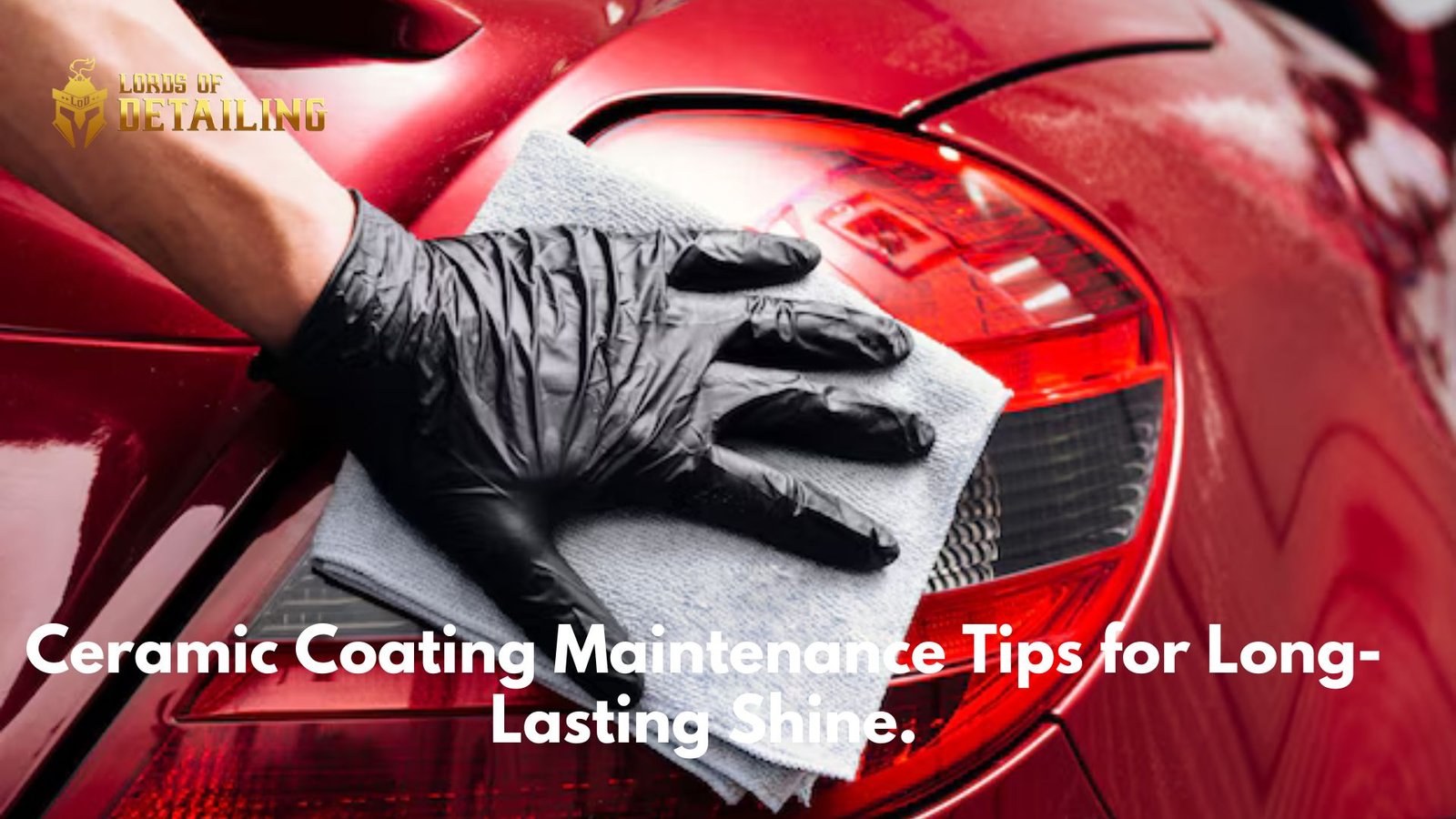
Credit: lordsofdetailing.com
Eco-friendly Paint Maintenance
Protecting your car doesn’t have to harm the planet. Choose biodegradable car shampoos and avoid washing your car near storm drains, as runoff can pollute local water. Waterless wash sprays are also a good option for light dirt, saving water and time.
Frequently Asked Questions
How Often Should I Wax My Car?
Most experts recommend waxing every 2-3 months if your car is parked outdoors. If you have a garage and use a sealant, you can extend this to every 4-6 months. Always follow the product’s instructions.
Can I Use Dish Soap To Wash My Car?
No. Dish soap is too harsh for car paint and will strip away protective wax. Always use a shampoo made for cars.
What’s The Best Way To Remove Bird Droppings?
Act quickly. Use a damp microfiber cloth and a gentle cleaner. Avoid scrubbing hard, as this can scratch the paint. For stubborn spots, let the cloth sit on the stain for a few minutes.
Is Professional Detailing Worth The Cost?
For deep cleaning, paint correction, or applying ceramic coatings, professional detailers have the right tools and experience. For regular washing and waxing, DIY is usually enough.
Where Can I Find More Information About Car Paint Types?
You can read detailed guides on the Automotive Paint Wikipedia page for more technical details and history.
Taking care of your car’s paint is an ongoing process, but it pays off with a vehicle that stays shiny, rust-free, and valuable. With the right habits and products, you can protect your car’s paint and enjoy a great-looking ride for years to come.