
Car Rust Proofing Guide
A car is more than just a way to get from one place to another. For many people, it’s a big investment and sometimes even a source of pride. But one problem can slowly eat away at your car’s value and safety: rust. Rust doesn’t just ruin your car’s look; it can also weaken important parts and lead to expensive repairs. If you live where roads are salted in winter or in a humid area, the risk of rust is even higher.
This guide will help you understand why rust happens, how to prevent it, the best rust proofing methods, and when to take action. Whether you want to keep your new car looking fresh or help your old car last longer, this article will give you practical steps and clear advice.
What Is Car Rust And Why Does It Matter?
Rust is a type of corrosion that happens when iron or steel reacts with water and oxygen. This chemical reaction creates iron oxide (rust), which eats away at the metal. On cars, rust usually starts in hidden spots, like under the car or inside wheel wells, and slowly spreads.
Why should you care? Rust is more than just ugly. It can:
- Weaken the structure of your car, making it less safe in a crash
- Cause holes in the floor, body panels, or frame
- Lower your car’s resale value
- Lead to costly repairs if not caught early
Once rust starts, it’s hard to stop. That’s why rust proofing is important for car owners, especially those in tough climates.
How Rust Starts And Spreads
Most cars are made from steel, which is strong but easy to rust if not protected. Here’s how the process begins:
- Scratches or chips expose bare metal.
- Water (from rain, snow, or washing) reaches the metal.
- Oxygen in the air reacts with the water and metal.
- Rust forms and can spread under paint or along seams.
Common places rust starts include:
- Undercarriage
- Wheel wells
- Door edges
- Around the windshield
- Inside trunk and hood seams
Not all rust is the same. Surface rust is only on top, but deeper rust can eat through panels and even the frame.
Why Rust Proofing Is Essential
Some people think modern cars don’t need rust proofing. While newer cars use better paints and coatings, they’re not immune. Salted roads, humidity, and even coastal air can lead to rust over time.
Rust proofing gives your car an extra layer of defense. It can:
- Slow or stop rust from starting
- Make cleaning easier
- Protect your investment for years
- Help your car pass inspection (in places where rust is a safety issue)
Skipping rust proofing may save money today, but it often means bigger bills in the future.
Common Rust Proofing Methods
There are several ways to rust proof a car. Each method has its pros and cons, and not all are right for every car or climate.
| Method | How It Works | Best For | Drawbacks |
|---|---|---|---|
| Oil Spray | Sprays oil-based liquid into crevices and panels | Older cars, high-rust areas | Messy, needs re-application yearly |
| Electronic Module | Uses weak electric current to slow corrosion | Newer cars, mild climates | Unproven, expensive, doesn’t fix existing rust |
| Dripless Spray | Thick spray covers underbody and inside panels | Long-term protection, newer vehicles | Hard to reach all areas, may block drains |
| Tar-Based Undercoating | Black, rubbery coating on undercarriage | Road salt areas, trucks/SUVs | Can trap moisture if not applied well |
Oil-based Spray
This is a classic method, especially popular in cold, snowy regions. An oil-based fluid is sprayed into the car’s body panels and undercarriage. It creeps into seams and crevices, keeping out water and salt.
- Needs to be reapplied every year or two
- Can drip for a few days after application
- Great for older cars where rust may have started
Dripless Spray
Thicker than oil-based sprays, dripless sprays stick to surfaces and dry solid. They’re often used on new cars for a cleaner finish.
- Lasts longer (up to 2-3 years)
- Doesn’t drip, but harder to reach hidden spots
- May need holes drilled for full coverage
Tar-based Undercoating
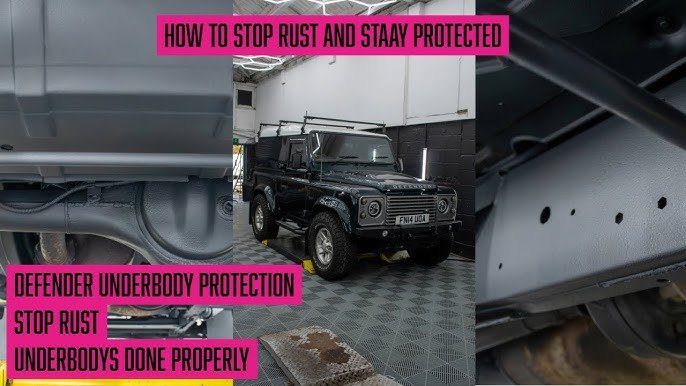
This is a heavy, black coating sprayed on the car’s bottom. It’s very tough and stops water and salt from reaching the metal.
- Good for trucks, SUVs, or cars used off-road
- Needs skilled application; if done poorly, can trap moisture
- Not for use inside doors or panels
Electronic Rust Inhibitors
These small devices claim to send a weak electric current through the car’s body to slow rust. Some owners like them, but many experts say real-world results are mixed.
- Easy to install, no mess
- Doesn’t stop existing rust or protect already damaged areas
- More effective in mild climates than harsh ones
Do-it-yourself Vs. Professional Rust Proofing
You can buy rust proofing kits at auto stores, or pay a shop to do it for you. Here’s how the two compare:
| DIY Rust Proofing | Professional Service |
|---|---|
| – Cheaper (kits $30-$100) – Good for spot treatment – Takes time and patience – Harder to reach inside panels | – Costs $100-$300 – Full coverage (inside and out) – Experienced technicians – Some offer warranties |
DIY works well for simple jobs or small repairs. For full protection, especially on new or expensive cars, a professional job is usually better. They have special tools to spray inside doors, frame rails, and other hidden places. According to AAA’s Approved Auto Repair program, shops that employ ASE-certified or factory-trained technicians must meet strict standards for training, equipment, and customer service.
When To Apply Rust Proofing
Timing matters. The best time to rust proof is:
- When the car is new (before rust starts)
- After a thorough cleaning (no mud or salt present)
- Before winter (for salt-prone areas)
- After repairs to remove old rust
It’s never too late to rust proof, but earlier is always better. If you see rust, treat it first before applying any protection.
Credit: www.youtube.com
How To Prepare Your Car For Rust Proofing
Good prep means better results. Here’s what you should do before applying any rust proofing:
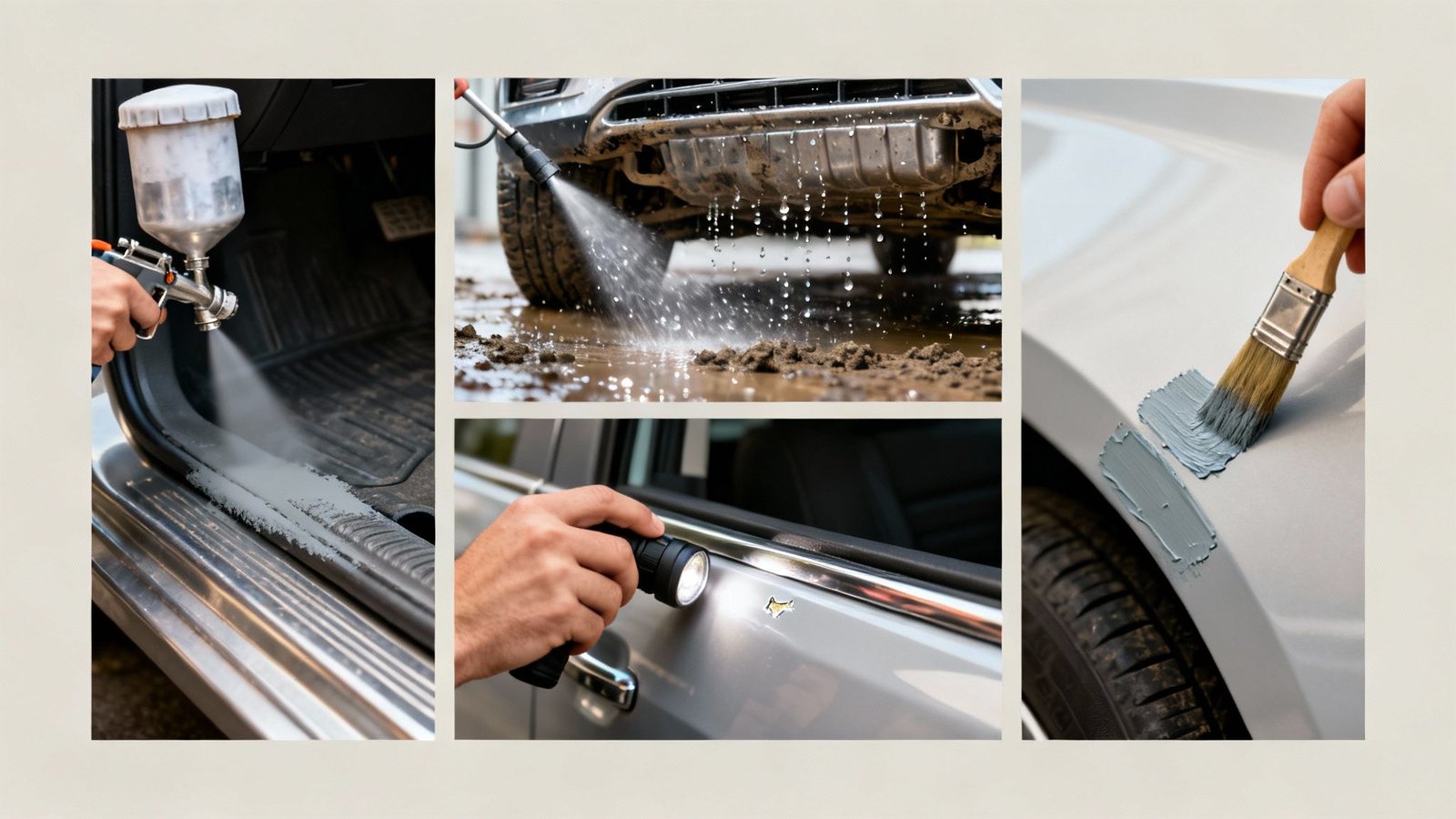
- Wash the car – Remove all dirt, mud, and salt from the body and undercarriage.
- Dry completely – Moisture can be trapped under coatings if not fully dry.
- Remove wheel covers and splash guards.
- Check for existing rust – Sand or treat any rusty spots so you don’t seal in damage.
- Mask off brakes and exhaust – Some coatings can damage rubber or get sticky if sprayed on hot parts.
If you’re going to a shop, they’ll handle most of this, but it’s smart to ask about their process.
Step-by-step: Diy Rust Proofing
If you want to rust proof at home, follow these steps for best results:
- Choose your product – Oil spray for inside panels, tar-based for the undercarriage.
- Read all instructions – Every product is a bit different.
- Wear safety gear – Gloves, goggles, and a mask.
- Jack up the car safely – Use stands, not just the jack.
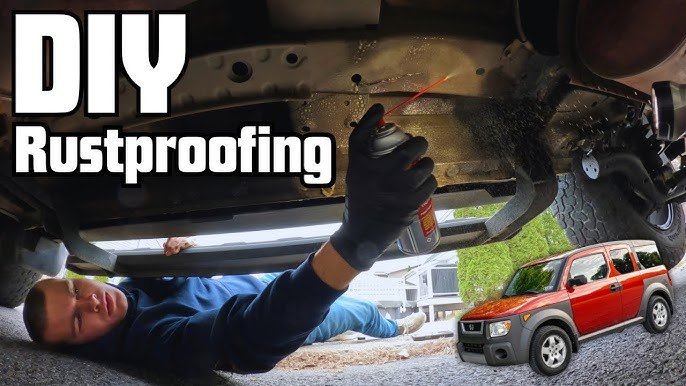
- Spray inside doors and panels – Use a wand or tube to reach inside.
- Cover the undercarriage – Spray evenly, but avoid exhaust and brakes.
- Let it cure – Don’t drive for several hours or as recommended.
- Clean up drips – Wipe any excess from paint or glass right away.
A common mistake is missing small holes or seams where water can get in. Take your time and check twice.
How To Spot Early Rust
Catching rust early makes it easier and cheaper to fix. Look for:
- Bubbles under paint – A sign rust is forming underneath
- Red or brown streaks – Especially around seams or bolts
- Rough patches – Even if still painted, can mean rust below
Check your car every few months, especially after winter or heavy rain.
What To Do If You Find Rust
If you spot rust, act fast:
- Sand down the rusty area to bare metal.
- Apply a rust converter – These chemicals turn rust into a solid, paintable surface.
- Prime and paint – Use auto primer and touch-up paint.
- Apply rust proofing – Cover the repaired area to stop it coming back.
Ignoring even small rust spots can lead to big problems later.
Credit: carmedicsautowerks.com
How Climate Affects Rust
Where you live changes how you should protect your car:
- Cold, snowy regions – Salt and brine on roads speed up rust. Yearly oil or underbody sprays are a must.
- Coastal areas – Salt in the air means more frequent checks and reapplication.
- Dry, desert climates – Less rust risk, but sand can chip paint, so check for damage.
If you move, update your rust proofing plan. What worked in a dry city may not be enough in a snowy one.
Myths About Rust Proofing
Many myths surround rust proofing. Here are some common ones:
- “Modern cars don’t rust” – They do, especially after years of road use.
- “One-time treatment is enough” – Most products need reapplication every 1-3 years.
- “Electronic devices stop all rust” – Some work in mild cases, but most experts recommend sprays or coatings for real-world results.
Understanding what’s true can save you money and protect your car better.
Credit: www.youtube.com
Cost Vs. Value: Is Rust Proofing Worth It?
Rust proofing costs money, but so do repairs. Here’s a quick comparison:
| Item | Average Cost |
|---|---|
| Rust proofing (one time) | $100-$300 |
| Rust repair (minor spot) | $150-$500 |
| Major rust repair (panel/frame) | $1,000-$3,000+ |
If you plan to keep your car for 5+ years, or live in a high-rust area, rust proofing usually saves money in the long run.
Two Non-obvious Insights
- Rust often starts inside panels, not outside. Many people only check visible spots, but most rust begins in hidden seams. That’s why inside sprays matter as much as underbody coatings.
- Washing your car in winter is critical. Salt sticks to undercarriages and wheel wells. Regular washing, even when it’s cold, is one of the easiest ways to slow rust formation.
When To Skip Rust Proofing
Not every car needs rust proofing. If you:
- Live in a dry, salt-free area
- Only plan to keep the car for 1-2 years
- Drive a car with full aluminum or plastic body panels (like some newer models)
You may not need to spend extra on rust proofing. Still, regular checks are smart.
Frequently Asked Questions
How Often Should I Rust Proof My Car?
Most experts recommend every 1-2 years, especially in salty or humid climates. Some products claim to last longer, but annual checks are best.
Does Rust Proofing Void My Car’s Warranty?
No, rust proofing usually does not void warranties. Still, always ask your dealer first, as some treatments may not be approved for new cars.
Can I Rust Proof A Car That Already Has Rust?
Yes, but you must remove or treat existing rust first. Sealing in rust only makes the problem worse over time.
Is Rust Proofing Safe For Electric Or Hybrid Cars?
Most sprays are safe, but avoid getting oil or tar on electrical connections, sensors, or battery packs. Professional shops know how to protect these parts.
Where Can I Find More Information About Rust And Car Care?
You can read more detailed information from the Wikipedia Rustproofing page.
Taking care of your car is more than just oil changes and washes. Rust proofing is a smart step for anyone who wants their car to last. With the right method, proper timing, and regular checks, you can drive with confidence for years—no matter what the weather brings.
