
When you get into your car on a hot day, you expect the air conditioning to bring quick relief. But sometimes, the car AC is not blowing cold air—just warm or even hot air, making every trip uncomfortable. This problem is more common than people think, and it can have many causes. Some issues are simple, while others need professional help. Understanding why your car’s AC is not working properly can save you time, money, and stress.
This article explains all the possible reasons your car AC might not be blowing cold air. You’ll learn how the AC system works, what can go wrong, how to troubleshoot, and when to seek a mechanic. Even if you’re not a car expert, these insights will help you feel more confident about fixing or discussing your AC problems.
How A Car Ac System Works
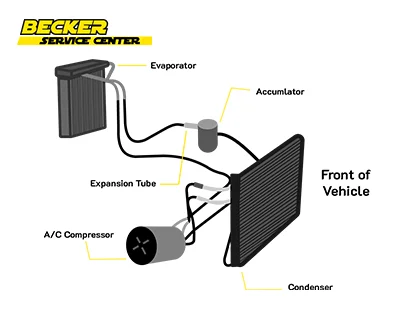
Before you start fixing, it’s useful to know the basics. The car air conditioning system is more complex than many drivers realize. It uses several parts to cool the cabin air:
- Compressor – Pumps and pressurizes the refrigerant.
- Condenser – Changes the refrigerant from gas to liquid, releasing heat outside.
- Expansion valve – Controls the flow of refrigerant into the evaporator.
- Evaporator – Absorbs heat from the cabin, making the air cold.
- Blower fan – Pushes the cooled air into the cabin.
If any part fails, the system might blow warm air instead of cold.
Common Reasons Car Ac Is Not Blowing Cold Air
There are many possible causes for this problem. Here are the most common ones:
1. Low Refrigerant Level
The most frequent reason is low refrigerant. The refrigerant (often called Freon) is the cooling agent. If there is not enough, the system cannot cool the air properly.
- Signs: AC blows slightly cool or warm air; hissing sound under the hood.
- Why it happens: Usually due to a leak in the system, which can be very small and hard to spot.
2. Ac Compressor Problems
The compressor is the heart of the AC system. If it fails, the refrigerant cannot circulate.
- Signs: Loud noises when AC is on, no cold air, or the AC clutch not engaging.
- Common causes: Electrical issues, worn-out clutch, or internal damage.
3. Faulty Condenser
The condenser removes heat from the refrigerant. If it is blocked or damaged, heat stays in the system.
- Signs: AC blows warm air, engine may run hotter.
- Common causes: Dirt, leaves, or road debris blocking the condenser; sometimes a physical leak.
4. Electrical Issues
Modern cars rely on electronics to control the AC system. A small electrical fault can stop it from working.
- Signs: AC doesn’t turn on; no sounds or lights from AC controls.
- Common causes: Blown fuse, bad relay, or wiring problems.
5. Clogged Cabin Air Filter
If the cabin air filter is dirty, airflow is restricted. Even if the AC is working, less air gets through.
- Signs: Weak airflow; musty smell.
- Solution: Replace the filter regularly.
6. Bad Ac Blower Motor
The blower motor pushes air through the vents. If it fails or works slowly, even cold air won’t reach the cabin.
- Signs: Low or no air from vents even when AC is on.
- Diagnosis: Listen for unusual noises or test fan speeds.
7. Problems With The Evaporator
The evaporator is where the air is cooled. If it is blocked or leaking, cooling drops.
- Signs: Weak cooling, water inside cabin, or strange smells.
- Why it happens: Mold, debris, or refrigerant leaks.
8. Faulty Temperature Blend Door
Modern cars use blend doors to control the mix of hot and cold air. If stuck, you may only get warm air.
- Signs: AC stuck on hot or cold, or changes temperature at random.
- Diagnosis: Clicking noises behind the dashboard.
9. Cooling Fan Issues
The radiator cooling fan also helps the AC condenser. If it’s not working, especially in traffic, the AC can blow warm air.
- Signs: AC gets warmer when stopped; works better when moving.
- Check: Look for fan operation when AC is on.
10. Overheating Engine
If your engine is overheating, the AC system may shut down or work less efficiently to protect itself.
- Signs: High engine temperature gauge; AC stops working during heat.
- Solution: Fix engine cooling before AC repair.

Credit: aceautoutah.com
Quick Troubleshooting Steps
If your car AC is not blowing cold air, you can do some simple checks before visiting a mechanic.
- Check AC settings – Make sure the system is set to cold, not just “fan.”
- Inspect airflow – Is the air weak or strong? Weak airflow may mean a filter or blower issue.
- Listen for noises – Clicking, hissing, or grinding sounds point to mechanical problems.
- Look for leaks – Wet spots under the car or oily marks near AC parts may indicate leaks.
- Check for codes – Newer cars may show error codes on the dashboard or through a scan tool.
When To Refill Refrigerant
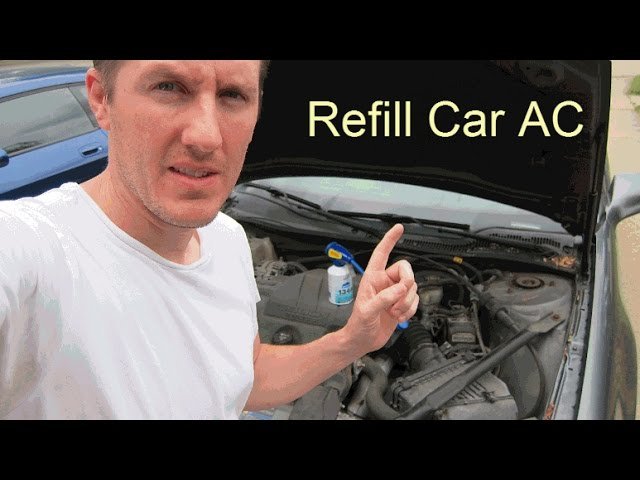
If the refrigerant is low, it needs to be refilled (recharged). However, you should never just add more without checking for leaks.
- Professional recharge: This process removes old refrigerant, checks for leaks, and fills with the correct amount.
- DIY recharge kits: These are available, but using them without fixing leaks can waste money and harm the environment.
Non-obvious insight: Many people refill refrigerant themselves, but overcharging can damage the system and reduce cooling. Always follow instructions and do not add too much.
Diagnosing Leaks
A leak is the most common reason for low refrigerant. Leaks can be very small and may occur at:
- AC hoses and connections
- Compressor seals
- Condenser or evaporator cores
How To Detect Leaks
- UV dye test: Mechanics add a dye to the system. Leaks glow under UV light.
- Electronic leak detector: Finds refrigerant gas escaping.
Tip: Regular checks can catch leaks early, preventing expensive repairs.
Repair Or Replace? Key Decisions
Some problems are cheap to fix, while others are not. Here’s a quick comparison:
| Issue | Possible Solution | Average Cost (USD) |
|---|---|---|
| Low refrigerant | Recharge & check for leaks | $100 – $250 |
| Compressor failure | Replace compressor | $500 – $1,200 |
| Clogged air filter | Replace filter | $20 – $50 |
| Blend door actuator | Replace actuator | $100 – $300 |
Always get a full diagnosis before spending money on big repairs.
Car Ac Maintenance Tips
Prevention is the best way to avoid AC problems. Here are some tips:
- Run the AC for 10 minutes every week, even in winter.
- Replace the cabin air filter every 12,000–15,000 miles.
- Get the system checked every spring before hot weather.
- Keep the condenser area clear of leaves and debris.
- Fix small leaks or strange noises quickly.
Non-obvious insight: Running the AC regularly keeps seals from drying out, which prevents leaks. Many drivers skip this, leading to more problems later.
How Hot Weather Affects Car Ac
The hotter it gets outside, the harder your AC works. In very high temperatures, even a healthy AC system might struggle to cool the car quickly.
- Idle vs. driving: AC cools better when the car is moving, because air flows over the condenser.
- Parked in sun: Interior can reach 130°F (54°C) or more. AC needs several minutes to remove this heat.
Tip: Open windows for a few minutes before turning on the AC to let hot air out.
Credit: www.youtube.com
Modern Ac Systems: Common Mistakes
Newer cars often have climate control and more sensors. This adds comfort, but also new problems.
- Wrong settings: Many drivers use “auto” or “eco” mode, which may reduce AC power to save fuel.
- Recirculation mode: Helps cool faster, but if left on too long, windows may fog up.
- Ignoring warning lights: Some cars show AC warnings—don’t ignore them.
Tip: Always check your owner’s manual for the best AC settings.
Professional Ac Service: What To Expect
If you visit a mechanic, here’s what usually happens:
- Visual inspection – Checking for leaks, damage, or loose parts.
- Pressure test – Measuring refrigerant pressure.
- Electronic diagnostics – For newer cars, checking sensors and controls.
- Leak detection – Using dye or electronic tools.
- Estimate and repair – You get a quote before any big fixes.
A good shop will explain the problem and show you any worn or damaged parts.
Credit: magroadvogados.com
Diy Vs. Mechanic: What You Can Safely Do
Some AC problems are safe for DIY repair. Others are not.
| Task | DIY Level | Risks |
|---|---|---|
| Replace cabin air filter | Easy | Low |
| Clean condenser | Easy | Low |
| Recharge refrigerant | Medium | Overcharging, leaks |
| Replace compressor | Hard | High (professional only) |
If you are not sure, it’s safer to visit a certified mechanic.
Real-world Examples
Here are a few common scenarios:
- Case 1: AC blows warm air only at idle. Cause: Cooling fan not working. Fix: Replace fan relay.
- Case 2: AC works, but airflow is weak. Cause: Clogged cabin filter. Fix: Replace filter.
- Case 3: Sudden loss of all cooling after a bump. Cause: Loose wire to compressor. Fix: Reconnect wire.
Many problems have simple solutions if you know what to look for.
Environmental Impact Of Car Ac
Car AC systems use refrigerants that can harm the environment if released. Modern systems use safer chemicals, but leaks should always be fixed quickly.
- Older cars: May use R-134a, which is being phased out.
- Newer cars: Use R-1234yf, which is less harmful.
Fact: One pound of old refrigerant can cause more global warming than 1,400 pounds of carbon dioxide. Always dispose of refrigerant safely.
For more details on refrigerants, see this Wikipedia article.
Frequently Asked Questions
Why Does My Car Ac Blow Cold Air At First, Then Warm?
This usually means there is a refrigerant leak or the system is freezing up. If the evaporator gets too cold, it may form ice, blocking airflow. Low refrigerant or a bad sensor can cause this.
How Often Should I Service My Car’s Ac System?
Most experts recommend a full AC check every 1–2 years, or if you notice problems. Regular filter changes and running the AC weekly can prevent many issues.
Can A Dirty Cabin Air Filter Cause Ac To Stop Cooling?
A clogged filter will not stop the AC from cooling air, but it will greatly reduce airflow. You may feel less cool air, even if the system is working.
Is It Safe To Use Ac Recharge Kits Sold At Auto Stores?
These kits can help in an emergency, but they can also cause overcharging or mask leaks. It is best to use them only for temporary fixes and get a professional repair soon.
What Should I Do If I Smell A Sweet Or Musty Odor From My Ac?
A sweet smell often means a coolant leak, while a musty smell points to mold in the evaporator. Both problems need quick attention—a mechanic can clean the system or fix leaks.
Getting your car AC back to blowing cold air is possible with the right knowledge and quick action. A little prevention and understanding can keep you comfortable, even on the hottest days.