
P0351 Ignition Coil Primary Circuit: Complete Guide
When your car’s engine warning light comes on, it can feel stressful and confusing. One code that often appears is P0351 Ignition Coil Primary Circuit. This code points to a problem with the electrical circuit that controls one of your engine’s ignition coils. Understanding what this means, how it affects your car, and how to fix it can save you time, money, and headaches.
This article explains everything you need to know about the P0351 code. Whether you are a beginner or have some car repair experience, you’ll learn what causes this code, how to diagnose it, and ways to solve the problem. Let’s dive in and make sense of the P0351 code together.
What Is The P0351 Ignition Coil Primary Circuit Code?
The P0351 code is a diagnostic trouble code (DTC) for “Ignition Coil ‘A’ Primary/Secondary Circuit Malfunction.” Modern vehicles use a special computer called the Engine Control Module (ECM) to monitor and control engine functions. When the ECM detects a problem in the electrical circuit of the first ignition coil (usually cylinder 1), it stores the P0351 code and turns on the Check Engine Light.
What Does “ignition Coil Primary Circuit” Mean?
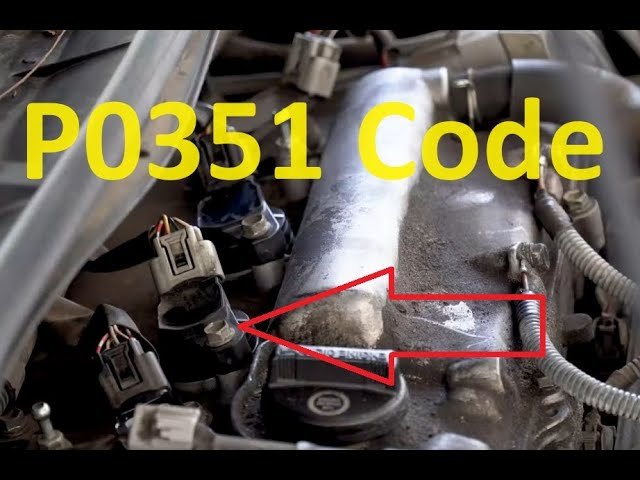
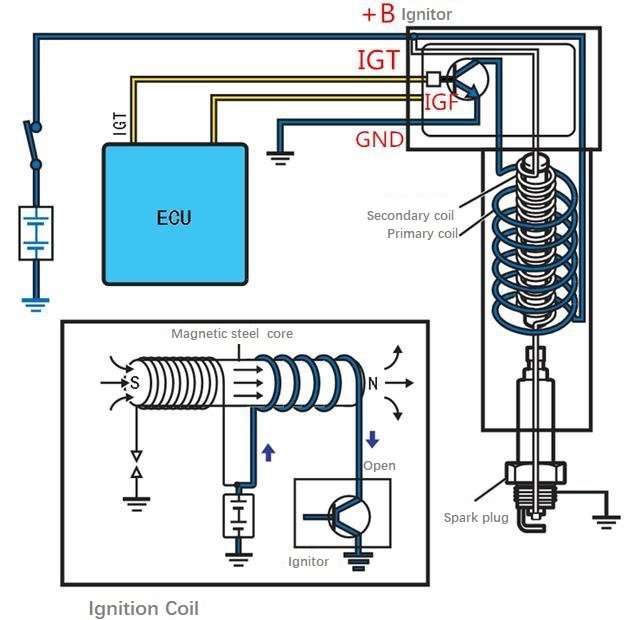
The ignition coil is a part that changes the car’s battery voltage into a higher voltage. This high voltage creates the spark that ignites the air-fuel mixture in the engine’s cylinders. The “primary circuit” is the low-voltage side, which includes the wires, connectors, and control signals from the ECM to the coil.
When something interrupts the flow of electricity in this circuit, the coil cannot work properly. This can lead to engine misfires, poor performance, or even a car that won’t start.
Symptoms Of A P0351 Code
When the P0351 code appears, your car may show several warning signs. Knowing these symptoms can help you catch the problem early.
- Check Engine Light: The most common sign is the yellow warning light on your dashboard.
- Engine Misfire: You may feel the engine shake, stumble, or lose power, especially during acceleration.
- Rough Idle: The engine may run unevenly when the car is stopped.
- Poor Fuel Economy: More fuel is used because the engine is not firing correctly.
- Hard Starting or No Start: In severe cases, the engine may be difficult to start or may not start at all.
- Loss of Power: The car may feel sluggish or slow to respond.
Many people ignore small symptoms, like a slight rough idle or a small drop in fuel economy. However, these are early signs and should not be overlooked.
Common Causes Of The P0351 Code
Understanding why the P0351 code appears is key to fixing it. Here are the most common causes:
- Faulty Ignition Coil: The coil itself may be worn out or damaged.
- Wiring Problems: Broken, frayed, or corroded wires between the ECM and the ignition coil.
- Bad ECM/PCM: The engine’s computer may not be sending the right signals.
- Poor Electrical Connections: Loose or dirty connectors at the coil or ECM.
- Failed Spark Plug: A worn or damaged spark plug can affect the coil’s performance.
- Blown Fuse: Some coils have a dedicated fuse that could be blown.
- Short to Voltage or Ground: Electrical shorts cause abnormal current flow.
Many beginners miss checking the connectors and wires. A simple loose connection is often the cause, not the coil itself.
Diagnosing P0351: Step-by-step
Fixing the P0351 code starts with a careful diagnosis. Here’s a simple guide to follow:
1. Scan For Codes
Use an OBD-II scanner to confirm the P0351 code and check for other related codes, such as misfire codes (P0301, etc.).
2. Visual Inspection
- Check the ignition coil and its wiring for damage, corrosion, or loose connections.
- Look for broken wires or burnt spots near the ignition coil.
- Make sure all connectors are tight and clean.
3. Swap The Ignition Coil
- If your car has separate coils for each cylinder, swap the suspect coil with another one (for example, move coil 1 to cylinder 2).
- Clear the codes and run the engine.
- If the code moves to the new cylinder, the coil is bad.
- If the code stays at cylinder 1, the problem may be with wiring or the ECM.
4. Test The Ignition Coil
- Use a multimeter to check the resistance of the coil’s primary and secondary circuits.
- Compare the readings to the car’s service manual. Unusual readings mean the coil is faulty.
5. Check Wiring And Connectors
- Use the multimeter to check for continuity and short circuits in the wires from the ECM to the ignition coil.
- Repair or replace any damaged wires.
6. Inspect Ecm
- If all else fails, the ECM may be at fault. This is rare but possible.
7. Check Fuses
- Find the ignition fuse in the fuse box and test it.
Beginners often skip the step of swapping coils, which is a simple and effective way to isolate the problem.
Credit: www.youtube.com
How To Fix P0351 Code
Once you know the cause, you can choose the right fix. Here are the most common solutions:
- Replace the Ignition Coil: If the coil is faulty, replace it with a new one that matches your car’s specifications.
- Repair or Replace Wiring: Fix any broken, corroded, or shorted wires.
- Clean or Replace Connectors: Use electrical contact cleaner or change dirty or damaged connectors.
- Change Spark Plugs: If they are worn or damaged, replace them as a set.
- Replace Fuse: Swap out any blown fuses related to the ignition system.
- Repair or Replace ECM: Only if necessary, as this is often expensive.
Using cheap aftermarket parts is a common mistake. Always use quality parts to avoid future problems.
Preventing P0351 And Ignition Coil Problems
A few simple steps can help prevent ignition coil issues and keep your car running smoothly:
- Regularly inspect and replace spark plugs and coils as recommended in your car’s manual.
- Use only high-quality replacement parts.
- Avoid washing the engine with water, which can cause corrosion.
- Fix any engine oil leaks that could damage ignition coils.
- Check and clean ignition wiring and connectors during routine maintenance.

Credit: www.carparts.com
Real-world Example: P0351 In A Toyota Camry
Let’s look at a real-life case. A 2012 Toyota Camry owner notices a rough idle, poor acceleration, and the Check Engine Light. Scanning the car reveals code P0351.
The mechanic visually inspects the ignition coil and finds some corrosion on the connector. After cleaning the connector and clearing the code, the car runs perfectly again. This simple fix saves the owner from buying a new coil unnecessarily.
Data: Ignition Coil Failure Rates And Costs
Here is a quick comparison of ignition coil failure rates and replacement costs for popular car brands:
| Car Brand | Ignition Coil Failure Rate (per 1000 vehicles) | Average Replacement Cost (USD) |
|---|---|---|
| Toyota | 22 | 110 |
| Ford | 35 | 120 |
| Honda | 18 | 100 |
| Chevrolet | 28 | 115 |
These numbers show that ignition coil failure is common, but repair costs are usually affordable if caught early.
P0351 Vs. Other Ignition Coil Codes
Many vehicles can show different codes for ignition coil problems. Here’s how P0351 compares to similar codes:
| Code | Cylinder Affected | Description |
|---|---|---|
| P0351 | 1 | Ignition Coil A Circuit Malfunction |
| P0352 | 2 | Ignition Coil B Circuit Malfunction |
| P0353 | 3 | Ignition Coil C Circuit Malfunction |
| P0354 | 4 | Ignition Coil D Circuit Malfunction |
If you see multiple codes, you may have a bigger wiring or ECM problem.
Diy Or Mechanic: What Should You Do?
Many people wonder if they can fix the P0351 code themselves. If you have basic tools and follow safety steps, you can handle tasks like replacing coils or spark plugs. However, if the problem is with wiring or the ECM, it may be safer to visit a professional mechanic.
Here are some things to consider:
- Skill Level: Beginners can do visual inspections and swap coils.
- Tools Needed: Basic hand tools, OBD-II scanner, and a multimeter.
- Safety: Always disconnect the battery before working on ignition parts.
Credit: www.fouresauto.com
The Importance Of Fixing P0351 Quickly
Ignoring the P0351 code can lead to bigger problems:
- Unburned fuel can damage the catalytic converter.
- Misfires can cause engine damage over time.
- Poor fuel economy increases costs.
Fixing the issue early saves money and keeps your car reliable.
Useful External Resource
For a deep dive into ignition systems and diagnostics, check out the article on the Wikipedia Ignition System page.
Frequently Asked Questions
What Does The P0351 Code Mean For My Car?
The P0351 code means there is a problem with the electrical circuit of your car’s first ignition coil. This can cause the engine to misfire, run poorly, or use more fuel.
Can I Drive With The P0351 Code?
It is usually possible to drive a short distance with the P0351 code, but it is not recommended. The car may run rough, and you risk damaging the engine or catalytic converter if you delay repairs.
How Much Does It Cost To Fix The P0351 Code?
Costs can range from $50 (if it’s a loose connector) to $150 for a new ignition coil. If the wiring or ECM needs repair, the price can be higher.
Will Replacing The Spark Plugs Fix P0351?
Sometimes, yes. If the spark plug causes the coil to work harder and fail, replacing the plug may solve the problem. But often, the issue is with the coil, wiring, or connectors.
How Do I Know If My Ignition Coil Is Bad?
Common signs of a bad ignition coil include engine misfires, rough idle, loss of power, and the Check Engine Light. Swapping the coil to another cylinder is an easy way to test it.
A clear understanding of the P0351 Ignition Coil Primary Circuit code helps you act with confidence. By following the steps above, you’ll be ready to diagnose and solve this common car problem—saving money and keeping your car running smoothly.