
Why A 100,000-mile Maintenance Checklist Matters
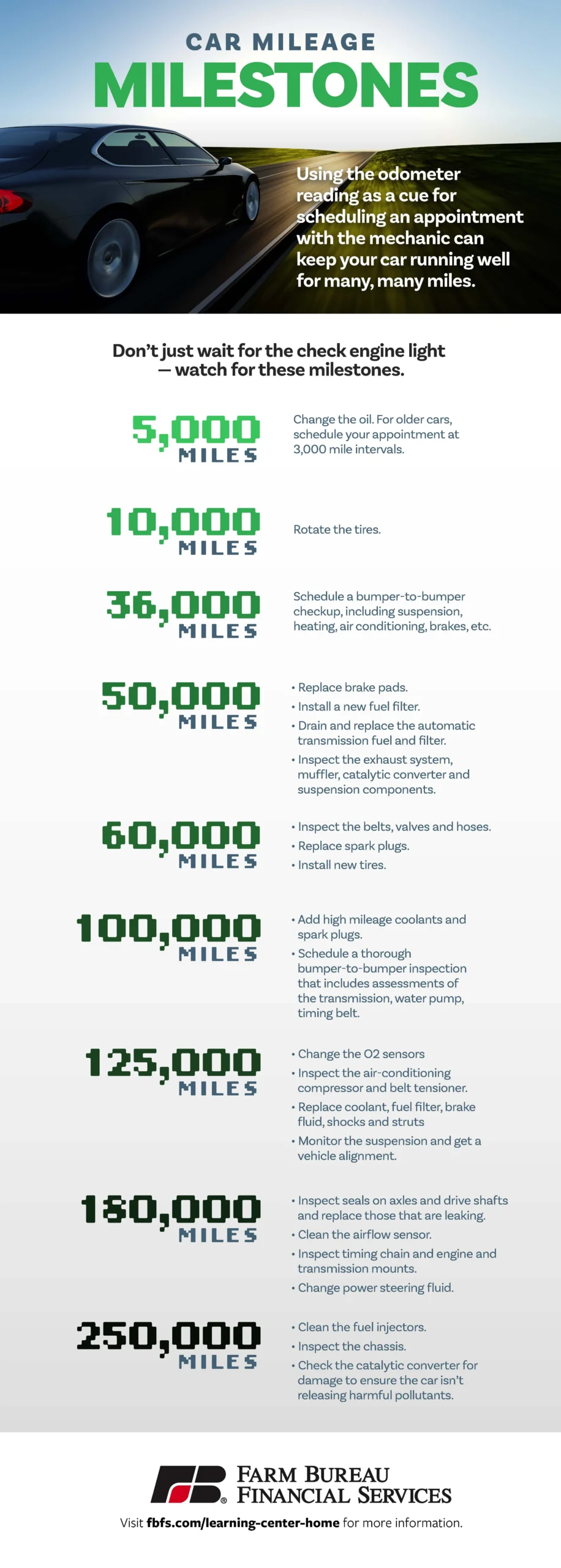
Reaching 100,000 miles on your car is a big milestone. Some people think cars are close to the end of their life at this stage, but modern vehicles can easily go much further with the right care. This is why a 100,000-mile maintenance checklist is important: it helps your car stay reliable, safe, and efficient for many more miles. Many expensive repairs can be avoided with regular checks and preventive maintenance.
At 100,000 miles, certain parts of your vehicle have likely experienced significant wear. Rubber hoses and belts can crack, fluids can become dirty, and key components like the timing belt or water pump may be close to failure. Ignoring these maintenance tasks could lead to breakdowns or even engine damage.
A good checklist helps you spot these issues before they become serious problems.
Another reason the 100,000-mile checklist is important: resale value. Well-maintained cars are worth more. If you decide to sell your vehicle, showing proof of regular maintenance can make it easier to find a buyer and get a better price.
What’s Included In A 100,000-mile Maintenance Checklist?
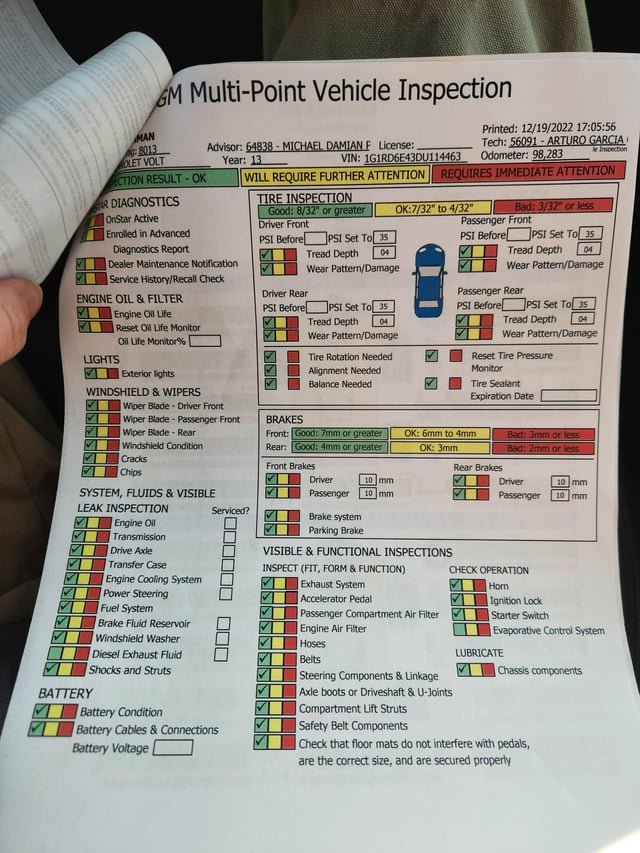
A proper 100,000-mile service covers many areas. Here are the main tasks:
1. Engine Oil And Filter Change
Even if you’ve been changing your oil regularly, now is a great time for another oil and filter change. Clean oil keeps your engine running smoothly and helps prevent damage from friction and heat. Old oil can pick up dirt, metal particles, and lose its ability to protect engine parts.
If your car uses synthetic oil, you might be able to go longer between changes, but at 100,000 miles, it’s wise to stick to the recommended schedule. Always replace the oil filter, too. A clogged filter can allow dirty oil to circulate, wearing out engine parts faster.
Check The Owner Manual First
Check your owner’s manual for the right oil type and quantity. If you live in a very hot or cold climate, consider a special oil grade for better protection.
2. Transmission Fluid Service
Transmission fluid lubricates moving parts in your gearbox and helps with cooling. Over time, it breaks down and collects debris, which can cause rough shifting or even transmission failure. At 100,000 miles, it’s usually time to drain the old fluid and replace it with fresh fluid.
Some vehicles have a transmission filter that should be replaced as well. If you’re not sure, ask your mechanic or check your manual.
Use The Correct Fluid And Service Method
Some cars are labeled “lifetime fill,” but experts often recommend changing transmission fluid anyway, especially if you plan to keep the vehicle for many more years.
3. Timing Belt Or Timing Chain Inspection
The timing belt or chain keeps your engine’s parts moving in sync. If it breaks, the engine can suffer major damage. Many vehicles require a timing belt replacement around 100,000 miles. Timing chains usually last longer, but they should still be inspected for wear or stretching.
Ignoring the timing belt is one of the most expensive mistakes car owners make. If your belt is overdue, replace it as soon as possible.
Timing Belt Risk Depends On Engine Design
On many Honda and Toyota engines, the timing belt should be changed at 90,000–100,000 miles. On some newer cars, a timing chain is used, which may last longer but still needs checking.
4. Water Pump Replacement
Often, the water pump is driven by the timing belt. If you’re replacing the belt, it makes sense to replace the water pump at the same time, even if it isn’t leaking yet. This saves money on labor, since the same parts must be removed for both jobs.
A failed water pump can cause overheating, which may ruin the engine. It’s a small part, but very important.
5. Coolant Flush
Coolant protects your engine from overheating and corrosion. Over time, it loses effectiveness and can become acidic, damaging the radiator and other parts. A coolant flush removes old, dirty fluid and replaces it with fresh coolant.
Most manufacturers recommend changing coolant every 50,000–100,000 miles, so this is a good time to do it.
6. Spark Plug Replacement
Spark plugs ignite the fuel in your engine. Worn spark plugs cause poor fuel economy, rough running, and can make your car hard to start. Modern spark plugs last longer than older types, but by 100,000 miles, they usually need to be replaced.
Ask for “OEM” (original equipment manufacturer) plugs. Cheap plugs may not work well with your engine.
Worn Spark Plugs Can Stress Ignition Coils
When replacing spark plugs, it’s also smart to inspect ignition coils and spark plug wires. If they look worn or cracked, replace them too for best performance.
7. Brake System Inspection
Brakes are critical for safety. At 100,000 miles, check brake pads, rotors, calipers, and fluid. Worn pads or thin rotors can cause poor stopping and damage other parts. Brake fluid absorbs moisture over time, which can lead to rust and poor braking.
Replace any worn parts and bleed the brake system to remove air and old fluid.
Brake Fluid Condition Matters Too
Listen for squeaks or grinding noises. These are signs your brake pads are worn out.
8. Suspension And Steering Check
Ball joints, bushings, shocks, and struts wear out over time, making your car feel loose or bouncy. Worn suspension can cause uneven tire wear and poor handling. Have a mechanic inspect these parts and replace any that are worn or leaking.
Steering components like tie rods and rack-and-pinion assemblies should also be checked for play or leaks.
9. Tire Inspection And Rotation
Tires should be rotated every 5,000–7,000 miles to help them wear evenly. At 100,000 miles, inspect for cracks, uneven wear, or low tread. If the tread is less than 2/32 inch (about the thickness of a penny), replace the tires.
Don’t forget the spare tire—make sure it’s inflated and in good shape.
Uneven Tire Wear Can Point To Alignment Problems
Check your alignment if your tires show uneven wear. Poor alignment can reduce the life of new tires and make your car harder to control.
10. Battery And Charging System Test
Batteries usually last 3–5 years, so at 100,000 miles, yours may be due for replacement. Test the battery and charging system (alternator) to avoid unexpected breakdowns.
Clean any corrosion on battery terminals, and make sure cables are tight.
11. Air And Cabin Filter Replacement
Your engine air filter keeps dirt out of the engine, while the cabin filter cleans air coming into the car’s interior. Dirty filters reduce efficiency and can make heating and air conditioning less effective.
Replace both filters for best performance.
12. Fuel System Service
Fuel injectors and filters can become clogged over time, reducing power and fuel economy. Consider a fuel system cleaning and replace the fuel filter if your car has one (some newer models have non-serviceable filters).
13. Exhaust System Inspection
Check for rust, leaks, or damage in the exhaust pipes, muffler, and catalytic converter. A leaking exhaust can let dangerous gases into the cabin and may cause your car to fail emissions tests.
14. Hoses And Belts
Rubber hoses and belts can dry out, crack, or break with age. Inspect all belts (serpentine, drive, accessory) and hoses (coolant, vacuum, fuel) for signs of wear.
Replace any that look brittle or damaged.
15. Lights And Electrical Systems
Test all lights, including headlights, brake lights, turn signals, and interior lights. Replace burnt-out bulbs and check fuses.
If any electrical features (like power windows or locks) are not working, have them checked. Small problems can sometimes point to bigger electrical issues.
16. Lubricate Door Hinges And Locks
This step is often forgotten but makes daily use smoother and prevents doors and locks from sticking or squeaking.
Credit: www.thompsonstoyota.com
Common Mistakes At 100,000 Miles
Many car owners focus only on obvious items like oil changes and tires. Here are a few common mistakes to avoid:
- Ignoring preventive replacements: Waiting for a belt, pump, or other part to fail instead of replacing it as recommended can lead to bigger and more expensive repairs.
- Skipping the small stuff: Filters, hoses, and fluids may seem minor, but they protect major components.
- Overlooking documentation: Keep records of all work done. This helps with resale and future repairs.
- Trusting “lifetime” claims: No fluid or part truly lasts forever. Even “lifetime” fluids and belts should be checked and changed as a car ages.
Choosing The Right Shop Or Mechanic
When your car needs 100,000-mile service, choose a reputable shop or mechanic. Look for:
- Certifications (like ASE)
- Good reviews and word-of-mouth recommendations
- Clear estimates and explanations
Don’t be afraid to ask questions. A good mechanic will explain what’s needed and why. If you’re unsure about a repair, ask to see the old part or get a second opinion.
Credit: www.fbfs.com
Saving Money On 100,000-mile Maintenance
Car maintenance can be expensive, but skipping it can cost even more. Here are tips to keep costs under control:
- Group services: If several jobs require removing the same parts, do them together to save on labor.
- Use quality parts: Cheap parts may fail sooner and cause more problems.
- Shop around: Get quotes from several shops, but be wary of prices that seem too low.
When To Consider Selling Instead
Sometimes, the cost of repairs at 100,000 miles is more than the car is worth. Consider your vehicle’s value, repair history, and how much you enjoy driving it. If you’re facing a major repair (like a transmission or engine rebuild), it may make sense to sell and upgrade.
A 100,000-mile maintenance checklist is more than just a list of chores—it’s a plan to keep your vehicle dependable, safe, and valuable for many more years. By taking care of your car at this milestone, you can avoid unexpected breakdowns, save money in the long run, and enjoy peace of mind on the road.
If you want more details or want to see manufacturer recommendations, check your owner’s manual or visit the [National Institute for Automotive Service Excellence (ASE)](https://www.ase.com/vehicle-owners) for trusted advice.
Taking the time for this service is an investment in your car’s future. You—and your car—will be glad you did.
Credit: www.reddit.com
