
A car accident can be frightening and stressful. But what if, after everything settles, your car won’t start? Many drivers face this confusing problem. Your vehicle was running before, but now it is silent, or maybe there are strange noises. Understanding why this happens is important, especially if you need to move your car for safety or repair.
This article will help you discover the most common reasons a car won’t start after an accident, what you can check yourself, and what to do next. Whether you are at the scene or at home, you will find practical advice here. Let’s look at why this problem happens and what steps you should take.
Why Cars Often Fail To Start After An Accident
Modern cars are designed with safety in mind. When an accident happens, many parts may stop working for protection or due to damage. Here are the main reasons:
- Fuel system shut-off: Most cars have a fuel cut-off switch. If the car senses a collision, it stops fuel flow to prevent fire.
- Electrical issues: Wires or connections can be damaged, stopping the starter or battery from working.
- Battery problems: The battery can be knocked loose, disconnected, or damaged.
- Starter or ignition damage: The force of an accident can break parts that help the car start.
- Engine damage: If the crash is hard, the engine may be damaged or jammed.
- Safety system activation: Airbags and other safety systems may lock the car’s electronics.
- Computer (ECU) faults: The car’s brain may detect a problem and prevent starting.
Understanding these points helps you know where to look first.
Common Reasons Your Car Won’t Start After An Accident
Let’s look deeper into each problem area, with examples and what you might notice.
Fuel System Shut-off
Most modern cars have an inertia switch or fuel pump shut-off device. After a crash, this switch cuts power to the fuel pump. This prevents gas from leaking and causing fire. If your car cranks but won’t start, this may be the cause.
Example: Ford and Honda vehicles are known for using inertia switches. If you check your car manual, you may find instructions for resetting this switch.
Electrical Problems
Wires can come loose, fuses can blow, or connections can break. If you hear nothing when you turn the key, or see no lights on your dashboard, suspect an electrical issue.
Non-obvious insight: Sometimes, even a small accident can make wires inside the engine bay disconnect, especially ground wires. These wires are easy to miss but are critical for starting.
Battery Issues
The car battery can be shifted by the impact. If it’s not held tightly, the cables can disconnect or the battery itself can break. Signs include no power, dim lights, or clicking sounds.
Practical tip: Check if the battery is secure and the cables are connected tightly. Look for leaks or cracks.
Starter Or Ignition System Damage
The starter motor turns the engine. In a front-end crash, the starter or ignition switch can be damaged. You may hear a single click, or nothing at all, when you try to start.
Engine Damage
If the accident was strong, the engine could be physically damaged. Sometimes, the timing belt or internal parts break or jam. If you hear strange noises, or the engine sounds “stuck,” do not keep trying to start—it could make things worse.
Non-obvious insight: Even a small bump can sometimes shift engine parts, causing sensors to think the engine is in the wrong position.
Airbag And Safety System Lockdown
After airbags deploy, many cars lock out the ignition or fuel system for safety. The SRS (Supplemental Restraint System) may need to be reset by a mechanic.
Computer (ecu) Faults
Modern cars have computers (ECU) that control everything. If the ECU sees a crash signal, it may prevent starting. Sometimes, a special tool is needed to reset the system.

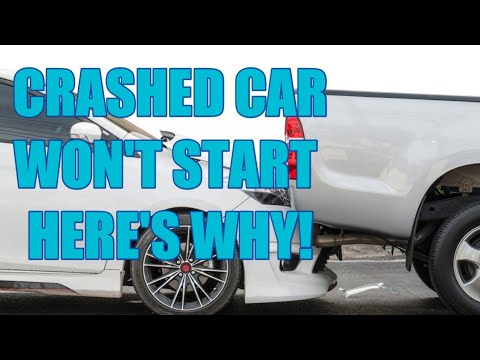
Credit: www.youtube.com
What You Can Check Yourself (if Safe)
If your accident was minor and you feel safe, you can check a few things before calling for help. Never check under the hood if there is fire, smoke, leaking fluids, or you are on a busy road.
- Visual inspection: Look for loose wires, battery cables, or leaking fluids.
- Battery check: See if the battery is secure and cables are tight.
- Fuel switch reset: Check your car’s manual for a fuel cut-off or inertia switch location.
- Fuses: Look for blown fuses in the main fuse box.
- Listen and observe: Note any sounds when turning the key—clicks, silence, or repeated cranking.
If anything looks serious or you feel unsure, it’s safest to call a professional.
When To Avoid Starting The Car
Sometimes, trying to start your car after an accident can cause more damage. Here’s when you should NOT try to start:
- Fluids on the ground: Oil, coolant, or fuel leaks can cause fire or engine damage.
- Engine makes strange noises: Grinding, banging, or no noise at all are warning signs.
- Airbags have deployed: The car may need a computer reset first.
- Smell of fuel or burning: This signals a risk of fire.
What To Do Next: Step-by-step
If your car won’t start after an accident, follow these practical steps:
- Stay safe: Move away from traffic. Turn on hazard lights.
- Check for injuries: Make sure you and passengers are okay.
- Look for leaks or smoke: Do not try to start if you see these.
- Try a simple restart: If safe, turn the key. Note any sounds or lights.
- Check basics: Battery connections, fuel switch, fuses.
- Call for help: Contact roadside assistance or a tow truck if the car still won’t start.
- Document the scene: Take pictures for insurance.
- Inform your insurance company: Explain the car won’t start and why.
- Get a repair assessment: Let a mechanic check the car before more attempts to start.
How Mechanics Diagnose The Problem
A qualified mechanic will follow a methodical approach. Here’s how they usually check:
- Visual inspection: Look for obvious damage under the hood and under the car.
- Diagnostic scan: Use a computer to read codes from the car’s ECU.
- Battery and alternator test: Check if the battery is charged and the alternator works.
- Check starter and ignition: Test if the starter receives power.
- Fuel system test: Make sure fuel is reaching the engine.
- Check engine and sensors: Inspect for broken belts, damaged sensors, or jammed parts.
Here’s a comparison of possible causes and symptoms:
| Cause | What You Notice | Possible Solution |
|---|---|---|
| Fuel shut-off | Cranks but does not start | Reset fuel switch |
| Battery issues | No power, dim lights | Reconnect or replace battery |
| Starter damage | Single click or silence | Repair or replace starter |
| Engine damage | Strange noises, no crank | Professional repair |
| ECU lockout | No start, airbag light | Computer reset |
Insurance And Towing Tips
If your car won’t start after an accident, insurance and towing are important steps. Here’s how to handle them:
- Contact your insurer quickly. Many policies cover towing and repairs after an accident.
- Do not attempt major repairs yourself. This can affect your claim.
- Get the car to a safe location. If possible, have it towed to a trusted repair shop.
- Keep records. Save all receipts and photos of the scene and damage.
A towing company will safely move your car without causing more harm. Towing costs can vary, but most insurance will cover at least part of the fee.
Here’s a simple cost comparison for towing after an accident:
| Type of Tow | Average Cost (USD) | Insurance Coverage |
|---|---|---|
| Standard tow (10 miles) | $75 – $125 | Usually covered |
| Flatbed tow | $100 – $150 | Often covered |
| Long-distance tow | $200+ | Sometimes covered |
Preventing Future Start Problems After A Crash
While you can’t always avoid accidents, you can prepare for what happens after:
- Know your car’s safety systems. Read your manual to understand where fuel cut-off switches or fuses are located.
- Keep emergency contacts. Roadside help and insurance numbers should be easy to find.
- Use strong battery holders. This reduces the risk of battery problems in small crashes.
- Check after minor bumps. Even after a small accident, check the basics before driving off.
Some drivers miss the importance of resetting safety switches or checking for hidden wire damage. These simple steps can save time and money.
Real-life Example
Imagine you have a 2018 Honda Civic. After a fender bender, the car won’t start. You check the dashboard—no warning lights, but the engine cranks without starting. After reading the manual, you find the fuel cut-off switch in the passenger footwell. You reset it, and the car starts.
Not all cases are this easy, but knowing these basics helps you stay calm and act smartly.
When To Call A Professional
If you check the basics and your car still won’t start, it’s time for expert help. Call a trusted mechanic or roadside service if:
- You see or smell fuel, oil, or burning.
- The car is badly damaged or leaking fluids.
- Warning lights stay on after trying to start.
- You are not comfortable checking under the hood.
A professional can diagnose hidden problems, like ECU faults or internal damage, using special tools.

Credit: www.youcanic.com
How Car Technology Affects Post-accident Starting
Modern cars are more complex than older models. Features like automatic emergency braking, multiple airbags, and advanced ECUs mean more things can prevent starting after an accident.
Here’s a look at how older and newer cars compare:
| Car Type | Common Issues After Accident | Ease of Fixing |
|---|---|---|
| Older (pre-2000) | Battery, basic wiring | Usually easy |
| Modern (2000+) | ECU, fuel switches, advanced sensors | Often needs a professional |
If your car is newer, you may need a dealer or specialist repair shop to reset safety systems.
Should You Try To Jump Start After An Accident?
Jump starting only helps if the battery is dead and there is no other damage. If you try to jump start and nothing happens, or you hear strange noises, stop and seek help. Jump starting will not fix fuel, starter, or engine problems caused by a crash.
Getting Back On The Road Safely
Before you drive your car after an accident, make sure:
- All warning lights are off.
- There are no fluid leaks.
- Brakes, steering, and lights work normally.
- You have reported the accident as required by law.
If you are unsure, get a mechanic’s inspection first. Driving a damaged car can be dangerous for you and others.
For more details on car safety features and crash response, visit the Automotive Safety Wikipedia page.
Frequently Asked Questions
Why Won’t My Car Start After A Minor Accident?
Even a small accident can trigger safety systems, disconnect wires, or shift the battery. Check the basics first—battery, fuel cut-off switch, and fuses.
How Do I Reset My Car’s Fuel Cut-off Switch?
The location depends on your car model. Usually, it’s in the trunk, passenger footwell, or under the dashboard. Check your car manual for instructions.
Can I Drive My Car If It Starts After An Accident?
Only if there are no warning lights, leaks, or strange noises. If in doubt, have a mechanic check the car first to ensure it’s safe.
Does Insurance Cover Repairs If My Car Won’t Start After A Crash?
Most comprehensive insurance covers accident-related repairs and towing. Contact your insurance company as soon as possible.
Should I Disconnect The Battery After An Accident?
If there is a risk of fire, leaking fluids, or electrical short, disconnecting the battery can prevent further problems. If you are unsure, wait for professional help.
If your car won’t start after an accident, staying calm and following these steps will help you handle the situation safely and smartly. Understanding your car’s systems and knowing when to call for help makes a big difference in getting back on the road.
Credit: www.youtube.com
