
If your car won’t start and you suspect a bad camshaft sensor, you’re not alone. Many drivers have faced this problem and felt confused about what to do next. Modern cars rely on sensors more than ever, and a failing camshaft sensor can cause frustrating issues. Understanding how this sensor works, what signs to look for, and how to fix the problem can save you time, money, and stress.
What Is A Camshaft Sensor And Why Is It Important?
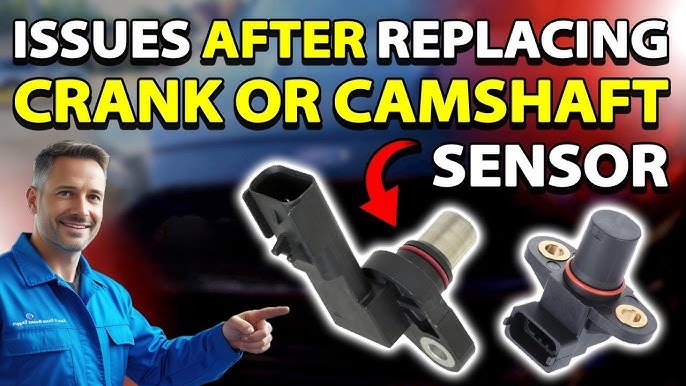
The camshaft position sensor is a small but vital part in your car’s engine. Its job is to monitor the position and speed of the camshaft, then send this information to the engine control unit (ECU). The ECU uses this data to control when fuel is injected and when the spark plugs fire. If the camshaft sensor fails, the engine may not know when to operate these systems, leading to poor performance or even a car that won’t start.
A camshaft sensor is usually located near the top or side of the engine, close to the camshaft itself. It uses either a magnetic or Hall effect principle to detect the camshaft’s position as it rotates.
How A Bad Camshaft Sensor Prevents Your Car From Starting
When a camshaft sensor goes bad, your car’s ECU can’t get the correct information. In some cars, the ECU will refuse to start the engine to prevent damage. In others, it may try to use backup information from the crankshaft sensor, but the engine may run rough, misfire, or not start at all.
Here are the main ways a bad camshaft sensor can stop your car from starting:
- No Signal to ECU: The ECU needs accurate camshaft data to determine the timing for fuel injection and spark. If the sensor is dead, it may not allow the ignition sequence to begin.
- Wrong Timing: If the sensor gives wrong information, the ECU might inject fuel or fire the spark plugs at the wrong time. This can cause no start, backfiring, or stalling.
- Failsafe Mode: Some cars enter a “limp” or “failsafe” mode when they detect a bad sensor. In this mode, the engine won’t start to protect itself.
Credit: www.youtube.com
Signs And Symptoms Of A Bad Camshaft Sensor
Many symptoms can point to a faulty camshaft sensor. Knowing these can help you diagnose the issue faster.
- Engine won’t start: The most obvious sign, especially if there are no other mechanical issues.
- Check engine light: This light may come on, often with codes like P0340 or P0341.
- Hard starting: The engine may take a long time to crank or may start sometimes and not others.
- Engine misfires or stalls: The engine might run unevenly, misfire, or stall unexpectedly.
- Poor fuel economy: Because the timing is off, your car might use more fuel.
- Rough idling: The engine shakes or idles unevenly.
- Reduced power: You may notice a lack of acceleration.
A non-obvious sign: Sometimes the problem only happens when the engine is hot. A failing sensor can work when cold but fail as it heats up.
How To Diagnose A Bad Camshaft Sensor
Finding out if the camshaft sensor is really the problem takes some careful steps. Here’s a practical way to check:
- Scan for Codes: Use an OBD-II scanner to check for error codes. Codes like P0340 (Camshaft Position Sensor Circuit Malfunction) are strong hints.
- Visual Inspection: Look for broken wires, loose connectors, or oil leaks around the sensor.
- Test the Sensor: Use a multimeter to check the sensor’s resistance or voltage output. Compare your readings to the manufacturer’s specs.
- Check Related Parts: Sometimes, a bad crankshaft sensor can cause similar problems. Make sure both sensors are working.
- Engine Crank Test: If the engine cranks but won’t start, and you have spark and fuel, the camshaft sensor is a likely suspect.
Common Diagnostic Mistakes
- Ignoring wiring: Sometimes the sensor is fine, but the wires or connectors are damaged.
- Not checking the crankshaft sensor: Both sensors work together. A bad crankshaft sensor can cause similar symptoms.
- Assuming all no-starts are sensor-related: Batteries, starters, or fuel pumps can also cause no-start problems.
Credit: www.autotechiq.com
What Causes A Camshaft Sensor To Fail?
Understanding why a camshaft sensor fails can help prevent future problems. Some common causes include:
- Heat and vibration: Sensors are exposed to high engine temperatures and constant movement. Over time, this wears them out.
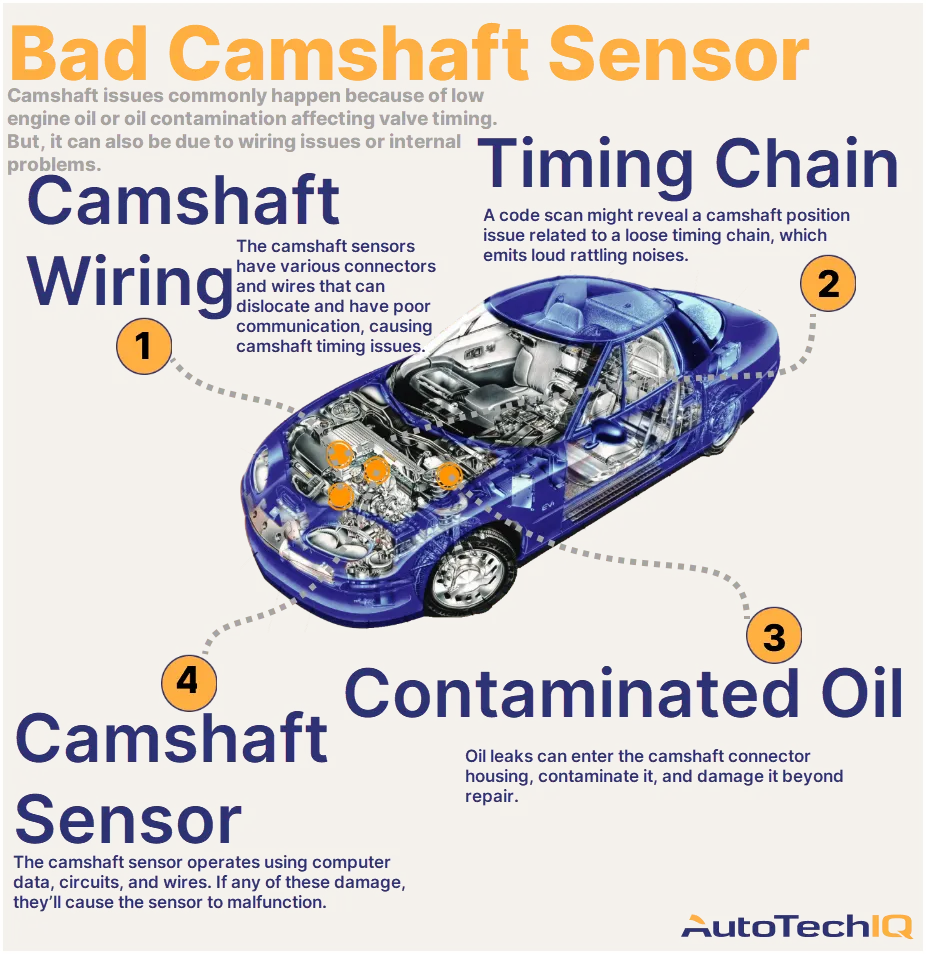
- Oil leaks: Oil can seep into the sensor, causing it to short out.
- Electrical problems: Corrosion or damaged wires can interrupt the signal.
- Manufacturing defects: Sometimes, sensors simply fail because of poor quality.
Non-obvious insight: Many aftermarket sensors are cheaper but may not last as long as original equipment manufacturer (OEM) parts.
How To Fix Or Replace A Bad Camshaft Sensor
If you confirm the sensor is faulty, replacement is usually straightforward. Here’s how to do it safely:
- Disconnect the battery: Always remove the negative terminal before working on sensors.
- Locate the sensor: Check your owner’s manual or look near the camshaft.
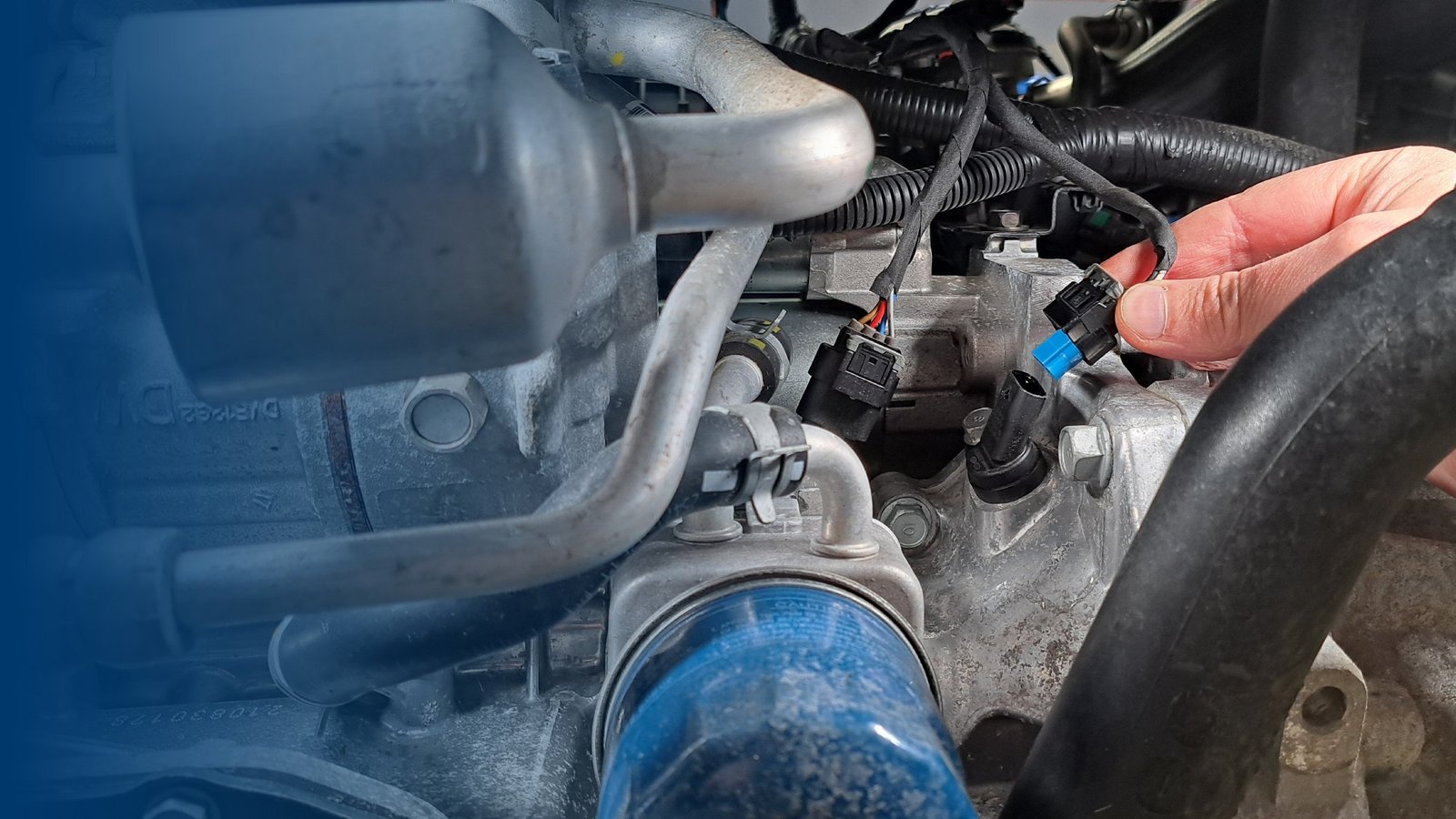
- Unplug the connector: Carefully remove the electrical connector from the sensor.
- Remove the sensor: Use the correct tool (usually a small socket) to remove the sensor bolt.
- Install the new sensor: Place the new sensor in position, secure it with the bolt, and reconnect the wiring.
- Reconnect the battery: Reattach the negative terminal.
- Clear error codes: Use an OBD-II scanner to erase old codes.
Practical Tips
- Use OEM parts: They usually last longer and fit better.
- Don’t overtighten: Tighten the sensor bolt to the correct torque.
- Check for oil leaks: If oil is present, fix the leak before installing the new sensor.
How Much Does It Cost To Replace A Camshaft Sensor?
The total cost depends on your car model and whether you do it yourself or hire a mechanic. Here’s a comparison:
| Replacement Type | Estimated Cost (USD) |
|---|---|
| DIY (Sensor Only) | $30 – $100 |
| Professional Mechanic | $100 – $300 |
Keep in mind, labor costs can be higher for cars where the sensor is hard to reach.
Camshaft Sensor Vs. Crankshaft Sensor: What’s The Difference?
People often confuse these two sensors because they work together. Here’s how they compare:
| Feature | Camshaft Sensor | Crankshaft Sensor |
|---|---|---|
| Location | Near camshaft, top/side of engine | Near crankshaft, bottom of engine |
| Main Function | Monitors camshaft position | Monitors crankshaft position |
| Effect if Fails | Hard/no start, misfires | No start, engine stalls |
| Backup Operation | Sometimes possible | Rarely possible |
A key insight: Some engines can run (poorly) with a bad camshaft sensor, but almost all will completely fail to run with a bad crankshaft sensor.
Can You Drive With A Bad Camshaft Sensor?
If your car starts at all, you might wonder if it’s safe to drive. Here’s what you should consider:
- Engine may stall: The car could stop running at any time, which is dangerous in traffic.
- Possible engine damage: Running with incorrect timing can harm your engine long-term.
- Increased fuel use: The engine will not run efficiently.
- Emissions issues: You might fail an emissions test.
For safety, it’s best to fix the problem as soon as possible. Driving with a failing sensor can leave you stranded and cause more expensive damage.
Preventing Camshaft Sensor Problems
While you can’t always avoid sensor failure, there are steps to lower the risk:
- Regular oil changes: Dirty oil can cause leaks and damage sensors.
- Fix oil leaks quickly: Oil on or near the sensor is a warning sign.
- Use quality parts: Cheap sensors often fail faster.
- Check wiring: Make sure sensor connectors are clean and tight during routine maintenance.
One often missed tip: When changing the sensor, always double-check the wiring harness for wear, as a damaged wire can cause a new sensor to fail quickly.
Real-world Example: Diagnosing A No-start Problem
Imagine your car won’t start on a hot day, but cranks normally. The check engine light is on, and you use a scanner to find code P0340. You notice the sensor wiring looks fine, but there’s a small oil leak near the sensor. According to AAA’s Approved Auto Repair program, shops that employ ASE-certified or factory-trained technicians must meet strict standards for training, equipment, and customer service.
After replacing the sensor and fixing the oil leak, the car starts perfectly. This shows how a small oil leak can cause major problems.
When To See A Mechanic
If you feel unsure or if the sensor is hard to reach, it’s smart to visit a professional. Mechanics have tools to test sensors, check wiring, and spot hidden issues. Sometimes, a no-start problem is caused by something else, like the fuel pump or ignition system.
A skilled mechanic can save you time and guesswork.
Troubleshooting: Other Reasons Your Car Won’t Start
Sometimes, a bad camshaft sensor is not the cause. Here are other common reasons:
| Problem | Symptoms |
|---|---|
| Dead battery | No lights, no cranking |
| Bad starter | Clicking noise, no crank |
| Fuel pump failure | Cranks but no start, no fuel sound |
| Ignition system failure | No spark, engine cranks |
| Bad crankshaft sensor | No start, similar to camshaft sensor |
Frequently Asked Questions
What Happens If I Ignore A Bad Camshaft Sensor?
If you ignore a bad camshaft sensor, your car may eventually stop starting altogether. You can also damage other engine parts because the timing will be off. It’s best to repair the problem quickly.
Will A Bad Camshaft Sensor Always Trigger The Check Engine Light?
Most of the time, yes. A failing sensor usually triggers the check engine light and stores an error code. However, on rare occasions, the sensor may fail without a warning light, especially if the fault is intermittent.
Can I Replace A Camshaft Sensor Myself?
Yes, many people can replace a camshaft sensor at home with basic tools. If the sensor is easy to reach and you follow the right steps, it’s a good DIY project. Always disconnect the battery first.
How Long Does A Camshaft Sensor Last?
A camshaft sensor often lasts 100,000 miles or more, but heat, vibration, and oil leaks can cause early failure. Using quality parts and keeping your engine maintained will help it last longer.
Where Can I Find More Information About Engine Sensors?
For more detailed technical information about engine sensors, check out the Wikipedia page on camshaft position sensors.
A bad camshaft sensor can be a frustrating problem, but with the right approach, you can solve it and get your car running again. If you’re unsure, always seek help from a qualified mechanic. Catching sensor problems early protects your engine and keeps you safe on the road.
Credit: www.delphiautoparts.com