
When the check engine light turns on in your car, it can feel stressful and confusing. Many drivers worry about how serious the problem might be, especially if the warning points to the catalytic converter. This part of your car’s exhaust system is important for reducing pollution, but many people don’t really know what it does, why it fails, or how to handle a check engine light related to it. If you’re not a car expert, don’t worry. In this article, you’ll learn everything you need to know about the check engine light and the catalytic converter, explained in simple, clear English.
What Is A Catalytic Converter?
A catalytic converter is a device in your car’s exhaust system. Its main job is to reduce harmful gases that come out of your car’s engine. It changes dangerous gases like carbon monoxide, nitrogen oxides, and hydrocarbons into less harmful substances (carbon dioxide, nitrogen, and water vapor). Most cars made after 1975 have a catalytic converter because it’s required by law in many countries for cleaner air.
Inside a catalytic converter, there is a ceramic or metal structure covered with platinum, palladium, and rhodium. These metals act as catalysts, which means they help chemical reactions happen faster without being used up themselves. When hot exhaust gases pass through, the converter changes toxic gases into safer ones before they exit the tailpipe.
Why Does The Check Engine Light Come On?
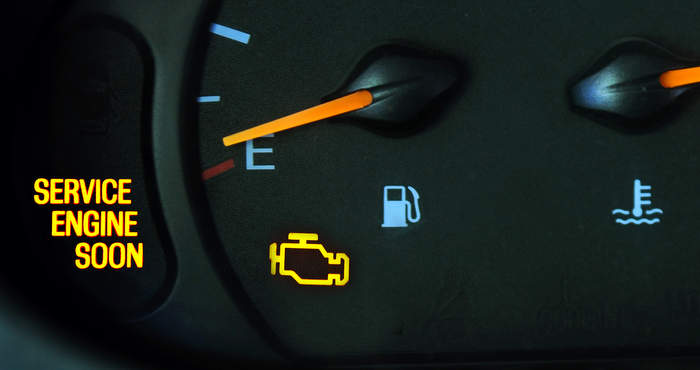
The check engine light is part of your car’s computer system. It’s there to warn you if something in the engine or exhaust system isn’t working right. When the light comes on, it means the car’s sensors have found a problem.
If the problem is with the catalytic converter, the most common reason is that it’s not working as efficiently as it should. This could mean it’s not cleaning the exhaust gases well enough, and the car’s oxygen sensors have noticed the difference.
Other problems can also trigger the check engine light, but a catalytic converter issue is one of the more serious causes.
Credit: www.brakeandfrontend.com
How The Car Detects Catalytic Converter Problems
Modern cars use oxygen sensors (O2 sensors) before and after the catalytic converter. These sensors measure how much oxygen is in the exhaust gas. The car’s computer compares these readings to see if the converter is doing its job.
If the readings before and after the converter are too similar, it means the converter isn’t reducing the harmful gases as it should. The computer will then turn on the check engine light and store a trouble code (usually P0420 or P0430) in its memory.
Here’s a simple comparison of what the sensors do:
| Sensor Location | Main Function | Normal Reading |
|---|---|---|
| Upstream (before converter) | Measures engine exhaust gases | Fluctuates quickly |
| Downstream (after converter) | Checks converted exhaust gases | Steady, low fluctuation |
If both sensors show similar data, the car’s computer knows the catalytic converter is not working well.
Common Causes Of Catalytic Converter Failure
There are several reasons why a catalytic converter might fail:
- Engine problems – If the engine is running poorly (misfiring, burning oil, or using too much fuel), it can send unburned fuel into the converter. This can cause it to overheat or get clogged.
- Contaminants – Using the wrong kind of fuel or oil can introduce harmful chemicals (like lead or phosphorus) that damage the converter’s precious metals.
- Physical damage – Hitting a large bump or object on the road can break the inside of the converter or its housing.
- Old age – Like any car part, converters wear out over time. Most last 10 years or more, but shorter life is possible with poor maintenance.
- Sensor failure – Sometimes, the problem is not the converter itself but a bad oxygen sensor, giving the computer false readings.
Signs Of A Failing Catalytic Converter
You may notice some clear symptoms if your catalytic converter is going bad:
- Reduced engine performance – The car may feel sluggish, especially when going uphill or accelerating.
- Poor fuel economy – You need more fuel to travel the same distance.
- Rattling noises – If the inside of the converter is damaged, you might hear a metallic rattle from underneath the car.
- Failed emissions test – Your car can’t pass an inspection if the converter isn’t working.
- Rotten egg smell – A strong sulfur smell can mean the converter isn’t breaking down gases properly.
Not every symptom means you must replace the converter right away, but you should not ignore them.
What To Do When The Check Engine Light Comes On
If your check engine light turns on and stays on, you should:
- Check your gas cap – Sometimes, a loose gas cap can trigger the light. Tighten it and see if the light goes off after a day.
- Notice any changes – Pay attention to how your car is running. Is it slower, noisier, or using more gas?
- Get the code read – Most auto parts stores will read your car’s trouble codes for free. Look for codes like P0420 (Catalyst System Efficiency Below Threshold).
- Do not ignore – Driving too long with a catalytic converter problem can damage your engine or fail an emissions test.
- Visit a mechanic – A professional can confirm if the issue is the converter itself or something else like sensors, wiring, or engine problems.

Credit: www.reddit.com
Diagnosing Catalytic Converter Problems
A mechanic will use several methods to check if the catalytic converter is at fault:
- OBD-II scanner – This tool reads the codes from your car’s computer and shows live data from sensors.
- Temperature test – The temperature before and after the converter should be different. If not, the converter may be clogged or not working.
- Backpressure test – High pressure in the exhaust means the converter is likely blocked.
Here’s a quick look at diagnostic tools:
| Tool | What It Checks | What It Finds |
|---|---|---|
| OBD-II Scanner | Error codes, sensor data | Confirms trouble code |
| Infrared Thermometer | Surface temperature | Checks for heat difference |
| Backpressure Gauge | Exhaust flow resistance | Detects blockages |
Repair Or Replace: What Are Your Options?
When a catalytic converter is faulty, you have a few choices:
- Repair – In some rare cases, cleaning the converter helps if it’s only mildly clogged and not broken. There are special cleaning additives, but success is limited.
- Replace oxygen sensors – Sometimes, replacing bad sensors can solve the problem if the converter is still in good shape.
- Replace the converter – If the converter is damaged, melted, or completely blocked, it must be replaced. This is the most common fix.
Prices can vary a lot. A new converter for a small car might cost $300–$800 for parts, but for larger vehicles or those with special converters, it can be $1,000 or more. Labor adds extra cost. It’s important to use a quality, legal replacement, as cheap converters may not last or pass emissions.
Can You Drive With The Check Engine Light On?
If your check engine light is steady and your car runs normally, you may be able to drive for a short time. But if the light is flashing, or you notice poor performance, rattling, or bad smells, stop driving and get help immediately.
Driving with a bad catalytic converter can lead to:
- Engine damage – Backpressure can hurt the engine or other parts.
- Failed emissions – You won’t pass vehicle inspections.
- Legal trouble – In some places, it’s illegal to drive a car with a faulty emissions system.
- Poor fuel economy – You’ll spend more on gas.
How To Prevent Catalytic Converter Problems
You can protect your catalytic converter and avoid expensive repairs by following some simple steps:
- Regular maintenance – Keep up with oil changes, tune-ups, and replace spark plugs when needed.
- Fix problems quickly – Don’t ignore engine misfires, rough running, or warning lights.
- Use the right fuel and oil – Use only what your car’s maker recommends. Avoid fuels with lead or other additives unless specified.
- Avoid short trips – The converter works best when it’s hot. Frequent short drives can build up moisture and cause problems.
- Be careful on rough roads – Avoid hitting curbs or debris that can damage the converter.
Many people don’t realize that engine problems often cause catalytic converter failures, not the other way around. Fixing small issues early can prevent expensive converter repairs later.
The Importance Of Emissions And The Law
The catalytic converter is not just there for your car’s health—it’s crucial for the environment. In many countries, it’s illegal to remove or bypass the converter. There are heavy fines for driving without a working converter or using illegal replacements.
For example, in the US, the Clean Air Act requires all cars to have working emission controls. Mechanics can’t legally remove or disable the converter. If you fail an emissions test, you must repair or replace the converter to renew your car’s registration.
Non-obvious Insights And Common Mistakes
Many drivers think that a check engine light always means an expensive repair. But sometimes, fixing a small engine issue (like a bad spark plug or a leaky gasket) will protect your catalytic converter from failing.
Another common mistake is using fuel additives or cheap “quick fix” products that claim to clean the converter. These rarely work and can sometimes make things worse. The best prevention is good car care, not miracle products.
Credit: www.reddit.com
Comparison: Oem Vs. Aftermarket Catalytic Converters
When replacing a catalytic converter, you’ll need to choose between OEM (Original Equipment Manufacturer) and aftermarket parts. Here’s a comparison to help you decide:
| Type | Cost | Quality | Warranty |
|---|---|---|---|
| OEM | High | Best, direct fit | Longer (5-8 years typical) |
| Aftermarket | Lower | Varies, may not last as long | Shorter (1-3 years) |
OEM converters are usually recommended for newer cars or where emissions rules are strict.
Frequently Asked Questions
What Does The Check Engine Light Really Mean?
The check engine light means your car’s computer has detected a problem with the engine or emission controls. It could be a minor issue (like a loose gas cap) or something serious like a faulty catalytic converter. Always check the code to find out the exact cause.
How Long Can I Drive With A Bad Catalytic Converter?
If the car runs normally and the light is steady, you might drive for days or weeks. But it’s not safe in the long term. A blocked converter can cause engine damage, poor performance, and failed emissions tests. If you notice new noises, smells, or a flashing light, stop and get help.
Will A Bad Catalytic Converter Ruin My Engine?
A completely blocked catalytic converter can cause backpressure and harm the engine. It can lead to overheating, misfires, or even engine failure if ignored for too long. Always address converter issues quickly.
Can I Clean A Catalytic Converter Instead Of Replacing It?
Some cleaning products claim to help, but they usually offer limited results. If the converter is only slightly clogged, a mechanic may try cleaning it. But if it’s damaged or melted, replacement is the only real fix.
How Much Does It Cost To Replace A Catalytic Converter?
Replacement costs vary widely, from $300 to $2,000 or more, depending on your car’s make, model, and the type of converter. Labor adds extra cost. Using quality parts is important to pass emissions and avoid future problems. For more, see this Wikipedia entry on catalytic converters.
A check engine light related to your catalytic converter is not something to ignore. Understanding what it means, what you can do, and how to keep your car’s emissions system healthy will save you money and stress in the long run. Take care of your car, and it will take care of you—and the environment, too.