
Many drivers feel a rush of worry when the check engine light comes on. The dashboard symbol can mean many things, but one common cause is a problem with the EVAP system. This system is not often discussed, but it plays a key role in keeping your car’s emissions clean and your engine running well. If you’ve ever wondered why your check engine light is on, or what the EVAP system actually does, you’re in the right place. Let’s dive deep into how this system works, why it can trigger a warning, and how you can address the problem with confidence.
What Is The Evap System?
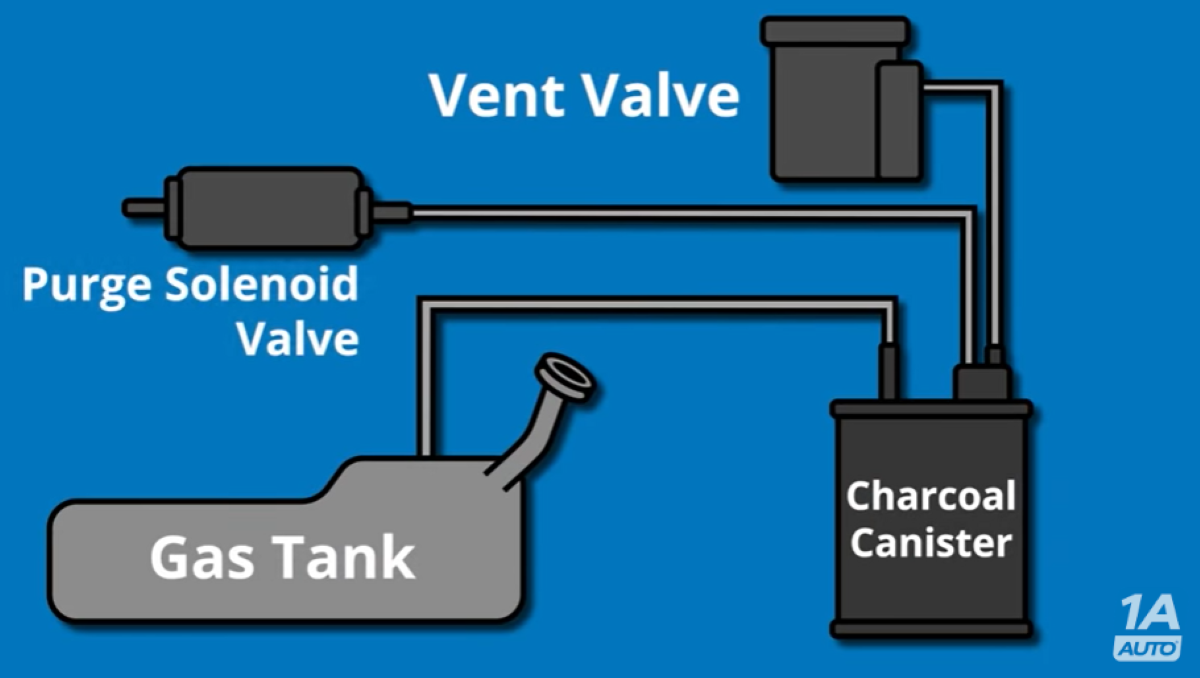
The Evaporative Emission Control System (EVAP) is designed to prevent gasoline vapors from escaping into the air from your car’s fuel system. Instead of letting these vapors pollute the environment, the EVAP system captures and stores them, later sending them to the engine to be burned. This reduces air pollution and helps your vehicle meet emission standards.
The EVAP system includes several parts:
- Fuel tank
- Charcoal canister (captures vapors)
- Purge valve (releases vapors to engine)
- Vent valve (controls airflow in and out)
- Fuel cap
- Various hoses and sensors
Even a small leak or faulty part can cause the system to fail, which often triggers the check engine light.
Why Does The Check Engine Light Come On For Evap Issues?
When the car’s computer (ECU) detects something wrong with the EVAP system, it turns on the check engine light. The most common reasons include:
- A loose or missing gas cap
- Cracked or disconnected hoses
- Faulty valves or sensors
- Leaks in the fuel tank
The car’s ECU regularly tests the EVAP system by pressurizing it and checking for leaks. If the system cannot hold pressure, the ECU stores a diagnostic code and tells you something’s wrong.

Credit: www.reddit.com
Common Evap System Trouble Codes
When the check engine light appears, a scan tool can read special codes that tell you what’s wrong. The most common OBD-II codes related to the EVAP system are:
| Code | Meaning | Possible Cause |
|---|---|---|
| P0440 | EVAP System Malfunction | General leak or failure |
| P0442 | Small Leak Detected | Loose gas cap, tiny hose crack |
| P0455 | Large Leak Detected | Disconnected hose, broken canister |
| P0456 | Very Small Leak Detected | Micro-cracks, cap seal fault |
| P0446 | Vent Control Circuit | Vent valve or wiring issue |
Each code points to a specific problem area, helping mechanics (and owners) narrow down the cause.
Main Parts Of The Evap System And Their Functions
Understanding the key parts of the EVAP system helps you know what might go wrong.
Fuel Tank
The fuel tank stores gasoline and is the starting point for fuel vapors. If the tank or its connections leak, vapors escape, causing the system to fail its test.
Charcoal Canister
This container is filled with activated charcoal. When vapors build up, they are trapped by the charcoal, preventing them from escaping into the air.
Purge Valve
The purge valve acts like a gatekeeper. When the engine is running, it opens to let stored vapors flow from the canister into the engine, where they are burned.
Vent Valve
The vent valve opens and closes to let fresh air into the system during the self-test or vapor purge process. If stuck closed, pressure builds up; if stuck open, vapors escape.
Fuel Cap
Surprisingly, a loose or faulty fuel cap is a leading cause of EVAP leaks. A good cap forms a tight seal on the tank, keeping vapors inside.
Hoses And Sensors
Rubber hoses connect all parts and carry vapors through the system. Special pressure and vacuum sensors measure system health and alert the computer to leaks.
Signs Of Evap System Problems
You might not notice anything wrong with your car besides the check engine light. However, sometimes you’ll spot these signs:
- Strong fuel smell around the car, especially near the tank or rear wheel well
- Decreased fuel efficiency (rare, but possible with large leaks)
- Failed emissions test at inspection stations
- Difficulty starting after refueling (very rare, but possible)
Most of the time, an EVAP problem won’t affect how your car drives. But it will prevent you from passing emissions tests and can lead to bigger engine problems if ignored.
How Mechanics Diagnose Evap System Problems
A professional will use several methods to find the root of the issue:
- Scan for diagnostic codes: Mechanics use an OBD-II scanner to find trouble codes that point to a specific problem.
- Visual inspection: They check all hoses, connections, and the gas cap for visible signs of damage or looseness.
- Smoke test: A special machine sends smoke into the EVAP system. Any escaping smoke marks a leak.
- Test purge and vent valves: Using a multimeter or scan tool, they check if valves open and close properly.
- Check fuel cap seal: Sometimes, the simplest test is to replace the gas cap and see if the code clears.
Here’s a quick look at how these steps compare:
| Method | Tools Needed | Accuracy | Typical Cost |
|---|---|---|---|
| OBD-II Scan | Scanner | High for code, low for exact part | Low to free |
| Visual Inspection | None or flashlight | Medium | Free |
| Smoke Test | Smoke machine | Very high | Moderate |
| Valve Testing | Multimeter, scan tool | High | Low to moderate |
Diy Steps: What You Can Check First
If you’re comfortable working around your car, you can check a few things before going to a mechanic:
- Tighten or replace the gas cap: Remove the cap and inspect the rubber seal. Clean it and make sure it clicks when you close it.
- Inspect hoses: Look for cracks, splits, or disconnected hoses near the charcoal canister or under the car.
- Clear the code: If you have an OBD-II scanner, clear the code after checking the cap. If the light returns, there’s likely another issue.
Tip: Sometimes, it takes several drive cycles (on/off/drive) for the check engine light to reset after a simple fix.
Common Repairs For Evap System Problems
Most EVAP repairs are straightforward if you know the cause. Here are the usual fixes:
- Replace gas cap: Cheap and easy. Often solves the problem.
- Replace faulty hose: Find and replace any cracked or leaking hoses.
- Replace purge or vent valve: These parts can stick open or closed, stopping the system test.
- Replace charcoal canister: If saturated or broken, it must be changed.
- Repair wiring or sensors: Rare, but sometimes the problem is an electrical fault.
Here’s a cost comparison for common EVAP repairs:
| Repair | Average Cost (USD) | DIY Difficulty |
|---|---|---|
| Gas Cap Replacement | $10–$30 | Very Easy |
| Hose Replacement | $20–$100 | Easy to Moderate |
| Purge Valve Replacement | $50–$150 | Moderate |
| Vent Valve Replacement | $70–$200 | Moderate |
| Charcoal Canister Replacement | $150–$400 | Difficult |
Non-obvious Insights About Evap System Issues
Many car owners and even some mechanics overlook a few key points:
- Weather can affect the EVAP system. Extreme heat or cold can cause rubber hoses to crack faster, or can make sensors less reliable.
- Aftermarket gas caps often fail. Cheaper, non-OEM gas caps sometimes do not seal properly, causing recurring check engine lights.
- Not all code readers show EVAP readiness. Some basic OBD-II scanners only display codes, not whether the EVAP system has passed its self-test. Make sure you use a tool that shows “readiness monitors” if you want to confirm a repair before an emissions test.
- A strong fuel smell is a sign to act quickly. If you smell gasoline around your car, fix the problem soon—fuel vapors can be a fire hazard.
- Ignoring the light can create more problems. A small leak might not change how your car drives, but it can mask other issues or cause more expensive repairs later.
How To Prevent Evap System Problems
Regular care can help you avoid most EVAP issues:
- Always tighten the gas cap until it clicks.
- Use only high-quality or OEM gas caps.
- Inspect hoses for cracks every oil change.
- Don’t overfill your gas tank—stop when the pump clicks off.
- If you live in an area with extreme weather, check hoses and rubber parts more often.
By taking these small steps, you can reduce the risk of the check engine light coming on for an EVAP problem.
:max_bytes(150000):strip_icc()/6039520413_c916de1d5a_o-5acf9f78875db9003626a265.jpg)
Credit: www.liveabout.com
When To See A Mechanic
If you’ve checked the gas cap and hoses but the check engine light stays on, it’s best to see a professional. Also, if you notice a fuel smell, trouble starting, or the light is flashing, get help right away. Some issues, like a flashing check engine light, can damage your engine if ignored.
Why The Evap System Matters For Emissions
The EVAP system is not just about your car—it’s about the air we all breathe. Gasoline vapors are made of volatile organic compounds (VOCs), which help create smog and can be harmful to health. A working EVAP system keeps these vapors out of the environment. In many countries, a working EVAP system is required by law, and you cannot pass your annual inspection if it’s broken.
For more on the science behind vehicle emissions and air quality, you can read this resource from the Wikipedia – Evaporative Emission Control.
Credit: blog.1aauto.com
Frequently Asked Questions
Why Does My Check Engine Light Come On After I Get Gas?
A loose or faulty gas cap is the most common reason. After refueling, make sure the cap clicks several times. If the light stays on, check for cracks in the cap or ask a mechanic to check for leaks.
Can I Drive With An Evap System Leak?
You can usually drive safely, but you may fail an emissions test and pollute more. However, if you smell gasoline or the light is flashing, get the car checked immediately.
How Long Does It Take For The Check Engine Light To Turn Off After Fixing An Evap Problem?
The light often turns off after several driving cycles (short trips with the engine warming up and cooling down). If the light stays on for more than a week, or comes back quickly, there’s still a problem.
Will An Evap System Problem Affect My Fuel Economy?
Usually, no. Most EVAP leaks do not change fuel economy, but large leaks or a stuck purge valve can sometimes cause issues.
What’s The Best Way To Test For An Evap Leak At Home?
Start with the gas cap—replace or tighten it. If you have access to a basic OBD-II scanner, clear the code and see if it returns. For more advanced diagnosis, a smoke test is the most effective, but this requires special equipment.
A working EVAP system keeps your car, your wallet, and the environment safer. By understanding how it works and what to do when the check engine light comes on, you can avoid stress, save money, and keep your car running smoothly.