
Is Fuel System Cleaning Service Worth It? A Complete Guide
You might have seen ads or heard your mechanic suggest a fuel system cleaning service when you get an oil change. The promise is simple: better fuel economy, smoother engine performance, and longer vehicle life. But is this service really necessary, or is it just another way to spend money at the shop? Let’s look deeper into what fuel system cleaning actually does, who really needs it, and how to make smart choices for your car.
What Is Fuel System Cleaning?
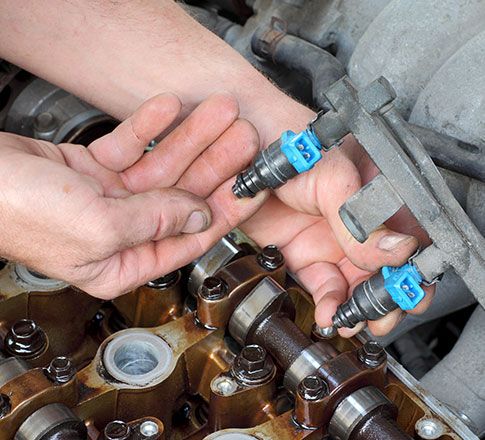
A fuel system cleaning service is a maintenance process where special chemicals are used to clean out the fuel injectors, intake valves, and sometimes the fuel lines and combustion chamber. Over time, small deposits from gasoline and normal engine use can build up in these areas. These deposits can affect how well your engine runs.
There are two main types of fuel system cleaning:
- In-tank additives: Pour-in bottles that claim to clean as you drive.
- Professional cleaning: Performed at a shop, often using pressurized equipment to deliver cleaning chemicals directly into the engine.
Why Do Engines Get Dirty?
Modern engines burn fuel efficiently, but even the best engines are not perfect. Tiny amounts of carbon and other residues can stick to parts inside your engine, especially:
- Fuel injectors
- Intake valves
- Combustion chambers
Over time, these deposits can build up. Factors like short trips, low-quality gasoline, and city driving make the problem worse. Direct injection engines, which are common in newer cars, are even more likely to have deposit buildup.
What Does A Fuel System Cleaning Claim To Do?
Shops often claim that fuel system cleaning will:
- Restore lost power
- Improve fuel efficiency
- Reduce engine knocking or pinging
- Lower emissions
- Fix rough idle or hesitation
Some even promise that your car will “run like new. ” These claims sound great, but how much truth is there?
How Fuel System Cleaning Works
During a professional cleaning, a mechanic connects a machine to your car’s fuel system. This machine sends a strong cleaning chemical through the injectors and intake system. The process usually takes 30-60 minutes.
In-tank additives are different. You simply pour a bottle into your gas tank. As you drive, the chemical mixes with fuel and cleans the system gradually.
Here is a quick comparison of both methods:
| Method | How It Works | Strength | Cost | Time Needed |
|---|---|---|---|---|
| In-Tank Additive | Add to gas tank; cleans over time | Mild | $10-$25 | None (as you drive) |
| Professional Service | Machine delivers strong cleaner directly | Strong | $70-$200 | 30-60 minutes |
Signs Your Car Might Need Fuel System Cleaning
Not every vehicle needs this service. But if you notice any of the following, a cleaning might help:
- Rough idle – The engine shakes or vibrates when stopped.
- Hesitation – Slow or uneven response when you press the gas pedal.
- Poor fuel economy – You’re getting fewer miles per gallon than usual.
- Loss of power – The car feels sluggish or weak.
- Hard starting – The engine takes longer to start, especially in cold weather.
However, these symptoms can also come from other problems, like bad spark plugs or a dirty air filter. A good mechanic should diagnose the real cause before recommending a cleaning.
How Often Should You Get Fuel System Cleaning?
There is no single answer. Here are some general guidelines:
- Most automakers do not list fuel system cleaning as a regular maintenance item in their owner’s manuals.
- Older cars (more than 10 years) and those with high mileage may benefit from cleaning every 30,000-60,000 miles.
- Newer cars, especially those using high-quality fuel, may never need it, unless you notice symptoms.
Some shops try to sell the service at every oil change, but this is usually unnecessary.

Credit: www.reddit.com
Does Fuel System Cleaning Really Work?
There is debate among experts. Here’s what research and real-world experience show:
- If your car has obvious symptoms of clogged injectors or dirty valves, a professional cleaning can sometimes help.
- For most modern engines, especially with regular use of quality gasoline, the benefit is often small or not noticeable.
- In-tank additives may have a mild cleaning effect but rarely fix serious problems.
A study by the AAA found that using Top Tier gasoline (which has more detergent additives) keeps engines cleaner over time than using cheap fuel and then relying on cleaning services.
The Real Costs: Is It Worth The Money?
Let’s look at the numbers:
| Service Type | Cost Range | Average Benefit | Best For |
|---|---|---|---|
| Professional Cleaning | $70 – $200 | May improve symptoms if deposits are present | Older cars, clear symptoms |
| In-tank Additive | $10 – $25 | Minor preventive cleaning | Preventive use, minor issues |
Most drivers will not see a big difference after cleaning unless there was a real problem. If your engine is running well, you may not notice any change at all.

Credit: www.reddit.com
Common Myths And Misunderstandings
Myth 1: You Need Cleaning Every Year
Many shops push this as a yearly service. In reality, most cars do not need it so often—sometimes never.
Myth 2: All Gasoline Is Equal
Top Tier gasoline contains extra detergents that keep your fuel system cleaner, reducing the need for added cleaning.
Myth 3: Cleaning Will Fix All Engine Problems
If your car has a rough idle or poor mileage, the cause could be something else—like worn spark plugs or a clogged air filter.
Real-world Examples
- A 7-year-old sedan with 80,000 miles and a rough idle improved after a professional cleaning. But the same service on a 2-year-old SUV showed no change.
- A taxi fleet tested regular use of in-tank fuel cleaner. The effect on fuel economy was less than 1%, which is hard to notice in daily driving.
- A driver using only Top Tier fuel for 100,000 miles had injectors that looked almost new, needing no extra cleaning.
Risks And Downsides
Fuel system cleaning is generally safe if done by a reputable shop. However, there are a few things to watch for:
- Aggressive solvents used by some shops can damage seals or sensors if used incorrectly.
- DIY cleaners may not be strong enough to make a real difference.
- Upselling is common; some shops recommend cleaning even when it’s not needed.
Non-obvious Insights Most Drivers Miss
- Fuel filters play a bigger role than most realize. If your filter is clogged, cleaning the rest of the system won’t help. Always check or replace the fuel filter as needed.
- Driving habits matter. If you mostly drive short distances, your engine may never fully warm up, leading to more deposits. Sometimes, a good long highway drive can help burn off mild deposits without any service at all.
Credit: www.firestonecompleteautocare.com
How To Keep Your Fuel System Clean Without Extra Services
- Use Top Tier gasoline whenever possible. It has more detergents to prevent buildup.
- Drive longer trips occasionally. Short city drives are harder on the fuel system.
- Keep up with regular maintenance. Change the air filter, spark plugs, and oil on schedule.
- Check your owner’s manual. Only follow recommended services.
For more details on Top Tier gasoline and its benefits, see the Wikipedia article on Top Tier Detergent Gasoline.
When Should You Say Yes To Fuel System Cleaning?
Consider the service if:
- Your car is older, especially with high mileage.
- You have real symptoms that point to dirty injectors or valves (not just as a “preventive” service).
- You have used poor-quality gasoline for a long time.
- A trusted mechanic diagnoses deposit buildup as the source of your issue.
If none of these applies, you can likely skip it and save your money.
Red Flags To Watch Out For
- Aggressive upselling: Shops that push this service every visit, even on new cars.
- No clear symptoms: If your car runs fine, extra cleaning is unlikely to help.
- No explanation: If a mechanic cannot explain why you need it, be cautious.
Frequently Asked Questions
What Does A Fuel System Cleaning Service Include?
A typical fuel system cleaning service involves running a strong cleaning chemical through the fuel injectors and intake system, often with special equipment. The goal is to remove carbon deposits and other buildup that can affect performance. Some services also clean the throttle body or add a cleaner to the gas tank.
Will Fuel System Cleaning Improve My Gas Mileage?
If your engine has heavy deposits, cleaning might restore some lost fuel efficiency. However, for most well-maintained cars using quality fuel, the improvement is usually small—often less than 2-3%. Don’t expect a big jump unless there was a real problem.
Can I Do Fuel System Cleaning Myself?
You can use in-tank fuel system cleaners available at auto parts stores. These are safe for most cars but are less powerful than professional equipment. For serious deposit problems, a shop with proper tools is usually more effective.
How Do I Know If I Need A Fuel System Cleaning?
If you notice rough idle, hesitation, loss of power, or poor fuel economy—and other basic maintenance is up to date—a mechanic can check for deposit buildup. In many cases, these symptoms have other causes, so correct diagnosis is important.
Will Fuel System Cleaning Void My Warranty?
No, fuel system cleaning does not void your warranty. However, using the wrong chemicals or damaging parts during a DIY job could cause problems. Always follow your manufacturer’s recommendations and use trusted shops.
Regular fuel system cleaning can help if your engine has real symptoms or you drive an older car. For most drivers, good fuel and regular maintenance are enough to keep your engine running smoothly. Don’t let pressure from the shop push you into unnecessary services—make decisions based on your car’s real needs.