
The P0340 Camshaft Position Sensor Circuit code can be an unwelcome surprise for drivers. It often triggers the check engine light and leaves many car owners worried about what might be wrong. Understanding what this code means, how it affects your vehicle, and how to fix it can save you both money and stress. If you want to keep your car running smoothly, learning about the P0340 code is a smart move.
What Does The P0340 Code Mean?
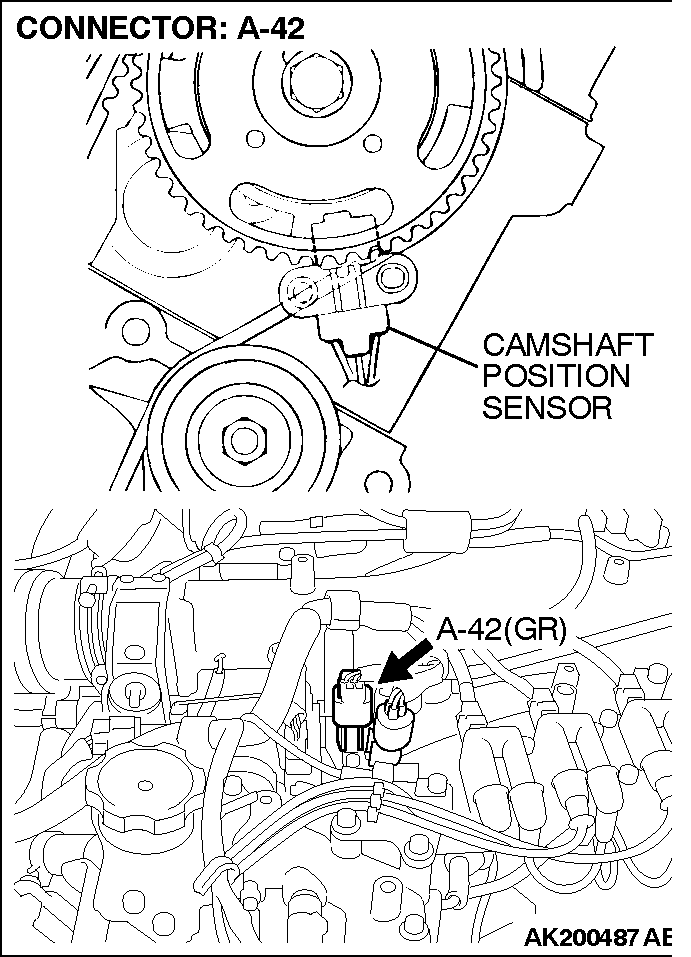
The P0340 code stands for “Camshaft Position Sensor Circuit Malfunction.” This code appears when your car’s Engine Control Module (ECM) detects a problem with the camshaft position sensor or its circuit. The camshaft position sensor is a small but critical device. It tells the ECM the exact position of the camshaft as it turns. This information is used to control fuel injection and ignition timing, which are key for smooth engine operation.
If the ECM gets a faulty or missing signal from the sensor, it can’t manage engine timing properly. As a result, your car may run badly, have trouble starting, or even stall. Ignoring the P0340 code for too long can lead to more serious engine problems.
Why Is The Camshaft Position Sensor Important?
The camshaft position sensor tracks the rotation of the camshaft in relation to the crankshaft. This helps the engine know when to inject fuel and fire the spark plug. If the sensor does not work right, your engine’s performance will suffer.
Here’s why this tiny part is so vital:
- It ensures efficient combustion by telling the ECM when each cylinder is ready.
- It helps reduce fuel consumption and emissions.
- It prevents misfires and rough running.
- It allows for smooth starting and idling.
Many modern cars cannot run well without a working camshaft position sensor. If you get a P0340 code, you should not ignore it.

Credit: www.youtube.com
Common Symptoms Of P0340 Code
When the P0340 Camshaft Position Sensor Circuit code is set, your car might show some clear warning signs. If you notice any of these symptoms, it’s time to investigate:
- Check Engine Light: This is usually the first and most obvious sign.
- Hard Starting or No Start: The engine may take longer to start, or not start at all.
- Rough Idle: The engine may idle unevenly or feel shaky.
- Stalling: The car might suddenly stop running, especially at low speeds.
- Poor Acceleration: It may be slow to respond when you press the gas pedal.
- Decreased Fuel Efficiency: You could notice you’re using more fuel than usual.
- Engine Misfires: The engine may run rough, and you may feel jerking.
Sometimes, the only sign might be the check engine light. Other times, you’ll feel several of these problems at once.
What Causes The P0340 Code?
There are several possible reasons for the P0340 code. Finding the exact cause is important for a proper fix. Here are the most common issues:
- Faulty Camshaft Position Sensor: This is the most frequent cause.
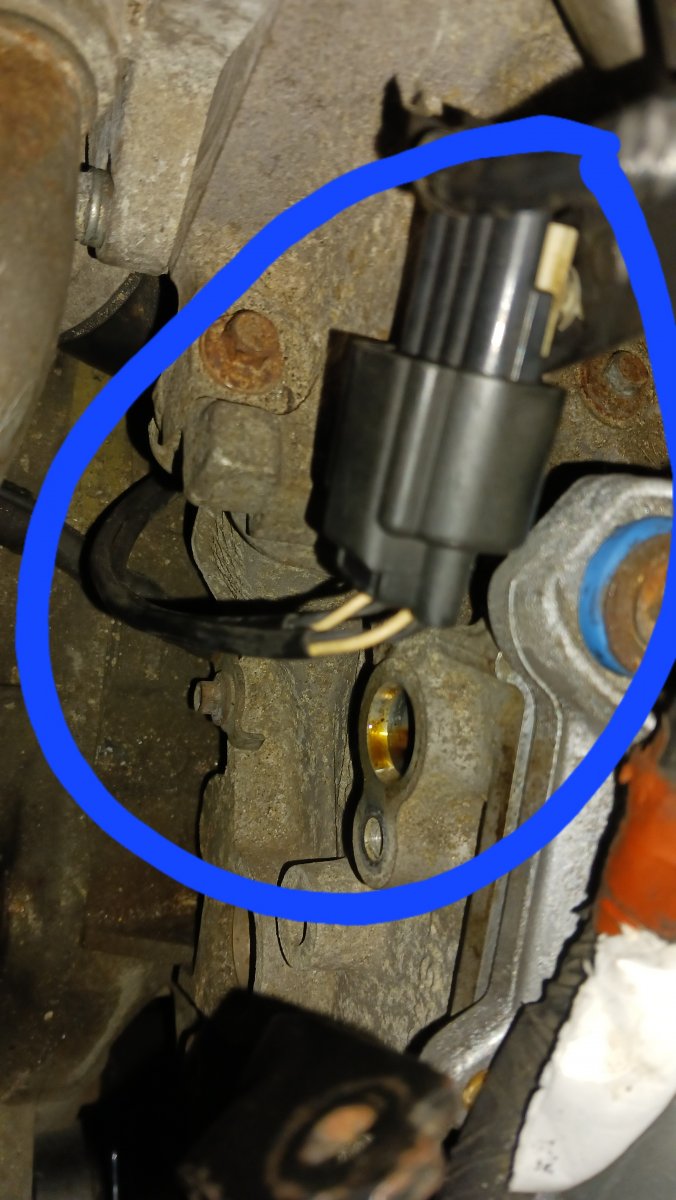
- Wiring Problems: Broken, frayed, or corroded wires can interrupt the signal.
- Poor Electrical Connections: Loose or dirty connectors can cause trouble.
- Failed ECM/PCM: Rare, but possible. The engine computer itself may be damaged.
- Timing Belt or Chain Issues: If the timing belt or chain is worn or has skipped a tooth, the sensor signal will be off.
- Faulty Crankshaft Position Sensor: On some cars, a problem here can also set the P0340 code.
- Oil Leaks on the Sensor: Oil or debris can interfere with the sensor’s signal.
A good diagnostic process is key. Simply replacing the sensor without checking the wiring or other parts may not solve the problem.
How Mechanics Diagnose The P0340 Code
A professional mechanic follows a clear process to find the root of the P0340 code. Here’s a typical step-by-step diagnosis:
- Scan for Codes: Use an OBD-II scanner to confirm the P0340 code and check for related codes.
- Visual Inspection: Look for damaged wires, loose connectors, or oil leaks around the sensor.
- Test the Camshaft Position Sensor: Use a multimeter to check resistance or voltage as specified in the service manual.
- Check Power Supply and Ground: Make sure the sensor is receiving correct voltage and has a good ground.
- Inspect the Timing Belt or Chain: Confirm it is not worn, stretched, or out of alignment.
- Check for Related Sensor Codes: Sometimes, the crankshaft position sensor or other related sensors may also be involved.
A detailed diagnosis avoids unnecessary part replacement and saves time and money.
How To Fix The P0340 Camshaft Position Sensor Circuit Code
Fixing the P0340 code depends on what is actually wrong. Here are the main repair steps:
- Replace the Camshaft Position Sensor: If it is faulty, swap it with a new one.
- Repair or Replace Wiring: Fix any damaged wires or connectors.
- Clean Electrical Connectors: Remove corrosion or dirt for a better connection.
- Fix Timing Belt or Chain Issues: If the timing is off, repair or replace the belt/chain.
- Replace the ECM/PCM: Only if all else fails and the computer is proven faulty.
After making repairs, always clear the code and test-drive the car. If the code returns, more troubleshooting is needed.
Quick Comparison: Sensor Replacement Vs. Wiring Repair
Here’s a simple table to compare the two most common fixes:
| Repair Option | Average Cost | Time Needed | DIY Difficulty |
|---|---|---|---|
| Replace Camshaft Position Sensor | $75 – $250 | 30–60 minutes | Easy–Moderate |
| Repair/Replace Wiring | $20 – $100 | 1–2 hours | Moderate–Hard |
Can You Drive With A P0340 Code?
It’s possible to drive for a short time with the P0340 code, but it’s not a good idea. Your car may run badly, use more fuel, or even stall in traffic. In some cars, the engine may not start at all if the problem gets worse.
Driving with this code can also damage the catalytic converter or other expensive engine parts. It’s best to fix the issue as soon as possible.
Preventing P0340 Code And Related Problems
You can reduce the risk of the P0340 code by following some simple maintenance tips:
- Check and replace the timing belt or chain at the recommended interval.
- Inspect wiring and connectors for damage, especially after engine work.
- Use good-quality engine oil and keep the oil level correct.
- Replace the camshaft position sensor at the first sign of trouble.
- Fix oil leaks quickly to prevent contamination of sensors.
A little preventive care can save you from big repair bills later.
Data Table: Causes Of P0340 Code And Their Frequency
Manufacturers and repair shops have reported which issues are most common for P0340. Here is a breakdown:
| Cause | Estimated Frequency (%) |
|---|---|
| Faulty Camshaft Position Sensor | 60 |
| Wiring/Connector Issues | 25 |
| Timing Belt/Chain Problems | 10 |
| Faulty ECM/PCM | 3 |
| Other | 2 |
Most of the time, a bad sensor or wiring is to blame.
Credit: mitsubishitechinfo.com
Real-world Examples Of The P0340 Code
Let’s look at a few real-life cases:
- Case 1: A 2012 Ford Focus had the check engine light on and rough idling. The mechanic found a frayed wire near the camshaft sensor. After repairing the wire, the problem disappeared.
- Case 2: A 2016 Toyota Corolla wouldn’t start on a cold morning. Diagnostics revealed a failed camshaft position sensor. Replacing the sensor fixed the issue.
- Case 3: A 2008 Nissan Altima had multiple misfires and poor acceleration. The timing chain was stretched, causing the sensor to send the wrong signal. After replacing the chain, the car ran like new.
These examples show that the P0340 code can have different causes, but quick diagnosis leads to a fast solution.
What Happens If You Ignore The P0340 Code?
Ignoring the P0340 Camshaft Position Sensor Circuit code can make things worse. Here’s what might happen:
- Worsening Engine Performance: Your car may run rougher over time.
- Possible Engine Damage: If the timing is off for too long, valves and pistons can be damaged.
- Increased Repair Costs: Small problems, like a bad wire, can turn into big repair jobs.
- Failed Emissions Test: You may not pass inspection if the check engine light is on.
It’s always smarter to fix the problem early.
Diy Vs. Professional Repair
Many people wonder if they can fix the P0340 code themselves. Here’s a quick guide:
DIY is Possible If:
- You have basic mechanical skills.
- You own an OBD-II scanner and a multimeter.
- The sensor is easy to reach on your engine.
See a Professional If:
- You are not comfortable with electrical work.
- The sensor is hard to reach or blocked by other parts.
- The cause is not obvious after your checks.
A good repair manual and patience can help you succeed with a DIY fix. But don’t be afraid to ask for professional help if you need it.
How Much Does It Cost To Fix The P0340 Code?
Costs vary depending on the cause and your car model. Here’s a general price range:
- Camshaft Position Sensor Replacement: $75–$250 parts and labor.
- Wiring Repair: $20–$100, sometimes more for complex jobs.
- Timing Belt/Chain Repair: $500–$1,200 if needed.
- ECM/PCM Replacement: $800–$1,500, but this is rare.
Getting a reliable estimate from a trusted shop is always a good idea.
Credit: www.fordedgeforum.com
P0340 Code And Different Car Brands
Some car brands are more likely to have P0340 code issues than others. For example, certain Ford, Nissan, and Hyundai models are known for camshaft sensor problems. However, this code can appear on almost any modern vehicle.
If you own a car with a known history of sensor issues, regular checks can help you avoid surprises.
Table: P0340 Code Occurrence By Car Brand
Here’s a sample of how often the P0340 code is reported in popular brands:
| Car Brand | P0340 Code Reports (%) |
|---|---|
| Ford | 35 |
| Nissan | 30 |
| Hyundai | 15 |
| Others | 20 |
This does not mean these brands are bad, but they may use similar sensors that are more likely to fail.
Frequently Asked Questions
What Happens If I Keep Driving With A P0340 Code?
Driving with a P0340 code can cause engine stalling, poor fuel economy, and eventually, engine damage. It’s best to fix it soon to avoid bigger problems.
How Do I Reset The P0340 Code After Fixing The Problem?
You can reset the code using an OBD-II scanner. Plug it in, clear the code, and then drive the car to see if the code returns.
Can A Bad Battery Cause A P0340 Code?
A weak battery can sometimes cause low voltage errors, but it is not a common cause of P0340. Most often, the sensor or wiring is to blame.
Is The P0340 Code Dangerous?
The code itself is not dangerous, but it means your engine may not run reliably. If ignored, it can lead to stalling or damage, which can be unsafe.
Where Can I Find More Detailed Repair Guides?
You can find more information on automotive repair websites or reputable resources such as Wikipedia.
Handling a P0340 Camshaft Position Sensor Circuit code doesn’t have to be stressful. With the right knowledge and a careful approach, you can get your car back on the road quickly and safely. Remember to address the issue early, and you’ll avoid bigger headaches in the future.