
If you own a car, you know how important it is to keep the transmission healthy. But when it comes to maintenance, many drivers feel confused about the difference between a transmission flush and a fluid change. Both are popular services at repair shops, but they’re not the same. In fact, choosing the wrong one can cause problems, waste money, or even damage your car. Here, you’ll discover what each service really does, how they compare, and which one is right for your vehicle.
What Is Transmission Fluid And Why Does It Matter?
Transmission fluid is a special liquid that keeps your car’s transmission running smoothly. It cools, lubricates, and helps the gears shift. Without clean fluid, the transmission can overheat, slip, or even fail.
Most automatic transmissions use a red fluid called ATF (Automatic Transmission Fluid). Manual transmissions sometimes use gear oil or another fluid. Over time, heat, friction, and contaminants break down the fluid. Dirty fluid can make shifting rough and cause expensive repairs.
Transmission Flush: Deep Cleaning For Your Transmission
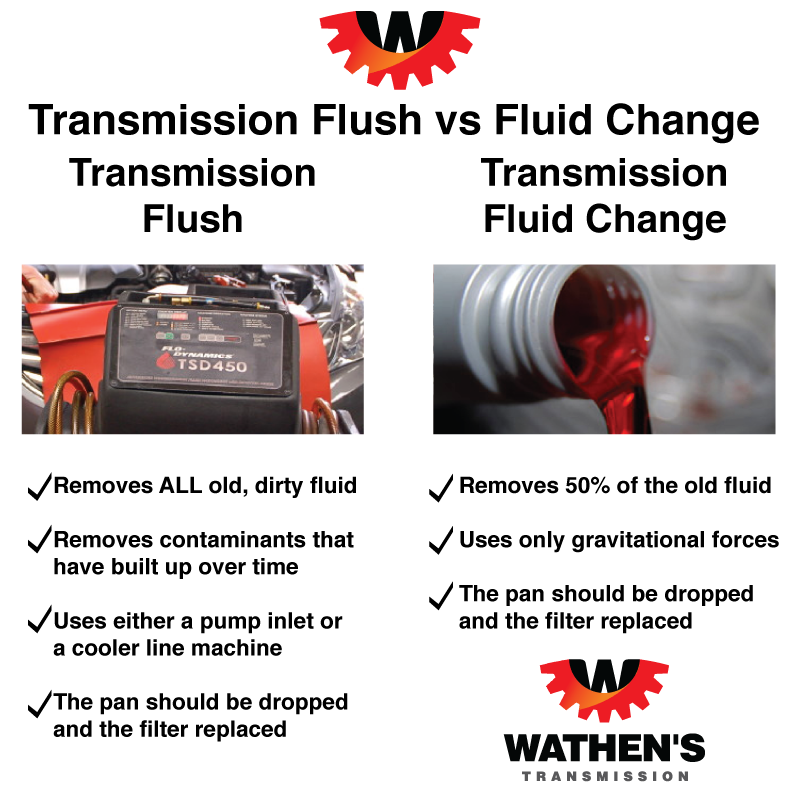
A transmission flush is a high-powered cleaning process. Mechanics use a machine to push new fluid through the transmission, removing almost all old fluid and dirt. This process can clean up to 95% of the fluid, including what’s trapped in the torque converter, cooler lines, and other hidden parts.
How Does A Transmission Flush Work?
- The mechanic connects a special machine to the transmission.
- The machine pumps fresh fluid through the system.
- Old fluid, debris, and sludge are forced out and collected.
- Clean fluid fills the transmission.
Some flush machines use chemicals to break down deposits before flushing. The process usually takes about 30–45 minutes.
Pros Of Transmission Flush
- Removes nearly all old fluid and contaminants.
- Cleans hard-to-reach areas inside the transmission.
- Can help fix shifting problems caused by dirty fluid.
Cons Of Transmission Flush
- Costs more than a fluid change (usually $150–$300).
- May dislodge debris that can block passages or cause leaks.
- Not recommended for older transmissions with high mileage (over 100,000 miles) unless the fluid has been changed regularly.
Transmission Fluid Change: A Simple Service
A transmission fluid change is less aggressive. The mechanic drains the old fluid from the pan and replaces it with new fluid. Usually, only 40–50% of the fluid is changed because some stays in the torque converter and other parts.
How Does A Fluid Change Work?
- The mechanic removes the transmission pan.
- Old fluid drains out.
- The filter is replaced (in most cases).
- The pan is cleaned and reinstalled.
- New fluid is poured in.
This process takes 30–60 minutes and is less expensive ($80–$150).
Pros Of Fluid Change
- Safer for older or high-mileage transmissions.
- Replaces the filter, which helps catch debris.
- Less risk of causing leaks or problems.
Cons Of Fluid Change
- Only replaces about half the fluid.
- Does not clean the entire transmission.
- May not fix shifting problems caused by dirty fluid deeper inside.
Key Differences Between Flush And Fluid Change
Choosing between a flush and a fluid change depends on your car’s age, mileage, and service history. Here’s a simple comparison:
| Feature | Transmission Flush | Fluid Change |
|---|---|---|
| Amount of Fluid Replaced | 90–95% | 40–50% |
| Includes Filter Replacement | Usually No | Yes |
| Cost | $150–$300 | $80–$150 |
| Risk for Older Vehicles | Higher | Lower |
| Cleaning Power | Deep Clean | Basic Clean |
| Recommended Interval | Every 60,000 miles | Every 30,000–60,000 miles |
When Should You Choose A Transmission Flush?
A transmission flush is best for cars with:
- Under 100,000 miles.
- Regular fluid changes (every 30,000–60,000 miles).
- Signs of dirty fluid (burnt smell, dark color, shifting problems).
If your car is newer or has been maintained well, a flush can clear out old fluid and help your transmission run smoothly. But if your car is older and has not had regular maintenance, a flush can stir up debris and cause leaks. Always check your owner’s manual for recommendations.
When Is A Fluid Change The Better Option?
A fluid change is safer for:
- Cars over 100,000 miles with no history of flushes.
- Vehicles with transmission leaks or minor shifting issues.
- Drivers who want a basic, lower-cost service.
Changing the fluid and filter helps remove some dirt and keep the transmission clean. It’s a good routine maintenance step, especially for older cars.
Signs Your Transmission Needs Attention
Don’t ignore these warning signs:
- Shifting problems: Hard, slow, or rough shifts.
- Fluid color: Transmission fluid should be bright red. Brown or black means it’s dirty.
- Burnt smell: Overheated fluid smells bad and signals trouble.
- Leaks: Fluid on the ground under your car.
- Strange noises: Whining, clunking, or grinding.
If you notice any of these, get your transmission checked soon. Waiting can lead to bigger repairs.
Common Myths About Transmission Maintenance
Many drivers believe myths that can cost them money or damage their car. Here are some facts:
- Myth: Flushing always fixes transmission problems.
Reality: Flushing can help if dirty fluid is the cause, but it won’t fix mechanical issues.
- Myth: Only the dealer can do a fluid change.
Reality: Most repair shops can do the job. Just make sure they use the right fluid.
- Myth: You never need to change transmission fluid.
Reality: All fluid breaks down over time. Skipping changes can cause failure.
Credit: www.hotshotsecret.com
How Often Should You Service Your Transmission?
Most manufacturers recommend:
- Fluid change every 30,000–60,000 miles.
- Flush every 60,000–100,000 miles, if needed.
Driving in hot weather, towing, or stop-and-go traffic can shorten these intervals. Always check your owner’s manual for your car’s schedule.
Real-world Example: Honda Accord Transmission Service
The Honda Accord is a popular sedan with an automatic transmission. Honda recommends changing the fluid every 30,000–60,000 miles. A flush is not required unless the fluid is very dirty or there are shifting problems. According to AAA’s Approved Auto Repair program, shops that employ ASE-certified or factory-trained technicians must meet strict standards for training, equipment, and customer service.
If the fluid is brown and smells burnt, a flush can help. But if the car has over 100,000 miles and never had a flush, a fluid change is safer.
What Happens If You Neglect Transmission Maintenance?
Skipping transmission service can cause:
- Overheating and breakdown.
- Rough shifting and slipping.
- Expensive repairs ($2,000–$4,000 for a rebuild).
A simple fluid change or flush costs much less than major repairs. Taking care of your transmission is an investment in your car’s health.
Step-by-step: How Mechanics Perform Each Service
Transmission Fluid Change
- Lift the car and remove the transmission pan.
- Drain old fluid.
- Replace the filter.
- Clean the pan and install a new gasket.
- Add new fluid.
Transmission Flush
- Connect flush machine to transmission lines.
- Run machine to cycle new fluid through transmission.
- Collect old fluid and debris.
- Monitor fluid color until it’s clean.
- Disconnect machine and check for leaks.
| Step | Fluid Change | Flush |
|---|---|---|
| Drain Old Fluid | Yes | Yes (via machine) |
| Replace Filter | Yes | No |
| Clean Pan | Yes | No |
| Use Flush Machine | No | Yes |
| Remove Deep Contaminants | No | Yes |
Practical Tips Before You Service Your Transmission
- Always use the correct fluid for your car. Using the wrong fluid can cause damage.
- Ask the mechanic to replace the filter during a fluid change.
- If you drive in tough conditions (towing, hot climate), consider more frequent service.
- For older cars, avoid flushes unless the transmission is in good shape.
- Check your owner’s manual for the recommended service type and interval.
Two Non-obvious Insights Most Drivers Miss
- Transmission filter quality matters: Many drivers focus only on fluid, but a good filter keeps debris out of the transmission. Cheap filters may not catch small particles.
- Partial fluid changes can help even neglected transmissions: If your car hasn’t had service for years, a series of fluid changes (not a flush) over several months can slowly clean the transmission without shock.
Credit: www.wathenstransmission.com
Risks Of Choosing The Wrong Service
Picking the wrong service can cause:
- Leaks: Flushes on old transmissions can force out seals.
- Clogged passages: Dislodged debris can block fluid flow.
- Wasted money: A flush won’t fix mechanical problems.
If you’re unsure, ask a trusted mechanic to inspect your transmission and recommend the best option.
Environmental Impact: Fluid Disposal
Transmission fluid contains chemicals harmful to the environment. Always ensure your mechanic disposes of old fluid properly. Many shops recycle fluid or send it to hazardous waste centers. Proper disposal helps protect water and soil from contamination.
Comparing Diy Vs Professional Service
Some drivers try to change fluid themselves. It’s possible for basic fluid changes but not for flushes, which need special machines.
| Aspect | DIY Fluid Change | Professional Service |
|---|---|---|
| Cost | Lower | Higher |
| Risk | Medium (mistakes possible) | Low |
| Equipment Needed | Basic tools | Advanced machines |
| Quality of Service | Depends on skill | Consistent |
| Warranty | No | Yes (in many shops) |
How To Choose A Reliable Transmission Shop
- Look for shops with ASE-certified mechanics.
- Ask about their experience with your car’s transmission type.
- Make sure they use the correct fluid and filter.
- Check reviews online for honest feedback.
- Request a written estimate before starting work.
For more details on transmission maintenance and standards, visit the Wikipedia page on Automatic Transmission Fluid.
Credit: www.youtube.com
Frequently Asked Questions
How Do I Know If My Car Needs A Transmission Flush Or Fluid Change?
Check your owner’s manual first. If the fluid is dirty, but your car is newer and well-maintained, a flush may help. For older cars or those without regular service, a fluid change is safer.
Is It Bad To Flush A High-mileage Transmission?
Yes, flushing can stir up debris and cause leaks or clogs in older transmissions. A fluid change is less risky.
What Happens If I Use The Wrong Transmission Fluid?
Using the wrong fluid can cause shifting problems, overheating, and even transmission failure. Always use the fluid specified by your car’s manufacturer.
Can I Change Transmission Fluid Myself?
You can change fluid yourself if you have basic tools and follow instructions. However, flushes require special machines and are best done by professionals.
How Often Should I Service My Transmission?
Most cars need a fluid change every 30,000–60,000 miles. Flushes are less frequent and depend on the car’s condition and manufacturer’s advice.
Taking care of your transmission doesn’t have to be complicated. By understanding the difference between a transmission flush and fluid change, you can make smart choices, save money, and keep your car running smoothly for years to come.