
Many drivers rarely think about the serpentine belt under their car’s hood. This rubber belt quietly powers vital parts of your vehicle, like the alternator, power steering pump, air conditioning compressor, and sometimes even the water pump. If it fails, your car can quickly become undriveable, and you might find yourself stranded. That’s why knowing exactly when to replace the serpentine belt is essential for every car owner. Replacing it at the right time can save you from unexpected breakdowns and costly repairs.
This guide will help you understand how the serpentine belt works, the signs it’s time to replace it, manufacturer recommendations, and mistakes to avoid. You’ll also see real-world examples, get practical tips, and find answers to common questions. By the end, you’ll feel confident making the right call for your car.
What Is A Serpentine Belt And Why It Matters
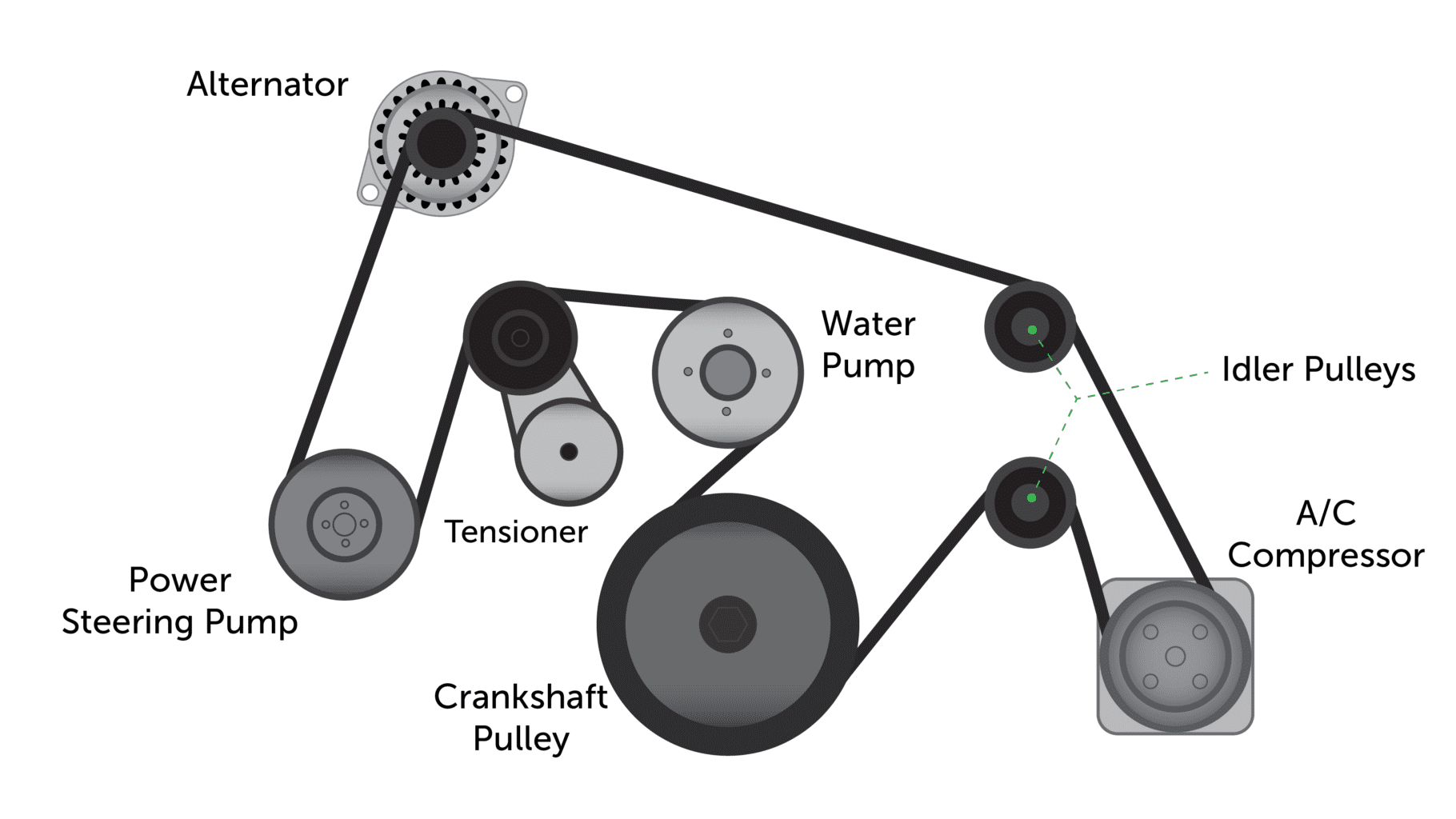
The serpentine belt is a single, long, winding belt that connects to multiple engine accessories. Older cars used several smaller belts, but most modern vehicles rely on this one main belt. It’s called “serpentine” because it snakes its way around pulleys in the engine bay.
When your engine runs, the serpentine belt spins with it, transferring power to:
- Alternator (keeps your battery charged)
- Power steering pump (makes steering easier)
- Air conditioning compressor (cools the cabin)
- Water pump (prevents overheating; in some cars)
If this belt snaps or slips, these systems stop working. You may lose power steering, your battery can stop charging, and your engine might overheat. That’s why a healthy serpentine belt is so important.
How Long Does A Serpentine Belt Last?
Most serpentine belts last between 50,000 and 100,000 miles (about 80,000 to 160,000 kilometers). However, the exact lifespan depends on:
- Driving conditions (city driving vs. highway driving)
- Climate (extreme heat or cold can shorten life)
- Quality of the belt (OEM belts often last longer)
- Maintenance habits (regular inspections help)
It’s smart to check your owner’s manual for the specific mileage interval recommended for your car. Some newer vehicles use belts made from EPDM (ethylene propylene diene monomer), which resist wear better and may last even longer.
Common Manufacturer Recommendations
Here’s how some popular car makers suggest replacing the serpentine belt:
| Car Brand | Recommended Replacement Interval |
|---|---|
| Toyota | 60,000 to 90,000 miles |
| Honda | 60,000 to 100,000 miles |
| Ford | 100,000 miles |
| Chevrolet | 90,000 to 100,000 miles |
| Hyundai/Kia | 60,000 miles |
Keep in mind, even if you haven’t reached the mileage, age matters. Rubber belts can dry out and crack as they get older, especially after 5-7 years.
Signs Your Serpentine Belt Needs Replacement
Do not wait for the belt to break. There are clear warning signs:
1. Squealing Or Chirping Noise
If you hear a high-pitched squeal from the front of your car, especially when starting or turning on the AC, the belt might be loose or worn.
2. Cracks Or Splits In The Belt
Open the hood and check the belt. If you see cracks, missing chunks, or deep grooves, it’s time for a new one.
3. Loss Of Power Steering
Steering suddenly feels heavy? The belt might have slipped or snapped, especially if your power steering is belt-driven.
4. Battery Warning Light
If the belt breaks, your alternator can’t charge the battery. The warning light will come on, and your car may soon die.
5. Air Conditioning Stops Working
The AC compressor relies on the serpentine belt. If the air stops blowing cold, check the belt.
6. Engine Overheating
In some cars, the water pump is driven by the serpentine belt. If the belt fails, the engine can overheat quickly.
7. Visible Glazing Or Shiny Spots
If the belt looks glossy or feels slippery, it’s worn and may slip on the pulleys.
8. Fraying Or Peeling Edges
If the sides of the belt look shredded, it’s at risk of breaking soon.
Real-world Example
A driver notices a faint squeal when starting his car in the morning. He ignores it, thinking it’s just a cold morning. Two weeks later, the squeal is louder, and suddenly, his power steering goes out while driving. The culprit?
A snapped serpentine belt that could have been replaced for under $100.
How To Inspect Your Serpentine Belt
You can check your serpentine belt with simple steps:
- Let the engine cool down. Hot parts can burn you.
- Find the belt. It’s usually visible at the front of the engine.
- Look for cracks, missing chunks, or shiny spots.
- Press the belt. It should feel firm, not loose. If you can push it more than half an inch, it may be too loose.
- Check the ribs. The grooves should be straight and even, not worn down.
If you’re unsure, ask a mechanic during your next oil change. Many shops check belts for free.
What Happens If You Don’t Replace It?
Ignoring a worn serpentine belt can lead to:
- Sudden breakdowns
- Loss of power steering and AC
- Dead battery
- Engine overheating (in cars with belt-driven water pump)
- Expensive repairs (if the belt damages other parts when it breaks)
A broken belt can also damage engine accessories. For example, a flapping belt may hit and break other parts, increasing repair costs.
Serpentine Belt Vs. Timing Belt
These two belts are not the same, though some people confuse them. Here’s a simple comparison:
| Feature | Serpentine Belt | Timing Belt |
|---|---|---|
| Main Purpose | Powers accessories (AC, alternator, etc.) | Synchronizes engine valves and pistons |
| Visible? | Yes, in engine bay | No, usually hidden behind covers |
| Replacement Interval | 50,000–100,000 miles | 60,000–100,000 miles (varies) |
| What Happens If It Breaks? | Accessories stop working, car may be undriveable | Severe engine damage possible |
Never assume that replacing one means the other is fine. Each has its own replacement schedule.
Credit: vatire.com
When Exactly Should You Replace The Serpentine Belt?
The best time is before the belt fails. Follow these tips for safe, worry-free driving:
- Follow the owner’s manual. Replace the belt at the interval suggested by your carmaker, even if it looks okay.
- Inspect every 10,000 miles or once a year. Catch early wear before it becomes a problem.
- Replace after 5–7 years, even with low mileage. Rubber weakens over time, even if not used much.
- Change sooner in extreme climates. Hot, dry, or very cold weather can age belts faster.
- Act immediately if you see cracks, fraying, or hear squealing. Don’t wait.
Pro Tip
Ask your mechanic to check the belt tensioner and pulleys when replacing the belt. Worn tensioners can cause new belts to fail early.
Cost To Replace A Serpentine Belt
In most cases, replacing a serpentine belt is a quick and affordable job. Here’s what you can expect:
| Item | Typical Cost (USD) |
|---|---|
| Serpentine Belt (part only) | $25–$75 |
| Labor (mechanic) | $50–$120 |
| Total (average car) | $75–$200 |
Luxury or performance cars can cost more. If you’re handy, you might change it yourself and just pay for the belt.

Credit: hometowneautorepairandtireofwoodbridge.com
Can You Replace The Serpentine Belt Yourself?
If you like DIY car work, replacing a serpentine belt is a moderate job for most vehicles. You’ll need:
- A belt diagram (often in the engine bay or owner’s manual)
- Basic hand tools (socket set, wrench)
- A belt tensioner tool (on some cars)
Steps include:
- Locate the belt routing diagram.
- Release tension using the tensioner.
- Remove the old belt from the pulleys.
- Install the new belt according to the diagram.
- Release the tensioner to tighten the belt.
If you’re not comfortable, a mechanic can do it in less than an hour.
Common Mistakes When Replacing Or Inspecting The Serpentine Belt
Even experienced drivers make these errors:
- Not checking the belt tensioner. A weak tensioner can ruin a new belt quickly.
- Using the wrong belt size. Always match the exact length and width specified.
- Ignoring minor noise. Squeals usually mean a problem—don’t wait.
- Not replacing worn pulleys. Bad pulleys can shred a new belt.
- Forgetting to check the belt’s underside. Damage often starts in the grooves.
- Assuming a new belt will solve all noises. Sometimes, the problem is a pulley, not the belt.
Advanced Insights: What Most Beginners Overlook
- Heat shields and engine covers matter. Missing shields can expose the belt to more heat, shortening its life. Always replace any missing covers.
- Belt dressing sprays are a temporary fix. These sprays can reduce noise for a short time, but they do not repair cracks or real damage. Use them only as a last resort to get to a shop.
How To Extend The Life Of Your Serpentine Belt
You can’t make the belt last forever, but you can help it reach its full life:
- Keep the engine clean. Oil leaks or dirt can damage the belt.
- Avoid sudden starts and stops. Hard driving puts extra stress on the belt.
- Check for leaks. Oil or coolant leaks can quickly ruin rubber.
- Replace tensioners and pulleys when worn. Don’t just swap the belt.
A little attention goes a long way.

Credit: www.youtube.com
Frequently Asked Questions
How Do I Know If My Serpentine Belt Is Worn Out?
Look for cracks, fraying, or a shiny surface on the belt. Squealing sounds, loss of power steering, or a battery warning light are also signs. Regular visual inspection is the best way.
Can A Serpentine Belt Last 10 Years?
While some high-quality belts may reach 10 years, most should be replaced after 5–7 years regardless of mileage, due to rubber aging. Always check your car’s recommendations.
What Happens If I Drive With A Broken Serpentine Belt?
If the belt breaks, you may lose power steering, battery charging, and air conditioning. In some cars, the engine will overheat quickly. It’s risky and can cause major damage.
Are Serpentine Belts And Timing Belts The Same?
No. Serpentine belts drive engine accessories; timing belts control the engine’s internal timing. Each has a different job and replacement schedule.
Where Can I Find A Belt Diagram For My Car?
Most cars have a belt routing diagram under the hood or in the owner’s manual. You can also find diagrams on trusted sites like AutoZone.
A healthy serpentine belt keeps your car running smoothly. Check yours regularly, listen for warning signs, and replace it on schedule. This simple habit can save you from headaches and expensive roadside repairs. Think of the serpentine belt as a small investment in your car’s long life and your own peace of mind.
