
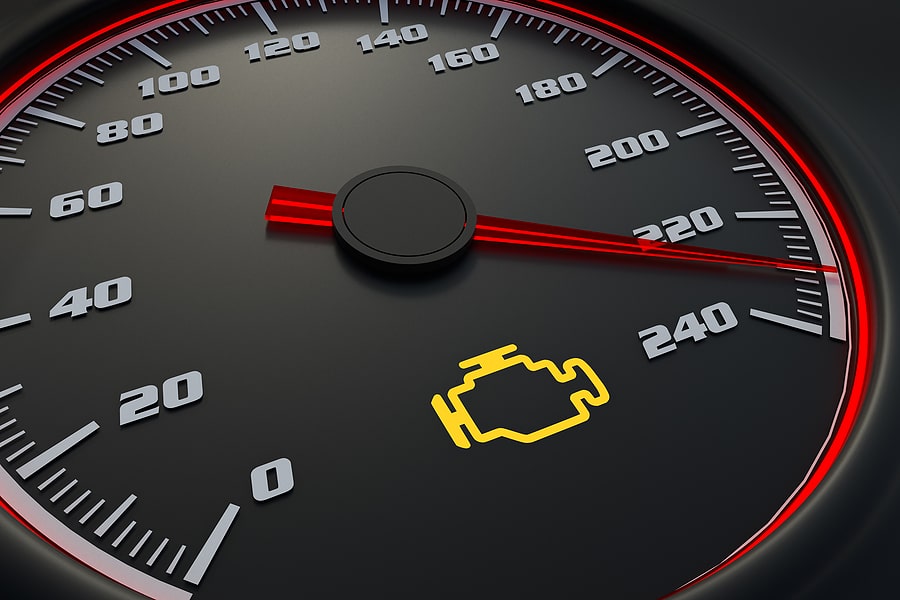
When the check engine light comes on in your Ford F150, it’s easy to feel worried or even frustrated. This small yellow light can mean many things—some minor, some serious. If you’re a Ford F150 owner, understanding what this warning means can save you time, money, and headaches. Let’s break down everything you need to know about the check engine light in your Ford F150, from what triggers it to how you should respond, and even how to prevent it from appearing in the future.
What Does The Check Engine Light Mean?
The check engine light is part of your truck’s onboard diagnostics system (OBD-II). When it comes on, it means the computer has detected a problem with the engine, transmission, or emissions system. Sometimes, the issue is simple, like a loose gas cap. Other times, it could be a sign of a failing component that could damage your engine if ignored.
When the light appears, it will be either:
- Steady: A steady light usually means a minor issue but still needs attention.
- Flashing: A flashing light signals a severe problem. You should stop driving and get help immediately to avoid engine damage.
Common Reasons The Check Engine Light Comes On In A Ford F150
Many things can trigger the check engine light. Some are easy to fix, while others need professional help. Here are the most common causes:
1. Loose Or Faulty Gas Cap
If the gas cap isn’t tight or is broken, the fuel system loses pressure. This can turn on the warning light. Check and tighten the cap first—it’s a simple fix that works surprisingly often.
2. Oxygen Sensor Failure
The oxygen sensor monitors how much oxygen is in the exhaust. A failed sensor can reduce gas mileage and increase emissions. Replacing it quickly can prevent bigger problems.
3. Faulty Spark Plugs Or Wires
Worn spark plugs or damaged wires can cause misfires, poor fuel economy, and rough running. These are affordable parts to replace and should be checked during routine maintenance.
4. Catalytic Converter Issues
The catalytic converter reduces harmful emissions. If it fails, your F150 might lose power, use more fuel, and emit more pollution. This is a costly fix but very important.
5. Mass Air Flow Sensor Problems
The mass air flow (MAF) sensor measures air entering the engine. If it stops working, it can cause stalling, rough idling, or poor acceleration.
6. Bad Ignition Coil
The ignition coil sends power to the spark plugs. A faulty coil can cause misfires and trigger the warning light.
7. Vacuum Leak
The engine uses vacuum hoses for various systems. If a hose cracks or disconnects, the engine may run poorly or stall.
8. Exhaust Gas Recirculation (egr) Valve Failure
The EGR valve helps reduce emissions. When it sticks or fails, you might notice rough idling or knocking sounds.
9. Faulty Thermostat
The thermostat controls engine temperature. If it gets stuck, the engine may overheat or not warm up properly.
10. Transmission Problems
Sometimes, the check engine light signals transmission issues like slipping or shifting problems, especially in newer F150 models.
How To Respond When The Check Engine Light Appears
Your response depends on how the light behaves:
- Steady Light: Check for obvious issues (like a loose gas cap). If nothing is found, schedule a diagnostic check soon.
- Flashing Light: This means a severe engine misfire. Stop driving and call for towing. Driving further could cause expensive damage.
Diagnosing The Problem
Most auto parts stores will scan your truck’s computer for free. They use a tool called an OBD-II scanner to read error codes. These codes point to the area of concern, but not always the exact part. For example, a code for “oxygen sensor” might mean the sensor is bad, or it could be a wiring issue. Consider these steps:
- Get the Code Read: Write down the code(s) the scanner shows.
- Research the Code: Look up what the code means for your specific F150 year and engine.
- Inspect Common Issues: Check simple things first—gas cap, loose wires, disconnected hoses.
- Decide on Repairs: Some fixes are DIY-friendly, others need a mechanic.
Here’s a quick look at common codes and their possible meanings:
| Code | Possible Issue | Action |
|---|---|---|
| P0171 | System too lean (Bank 1) | Check for vacuum leaks, clean MAF sensor |
| P0420 | Catalytic converter efficiency low | Check converter, O2 sensors |
| P0300 | Random/multiple cylinder misfire | Check spark plugs, coils |
| P0442 | Evaporative emission system leak | Check gas cap, EVAP lines |

Credit: www.sherwoodford.ca
Is It Safe To Drive With The Check Engine Light On?
If the light is steady and the truck seems to run normally, you can usually drive short distances. But don’t wait too long—minor issues can become major if ignored. If the engine runs rough, stalls, or the light flashes, stop as soon as possible.
Some problems, like a failed catalytic converter, can cause expensive damage in a short time.
A common mistake is ignoring the light or trying to reset it without fixing the cause. This only hides the issue and can void your warranty.
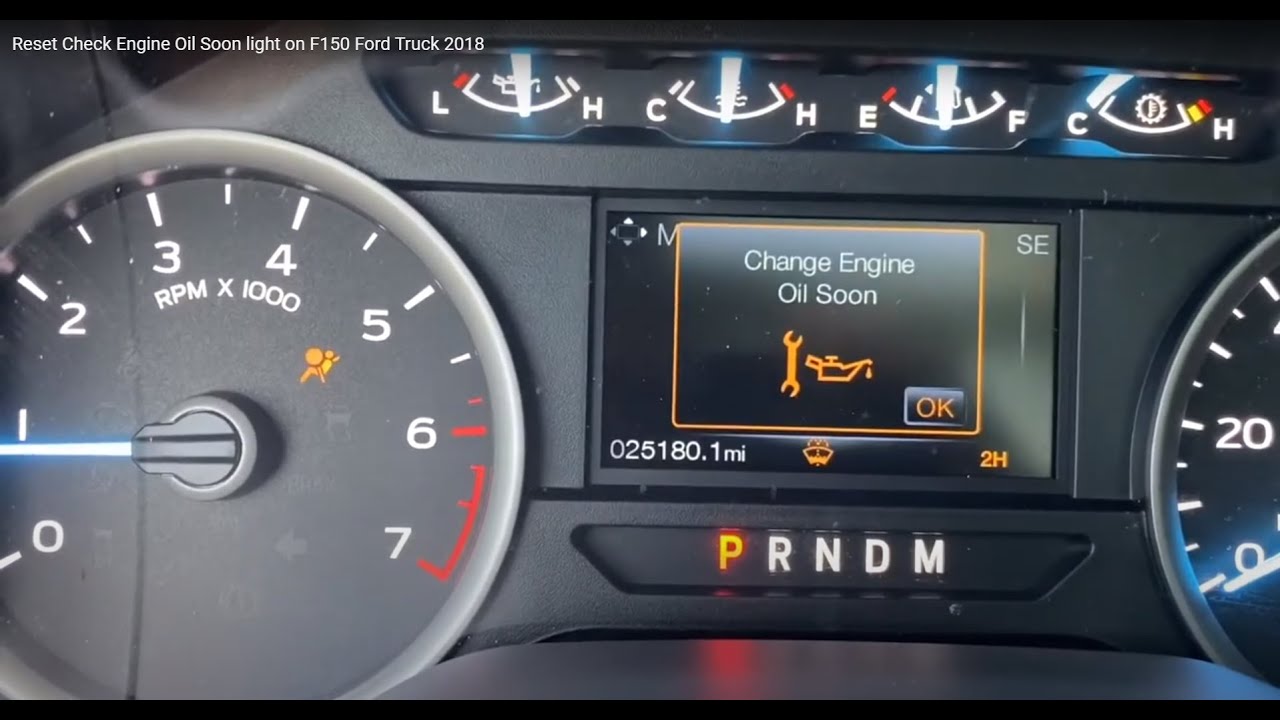
How To Reset The Check Engine Light
After fixing the problem, the light may go off on its own after a few driving cycles. If it doesn’t, you can reset it:
- Disconnect the Battery: Remove the negative battery cable for 10-15 minutes. This clears the codes but also resets radio and clock settings.
- Use an OBD-II Scanner: Some scanners can erase codes directly.
Important: If you reset the light without fixing the cause, it will come back. Always address the underlying issue.
Credit: www.fordofwestmemphis.com
Preventing Check Engine Light Issues
Regular maintenance is the best way to avoid the check engine light. Here are some tips:
- Replace spark plugs and wires as recommended in your owner’s manual.
- Use the correct fuel and oil for your engine.
- Check and replace the air filter regularly.
- Make sure the gas cap is tight after every fill-up.
- Have your truck inspected if you notice new noises, smells, or performance changes.
Even with good care, modern trucks have many sensors and electronics. Sometimes, unexpected issues still happen.
Differences In Check Engine Light Causes: Ford F150 Vs. Other Trucks
Some problems are unique to the Ford F150. For example, certain model years have a known issue with the ignition coil or specific sensors. Let’s compare:
| Feature | Ford F150 | Other Trucks |
|---|---|---|
| Common Sensor Failures | O2, MAF, ignition coils (especially 2004–2008 models) | Varies; often O2 sensor, MAF sensor |
| Transmission-Related Codes | Frequent in 2011+ models | Less frequent in older trucks |
| DIY Repair Difficulty | Moderate; good parts availability | Depends on brand/model |
Credit: www.youtube.com
Costs: Fixing The Check Engine Light In A Ford F150
Costs vary by the problem. Here’s a rough guide:
| Repair | DIY Cost | Shop Cost |
|---|---|---|
| Gas Cap Replacement | $15–$30 | $30–$60 |
| Oxygen Sensor | $40–$100 | $150–$300 |
| Spark Plugs/Wires | $50–$150 | $150–$350 |
| Catalytic Converter | $400–$1,200 | $900–$2,500 |
Labor is usually the biggest part of the cost at a repair shop. If you enjoy DIY repairs, you can save money—just be careful with complex issues.
Non-obvious Insights For F150 Owners
Many drivers think the check engine light means a big, expensive problem. In reality, over 20% of cases are related to simple issues like a loose gas cap or dirty sensors. Another common myth is that the truck will always run poorly when the light is on.
Some problems only affect emissions, so you may not feel a difference, but it’s still important to fix them.
A second insight is that some Ford F150 models, especially those with the 5. 4L Triton engine, have unique problems with the ignition coil boots. These should be checked and replaced more often than the manual says, especially if you live in a wet climate.
When To Seek Professional Help
If you’ve checked the simple things and the light stays on, or if you see more than one code, it’s smart to visit a mechanic. Multiple codes can signal bigger problems, like wiring issues or computer faults. Also, if your truck won’t pass an emissions test, a professional diagnosis is often required.
Ask your mechanic to explain the codes and recommended repairs. Don’t be afraid to get a second opinion if the cost seems high or the explanation isn’t clear.
Reliable Online Resources
For more details, the official Ford website and trusted auto forums are helpful. The Wikipedia page about On-board diagnostics explains more about how the system works and what you can expect.
Frequently Asked Questions
What Should I Do First When The Check Engine Light Comes On?
First, check if your gas cap is tight. If it’s loose, tighten it and see if the light goes off after a few drives. If the light is still on, get the codes read with an OBD-II scanner to find out what’s wrong.
Can I Drive With The Check Engine Light On?
If the light is steady and your F150 seems to run normally, you can drive short distances. If the light is flashing or the engine runs rough, stop driving and get help. Ignoring a flashing light can cause engine damage.
How Long Does It Take For The Check Engine Light To Reset After A Repair?
If you fix the problem, the light may turn off after a few driving cycles (usually 20–40 miles). If it doesn’t, you can use a scanner or disconnect the battery to reset it.
How Much Does It Cost To Fix The Check Engine Light In A Ford F150?
Costs depend on the problem. A gas cap may cost less than $30, while a catalytic converter can be over $1,000. Most repairs are in the $100–$400 range if you use a repair shop.
Can A Dirty Air Filter Cause The Check Engine Light?
Yes, a dirty air filter can cause air flow problems, triggering the light. Replacing the air filter is a simple, affordable fix that can help your engine run better.
Dealing with the check engine light on your Ford F150 doesn’t have to be stressful. By understanding what it means, how to respond, and when to get help, you can keep your truck running strong for years to come.