
The check engine light on but car runs fine situation is one of the most confusing things for drivers. The car feels normal. The engine starts. The speed is okay. There is no loud noise, no smoke, and no big warning sign, yet that little light stays on. Many people hope it will go away by itself. Sometimes it does. Often, it does not.
This warning can mean something small, like a loose gas cap. It can also mean a problem that is still early, so the car has not shown strong symptoms yet. That is why this light should never be ignored just because the car still drives well. Modern cars use sensors to catch problems before they become serious, and the check engine light is often the first clue.
In this guide, you will learn why the light comes on, what risks are real, what is not urgent, and what to do next. You will also see the common mistakes drivers make when the car “seems fine” and why those mistakes can become expensive later.
Why the light can come on before you feel a problem
Today’s engines are controlled by a computer that watches fuel use, air flow, emissions, ignition, and many other systems. If one reading looks wrong, the car stores a trouble code and turns on the check engine light. The car may still run normally because the system is only partly failing, or because the problem affects emissions more than drivability.
This is one of the most important things to understand: smooth driving does not always mean healthy driving. A sensor can be failing in a way that the driver barely notices. A small vacuum leak can still let the engine run, but it may hurt fuel economy. A weak ignition coil can work well at low speed, then misfire later under load. A loose gas cap can trigger the light without affecting performance at all.
That is why “runs fine” is not the same as “safe to ignore.” The light is often warning you early, not late.
Common reasons the check engine light is on but the car runs fine
Some causes are minor. Others are signs of a bigger problem hiding under normal driving. These are the most common ones.
Loose or damaged gas cap
This is one of the simplest causes. The fuel system is sealed to control vapors. If the cap is loose, cracked, or missing its seal, the car can detect a pressure problem and turn on the light. The engine usually feels normal.
Many drivers do not realize this can happen after a gas stop. If the cap was not tightened fully, the light may appear after a few trips. In some cars, the warning may take several drive cycles to turn off even after the cap is fixed.
Faulty oxygen sensor
The oxygen sensor helps the car adjust fuel use and emissions. When it gets slow or fails, the engine may still run smoothly. The main effect is often poorer fuel economy and higher emissions. The driver may not notice anything at first.
A bad sensor is more than a small annoyance. If the engine computer gets wrong oxygen data for too long, it may send too much or too little fuel. That can slowly affect the catalytic converter and other parts.
Failing mass air flow sensor
This sensor measures how much air enters the engine. If it gives incorrect data, fuel delivery may be off. The car may still drive normally in light conditions, especially at first. But the engine can feel rough later, and fuel use may rise.
A dirty air filter, oil contamination, or dust can sometimes affect this sensor. So the root cause is not always the sensor itself.
Small vacuum leak
Engines need the right balance of air and fuel. A vacuum leak lets extra air enter where it should not. Small leaks may not create obvious symptoms right away. The car may idle a little differently, but many drivers do not notice.
What makes vacuum leaks tricky is that they can grow. A small hose crack may become a larger split over time. Then the engine may start idling badly, stalling, or using more fuel.
Ignition coil or spark plug problem
When a spark plug or ignition coil begins to fail, the engine can sometimes still run well in normal driving. Misfires may happen only under heavier load, during rain, or at highway speed. The computer notices the misfire and stores a code.
This type of problem should not be delayed for long. A mild misfire can become a bigger one, and unburned fuel can damage the catalytic converter.
Emissions system issue
Many check engine warnings come from the emissions system, not the main engine itself. Parts like the evaporative emissions system, purge valve, or EGR valve can trigger the light while the car still drives normally.
These issues may seem unimportant because the car feels fine, but they still matter. They can reduce efficiency, increase pollution, and lead to failed inspections.
Catalytic converter starting to fail
A catalytic converter problem does not always cause immediate poor performance. In the early stage, the light may come on before the driver notices any strong symptom. Later, the car may lose power, smell strange, or fail emissions testing.
This is one of the reasons you should not assume the warning is harmless. A small issue upstream can slowly damage the converter, and converter replacement is often expensive.
What the light color and behavior can tell you
Not all warning lights mean the same level of danger. The check engine light can behave differently depending on the car and the problem. Knowing the pattern helps you react the right way.
| Light behavior | What it often means | What to do |
|---|---|---|
| Steady light | A fault is stored, but the car may still be safe to drive short term | Scan the code soon and check for symptoms |
| Flashing light | Serious misfire or active damage risk | Stop driving if possible and get help quickly |
| Light comes and goes | Problem may be intermittent or sensor-related | Do not ignore it; intermittent faults can be hard to find |
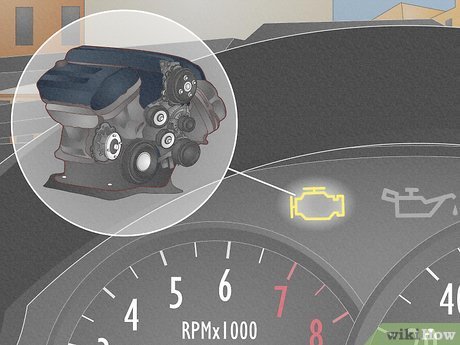
A flashing light is much more urgent than a steady one. A steady light with normal driving is often not an emergency, but it still needs attention. The key point is simple: the car can run fine today and still be heading toward a larger repair.
Credit: wikihow.com
Risks of ignoring the warning
When the car feels normal, it is easy to delay action. That is where trouble starts. Ignoring the light can lead to a few different problems.
Small issues can become larger repairs
A small vacuum leak, weak sensor, or loose cap may be cheap to fix early. If you wait, the engine may run rich or lean for weeks. That can strain other parts and raise repair costs.
Fuel economy can drop quietly
One of the hidden costs is extra fuel use. A problem that does not hurt driving feel can still waste gas every day. Over time, this adds up more than many drivers expect.
Emissions and inspection trouble
In many places, a car with an active check engine light will fail inspection. Even if the car drives normally, the inspection computer sees the stored fault. This can delay registration or create an unexpected repair bill before renewal.
Catalytic converter damage
This is one of the most expensive risks. A misfire or fuel control problem can send unburned fuel into the exhaust. That heats and damages the catalytic converter. Once that part fails, repair costs can rise fast.
Safety can change without warning
Some faults start small and then grow. A weak ignition coil may feel normal today and cause rough running later. A sensor issue may not affect the car in town, then become a problem on the highway or in cold weather.
What you should do first
The best response is calm, simple, and quick. You do not need to panic, but you also should not wait for the light to disappear on its own.
- Check the gas cap. Make sure it is tight. If it looks cracked or damaged, replace it.
- Notice how the car behaves. Pay attention to rough idle, shaking, loss of power, strange smells, or poor fuel mileage.
- See whether the light is steady or flashing. Flashing means stop and get help sooner.
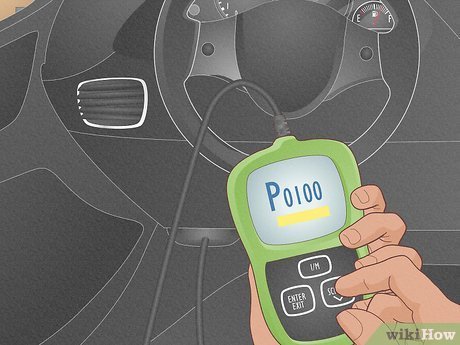
- Read the code. Use an OBD2 scanner or visit a parts store or mechanic who can scan it.
- Do not clear the code first. If you erase it before reading it, you lose useful information.
Many people make the mistake of resetting the light before checking the cause. That may turn the warning off for a while, but it does not solve the problem. Worse, the stored information can help a mechanic find the issue faster.
How serious is it if the car still drives normally?
That depends on the code and the symptoms. Some issues are low risk for a short time. Others need fast action even if the car still seems fine. A loose gas cap is minor. A flashing light with a misfire is not.
Here is a good way to think about it:
- If the car runs fine and the light is steady, you usually have time to diagnose it soon.
- If the car runs fine but fuel mileage drops, the problem may already be affecting efficiency.
- If the car runs fine now but the light flashes under acceleration, the issue may only show up in certain conditions.
- If the car runs fine but smells like fuel, rotten eggs, or burning, do not delay.
One non-obvious point many drivers miss is that the engine computer can often keep performance normal by making temporary corrections. That means the car feels okay only because the computer is working harder to cover the problem. The warning light may be the first sign that those corrections are starting to reach their limit.
Credit: wikihow.com
DIY checks you can do safely
You do not need to be a mechanic to do a few basic checks. These steps can help you narrow down the problem before you visit a shop.
Inspect the gas cap area
Make sure the cap is seated correctly and tightened until it clicks, if your car uses that style. Check the seal for cracks, dirt, or damage.
Look for obvious loose hoses
With the engine off, look for disconnected hoses, broken clips, or loose intake tubes under the hood. Do not pull on parts you are unsure about.
Pay attention to performance changes
Write down when the light came on. Note if it happened after filling gas, after rain, during highway driving, or in cold weather. These small details can help identify the cause.
Use a code reader if available
A basic OBD2 scanner can show the trouble code. Even if you do not know the full meaning, the code gives a strong clue. For example, codes related to misfires, fuel trim, or oxygen sensors point to different areas.
If you want a reliable explanation of how onboard diagnostics works, the U.S. Environmental Protection Agency offers a clear overview of vehicle OBD systems.
When you should stop driving
Most steady check engine lights do not mean you must pull over right away. But some signs do mean the car should not be driven much longer.
- The light is flashing.
- The engine is shaking or misfiring badly.
- You smell fuel strongly.
- The car loses power suddenly.
- The temperature rises or the overheating light comes on.
- You hear knocking, loud pinging, or metal noises.
If any of these happen, do not assume the car is fine just because it still moves. Driving more can turn a repair into a larger one.
Common mistakes drivers make
People often make the same errors when the car seems normal. These mistakes are easy to avoid.
Ignoring the light for weeks
This is the biggest mistake. The problem may stay small for a while, but not always. Waiting too long can cause more damage and higher repair costs.
Replacing random parts first
Some drivers guess and replace parts without reading the code. That wastes money. The same light can come on for many reasons, so guessing is risky.
Clearing the code without fixing the issue
This only hides the problem for a short time. The light often returns, and the original clue is gone.
Assuming a new car cannot have a real problem
Even newer cars can trigger the light from a loose cap, faulty sensor, or emission fault. New does not mean immune.
What a mechanic will likely check
If you take the car in, a mechanic will usually start with the stored code, then look at live sensor data and related systems. They may inspect the fuel cap, hoses, ignition parts, intake system, and emissions components. In many cases, the code is only the starting point, not the full answer.
This is another non-obvious insight: one code does not always mean one bad part. A sensor code may point to a wiring issue, a vacuum leak, or a mechanical fault. Good diagnosis is about finding the cause, not just replacing the part named by the code.
How to think about repair timing
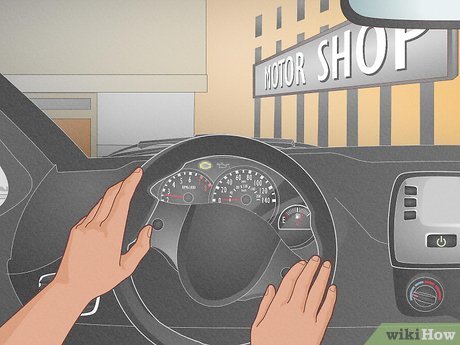
If the light is steady and the car truly feels normal, you usually have some time. But “some time” should mean days, not months. Plan a scan soon, then decide how urgent the repair is based on the code and symptoms.
If the code points to something simple, fixing it early is usually cheap. If it points to a misfire, fuel trim problem, or catalytic converter issue, move faster. The longer these problems stay active, the more likely they are to cause bigger damage.
A practical approach is this: if the car is safe to drive, drive only as needed until you know the cause. Avoid long trips, hard acceleration, and heavy towing. That lowers risk while you sort out the problem.
Credit: wikihow.com
Final takeaway
The phrase check engine light on but car runs fine sounds reassuring, but it should not make you relax too much. Many engine and emissions problems begin quietly. The car may feel normal for days or even weeks while damage slowly builds in the background.
The good news is that many causes are simple and affordable when caught early. A loose gas cap, a tired sensor, or a small vacuum leak can often be fixed before they turn into a major repair. The smart move is not panic. It is timely diagnosis.
If the light is steady, check the cap, note the symptoms, and scan the code soon. If the light flashes or the car starts to run rough, treat it as urgent. That small dashboard light is often the earliest warning you will get.
FAQs
1. Is it safe to drive with the check engine light on if the car runs fine?
Sometimes, yes, for a short time. A steady light with no symptoms is often not an emergency, but it should be checked soon. A flashing light is different and can mean active engine damage risk.
2. Can a loose gas cap turn on the check engine light?
Yes. A loose, damaged, or missing gas cap is a very common reason for the light. Tightening or replacing the cap may fix the issue, but the light may take a few drive cycles to turn off.
3. Why does the car run normally if there is a problem?
Many problems start small. The engine computer may also correct for the fault for a while, so you do not feel it right away. That is why the warning light can appear before the car drives badly.
4. Will the check engine light go off by itself?
Sometimes it will, especially after a temporary fault or a loose gas cap is fixed. But do not rely on that. If the problem is still there, the light usually comes back.
5. What is the first thing I should do when the light comes on?
Check that the gas cap is tight, then observe whether the light is steady or flashing. After that, read the diagnostic code as soon as you can. That gives you the best clue about what is wrong.