
Your car talks to you in a simple way. The problem is, most drivers do not understand the language. When the Check Engine Light & Codes appear, many people feel fear, confusion, or both. But this warning is not always a disaster. Sometimes it points to a small issue. Other times, it warns you early so you can avoid a costly repair.
The good news is that you do not need to be a mechanic to understand the basics. With a little knowledge, you can read the code, understand what it means, and decide what to do next. That can save time, money, and stress.
In this guide, you will learn what the check engine light really means, how diagnostic codes work, which problems are common, and how to fix them the smart way. You will also learn when it is safe to keep driving and when you should stop and get help right away.
What the check engine light is trying to tell you
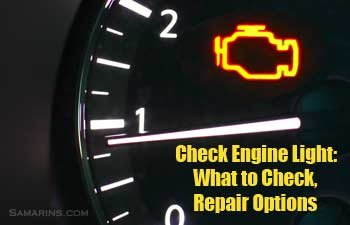
The check engine light is part of your car’s onboard diagnostics system, often called OBD-II. This system watches many engine and emissions parts all the time. If it sees a problem, it stores a code and turns on the warning light.
This light does not only mean engine trouble. It can also point to fuel system issues, air intake problems, ignition faults, sensor failures, or emissions system errors. In many cars, the same light may come on for both small and serious problems.
Some drivers ignore it because the car still runs. That is a mistake. A car can seem normal while a problem slowly gets worse. Early warning is valuable because it can stop a small issue from becoming a large repair.
Solid light vs. blinking light
A solid check engine light usually means the problem is important, but not always urgent. You should still read the code soon. A loose gas cap, worn sensor, or bad spark plug can trigger it.
A blinking check engine light is more serious. It often means the engine is misfiring badly. If you keep driving, unburned fuel can damage the catalytic converter. In that case, slow down, avoid hard driving, and get the car checked as soon as possible.
How diagnostic codes work
When the light turns on, the car stores one or more trouble codes in the computer. These are called diagnostic trouble codes, or DTCs. A code does not always tell you the exact broken part. It tells you where the system found the problem.
For example, a code might say the engine is running too lean. That does not mean one specific part is bad. It means the air-fuel balance is wrong. The cause could be a vacuum leak, bad sensor, weak fuel pump, or something else.
That is why codes are a starting point, not the final answer.
What the code format means
Most codes look like this: P0301 or P0420. Each part has meaning.
- P means powertrain, which covers engine and transmission.
- B means body, usually inside systems like airbags or doors.
- C means chassis, such as steering or suspension systems.
- U means network or communication between computer modules.
The numbers after the letter give more detail. Some codes are generic and used by many car brands. Others are manufacturer-specific and need brand knowledge or better scan tool support.
Why the code alone is not enough
This is one of the biggest mistakes beginners make. They search one code online and replace the part named in the search result. That can waste money. A code often points to a system, not the exact failed part.
For example, a code for oxygen sensor performance may be caused by an exhaust leak, fuel problem, or wiring issue. Replacing the sensor without checking the full picture may not solve anything.
Common Check Engine Light & Codes and what they usually mean
Many codes appear often across different cars. Knowing the common ones helps you understand what kind of problem you may be facing.
| Code | Common meaning | What it may feel like |
|---|---|---|
| P0300 | Random or multiple cylinder misfire | Rough running, shaking, weak power |
| P0301-P0308 | Misfire in a specific cylinder | Rough idle, engine stumble, flashing light in some cases |
| P0171 | System too lean, bank 1 | Poor acceleration, possible fuel trim issues |
| P0420 | Catalyst system efficiency below threshold | May feel normal at first, but emissions system fault |
| P0455 | Large evaporative emission leak | Often no drive symptoms, sometimes fuel smell |
| P0442 | Small evaporative emission leak | Usually no obvious driving change |
| P0128 | Coolant thermostat issue / engine not warming up fast enough | Weak heater, low temperature reading |
| P0135 | Oxygen sensor heater circuit problem | Often no major drive change at first |
Some codes affect how the car drives right away. Others mostly affect emissions and fuel economy. That is why the symptoms matter just as much as the code.
Misfire codes deserve special attention
Misfire codes like P0301 or P0300 are among the most important codes to handle quickly. A misfire means one or more cylinders are not burning fuel correctly. Common causes include worn spark plugs, bad ignition coils, faulty injectors, vacuum leaks, low compression, or fuel delivery issues.
A mild misfire may only cause rough idle. A severe misfire can damage the catalytic converter, hurt fuel economy, and make the car unsafe to drive at highway speed.
Emissions codes often look small but matter
Codes like P0455 or P0420 may not make the car feel broken. That does not mean they are unimportant. Emissions problems can fail an inspection, lower fuel economy, and point to hidden leaks or aging parts.
A loose gas cap is a common cause of evaporative system codes. It is cheap and easy to check, but many drivers skip it and worry about much larger repairs.
How to read the code the right way
The safest and smartest way to deal with a warning light is to read the code first. You can use a basic OBD-II scanner, which plugs into a port usually under the dashboard. Some auto parts stores also scan codes for free, though they may not give deep diagnosis.
To get the most value, do not just read the code number. Also note:
- Whether the light is solid or blinking
- Any strange noise, smell, shake, or power loss
- When the problem happens, such as idle, acceleration, or highway driving
- Whether more than one code appears
- Freeze frame data, if your scanner shows it
Freeze frame data is a snapshot of the engine conditions when the code was set. It can show engine speed, load, coolant temperature, and fuel trim. This is a valuable clue many beginners ignore.
Credit: samarins.com
Clear the code only after you understand the cause
It may be tempting to erase the code right away. But that can hide the evidence. If the problem returns, you lose useful information. Clearing the code can also reset some readiness monitors, which may matter for an emissions test.
If you make a repair, then clearing the code makes sense. But if you do not yet know the cause, keep the code history first.
For a trusted overview of onboard diagnostics, you can also review the U.S. Environmental Protection Agency’s explanation of OBD systems.
What usually causes the check engine light
There are many possible causes, but some are much more common than others. Knowing the usual suspects helps you avoid random parts replacement.
1. Loose or damaged gas cap
This is one of the easiest fixes. If the gas cap is loose, cracked, or the seal is worn, the evaporative system can detect a leak and turn on the light. Tighten it until it clicks. If the cap is damaged, replace it with the correct one for your car.
2. Worn spark plugs or ignition coils
These parts help ignite the fuel mixture. When they wear out, misfires can happen. You may notice rough idle, hesitation, or poor fuel economy. On many cars, spark plugs are a routine maintenance item. Ignition coils last longer, but they can still fail.
3. Oxygen sensor problems
Oxygen sensors help the engine adjust fuel mixture. When they fail, fuel economy may drop and emissions may rise. But remember: the sensor may not be the real root problem. Exhaust leaks or wiring damage can also trigger sensor codes.
4. Vacuum leaks
A cracked hose, broken intake seal, or leaky gasket can let extra air into the engine. That can make the engine run too lean. A vacuum leak may cause a hissing sound, rough idle, or unstable RPM.
5. Catalytic converter trouble
The catalytic converter helps clean exhaust gases. When it fails, a P0420-type code may appear. But it is important to be careful here. A bad converter is sometimes the result of another issue, such as misfires or oil burning. Replacing the converter without fixing the cause can waste a lot of money.
6. Faulty sensors or wiring
Modern cars depend on many sensors. A damaged connector, corroded wire, or failed sensor can turn on the warning light. In some cases, the part itself is fine, but the electrical path is not.
How to decide if you can keep driving
Not every check engine light means you must stop immediately. Still, you should not guess. Use symptoms and light behavior to judge the risk.
Credit: istockphoto.com
You may be able to drive carefully if:
- The light is solid, not blinking
- The engine runs normally
- There is no strong fuel smell
- No overheating is happening
- No loud knocking, heavy shaking, or power loss is present
Do not keep driving if:
- The light is blinking
- The engine shakes badly
- The car loses power suddenly
- You smell fuel strongly
- The temperature gauge rises too high
A useful rule is this: if the car feels unsafe, treat it as urgent. A warning light with bad driving symptoms should never be ignored.
How to fix check engine codes without wasting money
The best repair process is simple, but it must be done in the right order. Skipping steps is where many expensive mistakes happen.
- Read the code and note the symptoms. Do not guess from the light alone.
- Check the easiest causes first. For example, inspect the gas cap, hoses, and visible wiring.
- Look for patterns. A misfire at idle points to a different cause than a misfire under load.
- Test before replacing parts. Use a multimeter, smoke test, fuel pressure test, or live data if needed.
- Repair the root cause, not just the code. A code is often the result, not the real problem.
- Clear the code and confirm the fix. Drive the car long enough to see if the warning returns.
Common beginner mistakes
One mistake is buying the part named in the code description and installing it right away. Another mistake is ignoring the code because the car still drives. A third mistake is clearing the code and assuming the issue is gone.
Another less obvious mistake is changing too many parts at once. If you replace several items without testing, you may never know what actually fixed the problem. That makes future repairs harder.
Why some “easy fixes” are not so easy
For example, a lean code may seem like a simple sensor issue. But the real cause may be unmetered air entering the engine. If you replace the sensor first, the light may return. The smarter move is to find the air leak, then confirm the sensor reading again.
The same idea applies to misfires. A bad spark plug may be the cause, but a fuel injector or compression issue can create the same code. Good diagnosis saves money because it avoids part swapping.
Useful tools for checking codes at home
You do not need a full repair shop to learn a lot. A few tools can help you make better decisions.
- OBD-II scanner: Reads codes and clears them after repair
- Basic multimeter: Helps check voltage, resistance, and continuity
- Flashlight: Useful for checking hoses, caps, and connectors
- Paper or phone notes: Helps track symptoms and code history
Even a simple scanner is better than guessing. A more advanced scanner can show live data, which helps spot fuel trim problems, sensor failure, and misfire patterns.
When a professional diagnosis is the better choice
Some problems are easy to handle at home. Others are not. If the code returns after a simple fix, or if the car has complex symptoms, a professional diagnosis is often the best next step.
This is especially true if the code points to internal engine problems, transmission issues, multiple codes at once, or intermittent electrical faults. These problems can take special tools and experience to trace correctly.
A good mechanic does more than read the code. They test the system, compare data, and narrow the cause step by step. That approach is often cheaper than replacing parts at random.
How to prevent future warning lights
You cannot prevent every problem, but good care reduces your chances of seeing the light often. Small habits matter.
- Use the correct fuel and oil for your car
- Change spark plugs and filters on schedule
- Fix small oil, coolant, or vacuum leaks early
- Do not ignore rough idle or poor fuel economy
- Keep the gas cap and filler neck in good shape
One smart habit many drivers miss is paying attention to small changes before the light comes on. A slight shake at idle or a tiny drop in MPG can give you early warning. That is often the best time to act.
Another helpful habit is keeping a simple repair record. If the same code returns months later, your notes can reveal a pattern that saves diagnosis time.
Credit: gofar.co
Final thoughts on reading and fixing codes
The Check Engine Light & Codes system is not there to scare you. It is there to warn you early. When you understand how it works, the light becomes useful instead of mysterious.
Start with the code, check the symptoms, and test the likely causes before replacing parts. That is the safest way to save money and avoid repeat repairs. In many cases, the fix is simple. In harder cases, a proper diagnosis will still protect you from bigger trouble later.
Once you learn the basics, you will stop seeing the check engine light as a panic signal. You will see it as information.
FAQs
1. Can I drive with the check engine light on?
If the light is solid and the car drives normally, you may be able to drive for a short time while you schedule a scan. If the light is blinking, or the car shakes, smells like fuel, or loses power, stop driving and get help soon.
2. What is the first thing I should check when the light comes on?
Check the gas cap first, because it is a common and easy cause. After that, scan the codes and note any symptoms like rough idle, poor acceleration, or strange noise.
3. Will the check engine light go off by itself?
Sometimes it can turn off after the problem stops for several drive cycles, but that does not mean the issue is fixed. If the code returns, the root cause is still there.
4. Is an OBD-II code enough to tell me exactly what is wrong?
No. The code gives a clue, but it does not always name the exact broken part. You still need symptoms, inspection, and sometimes testing to find the real cause.
5. How much does it cost to fix a check engine light problem?
The cost can be very low or very high. A loose gas cap may cost almost nothing, while a catalytic converter or major sensor issue can be expensive. The code helps narrow the problem, but diagnosis is what tells you the real repair cost.