
Most drivers fill their tires with air without a second thought. But in recent years, many tire shops and car experts have started talking about nitrogen in tires. They claim it offers better performance, longer tire life, and improved safety. Is it really that different from regular air? Or is it just a marketing trick? If you’ve ever wondered about the real differences between nitrogen and air in tires, you’re not alone. Understanding this topic helps you make smart decisions for your car, your safety, and your wallet.
This article explains the science behind both options, the real benefits and drawbacks, and when each one makes sense. We’ll also look at practical examples, clear up common myths, and answer the questions drivers ask most. By the end, you’ll have everything you need to know—without confusion or hype—about the nitrogen vs air debate.
What’s Inside Your Tires?
Tires need to be filled with a gas that maintains pressure and supports the vehicle’s weight. Most people use compressed air, which is about 78% nitrogen, 21% oxygen, and small amounts of other gases. Special tire shops may offer pure nitrogen—typically 93% to 99% nitrogen gas.
Air: The Standard Choice
Compressed air is easy to find. Every gas station and tire shop provides it for free or a small fee. Because it’s simply filtered air from the atmosphere, it’s cheap and convenient.
Nitrogen: The Specialized Option
Nitrogen is a dry, inert gas. Professional shops use special machines to separate nitrogen from oxygen, creating a high-purity gas for tire filling. This process costs more, so nitrogen filling is usually more expensive than air.
Why Consider Nitrogen At All?
Many people wonder, “If air is mostly nitrogen anyway, why pay extra for pure nitrogen? ” The answer comes from the behavior of gases under pressure and temperature changes.
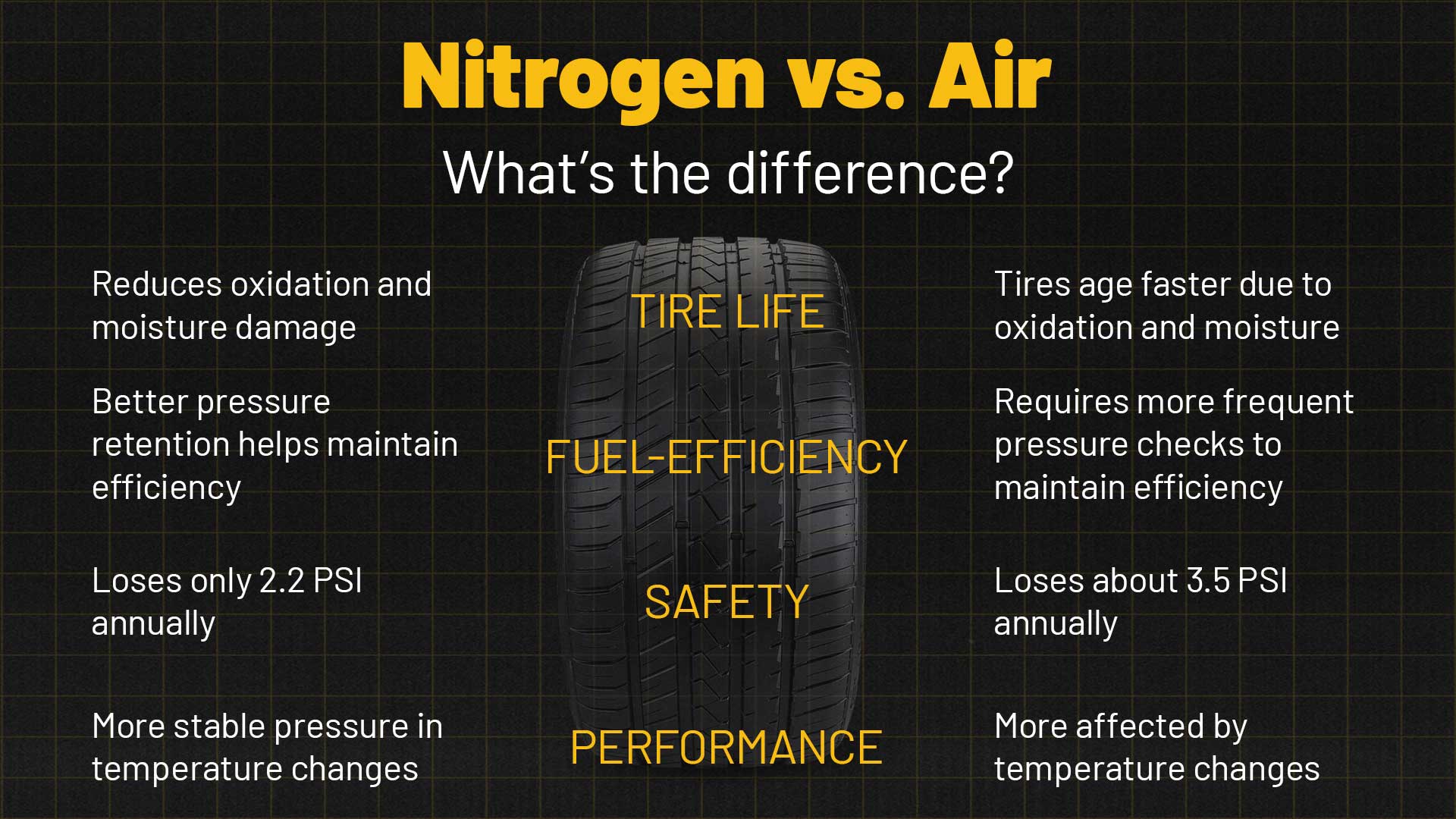
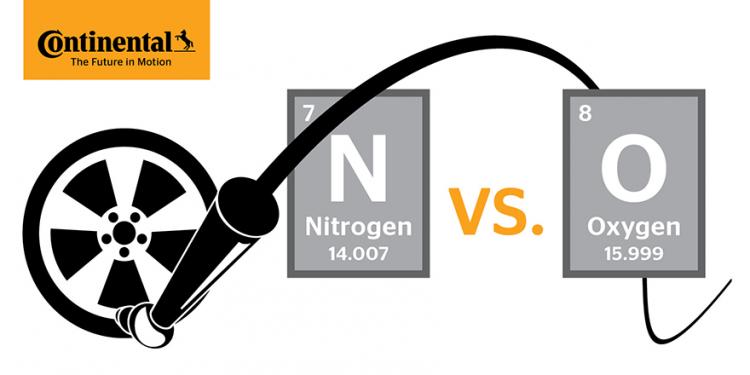
- Nitrogen molecules are slightly larger than oxygen molecules. This means they leak through rubber more slowly, so tire pressure stays steady longer.
- Nitrogen is dry and contains no water vapor, reducing the chance of moisture-related corrosion inside wheels.
- Nitrogen is inert, so it doesn’t react with tire materials as easily as oxygen.
These differences are small, but over time, they can make an impact—especially in certain situations.
Credit: lionharttires.com
Key Differences: Nitrogen Vs Air
To see the facts side by side, compare the main properties of each option.
| Feature | Nitrogen | Air |
|---|---|---|
| Purity | 93-99% nitrogen | 78% nitrogen, 21% oxygen |
| Moisture | Dry | Contains water vapor |
| Leak Rate | Slower | Faster |
| Cost | Higher | Low/Free |
| Availability | Limited | Everywhere |
Benefits Of Nitrogen-filled Tires
1. More Stable Tire Pressure
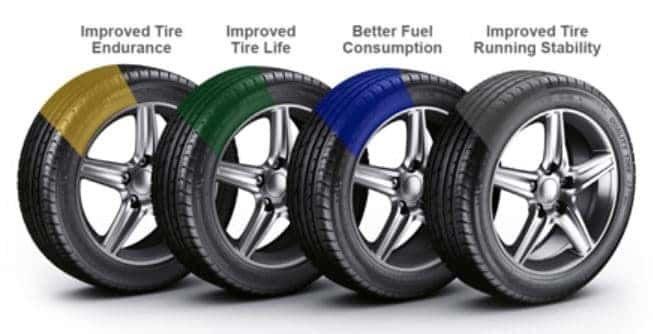
Because nitrogen leaks more slowly than air, tire pressure drops at a slower rate. This is helpful if you forget to check your tires often. Studies show that nitrogen-filled tires can keep their pressure about 1.3 psi higher over six months compared to air. This difference is small but can add up over time.
2. Less Oxidation And Corrosion
Compressed air contains oxygen and moisture. Over time, these can cause corrosion inside aluminum wheels and rust on steel rims. Nitrogen is dry and does not support oxidation, helping keep the inside of your tires and wheels in better shape, especially if you drive in humid areas.
3. Reduced Pressure Changes With Temperature
Nitrogen reacts less to temperature swings compared to regular air. For most drivers, this difference is very small, but for race cars or vehicles under extreme conditions, it matters. Less pressure change means more consistent handling and tire wear.
4. Longer Tire Life
Stable pressure and less moisture can mean longer-lasting tires. Uneven or low pressure wears tires out faster. By keeping pressure steady, nitrogen may extend tire life by several thousand miles.
5. Improved Fuel Efficiency
Proper tire pressure is linked to better gas mileage. Even a small drop in pressure can reduce fuel efficiency by 1% or more. Nitrogen helps maintain that pressure, leading to small savings over time.
Drawbacks Of Using Nitrogen
1. Higher Cost
Filling tires with nitrogen is more expensive. Shops may charge $5 to $10 per tire, or even more for a full set. Refills also cost extra compared to free air.
2. Limited Availability
You can find compressed air at almost every gas station. Nitrogen is less common. If you get a flat or need to top off your tires, you may not find nitrogen nearby. This can be a hassle, especially during a long trip.
3. Minimal Benefit For Most Drivers
For regular commuters or city drivers, the advantages of nitrogen over air are often small. If you check your tire pressure monthly and maintain your tires, air works just as well.
4. Mixing Nitrogen And Air
If your nitrogen-filled tire loses pressure and you add air, the benefits of nitrogen are reduced. Mixing is not dangerous, but you lose some of the purity and stability advantages.
5. Not A Solution For Leaks
Some people think switching to nitrogen will fix a leaking tire. This is not true. If you have a nail or puncture, nitrogen will leak out just like air.
Who Really Needs Nitrogen?
While nitrogen offers benefits, it’s not necessary for everyone. Here’s where it makes sense:
- Race car drivers: High speeds and heat make stable pressure critical.
- Aircraft and heavy trucks: Safety regulations often require nitrogen for extreme conditions.
- Collectors or rarely driven vehicles: Keeps tires in good shape during long storage.
- People who rarely check tire pressure: Nitrogen’s slow leak rate can help.
Most daily drivers, however, do not see big enough improvements to justify the extra cost.
Credit: www.springfieldacura.com
Common Myths About Nitrogen
There’s a lot of hype around nitrogen for tires. Let’s clear up the most common misunderstandings.
- Nitrogen will never leak out.
- Not true. Nitrogen leaks more slowly, but it still escapes over time. You must still check tire pressure regularly.
- Nitrogen tires don’t need maintenance.
- False. You should still inspect tires for damage, rotation, and pressure.
- Switching to nitrogen will fix old or damaged tires.
- Nitrogen can’t repair cracks, punctures, or worn-out rubber. It only fills the tire.
- Nitrogen improves handling and safety for all drivers.
- For most, the difference is too small to notice. Proper tire care is more important than the gas inside.
Real-world Example
Let’s look at a real scenario. A fleet of delivery vans switched to nitrogen-filled tires and tracked pressure loss over six months:
- Vans with air-filled tires lost an average of 2.5 psi over six months.
- Vans with nitrogen-filled tires lost an average of 1.2 psi.
This helped the company save money on fuel and tire replacement. But for the average car owner, checking and filling tires once a month gives the same result without extra cost.
Credit: continentaltire.com
Comparing Performance In Different Climates
Temperature changes affect tire pressure. In cold climates, pressure drops as air contracts. In hot weather, pressure rises. Nitrogen’s stable properties help reduce these swings, but only a little.
| Climate | Benefit from Nitrogen | Benefit from Air |
|---|---|---|
| Hot & Dry | Less moisture, less pressure swing | Pressure changes more with heat |
| Cold & Humid | Prevents wheel corrosion | Risk of internal moisture freezing |
| Moderate | Minor advantage | Works well |
Environmental Impact
Some claim nitrogen is “greener” because it reduces tire wear and improves fuel economy. However, the effect is very small for most drivers. The energy used to create and deliver nitrogen may even offset these small gains.
A bigger environmental benefit comes from proper tire maintenance—checking pressure, rotating tires, and avoiding under-inflation—no matter which gas you use.
Cost Comparison
How much more does nitrogen cost compared to air? Here’s a quick look.
| Type | Initial Fill (Set of 4) | Top-Up/Refill |
|---|---|---|
| Nitrogen | $20 – $40 | $5 – $10 |
| Air | Free – $4 | Free – $2 |
Prices may vary depending on your location and the shop.
Non-obvious Insights Most People Miss
- Tire sensors and nitrogen: Tire pressure monitoring systems (TPMS) work with both air and nitrogen. However, if moisture from air corrodes the sensor, it may fail over time. Nitrogen can help sensors last longer in rare cases.
- Older tires benefit less: As tires age, the rubber becomes more porous, so even nitrogen can’t stop leaks. The real solution is to replace old or cracked tires, not just switch gases.
Expert Recommendations
If you’re a regular driver, focus on regular tire checks rather than the type of gas. Use nitrogen if it’s free or included with new tires, but don’t pay extra if you check pressure monthly. For racing, heavy-duty, or specialty vehicles, nitrogen’s benefits are worth considering.
For maximum tire life:
- Check pressure monthly
- Rotate tires every 5,000-8,000 miles
- Replace tires when tread is low, regardless of filling gas
If you want to dive deeper into the science of gases in tires, visit the Wikipedia page on nitrogen tire inflation.
Frequently Asked Questions
What Happens If I Mix Air And Nitrogen In My Tires?
Mixing is safe and common. If you add air to nitrogen-filled tires, the benefits of pure nitrogen are reduced but not lost completely. Your tires will still work fine.
Is Nitrogen Filling Worth The Extra Cost?
For most drivers, the extra cost brings only small benefits. It can help if you rarely check tire pressure, but regular maintenance is more important.
Can I Switch Back To Air After Using Nitrogen?
Yes. There’s no problem switching between air and nitrogen. Your tires and wheels will not be damaged by using either.
Does Nitrogen Improve Tire Safety?
It can help keep pressure steady, which may reduce blowouts caused by under-inflation. However, proper tire care and inspection are more important for safety than the type of gas.
Where Can I Get Nitrogen For My Tires?
Many tire shops, car dealers, and some auto service centers offer nitrogen fills. Availability depends on your location, so call ahead to check.
Choosing between nitrogen and air in tires depends on your driving needs and habits. Both are safe, effective, and will keep your vehicle running well if you pay attention to tire maintenance. For most people, regular air is enough. But understanding the facts lets you make the best choice for your car and your peace of mind.