
Many drivers wait until tires look badly worn before thinking about rotation. That is a mistake. Tire rotation is not just about saving money. It is about keeping your car stable, braking well, and reducing the chance of a tire failure on the road.
If you have ever asked, How Often Should I Rotate My Tires, the short answer is usually every 5,000 to 8,000 miles. But the best timing depends on your vehicle, your tire type, and how you drive. Some cars need different rotation patterns. Some tires wear faster on one axle than the other. And some driving habits can shorten tire life even when the tread still looks fine.
In this guide, you will learn the right rotation schedule, why it matters, what affects tire wear, and the mistakes many drivers miss. You will also see how to tell when your tires need attention before safety becomes a problem.
Why tire rotation matters more than most drivers think
Tires do not wear evenly. The front tires often work harder because they handle steering and most of the braking force. On many vehicles, the front tires also carry more weight during turns. That means they usually wear faster than the rear tires.
If you do not rotate them, the front tires may become bald long before the rear tires. This creates uneven grip. Your car may pull to one side, stop less predictably, or lose traction sooner in rain. Uneven wear can also make the ride noisier and rougher.
Rotation helps spread the wear across all four tires. That gives you a more balanced feel on the road and helps all tires last longer. It can also delay the need to replace a full set.
There is another benefit that many people miss: even wear makes tire inspections more useful. When all tires age at a similar rate, it is easier to spot a real problem such as suspension damage, bad alignment, or underinflation.
How often should you rotate your tires?
For most vehicles, How Often Should I Rotate My Tires comes down to a simple rule: rotate them every 5,000 to 8,000 miles, or about every 6 months. A good habit is to do it during your regular oil change if the mileage lines up.
That said, not every vehicle follows the same pattern. Some manufacturers recommend a specific interval in the owner’s manual. That recommendation should always come first. If your car has special tires, such as directional tires, staggered wheel sizes, or certain performance setups, the rotation method may be limited.
Here is a practical guide you can use:
| Driving situation | Suggested rotation interval |
|---|---|
| Normal driving, regular roads | Every 5,000 to 8,000 miles |
| Mostly city driving with frequent stops | Every 5,000 miles |
| Heavy highway use | Every 6,000 to 8,000 miles |
| Performance driving or aggressive cornering | Every 3,000 to 5,000 miles |
| All-wheel drive vehicle | Follow the manual, often every 5,000 to 6,000 miles |
One important detail: mileage is better than time alone. If you drive very little, rotate tires at least once a year. Rubber still ages even when the car sits parked.
What changes the rotation schedule
There is no single answer for every car. Several things affect how fast tires wear and how often they should be rotated.
1. Drive type
Front-wheel drive cars usually wear the front tires faster because the front wheels do the steering and most of the driving work. Rear-wheel drive vehicles can still wear the rear tires quickly under hard acceleration. All-wheel drive vehicles may need more careful rotation timing because uneven tire size or wear can affect the drivetrain.
2. Driving style
Fast starts, hard braking, sharp turns, and frequent lane changes all increase wear. A smooth driver may get more life from each tire and may stretch the interval slightly. An aggressive driver should rotate sooner.
3. Road conditions
Potholes, rough roads, gravel, and construction zones can cause irregular wear. If you drive on bad roads often, check your tires more often. Damage may start on the inside edge or in one small section before you notice it from the outside.
4. Tire type
Some tires are designed for a specific rotation direction. Others have different tread on the inside and outside edges. These tires may only be rotated front to back, not crossed side to side. Always check the sidewall and manual before changing the pattern.
5. Alignment and suspension
If your alignment is off, rotation will not solve the problem by itself. It may slow the wear pattern, but the tires will still wear unevenly if the wheels point in the wrong direction. Worn suspension parts can also cause the same issue. If one tire wears much faster than the others, rotation may be hiding a deeper problem.
That is one of the most useful things beginners miss: rotation is a maintenance step, not a repair. It helps you manage wear, but it does not fix the reason for abnormal wear.
Best rotation patterns for different vehicles
The correct pattern depends on the tire setup. Using the wrong one can reduce the benefit or even damage certain tire types.

Credit: utires.com
Front-wheel drive vehicles
A common pattern is to move the front tires straight back and cross the rear tires to the front. This helps balance the faster wear on the front axle. If the tires are directional, the pattern changes because the rolling direction must stay the same.
Rear-wheel drive vehicles
For many rear-wheel drive cars, the rear tires move straight forward and the front tires cross to the rear. This works because the rear tires often wear faster from power delivery.
All-wheel drive vehicles
AWD vehicles can be more sensitive to uneven tire size. A small difference in tread depth can affect the drivetrain over time. That is why many manufacturers recommend shorter intervals. In some cases, tires are rotated in a cross pattern at every service visit.
Directional tires
Directional tires are made to roll in one direction only. They usually cannot be crossed from side to side unless they are removed from the wheel and remounted. The safe move is often front to back on the same side.
Different-sized front and rear tires
Some sports cars and performance vehicles use staggered setups, where the rear tires are wider than the front tires. These cannot usually be rotated front to back. If your car has this setup, ask a tire professional what rotation options exist. Sometimes rotation is not possible, so tread care and pressure checks matter even more.
Signs your tires need rotation sooner
Even if you follow a normal schedule, some warning signs tell you it is time earlier. Do not wait for the next oil change if you notice any of these issues.
- Uneven tread depth between front and rear tires
- Vibration or steering wheel shake at higher speeds
- Noise that gets louder as tires wear
- One tire looking more worn on the edges
- Car pulling slightly to one side
- Loss of grip in rain before expected
One subtle clue many drivers miss is changes in tire feel. If the steering starts to feel lighter, duller, or less precise, the front tires may be wearing unevenly. That does not always mean rotation alone will fix it, but it is a strong reason to inspect the tires right away.
Why tire pressure matters before and after rotation
Rotation works best when tire pressure is correct. If one tire is underinflated, it will wear faster on the outer edges. If it is overinflated, the center of the tread may wear too quickly. In both cases, rotating that tire just moves the problem to another position.
Always check pressure when the tires are cold. Adjust it to the vehicle’s recommended PSI, not the number on the tire sidewall. That number is the maximum limit, not the target pressure.
After rotation, check pressure again if needed. Some people skip this step because they think the tire shop handled it. But pressure can change during service, and a small difference can affect wear over time.
A smart habit is to check pressure once a month. This simple step can improve tire life more than many drivers expect.
How rotation helps with safety, not just tire life
People often talk about tire rotation as a way to save money. That is true, but safety is the bigger reason.
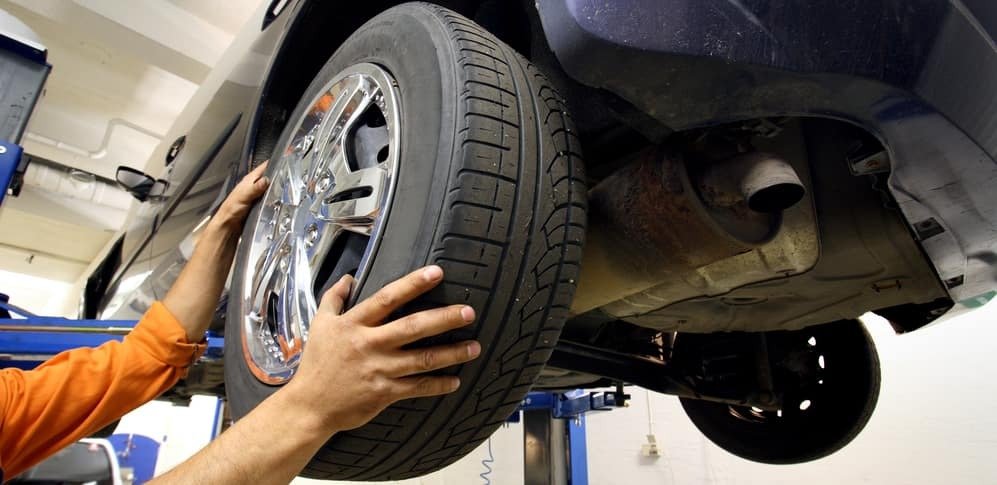
When tires wear evenly, the car keeps more balanced traction. This matters during emergency braking, wet-road driving, and sharp turns. Uneven tires can create unpredictable handling. A car with good rear tires and weak front tires may feel different in a turn than a car with the opposite problem.
Even wear also helps the anti-lock braking system and stability control work more smoothly. Those systems depend on predictable grip. If one tire is much weaker than the others, the system has to work harder to compensate.
For more tire safety guidance, you can also review the National Highway Traffic Safety Administration’s tire information page at NHTSA.
Credit: mbwestcovina.com
Common mistakes drivers make
Many tire problems happen because people follow part of the advice but miss the details.
Waiting too long
If you rotate tires at 15,000 miles instead of 5,000 to 8,000, the front tires may already be much more worn than the rear ones. At that point, rotation helps less.
Ignoring the owner’s manual
Some cars need a special pattern or shorter interval. Guessing is risky, especially with AWD systems and directional tires.
Rotating without checking alignment
If tires keep wearing unevenly after rotation, the real issue may be alignment or suspension wear. Fix the source, not only the symptom.
Not checking the spare
If your vehicle has a full-size spare, it may also be part of the rotation plan. Leaving it unused for years can create another aging tire problem.
Forgetting tire age
A tire can still have tread but be too old to trust. Rubber hardens over time. Rotation will not make an aging tire safe forever.
A simple way to remember the right timing
If you want an easy rule, use this:
- Check your owner’s manual first.
- Rotate every 5,000 to 8,000 miles for normal use.
- Rotate sooner if you drive hard, carry heavy loads, or use AWD.
- Check pressure every month.
- Inspect tread and wear patterns at every rotation.
This system is simple, but it works. It keeps you from waiting too long and helps you spot problems early.
Can you rotate tires yourself?
Yes, if you have the right tools, some experience, and a safe place to work. But the job is not only about moving wheels around. You also need to lift the vehicle safely, torque the lug nuts correctly, and know the right pattern for your tires.
A common mistake is using an impact tool too hard when reinstalling wheels. That can lead to uneven lug nut force. Too tight or too loose both create risk. If you rotate tires yourself, use a torque wrench and follow the vehicle’s torque spec.
For many drivers, a professional tire rotation is worth it because the tech can also inspect tread depth, check for nail damage, and spot wear patterns that a beginner might miss.
When tire rotation is not enough
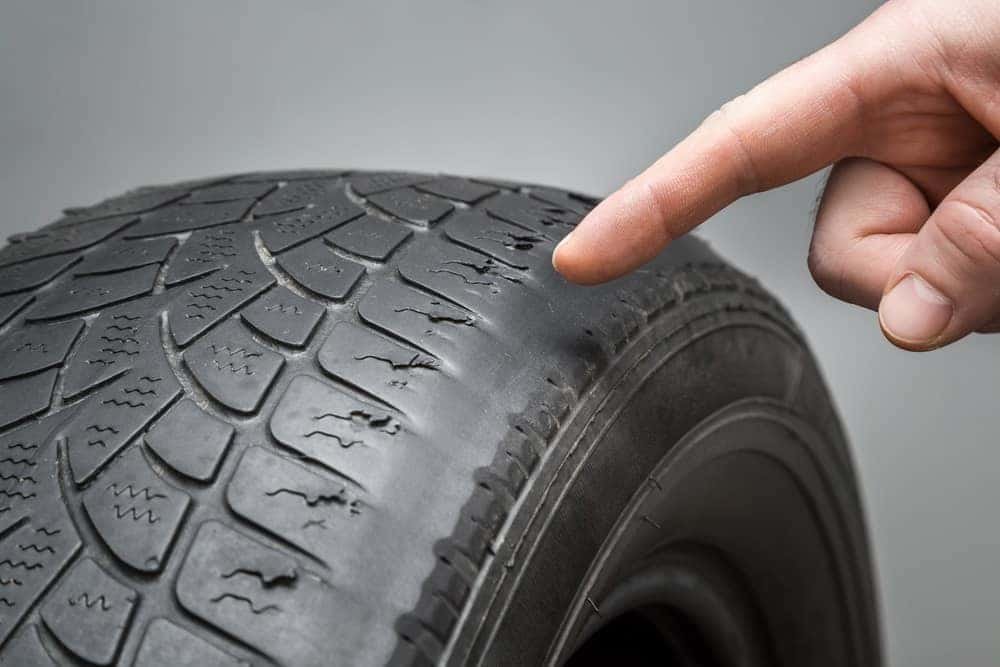
If your tires keep wearing badly, rotation alone is not the answer. Look deeper if you see:
- Feathering on the tread edges
- Cupping or scalloping
- One tire losing air again and again
- Visible cords or cracks
- Tread depth difference that comes back quickly after rotation
These signs can point to alignment issues, bad shocks, bent wheels, or tire defects. In those cases, rotating more often will not solve the root cause.
Credit: myminiannapolis.com
The bottom line on tire rotation timing
If you still want the shortest answer to How Often Should I Rotate My Tires, aim for every 5,000 to 8,000 miles and follow your owner’s manual if it gives a different interval. That schedule gives most drivers the best mix of safety, even wear, and long tire life.
But do not think of rotation as a one-size-fits-all job. The right time depends on your car, your tires, and how you drive. Watch for uneven wear, keep pressure correct, and fix alignment problems early. That is how you protect both your tires and your safety.
FAQs
1. How often should I rotate my tires if I drive mostly in the city?
City driving usually causes more stopping, turning, and acceleration, so tires can wear faster. A good interval is every 5,000 miles, or sooner if the owner’s manual says so.
2. Can I rotate my tires every 10,000 miles?
For many vehicles, 10,000 miles is too long. Some drivers may still be fine in mild conditions, but most cars benefit from more frequent rotation to prevent uneven wear.
3. Do new tires need rotation right away?
Not right away. New tires should be checked after the first few thousand miles if your installer recommends it, but regular rotation usually starts on the normal schedule after that.
4. Is tire rotation the same for all-wheel drive cars?
No. AWD vehicles often need more careful rotation timing and matching tire tread depths. Always follow the vehicle manual because the drivetrain can be sensitive to uneven wear.
5. What happens if I never rotate my tires?
The front tires may wear out much faster than the rear tires, traction can become uneven, and you may need replacements sooner. In some cases, poor wear can also affect braking and handling.