
Parking brakes are often overlooked, but they play a critical role in keeping your vehicle safe and secure. Many drivers only think about their parking brake when parking on a hill or during a vehicle inspection. However, a poorly adjusted parking brake can lead to rolling accidents, failed inspections, or even damage to your braking system. Adjusting the parking brake is a practical skill every car owner or mechanic should understand. This guide explains everything you need to know about parking brake adjustment: how it works, signs of problems, step-by-step instructions, and tips for different vehicle types. Even if you’re not a mechanic, learning these basics can save you time, money, and trouble.
Understanding The Parking Brake System
The parking brake, also called the handbrake or emergency brake, is a mechanical system designed to keep your vehicle stationary when parked. Unlike the main hydraulic brakes, the parking brake typically uses a cable connected to a lever (hand or foot-operated) that applies force directly to the rear wheels.
There are three common types of parking brake setups:
- Drum brake integrated: The parking brake activates the same shoes as the main drum brakes.
- Disc brake with separate drum: Some vehicles have a small drum inside the rear disc rotor, dedicated to the parking brake.
- Cable-operated calipers: The parking brake pulls a lever on the disc brake caliper itself.
Each type has a slightly different adjustment process, but the underlying idea is the same: to keep the car from moving when parked. Over time, the cable can stretch, or brake components can wear, leading to less effective braking.
Why Parking Brake Adjustment Matters
A properly adjusted parking brake is not just about passing inspections—it’s about safety. Here’s why:
- Prevents rolling: When parked on a slope, a weak parking brake can let your car roll, causing accidents.
- Protects the transmission: Relying only on the “Park” gear puts stress on the transmission. The parking brake shares the load, preventing damage.
- Legal requirements: In many places, a working parking brake is needed to pass vehicle inspections.
- Emergency use: If your main brakes fail, the parking brake is your last line of defense.
A small adjustment can be the difference between a secure stop and a dangerous situation.
Signs Your Parking Brake Needs Adjustment
You don’t need to wait for a full brake failure to spot problems. Look for these warning signs:
- The parking brake lever or pedal travels farther than normal before feeling resistance.
- The vehicle rolls slightly when parked on a hill, even with the brake applied.
- You hear scraping, grinding, or dragging noises from the rear brakes.
- The brake warning light stays on after releasing the parking brake.
- The brake feels loose, soft, or lacks resistance.
If you notice any of these issues, it’s time to check and adjust your parking brake.
Preparing For Parking Brake Adjustment
Before you begin, gather the right tools and plan ahead. Here’s what you’ll need for most vehicles:
- Wheel chocks (to secure the car)
- Jack and jack stands
- Wrench or socket set
- Flathead screwdriver
- Pliers (for cable adjustment)
- Brake cleaner (optional)
- Flashlight
Always park on a flat surface, turn off the engine, and engage the main brakes before starting. Safety is key—never work under a car supported only by a jack.
Step-by-step Parking Brake Adjustment
Adjusting the parking brake depends on your vehicle type. Below are the most common methods.
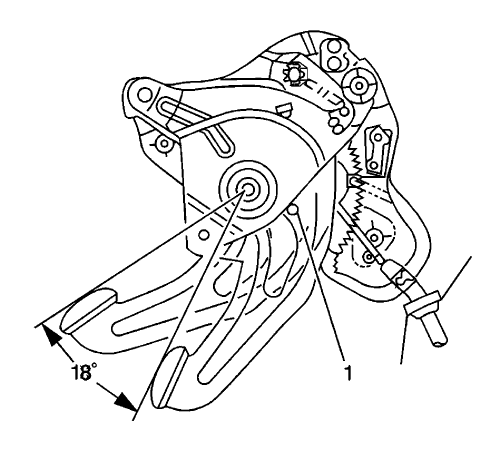
1. Lever Or Pedal Free Play Adjustment (cable)
Most cars with a handbrake lever or foot pedal have an adjustment nut on the cable. Here’s how to adjust it:
- Locate the adjustment nut: Usually found under the center console (for hand levers) or under the car near the rear wheels (for foot pedals).
- Release the parking brake: Make sure the lever is down or the pedal is up.
- Lift the vehicle: Use a jack and jack stands to safely raise the rear of the car.
- Tighten the adjustment nut: Use a wrench to turn the nut clockwise, tightening the cable. Test the lever or pedal travel as you go. You want the brake to engage after about 5–8 clicks (for hand levers).
- Check wheel movement: Spin the rear wheels by hand. They should stop when the brake is applied and turn freely when released.
- Lower the vehicle: Once satisfied, carefully lower the car.
2. Drum Brake Shoe Adjustment
If your parking brake uses drum brakes, you may need to adjust the brake shoes:
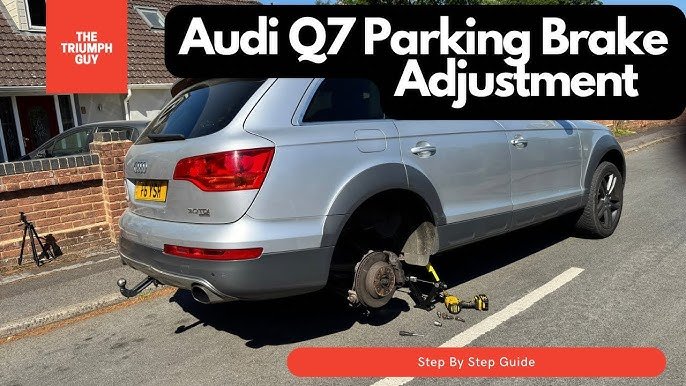
- Remove the wheel: Take off the rear wheels to access the drum.
- Locate the adjuster: Look for a rubber plug on the drum’s backing plate. Remove the plug to access the star wheel adjuster.
- Turn the adjuster: Use a screwdriver to turn the star wheel. Turning in one direction will expand the shoes outward until they lightly contact the drum.
- Test for drag: Spin the drum by hand. It should have a slight drag but still turn.
- Reassemble: Replace the plug, wheel, and lower the car.
3. Disc Brake With Internal Drum
Some disc brakes have a small internal drum for the parking brake:
- Remove the disc rotor: This may require removing the caliper.
- Adjust the star wheel: As with drum brakes, use a screwdriver to turn the adjuster through the access hole.
- Reinstall: Once adjusted, reassemble everything and test.
4. Rear Caliper With Built-in Parking Brake
For vehicles where the parking brake activates the rear caliper, adjustment is often at the cable:
- Follow the cable adjustment method described above.
- If the parking brake still does not hold, the caliper may need to be replaced or rebuilt.
Common Mistakes And How To Avoid Them
Many people make errors when adjusting their parking brake, which can reduce performance or cause damage. Here are some pitfalls to avoid:
- Over-tightening the cable: This can cause the brakes to drag and wear out quickly.
- Ignoring shoe or pad wear: If the brake shoes or pads are worn out, adjustment will not help. Always inspect and replace worn parts.
- Not checking both sides: For drum brakes, always adjust both sides equally for balanced braking.
- Skipping a test drive: Always test the brake in a safe area before regular use.
Credit: www.autozone.com
Special Considerations For Different Vehicle Types
Modern vehicles can have unique parking brake systems. Let’s compare some common setups.
| Vehicle Type | Parking Brake System | Adjustment Method |
|---|---|---|
| Compact car | Cable, drum-integrated | Cable and shoe adjustment |
| Pickup truck | Separate drum or caliper | Cable or star wheel |
| Luxury sedan | Electronic/electric | Requires diagnostic tool |
| Older SUV | Cable, drum or disc | Cable and/or shoe adjustment |
If your vehicle has an electronic parking brake, do not try to adjust it manually. These systems need special diagnostic tools and procedures.
How Often Should You Adjust The Parking Brake?
There’s no universal schedule, but experts recommend checking the parking brake at least once a year. More frequent checks are wise if you:
- Drive in hilly areas
- Use the parking brake daily
- Notice reduced holding force
- Hear unusual noises from the rear wheels
Some manufacturers suggest adjustment every 12,000–15,000 miles, or during brake servicing.
Real-world Example: Parking Brake Adjustment On A Toyota Corolla
Let’s walk through an example for a Toyota Corolla (drum-in-drum style).
- Lift the rear of the car and remove the wheels.
- Remove the brake drum to expose the shoes and star wheel.
- Turn the star wheel with a screwdriver until the drum fits snugly over the shoes.
- Reinstall the drum and wheel.
- Check the handbrake travel. It should engage after 6–8 clicks.
- Lower the car and test on a gentle slope.
Always consult your vehicle’s manual for specific instructions.
Troubleshooting: When Adjustment Doesn’t Help
Sometimes, adjusting the parking brake isn’t enough. If you still have problems:
- Inspect for worn brake shoes or pads: Replace if necessary.
- Check for stretched or frayed cables: Damaged cables can’t hold proper tension.
- Look for seized hardware: Rust or corrosion can freeze the mechanism.
- For electronic systems, consult a professional: Do not attempt DIY repairs.
If your parking brake won’t hold after adjustment and replacing worn parts, seek professional help.

Credit: charm.li
Parking Brake Adjustment Vs. Main Brake Service
It’s easy to confuse parking brake adjustment with regular brake service. Here’s a quick comparison:
| Feature | Parking Brake Adjustment | Main Brake Service |
|---|---|---|
| Purpose | Secures vehicle when parked | Slows/stops vehicle during driving |
| Frequency | Yearly or as needed | Every 20,000–60,000 miles |
| Components | Cable, lever, shoes/pads | Rotors, pads, calipers |
| DIY Level | Moderate | Moderate to advanced |
This distinction matters because adjusting the parking brake will not solve main braking issues, and vice versa.
Two Advanced Tips Most Beginners Miss
- Lubricate the adjuster mechanism: A dry star wheel or cable adjuster can seize, making future adjustments difficult. Use a small amount of high-temperature grease when you have access.
- Settle the shoes after adjustment: After adjusting drum brakes, apply the parking brake several times. This helps the shoes seat evenly, giving a more accurate adjustment.
These steps are often skipped but can improve brake feel and longevity.
Safety Reminders For Diyers
Always follow these safety tips:
- Use wheel chocks to secure the car.
- Never work under a vehicle supported only by a jack.
- Wear gloves and eye protection to avoid injury.
- If unsure, consult a professional or your vehicle’s service manual.
When To Seek Professional Help
While many drivers can adjust the parking brake themselves, there are times when you should see a mechanic:
- If your car has an electronic parking brake.
- If cables are rusted, seized, or damaged.
- If the brake still fails to hold after adjustment.
- If you hear loud grinding noises or see fluid leaks.
A professional inspection can catch deeper problems before they become dangerous.
Environmental And Usage Factors
Certain conditions can impact your parking brake adjustment needs:
- Rust and corrosion: Wet climates or salted roads can seize cables and adjusters.
- Heavy loads: Towing or carrying heavy cargo stresses the parking brake more.
- Off-road use: Dirt and debris can clog mechanisms.
Inspect your parking brake more often if you drive in tough environments.
Choosing The Right Parts
When replacing parts, use OEM (Original Equipment Manufacturer) or high-quality aftermarket components. Cheap cables or shoes may not last and can reduce braking power. Always match the new parts to your vehicle’s year, make, and model.
For more technical guidance, manufacturers like Bosch Auto Parts offer resources and specifications.
Credit: www.youtube.com
Frequently Asked Questions
How Do I Know If My Parking Brake Is Too Tight Or Too Loose?
If the brake is too tight, you may feel resistance when driving, or notice your car slows down without pressing the main brakes. If it’s too loose, the lever or pedal travels too far, or the car rolls when parked. The ideal adjustment is when the brake holds the car securely with moderate lever/pedal travel.
Can I Adjust The Parking Brake Myself Without Special Tools?
Most cable adjustments can be done with basic tools like a wrench and screwdriver. However, some cars with electronic parking brakes or complex drum systems may need special tools or software. Always check your car’s manual first.
How Long Does A Parking Brake Adjustment Take?
For most cars, an adjustment takes 30 to 60 minutes. If you need to remove wheels or drums, it can take longer. Experience and vehicle design play a role in the time needed.
Is It Safe To Drive With A Faulty Parking Brake?
While you can drive with a weak parking brake, it’s not safe. You risk rolling accidents when parked, and you may fail safety inspections. It’s best to fix any problems as soon as possible.
What’s The Difference Between A Parking Brake And An Emergency Brake?
They are the same component. “Parking brake” is the modern term, as it’s mainly used to secure the vehicle when parked. “Emergency brake” highlights its secondary role in stopping the car if the main brakes fail.
A well-adjusted parking brake keeps you safe, protects your car, and brings peace of mind. With a little knowledge and the right approach, you can keep your parking brake working perfectly for years to come.