
Every vehicle owner wants their car, SUV, or truck to stay reliable for years. But many people focus only on oil changes and forget about the differential fluid—a vital lubricant that keeps your wheels turning smoothly, especially in rear-wheel drive (RWD), four-wheel drive (4WD), and all-wheel drive (AWD) vehicles. Ignoring this fluid can lead to expensive repairs and poor driving performance. Understanding the differential fluid change schedule can save you money, stress, and keep your ride running at its best.
What Is Differential Fluid And Why Is It Important?
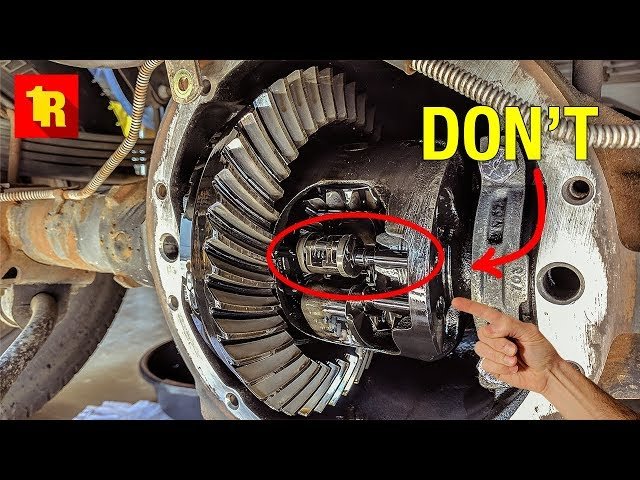
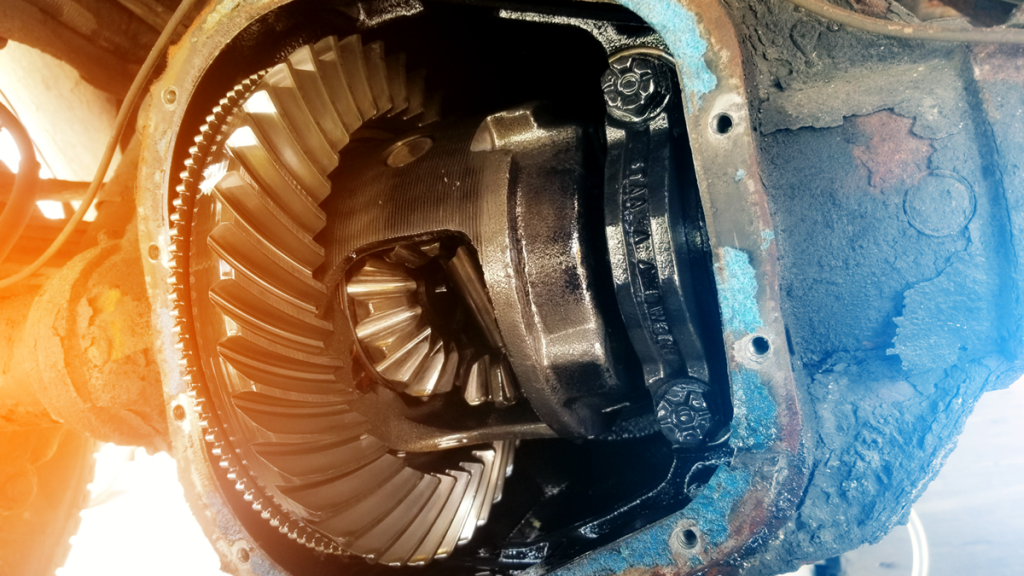
The differential is a gear system that splits engine torque to the wheels, allowing them to rotate at different speeds. This is essential for safe, smooth turns. The differential fluid lubricates these gears, prevents overheating, and protects against wear.
Without proper lubrication, gears grind, metal shavings build up, and the differential can fail. Repairs or replacements for a damaged differential are costly—sometimes over $1,500. Regular fluid changes protect your investment and provide a quieter, more efficient drive.
How Often Should You Change Differential Fluid?
There’s no single answer, because the change interval depends on:
- Vehicle make and model
- Type of differential (open, limited-slip, locking, etc.)
- Driving conditions (city, highway, off-road, towing)
Most manufacturers recommend changing differential fluid every 30,000 to 60,000 miles. But check your owner’s manual for specific guidance. Some vehicles with heavy-duty differentials or frequent towing may need fluid changes every 15,000 miles.
Example Intervals For Popular Vehicles
| Vehicle | Rear Differential | Front Differential |
|---|---|---|
| Ford F-150 (4WD) | Every 30,000 miles | Every 30,000 miles |
| Toyota Tacoma (4WD) | Every 30,000 miles | Every 30,000 miles |
| Honda CR-V (AWD) | Every 15,000 miles (severe) | — |
| Chevrolet Silverado 1500 (4WD) | Every 45,000 miles | Every 45,000 miles |
Non-obvious insight: Even front-wheel drive cars sometimes have a small differential inside the transaxle. For these vehicles, the transmission fluid often doubles as differential fluid.
Factors That Impact Differential Fluid Change Schedule
Several real-world factors affect how often you should change your differential fluid:
1. Driving Habits
- Frequent short trips: Fluid does not get hot enough to remove moisture, leading to quicker breakdown.
- Heavy towing or hauling: More stress on gears, fluid breaks down faster.
- Aggressive driving: High loads and heat increase wear.
2. Environment
- Extreme temperatures: Very hot or cold weather can degrade fluid faster.
- Off-roading: Dust, water, and mud can contaminate the fluid.
3. Differential Type
- Limited-slip differentials need friction modifiers and often require more frequent fluid changes.
- Locking differentials may also have special fluid needs.
Pro tip: Always use the exact fluid type and additives recommended in your owner’s manual. Using the wrong fluid can damage clutches inside limited-slip differentials.
Signs That Your Differential Fluid Needs Changing
If you miss the scheduled maintenance, your vehicle will give warning signals. Watch out for these signs:
- Whining or howling noises from the axle area, especially when turning.
- Vibration or shuddering during acceleration.
- Burning smell or fluid leaks under the differential.
- Difficulty turning or strange handling, especially in 4WD or AWD modes.
- Visible contamination: Fluid looks thick, milky, or has metal shavings.
If you notice any of these, check your fluid right away—even if it’s before your scheduled interval.
Credit: www.youtube.com
How Differential Fluid Is Changed
Changing differential fluid is not as simple as an oil change, but it’s manageable for DIYers with some experience. Here’s a step-by-step overview:
Steps For Changing Differential Fluid
- Raise the vehicle using jack stands and ensure it’s secure.
- Locate the differential cover or drain plug.
- Remove the drain plug (or the entire cover) and let old fluid drain into a pan.
- Inspect for metal shavings in the old fluid or on the magnetic plug.
- Clean the cover and mating surfaces if removed.
- Replace the gasket or apply sealant as needed.
- Reinstall the cover or drain plug.
- Refill with the correct type and amount of fluid.
- Lower the vehicle and check for leaks.
Non-obvious insight: Some differentials have a fill plug and no drain plug. In these cases, fluid must be pumped out. Always loosen the fill plug before draining, so you don’t get stuck with an empty, unfillable differential.
Cost Of Differential Fluid Change
The price depends on your vehicle and whether you do it yourself or go to a shop.
- DIY cost: $20–$80 (for fluid and gaskets)
- Mechanic/shop cost: $80–$200
High-performance or synthetic fluids cost more. Some vehicles (especially European brands) have complex differentials that require dealer service, which can cost up to $400.
Diy Vs. Professional Service
| Method | Pros | Cons |
|---|---|---|
| DIY | Save money, learn about your car | Messy, time-consuming, risk of mistakes |
| Professional | Fast, correct fluid used, inspection included | More expensive, less hands-on experience |
Common Mistakes When Changing Differential Fluid
Even experienced car owners make errors with differential service. Here’s what to avoid:
- Using wrong fluid type: Always check your manual.
- Overfilling or underfilling: Both can damage gears.
- Not cleaning the surface: Gasket leaks are common if the cover isn’t cleaned well.
- Ignoring the fill plug: If it’s stuck or damaged, you may not be able to refill.
- Forgetting friction modifiers: Required for many limited-slip differentials.
- Skipping service intervals: Waiting too long causes permanent damage.
Real-world tip: After a fluid change, always drive a short distance and recheck for leaks and correct fluid level.
What Happens If You Skip Differential Fluid Changes?
Not changing the fluid can lead to:
- Increased wear on gears and bearings
- Noise from worn parts
- Reduced fuel economy
- Differential failure (very expensive to fix)
- Safety issues, especially in slippery conditions
A well-maintained differential can last over 150,000 miles. Neglect can cut its life in half.
Choosing The Right Differential Fluid
Not all differential fluids are the same. You’ll find:
- Conventional gear oils (like 80W-90)
- Synthetic gear oils (last longer, better in extreme temperatures)
- Limited-slip additives (for certain differentials)
Check the label: The American Petroleum Institute (API) rating (such as GL-5) and viscosity must match your vehicle’s needs.
Non-obvious insight: Some modern vehicles require special synthetic fluids that are not compatible with standard gear oils. Using the wrong type can void warranties.
Differential Fluid Change Schedule: Quick Reference
Here’s a simple reference for different vehicle types and their typical schedules:
| Vehicle Type | Schedule (Normal) | Schedule (Severe) |
|---|---|---|
| FWD car (transaxle) | 60,000 miles | 30,000 miles |
| RWD car/truck | 45,000 miles | 30,000 miles |
| 4WD/AWD SUV | 30,000 miles | 15,000 miles |
| Performance car | 30,000 miles | 15,000 miles |
Severe service means frequent towing, off-roading, stop-and-go traffic, or extreme temperatures.
Credit: www.tascafordma.com
Tips To Extend Differential Life
- Follow your maintenance schedule exactly.
- Check for leaks every oil change.
- Use high-quality fluid with the correct rating.
- Avoid deep water if you drive off-road—water can enter and ruin the fluid.
- Listen for noises and act early if you hear anything unusual.
When In Doubt, Ask A Pro
If you’re unsure about your differential fluid change schedule, ask a trusted mechanic or visit your dealer. They can check your vehicle history and recommend a plan that fits your driving style and conditions.
For more technical information, you can visit the Wikipedia page on differentials.
Credit: www.youtube.com
Frequently Asked Questions
How Do I Know If My Differential Fluid Is Bad?
Signs include a burning smell, noises from the rear or under the car, vibration, and visible leaks. Sometimes, bad fluid is only found during a scheduled inspection. Always look for unusual sounds or handling.
Can I Change Differential Fluid Myself?
Yes, if you have basic tools and mechanical skill. You’ll need jack stands, the right fluid, and sometimes a pump. Always follow safety steps and your owner’s manual instructions.
What Happens If I Overfill Or Underfill The Differential?
Overfilling can cause foaming, leaks, and pressure build-up. Underfilling leads to poor lubrication and rapid wear. Always fill to the level of the fill plug hole unless your manual says differently.
Is Synthetic Differential Fluid Better Than Conventional?
Synthetic fluids usually last longer, handle extreme temperatures, and offer better protection. They are recommended for most modern vehicles, but always check your manual for compatibility.
Do All Vehicles Have A Differential Fluid That Needs Changing?
Most RWD, 4WD, and AWD vehicles have separate differential fluid. Many FWD cars have it combined with transmission fluid. Always check your manual to be sure.
Taking care of your vehicle’s differential may not be as well-known as oil changes or tire rotations, but it’s just as crucial for long-term performance. Follow your differential fluid change schedule, use the right products, and listen to your car. Your wallet—and your wheels—will thank you.