
When you’re driving and see the check engine light and cruise control off warning come on together, it can be confusing and stressful. Many drivers worry about what is happening under the hood and whether it’s safe to keep driving. These warnings are more than simple alerts; they often point to deeper issues with your car’s engine or electronic systems.
Understanding what these signals mean, why they appear together, and what steps you should take is important for every driver. This guide will walk you through the causes, how to diagnose the problem, possible solutions, and key tips to help you avoid bigger issues in the future.
You’ll also find answers to common questions drivers often have about these dashboard warnings.
What Does “check Engine Light Cruise Control Off” Mean?
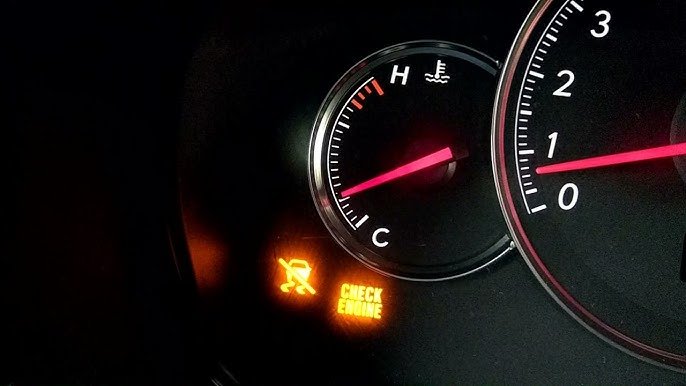
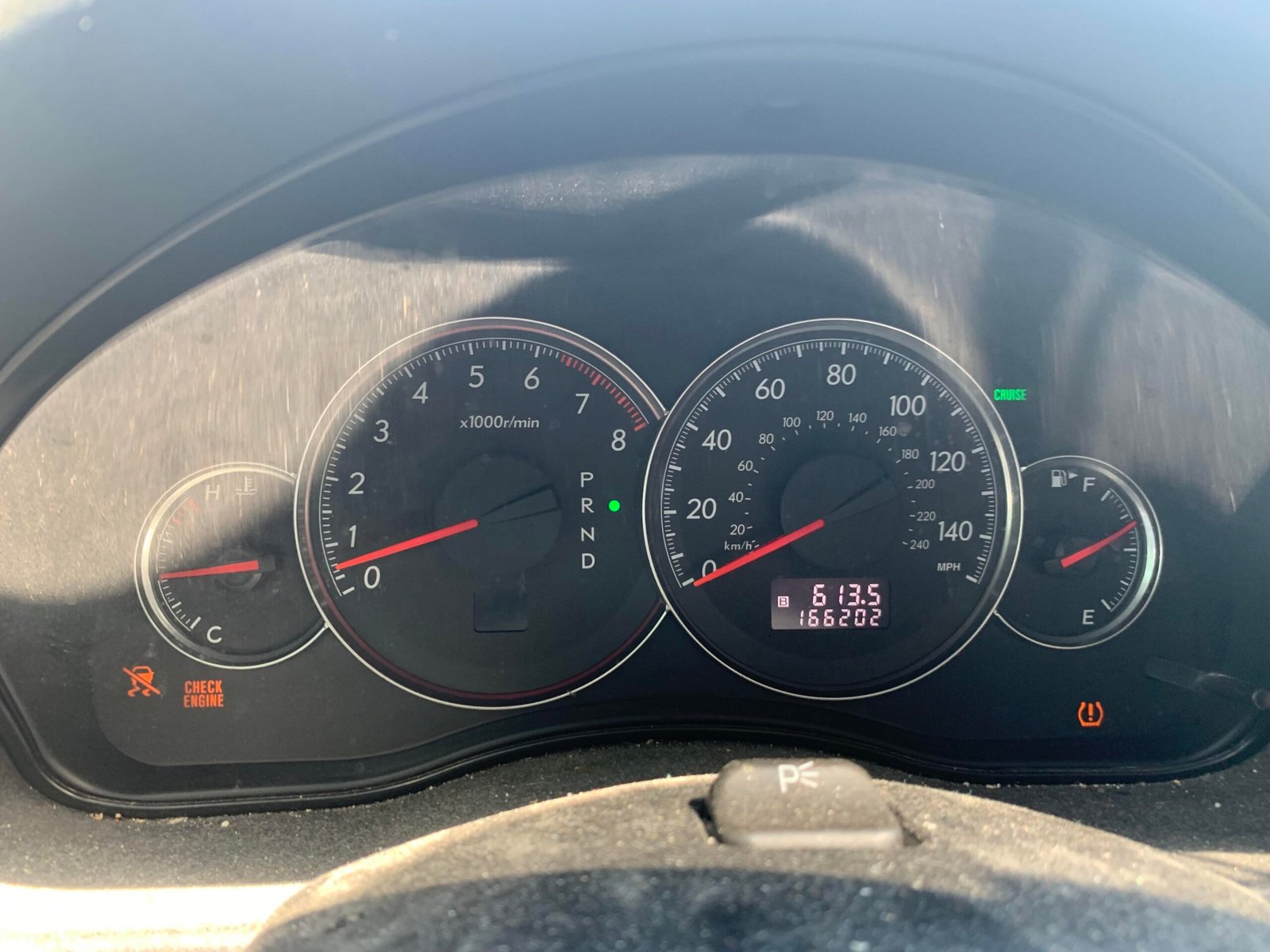
When you see both the check engine light (CEL) and the cruise control off message, your car is telling you something is wrong. The check engine light is part of your vehicle’s onboard diagnostics system (OBD-II). It lights up when the computer detects a problem in the engine, emission system, or related sensors.
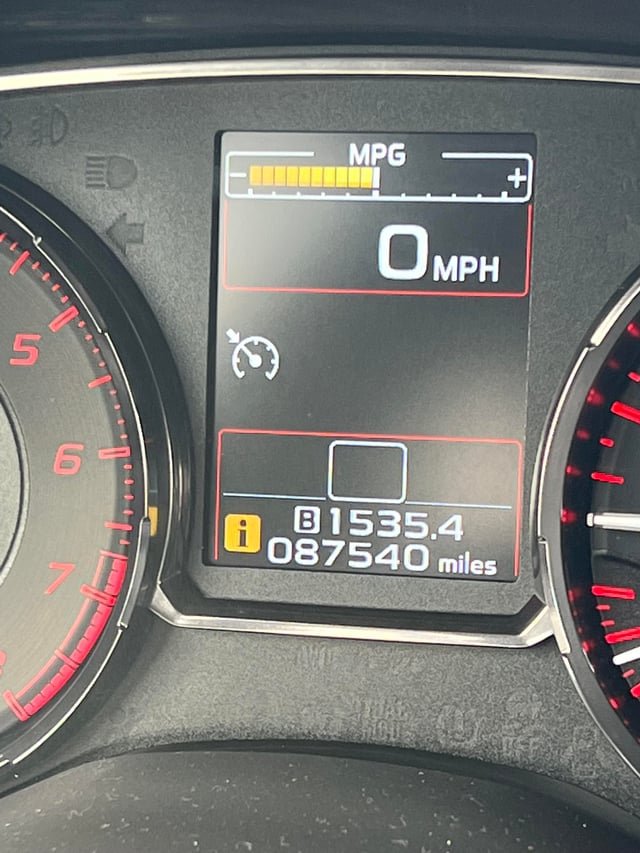
The cruise control off warning means your car’s computer has disabled the cruise control system. This often happens automatically when the check engine light comes on, as a safety measure. The car’s computer does not want to allow cruise control to function if the engine isn’t working properly.
Why Both Warnings Appear Together
It’s common for both to appear at the same time. Here’s why:
- The engine or emission system problem triggers the check engine light.
- The car’s computer disables cruise control to prevent possible damage or unsafe driving.
- Some cars, especially models from Subaru, Toyota, and Nissan, are known for this design.
Common Causes For Check Engine Light And Cruise Control Off
There are several reasons why you might see these warnings together. Some are simple, while others need expert attention.
1. Loose Or Faulty Gas Cap
A missing or loose gas cap can cause the check engine light to come on. Modern cars monitor the pressure in the fuel system, and a loose cap causes a leak. This often disables cruise control as well.
2. Oxygen Sensor Failure
The oxygen sensor helps control how much fuel your engine uses. If it fails, your car’s computer will trigger the check engine light and may turn off cruise control to protect the engine.
3. Faulty Spark Plugs Or Ignition Coils
When spark plugs or coils fail, the engine may misfire. This can cause both warnings to appear, as the car’s computer will not allow cruise control if the engine is not firing correctly.
4. Mass Air Flow Sensor Issues
The mass air flow (MAF) sensor measures the amount of air entering the engine. Problems here lead to poor performance and may turn on both warning lights.
5. Catalytic Converter Problems
A failing catalytic converter affects exhaust emissions and triggers the check engine light. Many cars will also disable cruise control to prevent further damage.
6. Vacuum Leaks
A leak in the engine’s vacuum system can cause rough running and both warning lights to appear.
7. Transmission Problems
Some transmission issues can cause the engine light to come on and cruise control to turn off, especially if the transmission affects engine performance.
8. Wiring Or Sensor Faults
Broken or damaged wires and sensors can send wrong signals to the engine computer, causing both warnings.
9. Aftermarket Accessories
Poorly installed remote starters, alarm systems, or other electronics can sometimes cause these warnings.
Credit: www.reddit.com
Diagnosing The Problem
If you see both lights, don’t panic. Here’s how you can begin diagnosing the issue:
1. Check The Gas Cap
One of the most common and easiest fixes is the gas cap. Make sure it’s tight and not damaged. If you recently filled up, double-check the cap.
2. Use An Obd-ii Scanner
A simple tool called an OBD-II scanner can read the error codes from your car’s computer. Many auto parts stores will do this for free, or you can buy a scanner for home use. The error code will tell you what system or sensor has a problem.
3. Look For Other Symptoms
Pay attention to how the car drives. Is it running rough? Is there a loss of power, strange noises, or smoke? These symptoms can help narrow down the cause.
4. Research The Error Code
Once you have the error code (like P0420 for catalytic converter issues), look up what it means for your car’s make and model.
5. Seek Professional Help
If you’re not comfortable with car repairs, or if the problem is complex, it’s best to visit a certified mechanic.
How To Fix The Check Engine Light And Cruise Control Off Problem
The solution depends on the cause. Here’s a look at typical fixes for each main problem:
| Problem | Quick Fix | Cost Estimate (USD) |
|---|---|---|
| Loose gas cap | Tighten or replace cap | $10–$30 |
| Oxygen sensor | Replace sensor | $100–$300 |
| Spark plugs/coils | Replace spark plugs/coils | $100–$400 |
| MAF sensor | Clean or replace sensor | $80–$250 |
| Catalytic converter | Replace converter | $900–$2,500 |
Steps To Clear The Warning Lights
- Fix the root problem (like tightening the gas cap or replacing a sensor).
- Use the OBD-II scanner to clear the error code.
- If the problem is solved, the lights should stay off. If not, new codes may appear, or the light will return.
- Sometimes, after a repair, the car’s computer will reset itself after several driving cycles.
Is It Safe To Drive With These Warnings?
In most cases, you can drive for a short distance, especially if the car feels normal. However, there are some risks:
- If the engine runs rough, stalls, or loses power, stop driving and get help.
- Driving with a flashing check engine light means a severe misfire. This can damage the catalytic converter quickly.
- Without cruise control, long drives will be less comfortable, but the car will still function.
Preventing Future Warning Lights
You can reduce the chances of seeing these warnings by following good car care habits:
- Always tighten the gas cap until you hear it click.
- Use high-quality fuel.
- Get regular oil changes and maintenance.
- Change spark plugs and air filters as recommended.
- Avoid installing cheap or unapproved aftermarket parts.
- Fix small problems before they become bigger.
Non-obvious Insights Most Drivers Miss
Many drivers overlook these two key details:
- Delayed Reset: Even after you fix the cause, the check engine light and cruise control warning may not go away instantly. Most cars need several full drive cycles (starting, driving, stopping) before the computer resets. Patience is important.
- Multiple Codes: Sometimes, fixing one problem reveals others. For example, you may replace a sensor, clear the code, and then get a new code. This is common and not always a sign of a bigger issue. Each code needs to be addressed.
When To Visit A Mechanic
While you can handle simple fixes like the gas cap, it’s smart to see a mechanic if:
- The light is flashing.
- The car loses power, stalls, or runs poorly.
- You can’t find the cause with an OBD-II scanner.
- There are burning smells, smoke, or strange noises.
A professional can do advanced tests, check wiring, and use dealer-level diagnostics.
How Different Cars Handle These Warnings
Not every car reacts the same way. Here’s a comparison of how some popular brands handle the check engine and cruise control warnings:
| Car Brand | Check Engine Light | Cruise Control Response |
|---|---|---|
| Subaru | Turns on for many engine/emission faults | Disables cruise control automatically |
| Toyota | Turns on for engine issues | May disable cruise control, varies by model |
| Nissan | Turns on for engine/transmission faults | Often disables cruise control |
| Ford | Turns on for engine issues | May not always disable cruise control |
The Role Of The Onboard Diagnostics System
The OBD-II system is a powerful tool in modern cars. It constantly checks sensors and systems to keep your car running smoothly. If anything is out of the normal range, it triggers a warning and stores a code. This helps mechanics quickly find the root of most problems.
If you want to learn more about OBD-II systems and how they work, you can visit this detailed guide: Wikipedia: On-board diagnostics.
Credit: www.youtube.com
What To Avoid When You See These Warnings
- Ignoring the warning: Don’t keep driving for weeks without checking the problem.
- Resetting codes without fixing the problem: This can hide the real issue, making repairs harder later.
- Using cheap code readers: Some basic readers do not show all the codes. Borrow or buy a good quality one.
- Guessing the cause: Always check the code before buying parts.
- Driving with a flashing check engine light: This is a sign of a serious engine problem.
Frequently Asked Questions
Why Do The Check Engine Light And Cruise Control Off Warning Come On Together?
These warnings appear together because the car’s computer detects a problem in the engine or emissions system. To protect the car and driver, it disables cruise control until the problem is fixed.
Can A Loose Gas Cap Cause Both Warnings?
Yes, a loose or missing gas cap is a common cause. It triggers a leak in the fuel system that the computer detects. This often turns on the check engine light and disables cruise control.
Will The Warning Lights Turn Off By Themselves?
If you fix the problem, sometimes the lights will go off after a few driving cycles. In other cases, you must use an OBD-II scanner to clear the code. If the problem is not fixed, the lights will stay on.
Is It Expensive To Fix Check Engine Light And Cruise Control Off?
The cost depends on the cause. Simple fixes like a gas cap are cheap, while problems like a bad catalytic converter can be expensive. Always diagnose the problem before worrying about cost.
Can I Keep Driving When Both Warnings Are On?
You can usually drive for a short time if the car feels normal. But avoid long trips and drive gently. If the light is flashing, the engine runs rough, or you notice other problems, stop and get help.
Taking care of your car as soon as you see these warnings is the best way to prevent bigger, more expensive problems down the road. With the right knowledge and tools, you can handle many issues yourself or know when to get professional help.
Credit: www.reddit.com