
When your car’s check engine light comes on, it can be worrying. If you use a scanner and see the code P0303 Cylinder 3 Misfire Detected, it means the engine’s third cylinder is not firing correctly. This can cause rough driving, poor fuel economy, and even engine damage if left untreated. Many people feel confused by this code, but with the right information, you can understand what’s happening and how to fix it.
Understanding a misfire is not just for car experts. Anyone who drives can learn the basics and save time and money at the repair shop. In this guide, you’ll find clear explanations, practical steps, and answers to the most common questions about P0303 Cylinder 3 Misfire Detected.
What Does P0303 Mean?
The P0303 code is a standardized OBD-II error code. It tells you that the engine control module (ECM) has detected a misfire in cylinder number 3. A misfire means the fuel in the cylinder is not burning the way it should. This can happen for many reasons, and the ECM senses this problem by watching the crankshaft’s speed as each cylinder fires.
If cylinder 3 is not working right, your car might:
- Shake or vibrate at idle
- Lose power while accelerating
- Use more fuel than normal
- Trigger the check engine light
A misfire is a sign that something needs attention. Ignoring it can harm your engine and your safety.
How Your Engine Works And Why Cylinder 3 Matters
A modern car engine has several cylinders. Each one burns fuel and air to create power. The cylinders fire in a specific order, and if even one misses, the engine runs rough.
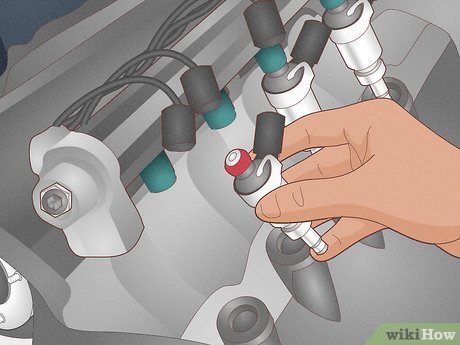
Cylinder 3 is simply the third in the firing order. Its position depends on your engine type. In a four-cylinder engine, it’s often the third one from the front of the engine. In a V6 or V8, the order can change, so check your manual or a diagram for your exact car.
If cylinder 3 is not firing, your engine is less powerful and less efficient. Over time, unburned fuel can damage the catalytic converter, which is expensive to fix.
Credit: www.wikihow.com
Main Causes Of P0303 Cylinder 3 Misfire
Understanding the cause of a misfire is key to fixing it. Here are the most common reasons for P0303:
- Bad spark plug in cylinder 3
- Faulty ignition coil or coil pack for cylinder 3
- Leaking or clogged fuel injector in cylinder 3
- Vacuum leak near cylinder 3
- Low engine compression in cylinder 3
- Bad wiring or connector for spark or fuel
- ECM or sensor problem
- Intake manifold gasket leak
- Old or low-quality fuel
- Mechanical engine damage (like a worn camshaft or valve problem)
Most commonly, the problem is with the spark plug or ignition coil. But sometimes, the cause is deeper, like low compression or a fuel injector issue. Mechanics use tests to find out which problem is causing the misfire.
Diagnosing A P0303 Misfire
If you see a P0303 code, don’t panic. You can follow these steps to find the problem:
- Scan for Codes: Use an OBD-II scanner to confirm the P0303 code. Check for other codes that may give more clues.
- Check for Obvious Problems: Open the hood. Listen for strange sounds. Look for broken wires or loose connectors.
- Swap Parts: Move the spark plug and ignition coil from cylinder 3 to another cylinder. Clear the code and drive. If the misfire moves to a new cylinder, you’ve found the bad part.
- Inspect Fuel Injector: Listen with a mechanic’s stethoscope for clicking. No click means a stuck or dead injector.
- Test Compression: A mechanic can test compression in each cylinder. Low compression in cylinder 3 suggests internal engine damage.
- Check for Leaks: Spray carb cleaner around the intake manifold with the engine running. If the idle changes, you may have a vacuum leak.
It’s important to fix the cause, not just clear the code. If you ignore a misfire, it can ruin your engine or catalytic converter.
Credit: www.reddit.com
Common Symptoms Of Cylinder 3 Misfire
A misfire does not always feel the same. Here are symptoms you might notice:
- Rough engine idle
- Hesitation when accelerating
- Engine shakes or vibrates
- Check engine light is on
- Poor fuel economy
- Strange smells (like unburned fuel)
- Unusual engine noise
Some drivers ignore these signs, thinking they will go away. But a persistent misfire usually gets worse and more expensive to fix.
How To Fix P0303 Cylinder 3 Misfire
You can solve most P0303 problems with simple steps. Here’s what to do:
1. Replace Spark Plug
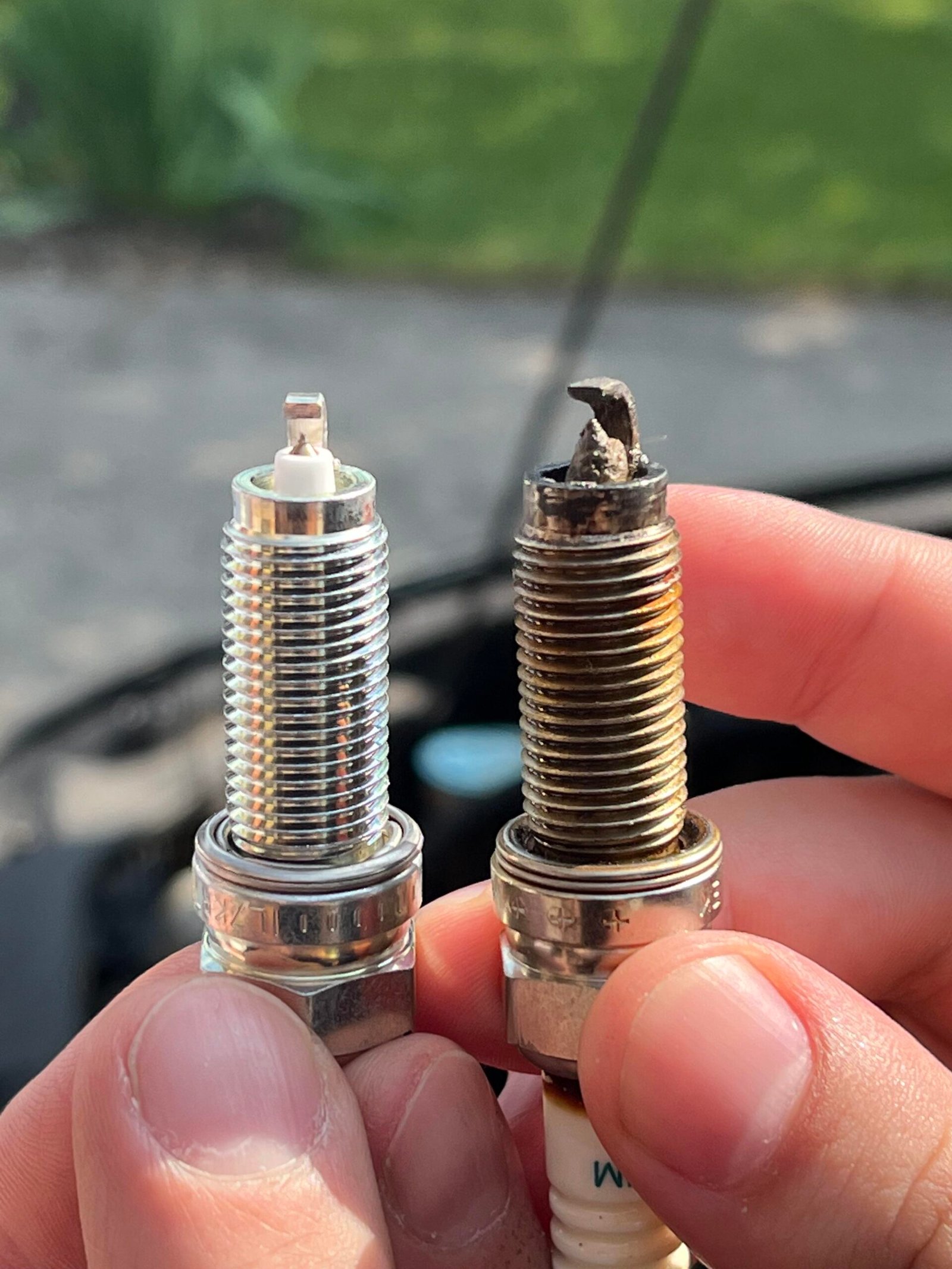
A worn or fouled spark plug is the most common cause. Buy a new, high-quality plug that matches your car. Tighten it to the right torque.
2. Replace Ignition Coil
If swapping coils moves the misfire, replace the bad coil. Some cars use coil packs; others use one coil per plug.
3. Clean Or Replace Fuel Injector
If the injector is not working, it can’t spray fuel. Use a fuel injector cleaner or replace the injector for cylinder 3.
4. Fix Vacuum Leaks
A leak can make the air/fuel mix too lean. Check hoses and gaskets around cylinder 3 and replace any damaged parts.
5. Repair Wiring
Look for loose, broken, or corroded wires to the coil or injector. Repair or replace as needed.
6. Address Engine Damage
If compression is low, you may need a mechanic. Internal parts like valves or pistons may be worn.
7. Update Ecm Software
Rarely, a software update from the dealer fixes sensor misreads.
Credit: www.youtube.com
Comparison Of Common Causes And Fixes
Here’s a quick look at how different problems compare in time, cost, and skill needed.
| Cause | Fix | DIY Difficulty | Average Cost (USD) |
|---|---|---|---|
| Bad Spark Plug | Replace plug | Easy | $10-$40 |
| Ignition Coil | Replace coil | Easy-Moderate | $50-$150 |
| Fuel Injector | Clean/Replace | Moderate | $100-$400 |
| Vacuum Leak | Fix hoses/gasket | Moderate | $20-$200 |
| Low Compression | Engine repair | Hard | $500-$2,000+ |
How To Prevent Cylinder 3 Misfire
Prevention is easier than repair. Here are some tips:
- Change spark plugs as recommended (usually every 30,000–100,000 miles)
- Use quality fuel
- Keep up with oil changes
- Fix leaks quickly
- Don’t ignore the check engine light
- Inspect ignition coils and wires at every major service
A well-maintained engine is less likely to misfire and will last longer.
Real-world Example: P0303 On A Toyota Corolla
Let’s look at a common car. A 2015 Toyota Corolla comes in with a rough idle and a P0303 code. The owner changed the spark plug for cylinder 3, but the problem stayed. Next, the mechanic swapped ignition coils between cylinder 3 and 4. The misfire moved to cylinder 4, so the coil was the problem. Replacing the coil fixed the issue.
This shows why testing and swapping parts is helpful. Don’t just replace things at random—confirm the cause.
Risks Of Ignoring A Cylinder 3 Misfire
Some drivers hope the problem will go away. But ignoring a P0303 Cylinder 3 Misfire can cause:
- Damage to the catalytic converter (which can cost $1,000+ to replace)
- Poor fuel economy and higher costs
- Failure of emission tests
- More engine damage, leading to expensive repairs
It’s always better to fix a misfire quickly to avoid bigger problems later.
Data: Frequency Of Misfires By Cause
Below is a breakdown from mechanic surveys on what most often causes a P0303 code:
| Cause | Percent of Cases |
|---|---|
| Ignition Coil | 40% |
| Spark Plug | 30% |
| Fuel Injector | 15% |
| Vacuum Leak | 10% |
| Other (Wiring, ECM, Compression) | 5% |
This shows that in about 70% of cases, either the coil or spark plug is the problem.
Expert Advice For Diyers
If you want to fix a P0303 misfire yourself, remember these tips:
- Always use the correct parts for your car
- Tighten spark plugs to the correct torque (too loose or tight can cause problems)
- Be careful not to damage connectors or wires
- If you are unsure, ask a mechanic or check a trusted online forum
Many online videos and resources can show you how to replace plugs or coils safely.
When To See A Mechanic
If you have tried the basic fixes and the code keeps coming back, it’s time to see a professional. Seek help if:
- The engine is still rough after changing spark plugs and coils
- Compression is low in cylinder 3
- You see fuel or oil leaks near the engine
- The check engine light flashes (this means a severe misfire)
A good mechanic has the tools to test fuel pressure, compression, and electrical signals. They can find hidden problems that DIY checks may miss.
More Resources
For more details on misfire codes and car diagnostics, visit Wikipedia’s OBD-II page.
Frequently Asked Questions
What Is A Cylinder 3 Misfire?
A cylinder 3 misfire means that the engine’s third cylinder is not burning fuel correctly. This usually causes rough running, poor performance, and the check engine light to turn on.
Can I Drive With A P0303 Code?
It’s possible to drive for a short time, but it’s not safe. Driving with a misfire can damage your catalytic converter and engine. It’s best to fix the issue as soon as possible.
How Do I Find Which Cylinder Is Number 3?
Check your car’s owner’s manual or look for a diagram online. In most four-cylinder engines, cylinder 3 is the third from the timing belt or chain. For V6 or V8 engines, the location can vary.
What If Changing The Spark Plug And Coil Does Not Fix It?
If new plugs and coils don’t solve the problem, check the fuel injector, compression, and wiring. You may need a mechanic to do more advanced tests.
How Much Does It Cost To Fix A P0303 Misfire?
Most fixes cost between $10 and $200 if you do it yourself. If the problem is serious, like low compression, repairs can cost $500 or more.
A cylinder misfire can be a simple fix or a sign of a bigger problem. With the right approach, you can solve P0303 Cylinder 3 Misfire Detected and keep your car running smoothly. Don’t ignore the signs—your engine will thank you.