
Car Door Hinge Lubrication: Everything You Need To Know
Have you ever opened your car door and heard a loud squeak or felt resistance? That annoying sound is often a sign your car door hinges need lubrication. Many people ignore this small maintenance task, but it can have a big impact on the life and comfort of your vehicle. Proper car door hinge lubrication keeps your doors opening smoothly, prevents rust, and saves you expensive repairs down the road. Let’s explore the full process, the right products, and expert tips to make sure your car doors work perfectly for years.
Why Car Door Hinge Lubrication Matters
Car door hinges are exposed to weather, dirt, and repeated use. Each time you open or close the door, the hinges move metal against metal. Without enough lubrication, friction increases. This causes wear, makes movement stiff, and can eventually damage the hinge.
Poorly lubricated hinges are more likely to:
- Squeak or creak when opening/closing
- Become hard to move, especially in cold weather
- Develop rust and corrosion
- Lead to expensive repairs or replacement
Most car owners don’t realize that a few minutes of regular maintenance can prevent all these problems. Lubricating car door hinges is simple, cheap, and extends the life of your vehicle’s doors.
How Car Door Hinges Work
A car door hinge connects the car body to the door. It acts as a pivot, letting the door swing open and closed. Most cars have two or three hinges per door. These hinges are made from steel or other strong metals, designed to carry the heavy weight of the door.
Over time, the hinge pins and bushings can dry out or collect dust. Without lubrication, these moving parts scrape against each other, causing noise and damage.
Non-obvious insight: Some modern vehicles use plastic or composite bushings inside the hinge, which may need special lubricants. Always check your owner’s manual to avoid using the wrong product.

Credit: www.carparts.com
Signs Your Car Door Hinges Need Lubrication
Watch for these signs that your door hinges need attention:
- Squeaking or creaking sounds when opening or closing the door.
- Stiff or heavy doors that are hard to move.
- Visible rust or dirt on the hinge area.
- Door alignment problems (the door doesn’t close smoothly).
- Clicking or grinding noises as the door moves.
If you notice any of these, it’s time to lubricate your car’s door hinges before the problem gets worse.
Types Of Lubricants For Car Door Hinges
Not all lubricants are equal. Some work better on car hinges than others. Here’s a comparison of common lubricants used for this job:
| Lubricant Type | Pros | Cons |
|---|---|---|
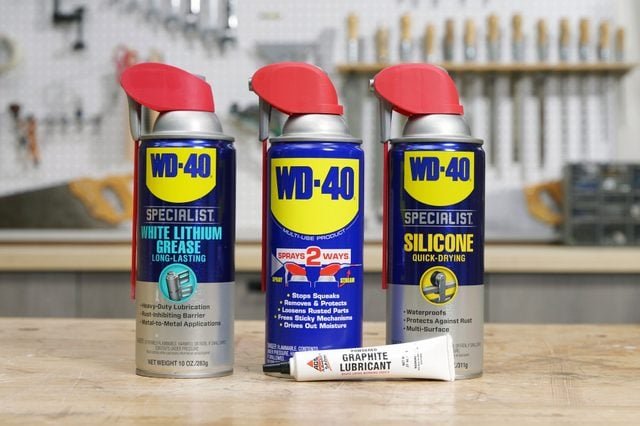
| White Lithium Grease | Long-lasting, water-resistant, protects against rust | Can attract dust and dirt |
| Silicone Spray | Resists water, doesn’t attract dust, easy to apply | May not last as long as grease |
| Penetrating Oil (e.g. WD-40) | Great for loosening stuck hinges, cleans rust | Short-term fix, not a long-lasting lubricant |
| Graphite Lubricant | Dry, doesn’t attract dirt | Messy, not ideal for all hinges |
Expert tip: Use white lithium grease for most car door hinges. It sticks well and protects against rust. Use a silicone spray for newer cars with plastic bushings, as it is gentle on non-metal parts.
Step-by-step Guide: How To Lubricate Car Door Hinges
Lubricating your car door hinges is easy. Here’s how to do it right:
1. Gather Your Tools And Materials
You will need:
- Lubricant (white lithium grease or silicone spray)
- Clean rags or paper towels
- Small brush or old toothbrush
- Screwdriver (if you want to remove covers)
- Gloves (optional, to keep hands clean)
2. Open The Door Fully
Open the car door as wide as possible. This gives you full access to the hinges.
3. Clean The Hinges
Wipe away dirt, dust, or old grease from the hinges using a rag. For stubborn grime, use a small brush. This step is important—lubricant sticks better to clean metal.
Non-obvious insight: If the hinge is covered in rust, spray a little penetrating oil (like WD-40) first. Wait 5-10 minutes, then wipe clean before adding fresh grease.
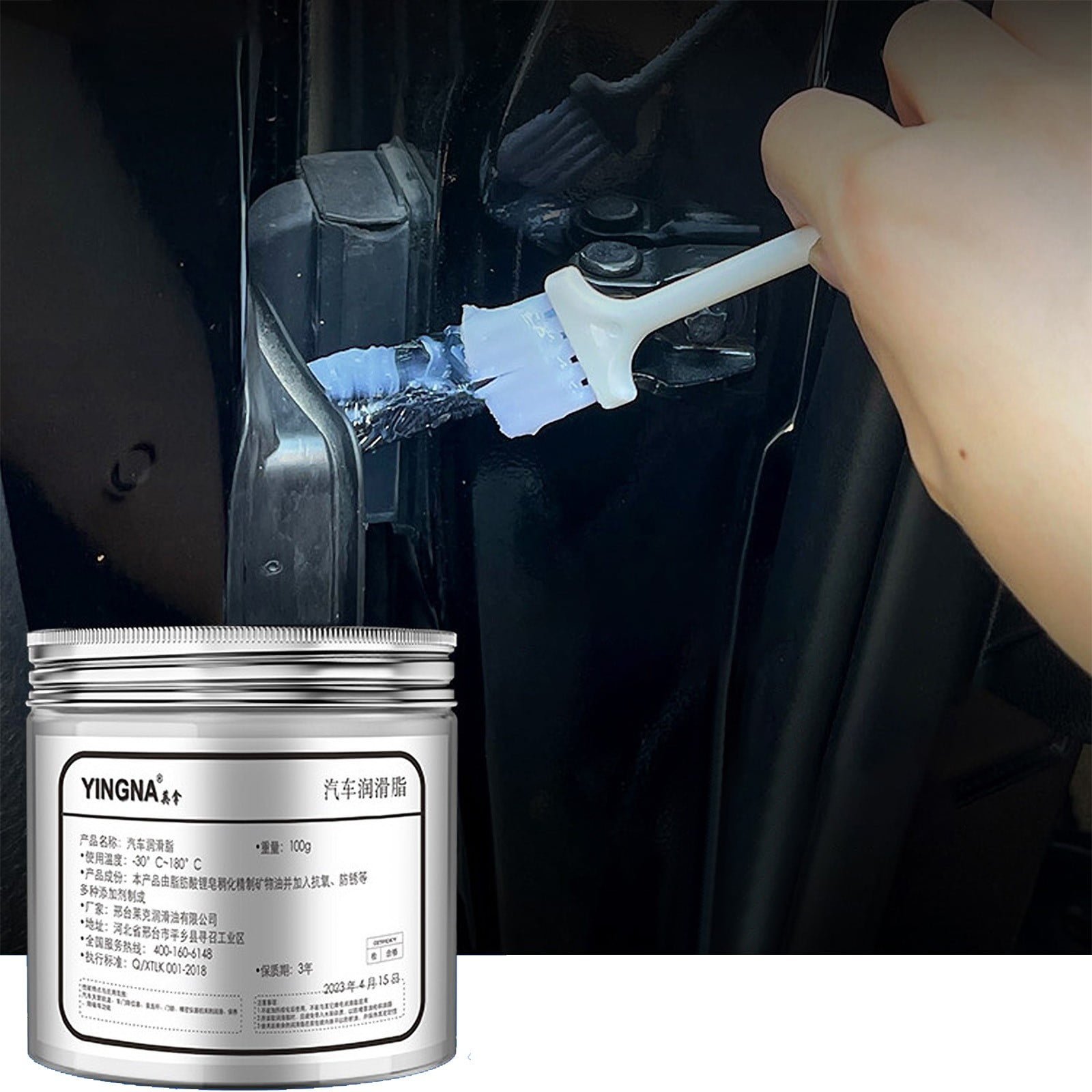
4. Apply Lubricant
Spray or spread the lubricant directly onto the moving parts of the hinge. Make sure to cover:
- The hinge pin (the central shaft)
- The bushings (the small rings that help the pin rotate)
- Any contact points where the hinge touches the door or frame
Move the door back and forth several times to work the lubricant into the hinge.
5. Remove Excess Lubricant
Wipe off any extra lubricant to prevent dust from sticking. A thin layer is enough.
6. Repeat For All Hinges
Don’t forget the rear doors, trunk, and even the hood. All hinges benefit from lubrication.
7. Check Door Movement
Open and close the door several times. It should move smoothly and quietly. If not, repeat the process or check for damage.
How Often Should You Lubricate Car Door Hinges?
Most experts recommend lubricating car door hinges every 6 to 12 months. However, if you live in a wet or salty climate (like near the ocean or in snowy regions), lubricate more often—every 3 to 6 months.
Cars parked outside need more frequent attention than those kept in a garage. If you hear squeaks, don’t wait—lubricate immediately.
Here’s a quick reference:
| Environment | Recommended Frequency |
|---|---|
| Dry/Indoor Parking | Every 12 months |
| Wet/Coastal Areas | Every 3-6 months |
| Snow/Salt Exposure | Every 3-6 months |
| Normal Urban Use | Every 6 months |
Credit: www.walmart.com
Common Mistakes To Avoid
Many car owners make simple mistakes when lubricating door hinges. Avoid these for the best results:
- Using the wrong lubricant: Penetrating oil is good for cleaning but not for long-term lubrication. Use white lithium grease or silicone spray.
- Forgetting to clean first: Dirt left on the hinge will mix with the lubricant and cause more wear.
- Over-applying lubricant: Too much grease attracts dust and makes a mess.
- Ignoring all hinges: Lubricate every door, trunk, and hood for full protection.
- Not checking for damage: If hinges are bent or have missing parts, lubrication alone won’t help.
Choosing The Right Lubricant: What Really Matters
With so many products on the market, how do you choose? Focus on these factors:
- Temperature resistance: Choose a lubricant that works in both hot and cold weather.
- Water resistance: Important if your car is exposed to rain or snow.
- Compatibility: Check for any plastic parts in your hinges; use silicone spray if needed.
- Longevity: White lithium grease lasts longer than most sprays.
- Ease of application: Sprays are faster, but grease stays in place better.
Practical tip: Check your car’s manual for recommended lubricants. Some new cars have special bushings that need a certain type of spray.
Diy Or Professional Service?
Most people can lubricate car door hinges themselves in less than 15 minutes. It’s a safe, low-risk job. However, if you have:
- Hinges that are extremely rusty or stuck
- Damaged or bent doors
- Electric or sensor-equipped doors
…it’s best to consult a mechanic. Professional service ensures the hinges are not only lubricated but also checked for deeper problems.
Effects Of Neglecting Hinge Lubrication
If you ignore this maintenance, problems build up:
- Increased hinge wear leads to expensive replacement parts.
- Rust spreads, weakening the entire door structure.
- Misaligned doors can cause water leaks and wind noise.
- Safety risk: A stuck or broken hinge can make it hard to exit the car in an emergency.
Spending a few minutes on lubrication can save hundreds of dollars in repairs.
Credit: www.familyhandyman.com
Car Door Hinge Lubrication: Real-world Examples
Let’s look at two situations:
- John’s 10-Year-Old Sedan: John never lubricated his door hinges. After years of squeaks, the driver’s door started sagging and would not close properly. A mechanic replaced the hinge for $180 plus labor. If John had lubricated yearly, the hinge would have lasted much longer.
- Maria’s New SUV: Maria lives near the ocean. She lubricates her SUV’s hinges every 3 months with silicone spray. After 5 years, her doors still open smoothly, with no rust or noise.
The lesson: Regular lubrication pays off, especially in tough environments.
Environmental Impact Of Lubricants
Some lubricants contain chemicals harmful to the environment. Always use automotive-grade lubricants and dispose of old rags responsibly. Look for sprays labeled as “low VOC” or environmentally friendly.
Pro tip: Never pour used lubricants down the drain. Dispose of them at a local recycling center.
Comparing Diy And Professional Lubrication
| Aspect | DIY Lubrication | Professional Service |
|---|---|---|
| Cost | Low (under $10) | Higher (can be $50+) |
| Time Required | 10-20 minutes | 1 hour (including wait) |
| Skill Needed | Basic | None (mechanic does it) |
| Thoroughness | Depends on owner | Includes inspection for damage |
Most car owners can easily do this task themselves. It’s a good way to learn more about your car and spot problems early.
Frequently Asked Questions
How Do I Know Which Lubricant Is Safe For My Car Door Hinges?
Check your car’s owner manual. If your hinges have plastic or rubber bushings, use silicone spray. For all-metal hinges, white lithium grease is best. If unsure, ask your car’s dealer or look for automotive-specific products.
Can I Use Wd-40 As A Hinge Lubricant?
WD-40 is great for cleaning and loosening stuck hinges but does not last long as a lubricant. After cleaning with WD-40, apply a proper grease or silicone spray for lasting protection. For more on WD-40’s uses, see Wikipedia.
What Happens If I Never Lubricate My Car Door Hinges?
Without lubrication, hinges wear out, rust, and may fail. This leads to expensive repairs, doors that don’t close, water leaks, or even safety risks if doors become stuck.
How Often Should I Lubricate Car Door Hinges?
Most cars need lubrication every 6 to 12 months. In wet or salty climates, lubricate every 3 to 6 months. If you hear squeaks or feel stiffness, lubricate right away.
Is It Safe To Lubricate Electric Or Sensor-equipped Door Hinges?
Yes, but use a light touch and avoid spraying lubricants on electrical contacts or sensors. If your car has automatic doors, check the manual or ask a professional for the safest method.
Taking a few minutes to lubricate your car door hinges can protect your investment, keep your car quiet, and prevent future problems. By choosing the right product and following these steps, you’ll enjoy smooth, noise-free doors for years to come.