
The Subaru Forester is one of the most recognized compact SUVs, loved for its reliability, all-wheel drive, and practical design. However, no car is perfect. Over the years, Forester models have shown certain common problems, and these issues can change depending on the model year. If you are looking to buy a used Forester, or if you already own one, understanding these year-by-year issues will help you make smarter choices, plan for repairs, and avoid expensive surprises.
This guide will walk you through the most frequent problems faced by Subaru Forester owners from the late 1990s to the newest models. You will also learn why some years are better than others, and what to watch out for when shopping for a used Forester.
If you want to keep your Forester running smoothly for years, this article will give you the knowledge you need.
Subaru Forester Problems By Year: A Detailed Overview
The Forester has been in production since 1997. Each generation brought improvements, but also some new challenges. Let’s look at the most common problems, divided by generation and model year.
First Generation (1998–2002)
The original Subaru Forester set the standard for compact SUVs, but it had its share of troubles.
- Head Gasket Failure: The most frequent issue for these years. Many owners reported oil leaks, coolant leaks, and overheating. The problem often started around 100,000 miles.
- Wheel Bearing Noise: A humming or growling noise from the wheels became common after 80,000 miles.
- Rust Issues: In areas with snow and road salt, early Foresters suffered from rust, especially around the rear wheel wells.
- Timing Belt Wear: The timing belt needed replacement every 105,000 miles, or it could break and damage the engine.
Tip: If you are considering a 1998–2002 Forester, ask for service records, especially for head gasket and timing belt replacement.
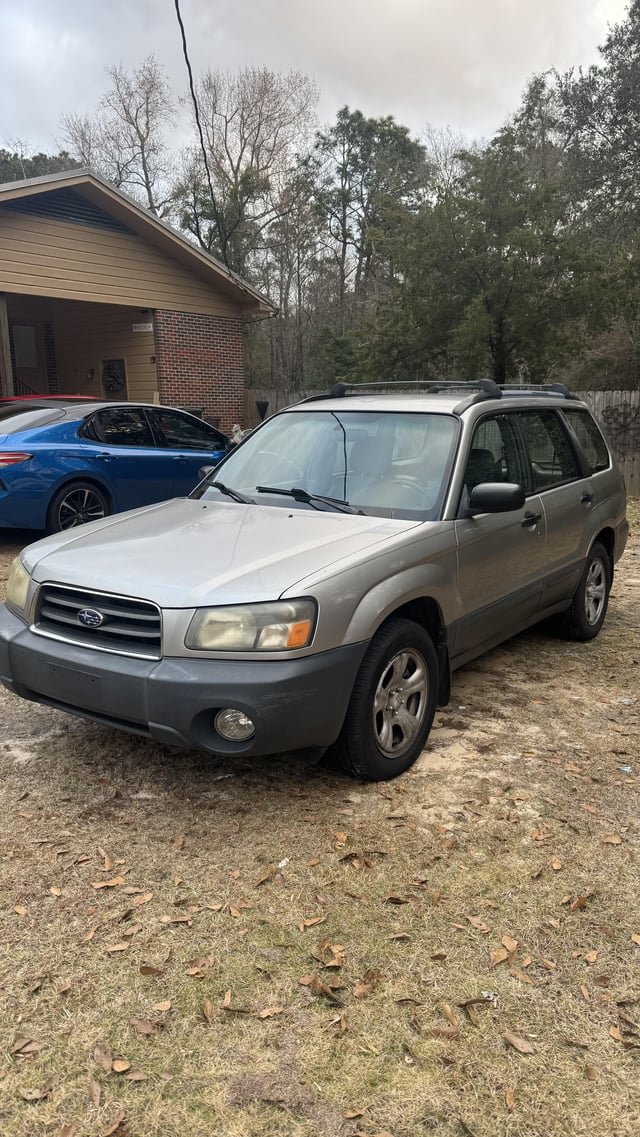
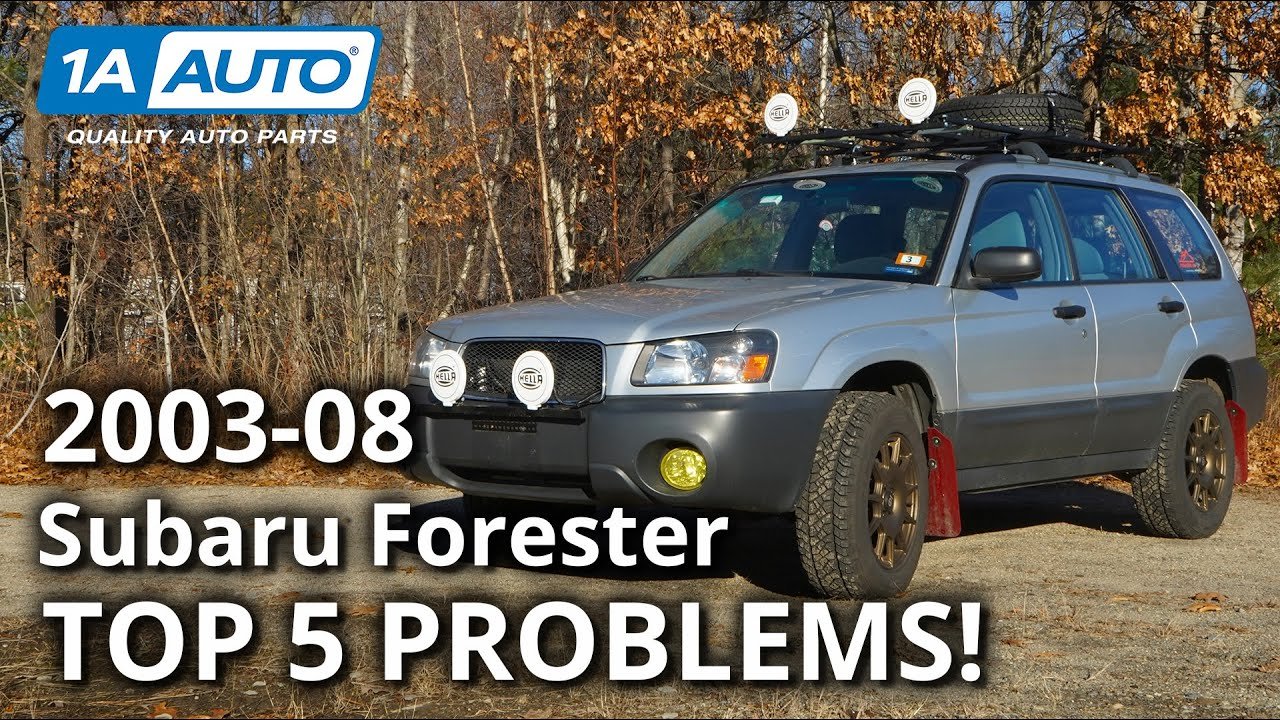
Second Generation (2003–2008)
This generation improved safety and space, but some problems continued.
- Head Gasket Problems: Subaru updated the gasket material, but leaks still occurred, especially on 2003–2005 models.
- Air Conditioning Failure: Many owners complained about the AC blowing hot air due to compressor or relay failures.
- Oxygen Sensor Issues: The check engine light often came on because of faulty oxygen sensors.
- Wheel Bearing Failure: This issue persisted from the previous generation.
Non-obvious Insight: Aftermarket head gaskets often last longer than original Subaru gaskets for these years.
Third Generation (2009–2013)
With a bigger body and new engines, the third generation brought new strengths and new problems.
- Excessive Oil Consumption: Models with the FB25 engine (especially 2011–2013) often burned oil quickly. Owners had to check and top up oil between changes.
- Timing Chain Tensioner Leak: Instead of timing belts, these models used timing chains, but the tensioner could leak oil.
- Sunroof Problems: Panoramic sunroofs sometimes leaked or got stuck.
- Transmission Issues: Some automatic transmissions hesitated or shifted roughly.
Practical Tip: Buying a 2011–2013 Forester? Check oil level regularly and look for service records showing piston ring repairs.
Fourth Generation (2014–2018)
The fourth generation got a more modern design, but a few problems emerged.
- Oil Consumption: The FB25 engine issue continued, though Subaru improved the piston rings after 2014. Early models (2014–2015) are most affected.
- CVT Transmission Issues: The new continuously variable transmission (CVT) sometimes shuddered or failed prematurely.
- Windshield Cracking: Many owners reported easy-to-crack windshields, especially in 2017–2018.
- Infotainment System Bugs: The touchscreen sometimes froze or crashed.
Non-obvious Insight: Subaru extended the CVT warranty for many 2014–2018 Foresters. Ask a dealer if a used model is covered.
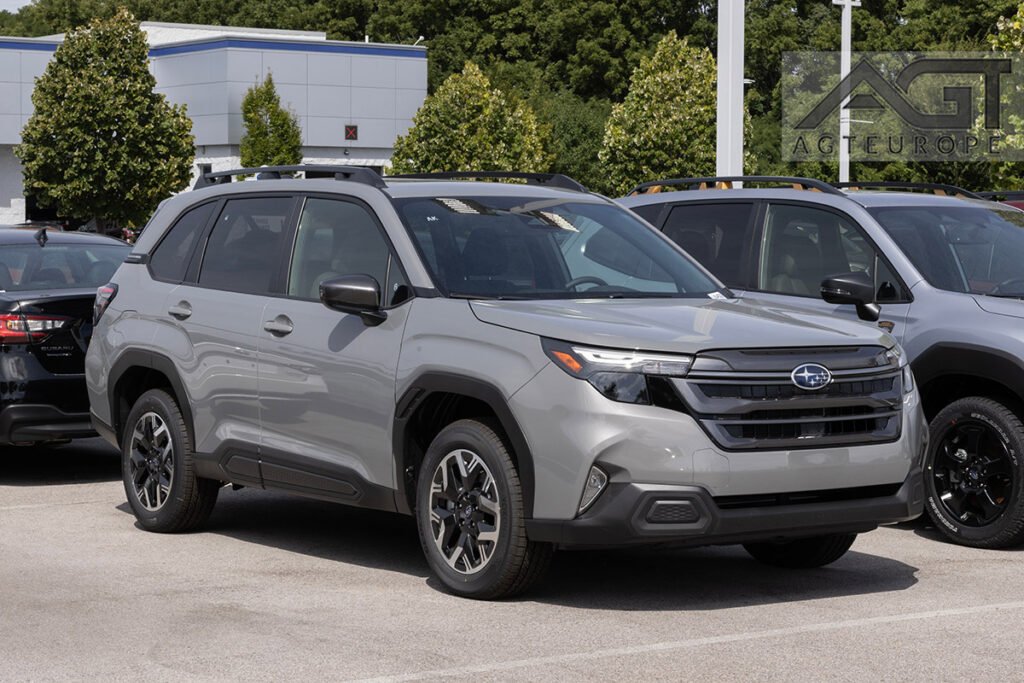
Fifth Generation (2019–present)
The latest Forester focuses on safety and technology, but some issues remain.
- Windshield Problems: 2019–2021 models faced lawsuits over weak windshields that cracked easily.
- Battery Drain: Owners reported batteries draining fast, sometimes overnight, due to software bugs or faulty sensors.
- Electrical Glitches: Problems with EyeSight (Subaru’s safety suite) and automatic start/stop have been noted.
- Rear Suspension Noise: Some 2020–2022 models developed clunks or squeaks from the rear suspension.
Practical Tip: If you notice electrical or windshield issues, check for recalls or service campaigns. Subaru has fixed many problems at no cost.
Most Problematic And Best Years For Subaru Forester
Not every Forester year is equal. Some years stand out for having more issues, while others are known for reliability. Here’s a quick overview:
| Model Year | Common Problems | Reliability Score (out of 10) |
|---|---|---|
| 2011–2013 | Oil consumption, sunroof leaks | 5 |
| 2014–2015 | Oil consumption, CVT issues | 6 |
| 2017–2018 | Windshield cracking, infotainment bugs | 7 |
| 2019–2021 | Windshield, battery drain, electrical | 6 |
| 2006–2008, 2016 | Minor issues only | 8–9 |
Experience-based insight: 2006–2008 and 2016 Foresters have fewer major complaints and are often considered good used car buys.
How Subaru Addressed Forester Problems
Subaru’s response to these problems varied from year to year. Here’s what the company did to fix issues:
- Head Gasket Improvements: Subaru changed gasket materials and offered better replacements after 2010.
- Extended Warranties: For oil consumption and CVT transmission problems, Subaru extended warranties for many affected vehicles.
- Recalls and Service Campaigns: Several recalls addressed windshield, electrical, and suspension problems in newer models.
- Technical Service Bulletins (TSBs): Dealers received instructions to update software or replace faulty parts, especially for infotainment and EyeSight issues.
If you’re buying a used Forester, check if the car has had all recall and warranty work completed. Dealers can check by VIN.
What To Watch For When Buying A Used Subaru Forester
Buying a used Forester can be a smart choice, but only if you know what to look for. Here are key steps to protect yourself:
- Check Service Records: Make sure the timing belt (older models), head gasket, and CVT fluid have been serviced.
- Inspect for Oil Leaks: Look under the engine and around the head gasket area for signs of leaks.
- Test the Transmission: On a test drive, look for shuddering, hesitation, or loud noises.
- Check for Warning Lights: Make sure the check engine and EyeSight lights turn off after starting.
- Examine the Windshield: Look for cracks, chips, or signs of recent replacement.
- Listen for Suspension Noise: Drive on a bumpy road to listen for clunks or rattles.
- Review Recalls: Visit the NHTSA website to see if the car has open recalls.
Non-obvious insight: If the seller cannot show proof of head gasket or CVT service, plan for these repairs in your budget. They can cost between $1,000 and $4,000.
Credit: www.reddit.com
Subaru Forester Reliability Compared To Competitors
Many people wonder if the Forester is more reliable than other compact SUVs like the Honda CR-V or Toyota RAV4. Here’s a comparison of repair frequency and major problem areas.
| Model | Most Common Major Problem | Repair Frequency (per 100 cars/year) |
|---|---|---|
| Subaru Forester | Oil consumption, CVT failure | 14 |
| Honda CR-V | AC compressor failure | 10 |
| Toyota RAV4 | Transmission hesitation | 9 |
The Forester has more engine-related repairs than the Honda or Toyota, but fewer problems with brakes and electronics.
Cost To Repair Common Subaru Forester Problems
Forester repair costs can vary. Here are the average costs for the most common issues:
- Head Gasket Replacement: $1,500–$2,500
- CVT Transmission Repair: $2,000–$4,500
- Oil Consumption Repair: $1,200–$2,000 (for piston rings)
- Windshield Replacement: $300–$900
- Wheel Bearing Replacement: $350–$600 (per wheel)
Straight-to-the-point tip: Budget for these repairs, especially if buying a model from a problematic year.
Credit: agtauto.com
Tips To Avoid Expensive Subaru Forester Problems
You can reduce the risk of major issues by following these simple tips:
- Change the oil every 5,000 miles, not just every 7,500 miles, especially on 2011–2015 models.
- Use only Subaru-approved fluids for the CVT and other systems.
- Replace the timing belt on schedule for 1998–2010 models.
- Fix small windshield chips right away to avoid spreading.
- Ask your Subaru dealer for the latest software updates for infotainment and EyeSight systems.
Friendly mentor advice: Preventive maintenance is always cheaper than big repairs. Catching a problem early can save you thousands.
Frequently Asked Questions
What Year Subaru Forester Has The Most Problems?
The 2011–2014 Subaru Forester is known for excessive oil consumption, especially models with the FB25 engine. Windshield and transmission issues are most common in 2014–2015 and 2019–2021 models.
How Long Does A Subaru Forester Engine Last?
With regular maintenance, a Forester engine can last 200,000 to 250,000 miles. Key factors are oil changes, timing belt/chain service, and avoiding overheating.
Is The Subaru Forester Expensive To Maintain?
Maintenance costs are average for a compact SUV. However, repairs like head gasket or CVT replacement can be expensive if they happen outside of warranty.
Has Subaru Fixed The Oil Consumption Problem?
Subaru improved piston rings after 2014, reducing oil consumption in newer models. They also offered warranty repairs for older cars. Some owners of 2014–2015 models still report issues.
Where Can I Find More Information About Subaru Forester Recalls?
You can check official recall information on the NHTSA website, which lists all open recalls and service campaigns for each Forester year.
The Subaru Forester offers safety, comfort, and all-wheel drive in a practical package. Like any car, it has its weaker years and common issues. Armed with the details above, you can choose the right model year, plan for maintenance, and enjoy the road with confidence.
Credit: www.youtube.com