
The Toyota Highlander is a favorite among families and drivers who want comfort, space, and reliability. Over the years, it has built a strong reputation for being a dependable midsize SUV. But like any vehicle, it has faced some common issues in different model years. Knowing these problems can help buyers make smarter choices, whether they’re considering a used Highlander or want to keep their current one in top shape.
This guide will break down the most frequent Toyota Highlander problems by year, highlight which years to watch out for, and offer practical advice on dealing with these issues. You’ll also find tables to quickly compare problems and see how the Highlander stacks up against similar SUVs.
Let’s take a closer look at what owners should know before buying or maintaining a Toyota Highlander.
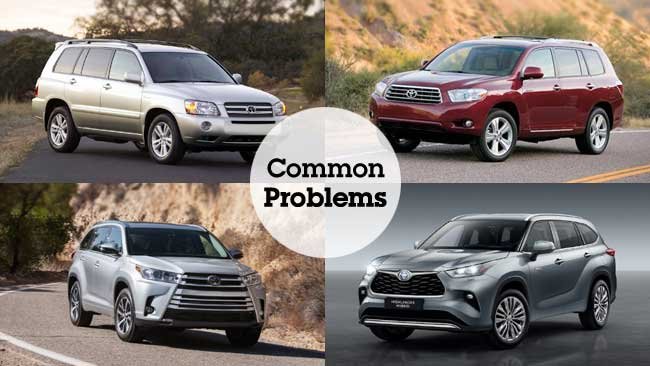
Early Years: 2001–2007
The first-generation Highlander (2001–2007) set the stage for Toyota’s reliable SUV reputation. However, as with many first-generation vehicles, these models had some growing pains.
2001–2003 Models
Owners of early Highlanders often reported engine sludge buildup. This problem happened when oil changed to a thick gel, causing poor lubrication and engine damage. The main reason was infrequent oil changes or poor-quality oil. Toyota responded with a warranty for sludge-related damage, but the issue still affected resale values.
Another frequent complaint was oxygen sensor failure. When the sensor failed, the check engine light would come on and fuel efficiency dropped. Replacement was the only fix, and some owners needed to replace the sensor more than once.
2004–2007 Models
These years saw improvements, but some issues remained. The struts and suspension components often wore out early, leading to a bumpy ride or clunking noises. Also, dashboard cracking became a common cosmetic problem, especially in sunny climates.
Non-Obvious Insight: Many owners did not realize that using synthetic oil in early Highlanders could prevent engine sludge, even if Toyota did not require it at the time.
Second Generation: 2008–2013
The second-generation Highlander brought a more modern design, new engines, and better safety features. But some new problems appeared.
2008–2010 Models
A common issue was steering column noise or looseness. Drivers heard clunking when turning the wheel, often caused by a worn intermediate steering shaft. Toyota eventually released a technical service bulletin and updated parts, but repairs could be expensive if not covered by warranty.
Another frequent complaint was oil leaks from the V6 engine. These leaks often started around the timing cover or valve cover gaskets. If ignored, they could lead to low oil levels and engine damage.
2011–2013 Models
Many owners faced water pump failures sooner than expected. The water pump is vital for cooling the engine, and early failure meant overheating risks. Replacement costs could be high if the pump was not caught early.
Transmission hesitation was also reported, especially when accelerating from a stop. This was usually due to software tuning in the transmission control module. Software updates sometimes helped, but not always.
Non-Obvious Insight: Many steering shaft issues started with a small noise, but acting early could mean a simple lubrication instead of a full replacement.
Third Generation: 2014–2019
With its third generation, the Highlander became even more popular. Toyota improved comfort and technology, but some reliability concerns continued.
2014–2016 Models
A common complaint was with the infotainment system freezing or rebooting randomly. Updates helped, but some owners still needed to replace the head unit.
Wind noise was another frequent issue, especially at highway speeds. Many drivers found the cabin louder than expected. This was usually traced to poor window seals or door alignment.
Some owners also noticed transmission shudder or rough shifting. These symptoms sometimes required a transmission fluid flush or a software update. In rare cases, parts inside the transmission needed to be replaced.
2017–2019 Models
The main issue was fuel pump failures. Toyota eventually recalled many vehicles for this problem, as the fuel pump could stop working and cause the engine to stall. Another concern was premature brake wear, especially on rear pads. Owners had to replace them more often than expected.
Non-Obvious Insight: Many infotainment issues could be temporarily fixed by disconnecting the battery for a few minutes, but this was only a short-term solution.
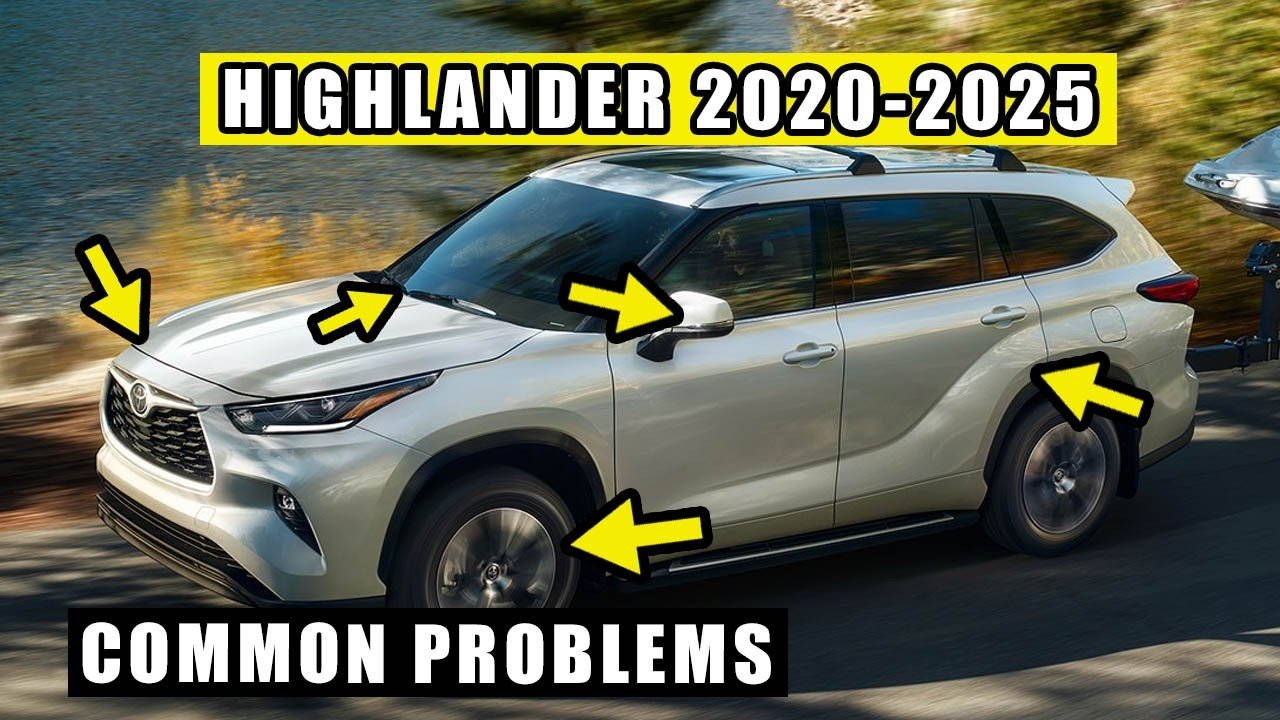
Fourth Generation: 2020–present
The latest Highlander generation is known for its efficiency and advanced safety features. Problems have been fewer, but some issues still appear.
2020–2021 Models
Some drivers reported electrical glitches in the dashboard, such as warning lights turning on without a real problem. These were often fixed with software updates.
A small number of owners faced windshield cracking, sometimes without an obvious cause. Toyota has investigated, but in many cases, owners had to replace the glass themselves.
2022–2023 Models
While generally reliable, a few complaints were about hybrid battery warning lights. These often turned out to be false alarms, but they caused worry for new owners.
Wireless charging pad failures were also mentioned. The charger stopped working, often due to overheating or faulty hardware.
Non-Obvious Insight: Some electrical issues in newer models were linked to weak 12V batteries, not the hybrid system itself.
Credit: www.carlogos.org
Comparison Of Highlander Problems By Generation
To help you see patterns, here’s a comparison of common problems in each generation:
| Generation | Years | Main Issues |
|---|---|---|
| First | 2001–2007 | Engine sludge, oxygen sensor failure, suspension wear, dashboard cracking |
| Second | 2008–2013 | Steering shaft, oil leaks, water pump failure, transmission hesitation |
| Third | 2014–2019 | Infotainment issues, wind noise, transmission shudder, fuel pump, brake wear |
| Fourth | 2020–Present | Electrical glitches, windshield cracking, hybrid battery warnings, wireless charger failure |
Year-by-year Breakdown Of Key Issues
Here’s a closer look at some specific years and their standout problems:
2003: Engine sludge, oxygen sensor
2008: Steering shaft, oil leaks
2011: Water pump, transmission hesitation
2014: Infotainment, wind noise
2017: Fuel pump, brake wear
2020: Electrical glitches, windshield cracking
Credit: www.youtube.com
How Highlander Problems Compare To Other Suvs
The Highlander’s reputation for reliability is still strong, but how does it compare to other popular midsize SUVs? This table shows the most common issues for similar models:
| Model | Frequent Problems | Average Repair Cost |
|---|---|---|
| Toyota Highlander | Engine, transmission, electronics | $400–$1,200 |
| Honda Pilot | Transmission, air conditioning, electrical | $500–$1,500 |
| Ford Explorer | Transmission, cooling, suspension | $600–$1,800 |
Tip: While Highlander problems may seem serious, they are usually less frequent and less costly than those in some rivals.
What Owners Can Do
If you own or plan to buy a Highlander, there are smart steps to prevent or reduce common problems:
- Regular maintenance: Follow Toyota’s service schedule closely, especially oil changes and fluid checks.
- Check for recalls: Use your VIN on Toyota’s official site to see if your vehicle has open recalls, such as the fuel pump recall.
- Listen for new noises: Many issues, like steering shaft clunks or transmission shudders, start with small sounds.
- Use quality parts and fluids: This is especially important for older Highlanders to prevent sludge and leaks.
- Inspect electronics: Test infotainment and safety features regularly, especially before buying a used model.
Ignoring small problems can lead to bigger, costlier repairs later. For example, a leaking water pump can lead to engine overheating, while a noisy suspension can affect handling and safety.
Credit: motorhub.club
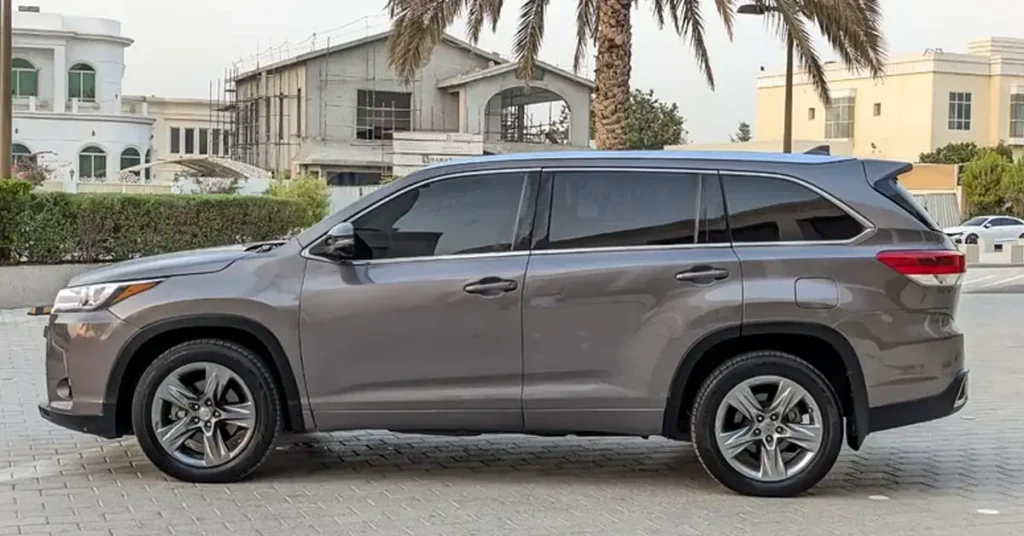
Highlander Model Years To Approach With Caution
Not every Highlander year is equal. Some years have more complaints and costly repairs. These years are often discussed on owner forums and in mechanic shops:
- 2003: Engine sludge, sensor failures
- 2008: Steering shaft, oil leaks
- 2014: Infotainment, transmission issues
- 2017: Fuel pump recall, brake wear
Buying from these years is not always risky if the vehicle has complete maintenance records and recent repairs. But it’s wise to get a pre-purchase inspection from a trusted mechanic.
Why Some Problems Are More Common
Some Highlander issues are the result of design choices or supplier parts. For example, early engine sludge was linked to narrow oil passages, while infotainment glitches came from early versions of Toyota’s Entune system. Knowing this history can help owners understand why certain years have more problems and what to look out for.
Practical Tip: Ask the seller if key repairs have already been done. For example, has the steering shaft been replaced on a 2008 model? If yes, you’re less likely to face that problem.
When To Choose A Toyota Highlander
Despite the issues listed, the Highlander is still one of the most reliable midsize SUVs on the market. Most problems are well-documented and have known fixes. If you want an SUV that holds its value, offers strong safety, and is easy to repair, the Highlander is a smart choice—especially if you avoid years with the most complaints.
Before you buy, check resources like the National Highway Traffic Safety Administration for recalls and safety reports.
Frequently Asked Questions
What Year Toyota Highlander Is Most Reliable?
The 2015–2016 and 2018–2019 Highlanders are often considered the most reliable. These years have fewer complaints, better technology, and improved safety features.
How Can I Avoid Engine Sludge In Older Highlanders?
Change the oil regularly, use high-quality or synthetic oil, and avoid long gaps between oil changes. Synthetic oil resists sludge better than conventional oil.
Are The Fuel Pump Problems On Highlanders Dangerous?
Yes, a failed fuel pump can cause the engine to stall, which is risky if it happens while driving. Toyota issued a recall for this issue, so check if your Highlander is affected.
Is The Toyota Highlander Expensive To Repair?
The Highlander is usually cheaper to repair than many competitors. Common repairs like water pump or brake replacement are affordable compared to other midsize SUVs.
Does The Toyota Highlander Hold Its Value?
Yes, the Highlander has strong resale value. Even with common problems, it loses value more slowly than many rivals, making it a smart long-term choice.
In summary, the Toyota Highlander is a solid, family-friendly SUV with excellent overall reliability. By knowing the common problems by year and taking care with maintenance and used car checks, you can enjoy many years of trouble-free driving.