
A car that refuses to start is one of the most frustrating problems for drivers. Sometimes, the cause is as simple as a dead battery or an empty fuel tank. But often, the issue is hidden deep inside your engine—right where your spark plugs live. Bad spark plugs are a common reason why your car won’t start, and understanding how they affect your vehicle can save you time, money, and stress.
Imagine running late for work. You turn the key, hear the engine crank, but nothing happens. In many cases, worn or faulty spark plugs are to blame. These small but mighty components play a huge role in your engine’s ability to start and run smoothly. Let’s dive into how spark plugs work, why they cause starting problems, and what you can do when your car won’t start because of bad spark plugs.
What Do Spark Plugs Do?
Spark plugs are essential parts of any gasoline engine. Their main job is to ignite the air and fuel mixture inside the engine cylinder. This tiny explosion is what powers your car.
Here’s what happens:
- The engine mixes fuel and air.
- The spark plug creates a spark at the perfect moment.
- This spark ignites the mixture, causing a controlled explosion.
- The explosion pushes a piston, which turns the engine.
Without working spark plugs, your engine won’t fire. Even one bad spark plug can cause your car to run poorly or not start at all.
How Bad Spark Plugs Cause Starting Problems
When you turn the key, your car’s starter motor cranks the engine. But if the spark plugs are faulty, the engine can’t ignite the fuel mixture. This means:
- The engine may turn over but never start.
- Sometimes, the engine starts but quickly dies.
- You might hear sputtering or feel shaking.
Old or damaged spark plugs can cause weak sparks, misfires, or no spark at all. Even if just one plug is bad, it can affect the whole engine, especially in small cars with fewer cylinders. In larger engines, multiple bad plugs make the problem worse.
Symptoms Of Bad Spark Plugs
Recognizing the signs of worn spark plugs can help you fix the problem before your car refuses to start. Here are some clear symptoms:
- Hard Starting: The engine cranks longer than usual or doesn’t start.
- Rough Idling: The car shakes or vibrates when stopped.
- Poor Acceleration: The car hesitates or feels slow when you press the gas.
- Engine Misfires: You hear popping sounds or feel jerking.
- Decreased Fuel Economy: The car uses more fuel than normal.
- Check Engine Light: The dashboard warning light comes on.
Not all of these symptoms mean your car won’t start right away. But if ignored, they can lead to complete failure.
Common Causes Of Spark Plug Failure
Spark plugs are tough, but not invincible. They fail for several reasons:
- Wear and Tear: Most spark plugs last 20,000 to 100,000 miles, depending on type.
- Carbon Deposits: Oil or fuel leaks cause black, sooty buildup.
- Overheating: Bad timing or cooling issues can damage the tip.
- Improper Gap: If the gap between electrodes is too wide or narrow, the spark is weak.
- Poor Installation: Overtightening or cross-threading damages the threads.
Letting these issues go unfixed can quickly turn a small problem into a car that won’t start.
Diagnosing Bad Spark Plugs
You don’t always need a mechanic to check your spark plugs. Here’s how you can diagnose them:
- Visual Inspection: Remove each spark plug and look for:
- Black carbon deposits (rich fuel mixture)
- White deposits (overheating)
- Oily residue (oil leak)
- Broken or worn tips
- Spark Test: Use a spark plug tester to see if a strong, blue spark appears.
- Listen and Feel: If the engine sounds uneven or shakes, a misfire may be happening.
- OBD-II Scanner: Modern cars have computers that log misfires. Scan for codes like P0300 (random misfire).
If you see any of these problems, it’s time to replace your spark plugs.
Spark Plug Types And Their Lifespan
Not all spark plugs are the same. Choosing the right type helps your car start reliably.
| Spark Plug Type | Average Lifespan (Miles) | Material | Cost (Per Plug) |
|---|---|---|---|
| Copper | 20,000–40,000 | Copper/Nickel Alloy | $2–$5 |
| Platinum | 60,000–100,000 | Platinum | $6–$10 |
| Iridium | 80,000–120,000 | Iridium | $8–$15 |
Iridium spark plugs last the longest, but cost more. Copper plugs are cheap but need more frequent replacement. Always use the type recommended in your owner’s manual.
Credit: www.youtube.com
How To Replace Bad Spark Plugs
Changing spark plugs is a simple job for most cars. Here’s a step-by-step guide:
- Let the engine cool. Hot spark plugs can burn you.
- Find the spark plugs. Most engines have one plug per cylinder.
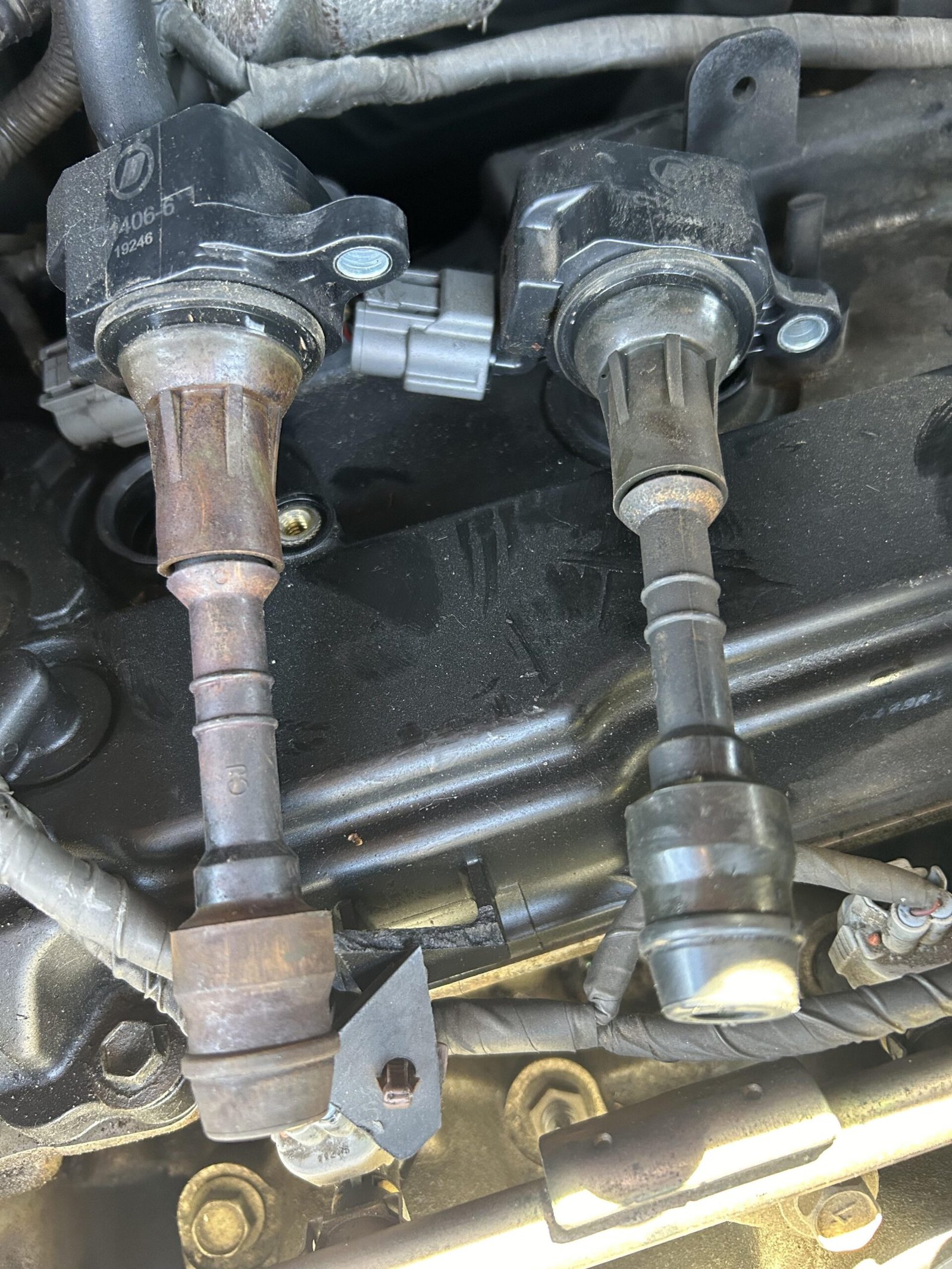
- Remove the plug wire or coil. Gently twist and pull.
- Use a spark plug socket. Turn counterclockwise to remove the old plug.
- Check the gap on the new plug using a gap tool. Adjust if needed.
- Install the new plug. Turn by hand first, then snug with a wrench. Don’t overtighten.
- Reconnect the plug wire or coil.
Do this for each spark plug. It usually takes less than an hour for most engines.
What To Do If Your Car Won’t Start
If you suspect bad spark plugs but your car won’t start, try these steps:
- Check the battery. Weak batteries can mimic bad spark plug symptoms.
- Listen for cranking. If the engine turns but doesn’t fire, spark plugs are likely at fault.
- Spray starter fluid. If the engine fires briefly, the issue is probably spark or fuel.
- Remove and inspect a plug. If it’s wet or fouled, replace all plugs.
- Replace plugs in sets. Never change just one; always do all at once.
If the car still won’t start, call a mechanic. Sometimes, the ignition coil or wiring is also bad.
How Bad Spark Plugs Affect Other Parts
Driving with faulty spark plugs can cause more damage than you might think:
- Catalytic Converter Failure: Unburned fuel can overheat and ruin this expensive part.
- Ignition Coil Stress: Bad plugs force coils to work harder, leading to early failure.
- Poor Fuel Economy: Wasted fuel adds up over time.
- Engine Misfires: Can damage pistons and valves.
Addressing bad spark plugs early prevents bigger, more expensive problems.
Real-world Example: Spark Plugs And Starting Trouble
Consider a 2012 Honda Civic. The owner noticed hard starts and rough idle. A mechanic found the spark plugs were worn after 70,000 miles—past their recommended life. After replacing all four plugs, the car started smoothly and fuel economy improved by 10%.
This example shows how a simple part can have a big impact.
Non-obvious Insights About Spark Plugs And Starting Issues
- Spark Plug Heat Range Matters: Using a plug with the wrong heat range (too hot or too cold) can cause starting problems, especially in extreme weather.
- Short Trips Wear Plugs Faster: Frequent short drives (less than 5 miles) cause carbon buildup because the engine doesn’t get hot enough to burn it off.
- Aftermarket Plugs Aren’t Always Better: Sticking to the brand and type your car maker recommends is usually best. Some high-performance plugs can actually cause misfires if not matched to your engine.
Comparing Spark Plug Issues With Other Common Starting Problems
It’s easy to blame spark plugs, but other issues can cause a no-start too. Here’s a comparison:
| Symptom | Likely Cause | Repair Cost Range |
|---|---|---|
| Engine cranks but no start | Bad spark plugs, fuel pump, ignition coil | $40–$400 |
| No sound when turning key | Dead battery, starter motor | $80–$600 |
| Rough idle and misfire | Spark plugs, sensors, vacuum leak | $40–$300 |
Credit: www.reddit.com
How To Prevent Spark Plug Problems
Avoiding starting trouble is easier than fixing it. Here’s how:
- Follow maintenance schedules. Replace plugs at the recommended interval.
- Use the correct plug type. Check your owner’s manual.
- Check for oil or coolant leaks. Fix leaks quickly to prevent fouling.
- Don’t ignore warning signs. Misfires and poor performance should be checked soon.
- Keep your engine tuned. A well-tuned engine keeps plugs cleaner and lasts longer.
When To Call A Mechanic
If you replace your spark plugs and the car still won’t start, there may be a deeper problem. Other possible causes include:
- Ignition coil failure
- Faulty crankshaft or camshaft sensors
- Fuel delivery problems
- Timing belt or chain issues
A mechanic can run advanced diagnostics to find the true cause.
Credit: www.youtube.com
Frequently Asked Questions
What Happens If I Drive With Bad Spark Plugs?
Driving with bad spark plugs causes misfires, poor fuel economy, loss of power, and can damage the catalytic converter. It’s best to fix the problem quickly.
How Often Should Spark Plugs Be Replaced?
It depends on the type:
- Copper: Every 20,000–40,000 miles
- Platinum: Every 60,000–100,000 miles
- Iridium: Every 80,000–120,000 miles
Check your manual for the exact interval.
Can Bad Spark Plugs Drain My Battery?
No, but if your engine won’t start, repeated attempts to crank can drain the battery. Fixing the spark plugs will solve the starting issue.
Are All Spark Plugs The Same?
No. Spark plugs come in different sizes, heat ranges, and materials. Always use the type recommended for your car.
Where Can I Find More Information About Spark Plugs?
You can learn more by visiting the Wikipedia Spark Plug page.
Solving a no-start issue caused by bad spark plugs is usually simple and inexpensive. With regular maintenance and attention to warning signs, you can keep your car starting strong for years. If you ever face this problem, now you know exactly what to check and how to fix it.