
When winter arrives and the temperature drops, many drivers face a frustrating problem: their car won’t start in cold weather. You turn the key or push the button, but nothing happens, or the engine tries to turn over and fails. This situation is stressful, especially if you’re late for work or stuck in a parking lot. Cold weather causes car problems more often than people think, and understanding why can help you avoid being stranded. In this guide, you’ll learn why cars struggle in the cold, common causes, how to fix and prevent starting problems, and what to do if your car refuses to start.
Why Cold Weather Affects Car Starting
Freezing temperatures put extra strain on your vehicle’s systems. Many parts work harder when it’s cold, and some fail more easily. Here’s what happens inside your car during winter:
- Battery power drops: Chemical reactions inside the battery slow down in low temperatures. This means less power to crank the engine.
- Oil thickens: Engine oil becomes thicker and doesn’t flow as well, making the engine harder to turn over.
- Fuel issues: Gasoline doesn’t vaporize as easily in the cold, so starting is harder, especially for older cars.
- Electrical resistance increases: Wires and connections transmit electricity less efficiently in cold weather.
These hidden changes mean your car might work perfectly in summer but fail in winter.
Common Reasons Your Car Won’t Start In Cold Weather
Several issues can prevent your car from starting when it’s cold. Some are simple, while others require a mechanic. Let’s look at the main causes.
1. Weak Or Dead Battery
The most common reason a car won’t start in cold weather is a weak battery. At 0°F (–18°C), a battery can lose up to 60% of its strength. If your battery is old or has corroded terminals, it may not have enough power to start the engine. Even newer batteries can struggle if they’re not fully charged.
2. Thick Or Old Engine Oil
Engine oil lubricates moving parts, but cold weather makes oil thicker. Old or incorrect oil becomes even more sluggish. This increases resistance and makes it much harder for the starter motor to turn the engine. If your oil hasn’t been changed in a while, starting will be harder.
3. Faulty Starter Motor
The starter motor turns the engine over. Cold weather can reveal starter problems, especially if the motor is already worn out. In extreme cold, the starter may freeze or move too slowly to work.
4. Bad Fuel System
If moisture gets into your fuel lines, it can freeze and block fuel from reaching the engine. Water in the fuel system is more common than people think, especially in humid climates or if you often run the tank low. Dirty or clogged fuel filters also make starting difficult.
5. Ignition System Problems
Spark plugs, ignition coils, and wires must all work together to ignite the fuel. Cold weather can make old spark plugs misfire or prevent weak coils from working. If these parts are worn or dirty, the engine won’t start reliably.
6. Frozen Or Faulty Sensors
Modern cars rely on sensors to manage fuel and ignition. If sensors like the coolant temperature sensor fail or freeze, the engine may get too much or too little fuel to start.
7. Blocked Air Intake
Snow or ice can block the air intake, especially if you park outside. Without enough air, the engine can’t fire up. Rodents sometimes build nests in air boxes during winter, causing hidden problems.
8. Old Or Faulty Key Fob Battery
For push-start cars, a weak key fob battery can prevent the system from recognizing your key. This is an easy fix but often overlooked in winter starting problems.
Credit: www.portlandautomotive.com
How To Diagnose The Problem
Finding out why your car won’t start is important before you try to fix it. Here are steps you can take to diagnose the issue:
- Listen for sounds: Does the engine click, crank slowly, or stay silent? Clicking often points to a battery problem.
- Check headlights: If your lights are dim or don’t turn on, the battery is likely weak.
- Smell for fuel: If you smell gas, it means fuel is reaching the engine, and the problem may be spark-related.
- Look under the hood: Ice, snow, or visible damage can provide clues.
- Dashboard warnings: Modern cars may show warning lights or error messages.
If you’re unsure, it’s better to call for help than risk damaging your car.
Solutions: What To Do When Your Car Won’t Start
When your car refuses to start in the cold, you have several options. Not all require a tow truck or mechanic. Let’s break them down.
1. Jump Start The Battery
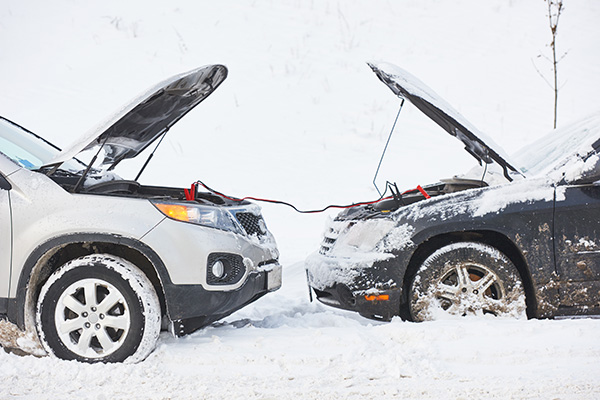
If the battery is weak, a jump start is often the fastest solution. You’ll need jumper cables and another car, or a portable jump starter. Connect the cables in the correct order and try to start your car. If it works, let the engine run for at least 20 minutes to recharge.
2. Warm Up The Battery
Sometimes, warming the battery is enough. You can remove the battery and bring it inside (if you’re comfortable doing this), or use a battery warmer. If your area is very cold, consider installing a battery blanket or maintainer.
3. Change The Engine Oil
Switching to a winter-grade oil (like 5W-30 or 0W-20) can make starting easier. Thinner oil flows better in the cold. Always check your owner’s manual for the right oil type.
4. Use Starting Fluid (with Caution)
For older cars with carburetors, a short spray of starting fluid into the air intake can help. Do not use starting fluid on modern fuel-injected engines unless you know what you’re doing—it can cause damage.
5. Check And Replace Spark Plugs
Worn or dirty spark plugs make cold starts much harder. If they haven’t been changed in years, replacing them can solve the problem. Modern iridium plugs last longer, but still wear out eventually.
6. Thaw Frozen Fuel Lines
If you suspect the fuel line is frozen, move the car to a warmer place, or use a hair dryer to gently warm the line (never use an open flame). Adding a fuel-line antifreeze product to the tank can also help dissolve ice.
7. Clean Battery Terminals
Corroded or loose battery terminals can prevent power from reaching the starter. Clean the posts with a wire brush and tighten the connections.
8. Replace Key Fob Battery
If your push-start car doesn’t respond, try replacing the key fob battery. Most fobs use small coin-type batteries that are cheap and easy to swap.
9. Call For Roadside Assistance
If you’ve tried everything and the car still won’t start, it’s time to call a professional. Roadside assistance can diagnose the problem and may save you time and frustration.

Credit: www.youtube.com
Preventing Cold Weather Starting Problems
It’s easier to prevent starting problems than to fix them in freezing weather. Here’s how you can protect your car:
- Test your battery before winter. Most auto shops can do this for free. Replace weak batteries before they fail.
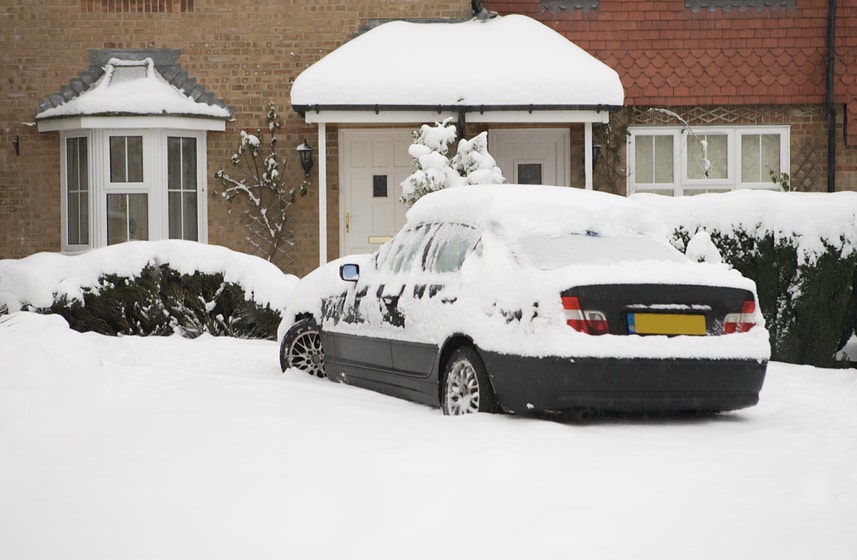
- Park indoors when possible. Garages keep your car warmer and reduce ice buildup.
- Keep your gas tank at least half full. This reduces moisture in the fuel system and prevents frozen lines.
- Switch to winter-grade oil if you live in a cold climate.
- Use a battery maintainer or trickle charger if your car sits for long periods.
- Check and replace spark plugs and wires regularly.
- Protect your car with a cover if you must park outside.
- Install a block heater to keep the engine warm overnight. These are common in very cold regions.
- Inspect belts and hoses for cracks or wear. Cold can make rubber parts brittle.
Here’s a quick comparison of common prevention tools:
| Tool | Purpose | Cost Range (USD) | Effectiveness in Cold |
|---|---|---|---|
| Battery Maintainer | Keeps battery charged | $25–$70 | High |
| Block Heater | Warms engine coolant | $50–$150 | Very High |
| Winter Oil | Improves flow | $20–$50 (per change) | Medium to High |
Why Some Cars Start Better In Cold Weather
Not all cars struggle in winter. Here’s why some vehicles handle the cold better:
- Newer batteries have more reserve power and advanced design.
- Modern engines use synthetic oils that flow better in the cold.
- Electronic fuel injection systems adjust automatically for temperature.
- Garage-kept cars avoid the worst of freezing temperatures.
Older cars, diesels, and high-mileage vehicles are more likely to have trouble.
Credit: www.holtsauto.com
Non-obvious Insights For Cold Weather Starting
There are some details many drivers miss when facing winter starting problems:
- Short drives drain the battery more than they recharge it, especially if you use lights, heater, and wipers. Take longer drives weekly to keep the battery healthy.
- Jump-starting in extreme cold can damage electronics if done incorrectly. Always connect the negative cable to a solid, unpainted metal part of the engine—not the battery itself—to avoid sparks.
- Windshield washer fluid can freeze in the lines if the wrong type is used, making it harder to clear your windshield and see while trying to start the car.
- Battery warranties often have a “prorated” period—meaning you get less value as the battery ages. Replace before it fails, not after.
How Cold Is “too Cold” For Starting?
Most modern cars will start down to –20°F (–29°C) if well maintained. Below this, even healthy cars can struggle, and older vehicles may fail at higher temperatures. Diesel engines are especially sensitive and often need block heaters below 0°F (–18°C).
Here’s a quick look at the effect of temperature on battery power:
| Temperature (°F) | Available Battery Power | Relative Starting Risk |
|---|---|---|
| 80°F (27°C) | 100% | Low |
| 32°F (0°C) | 65–70% | Moderate |
| 0°F (–18°C) | 40–50% | High |
| –20°F (–29°C) | 30–35% | Very High |
What To Keep In Your Car For Emergencies
It’s smart to prepare for winter breakdowns. Here’s a list of essentials for cold weather:
- Jumper cables or a portable jump starter
- Warm blanket or extra clothing
- Ice scraper and brush
- Small shovel
- Flashlight with batteries
- Phone charger
- Non-perishable snacks
- Gloves and hat
- Tire chains or sand (if you live in snowy areas)
Having these items can make a big difference if you’re stuck and waiting for help.
When To See A Mechanic
If your car won’t start more than once, or if you notice slow cranking, warning lights, or electrical problems, visit a professional. Some issues, like a failing alternator or fuel pump, need expert diagnosis. Don’t ignore warning signs—cold weather can turn small problems into major failures quickly.
Frequently Asked Questions
Why Does My Car Only Have Trouble Starting In The Cold?
Cold weather slows chemical reactions in the battery and thickens engine oil, making the engine harder to turn. Weak batteries or old oil are often fine in warm weather but fail when it’s cold.
How Can I Tell If My Battery Is Dead Or Just Weak?
A dead battery won’t power anything—no lights, no sounds. A weak battery may still turn on the radio or lights, but the engine will crank slowly or not at all. Testing the voltage with a meter gives a clear answer; healthy batteries should read 12.6 volts or higher.
Is It Safe To Use Starting Fluid?
Starting fluid can help some older cars, but it can damage sensors or engines if used incorrectly, especially in modern vehicles. Only use it if you know your car’s system and follow instructions closely.
Do I Need To Warm Up My Car Before Driving?
Modern engines don’t need long warm-ups. 30–60 seconds is enough to circulate oil. However, you may want to let the car warm up longer for comfort or to defrost the windshield.
What Kind Of Oil Is Best For Winter?
Synthetic oil with a lower “W” (winter) rating, such as 0W-20 or 5W-30, flows better in cold weather and helps with starting. Always check your owner’s manual for the manufacturer’s recommendation.
Winter weather can create challenges for drivers, but with the right knowledge and preparation, you can reduce the risk of your car refusing to start. Regular maintenance, a strong battery, and simple prevention steps make all the difference. If you want more in-depth information on car batteries and cold starts, consider visiting the Wikipedia page on cold starts for further reading. Stay safe and ready for the road, no matter how cold it gets.