
Your car won’t start and you smell gas. This situation can make anyone worry. Is it safe? Is your engine damaged? Many people face this problem but don’t know what to do next. Understanding why this happens can help you avoid costly repairs and keep you safe.
Let’s break down the causes, symptoms, and solutions for a car that won’t start and smells like gas.
Why Does Your Car Smell Like Gas When It Won’t Start?
A strong gasoline smell when your car won’t start means fuel is leaking or not burning properly. This is not normal. Gasoline is dangerous—it can catch fire easily and is bad to breathe. If you smell gas, you must find the cause quickly.
Main Causes For Gas Smell And No Start
1. Flooded Engine
When you try to start the car and the engine doesn’t fire, the fuel may build up. Too much fuel in the cylinders stops the spark plugs from working. This is called “engine flooding. ” It is common in cold weather or after repeated failed starts.
2. Leaking Fuel Injectors
Fuel injectors spray gasoline into the engine. If they leak, extra fuel escapes and creates a strong smell. This can prevent your car from starting because the air-fuel mix is wrong.
3. Faulty Fuel Pressure Regulator
This part controls the fuel pressure. If it fails, too much fuel may enter the engine or leak out. The engine cannot start if the mix is too rich.
4. Bad Spark Plugs Or Ignition System
Spark plugs ignite the fuel. If they are dirty or broken, fuel will not burn and will stay in the engine. This can cause a gas smell and prevent starting.
5. Damaged Fuel Lines
Fuel lines carry gas from the tank to the engine. If they crack or break, fuel leaks out and you smell gas.
6. Failed Engine Sensors
Sensors like the oxygen sensor or mass airflow sensor control fuel injection. If they fail, the engine may get too much fuel and not start.
7. Carburetor Problems (older Cars)
Cars made before the 1990s use carburetors. Carburetors can leak fuel or send too much to the engine. This creates a gas smell and starting problems.
Non-obvious Insight 1
Many people think a gas smell means only a leak. But often, it’s a sign of excess fuel inside the engine—not outside. This is called a “rich mixture.” If your car is modern, leaks are rare compared to flooded engines or bad sensors.
How To Diagnose The Problem
Finding the cause is key. Here’s how you can check step by step.
Step 1: Check For Visible Leaks
Look under the car and around the engine. If you see wet spots or smell gas near the engine or tank, you may have a fuel leak. Never use a lighter or flame to check.
Step 2: Listen To Engine Cranking
Does the engine sound normal when you turn the key? A flooded engine often makes a “chugging” sound. If it turns over quickly but doesn’t fire, the problem may be electrical.
Step 3: Inspect Spark Plugs
Remove a spark plug and check. If it’s wet with gas, your engine is flooded or spark plugs are not firing.
Step 4: Smell Inside Or Outside
If you smell gas inside the cabin, you may have a leak in the fuel lines or injectors. If the smell is only outside, it’s likely from the engine bay.
Step 5: Check Engine Codes
If your car has a “Check Engine” light, use a code scanner. Codes like P0300 or P0172 show problems with fuel or ignition.
Step 6: Try Starting After Waiting
If you suspect a flooded engine, wait 10–15 minutes and try again. Press the accelerator to the floor and crank the engine. This can clear extra fuel.
Step 7: Compare With Normal Symptoms
Here’s a quick comparison:
| Symptom | Possible Cause | Gas Smell? |
|---|---|---|
| Engine cranks, won’t start | Flooded engine, bad spark plugs | Yes |
| No crank, clicking sound | Dead battery | No |
| Starts then stalls | Bad fuel pressure regulator | Yes |
| Visible fuel leak | Broken fuel line | Yes |
What To Do If Your Car Won’t Start And Smells Like Gas
Safety First
Gasoline is flammable and toxic. If you smell gas:
- Open windows and leave the area.
- Do not smoke or use open flames.
- Call a mechanic if unsure.
Immediate Actions
1. Stop Trying To Start The Car
Continuous attempts can make flooding worse or cause fire.
2. Ventilate The Area
Open the car doors and windows. Let the gas smell clear.
3. Check For Leaks
Look under the car for puddles. If you see a leak, do not drive or start the engine.
4. Wait And Try Again
If flooding is likely, wait 15–20 minutes. Press the accelerator and try to start.
5. Call For Help
If the car still won’t start, contact a trusted mechanic.
Non-obvious Insight 2
Many people ignore the gas smell if their car eventually starts. This is a mistake. Even small leaks or rich mixtures can cause fires or damage sensors. Always investigate gas smells—even if the car starts later.
Common Causes Explained With Examples
Flooded Engine
Imagine it’s winter. You try to start your car several times but it won’t fire. Each attempt sends more fuel into the engine. Spark plugs get wet and can’t ignite the fuel. You smell gas because extra fuel escapes from the exhaust.
Leaking Fuel Injector
Your car is modern with fuel injection. If an injector is stuck open, gasoline leaks into the engine. You smell gas, and the engine won’t start because the mixture is too rich.
Faulty Spark Plug
Your car has 4 cylinders. If one spark plug fails, the fuel in that cylinder doesn’t burn. Unburned gas goes out the exhaust, causing a smell.
Damaged Fuel Line
A small crack in a fuel line near the engine lets gas drip out. You see a wet spot, and the car won’t start because fuel pressure is too low.
Bad Engine Sensor
A failed mass airflow sensor sends wrong data. The computer adds too much fuel, making the engine too rich to start.

Credit: www.autoevolution.com
How Mechanics Solve “car Won’t Start Smell Gas” Issues
Mechanics use special tools to find the cause. Here are typical steps:
1. Visual Inspection
They look for leaks, broken lines, and wet spark plugs.
2. Pressure Testing
They check fuel pressure with a gauge. Too high or too low means a bad regulator.
3. Injector Testing
They use tools to see if injectors are leaking.
4. Code Scanning
They scan the computer for error codes.
5. Sensor Checks
They test sensors to see if they work.
6. Electrical Testing
They check spark plugs and ignition coils.
Here’s a comparison of mechanic tests:
| Test | Purpose | Time Needed |
|---|---|---|
| Visual leak check | Find fuel leaks | 5–10 minutes |
| Pressure test | Check fuel pressure | 10–20 minutes |
| Code scan | Find sensor issues | 5 minutes |
| Spark plug check | Find ignition issues | 10–15 minutes |
How To Prevent Gas Smell And Starting Problems
Prevention is better than repair. Here’s what you can do:
1. Regular Maintenance
Change spark plugs, air filters, and fuel filters as recommended.
2. Check For Leaks Often
Look under your car for wet spots, especially after parking overnight.
3. Use Good Quality Fuel
Low-quality gas can damage injectors and sensors.
4. Don’t Ignore Warning Lights
A “Check Engine” light can show fuel or ignition issues early.
5. Avoid Repeated Failed Starts
If your car doesn’t start, wait before trying again. Repeated cranks can flood the engine.
6. Service Fuel System
Have mechanics check fuel lines and injectors every 30,000 miles.
7. Keep Battery Healthy
A weak battery can cause incomplete starts, leading to flooding.
Here’s a quick comparison of maintenance tips:
| Tip | Frequency | Benefit |
|---|---|---|
| Change spark plugs | Every 30,000 miles | Better ignition |
| Inspect fuel lines | Yearly | Catch leaks early |
| Replace air filter | Every 15,000 miles | Proper fuel mix |
| Check battery | Twice a year | Reliable starts |
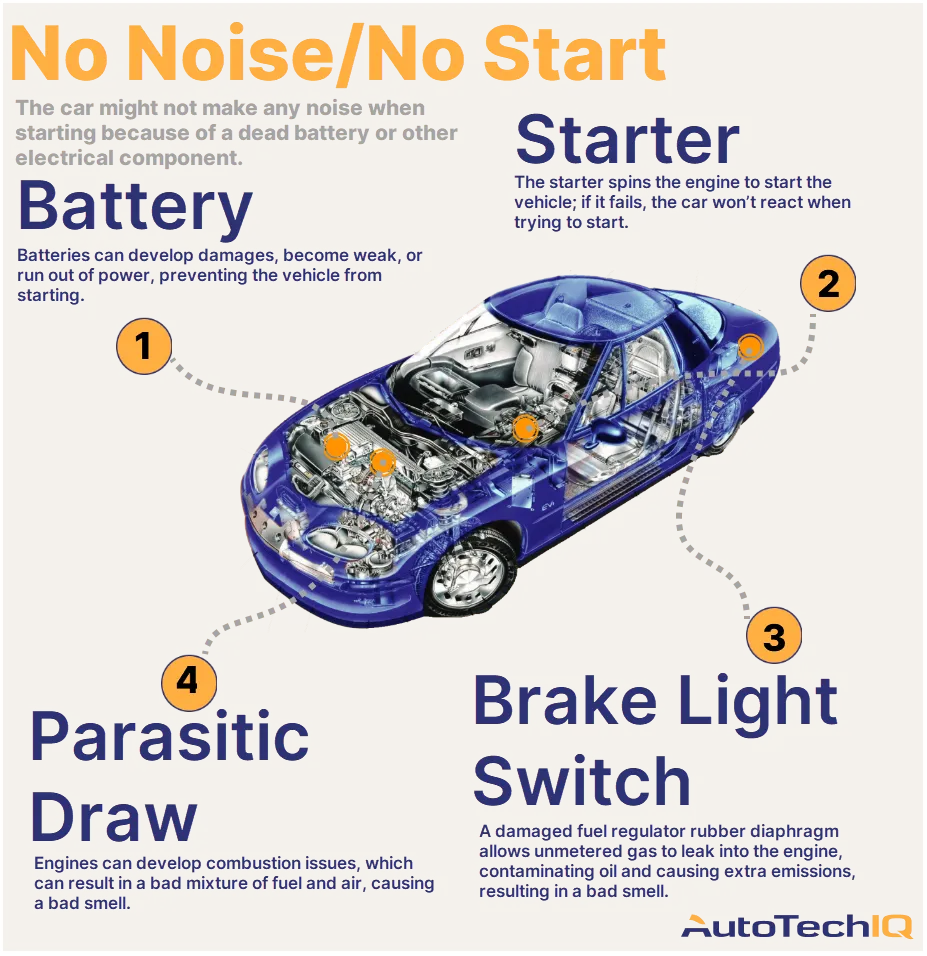
Credit: www.autotechiq.com
When Should You Call A Mechanic?
Some problems need expert help. Call a mechanic if:
- You see or smell a strong gas leak.
- The car won’t start after several tries.
- The smell is inside the cabin.
- You see smoke or suspect fire.
- The “Check Engine” light stays on.
Cost Of Repairs And What To Expect
Repair costs depend on the cause. Here are average prices in the US:
- Spark plug replacement: $50–$150
- Fuel injector repair: $150–$300
- Fuel line repair: $200–$500
- Sensor replacement: $100–$250
- Carburetor repair: $250–$600 (older cars)
Most fixes take a few hours. Leaks and sensor issues can be expensive, but catching problems early saves money.
Real-world Statistics
- Over 80% of “won’t start, smell gas” cases are caused by flooded engines or bad spark plugs.
- Less than 10% are due to serious fuel leaks.
- Most cars with regular maintenance never face this problem.
For more technical details, visit Wikipedia.
Frequently Asked Questions
Why Does My Car Smell Like Gas But Won’t Start?
This usually means excess fuel is entering the engine or leaking out. The most common causes are flooded engines, leaking injectors, or bad spark plugs.
Is It Dangerous If I Smell Gas And The Car Won’t Start?
Yes. Gasoline is flammable and harmful to breathe. If you smell gas, stop trying to start the car, ventilate the area, and check for leaks.
Can I Fix A Flooded Engine Myself?
Yes, sometimes. Wait 10–15 minutes, press the accelerator to the floor, and try to start. If it still doesn’t start, you may need new spark plugs or professional help.
What Should I Check First When I Smell Gas?
Look for visible leaks under the car, check spark plugs, and scan for engine codes if possible. If you find a leak, call a mechanic immediately.
How Do I Prevent This Problem In The Future?
Keep up with regular maintenance, use good fuel, check for leaks often, and don’t ignore warning lights. Avoid repeated failed starts.
If your car won’t start and you smell gas, don’t panic. Follow the steps above to diagnose, solve, and prevent the issue. Acting quickly keeps you safe and saves money.

Credit: www.wikihow.com