
If you drive a diesel vehicle, you may have seen the check engine light come on, often at the worst possible moment. For many diesel owners, this warning is often linked to the Diesel Particulate Filter (DPF). Understanding what this means, why it happens, and what you should do next can save you time, money, and stress. Let’s dive deep into what the check engine light means when it’s connected to your diesel DPF, and how you can handle these issues with confidence.
What Is A Diesel Particulate Filter (dpf)?
Diesel engines produce more soot and particles than gasoline engines. The Diesel Particulate Filter is a critical part in modern diesel vehicles. Its job is to trap and burn off these particles, helping your car meet emission standards and keeping the air cleaner.
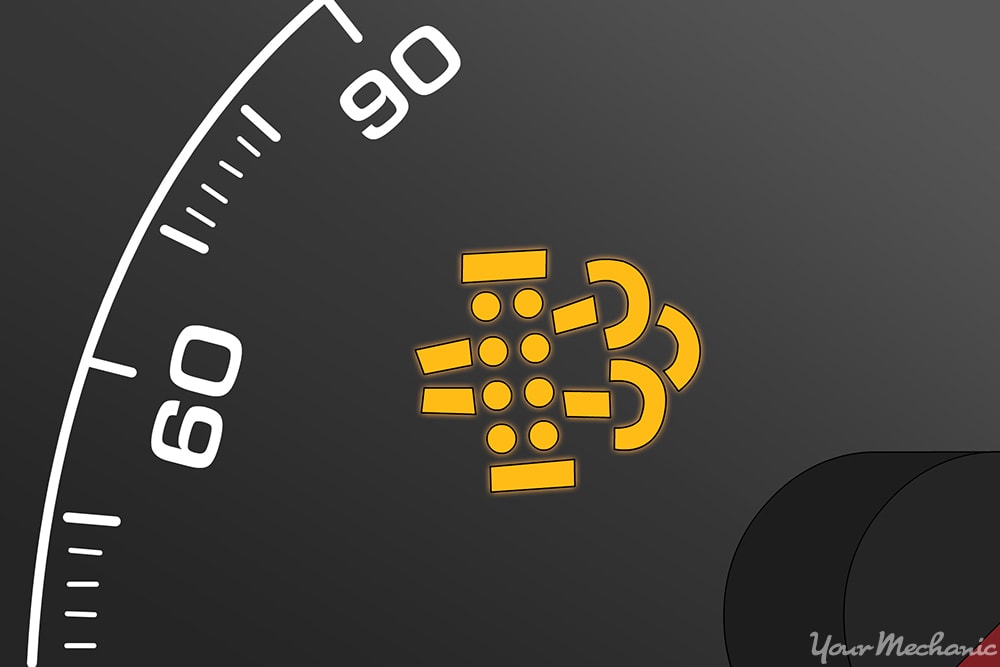
A DPF works by filtering exhaust gases. When soot builds up, the filter needs to clean itself—a process called regeneration. The filter can only work well if this regeneration happens regularly. If not, the filter can clog, and that’s when problems (and warning lights) start.
Why Does The Check Engine Light Come On With Dpf Issues?
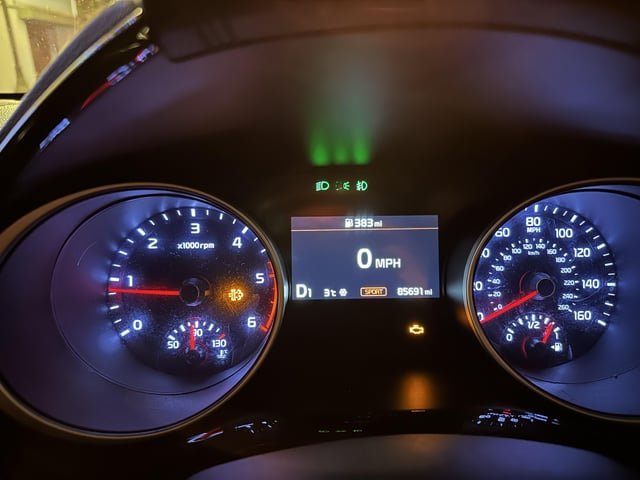
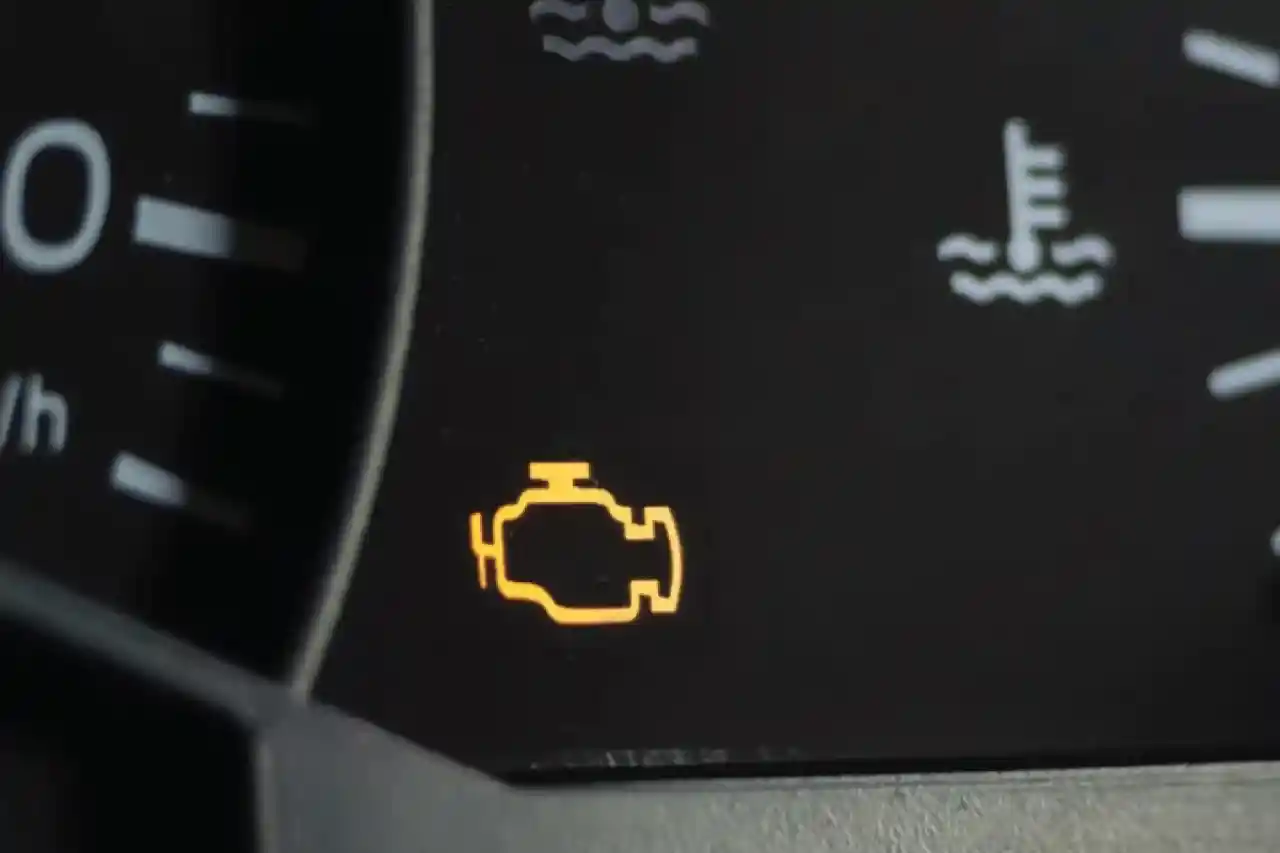
When the check engine light appears, it’s your vehicle’s way of telling you something is wrong. If it’s related to the DPF, it usually means:
- The filter is becoming clogged.
- The system failed to regenerate properly.
- There is a problem with sensors or other emission parts.
Let’s look at some of the most common reasons for this warning.
Common Dpf-related Triggers
- Incomplete Regeneration: If you mostly drive short distances, your exhaust doesn’t get hot enough for the DPF to clean itself. Over time, soot builds up.
- Sensor Failure: The DPF relies on sensors to measure pressure and temperature. If these sensors fail, the system can’t work as it should.
- Low-Quality Fuel: Using the wrong diesel can cause more soot, clogging the filter faster.
- Oil Contamination: Burning the wrong oil or using too much can cause extra particles in the exhaust.
- Faulty EGR Valve: The Exhaust Gas Recirculation valve can affect emissions. If it fails, more soot enters the DPF.
What Happens When The Dpf Is Blocked?
When a DPF clogs, your engine can’t “breathe” properly. This causes several problems:
- Reduced power: The engine may feel weak or slow to respond.
- Higher fuel use: The engine works harder, burning more diesel.
- Frequent regeneration attempts: Your car may try to regenerate more often, using extra fuel and sometimes failing.
If you ignore these signs, you risk damaging not just the DPF, but also your turbocharger, sensors, and even the engine itself.
How To Respond To A Check Engine Light: Step-by-step
Seeing the check engine light can be stressful. Here’s what you should do if you suspect it’s related to the DPF.
1. Don’t Ignore The Warning
Many drivers hope the light will go off by itself. That’s risky, especially with DPF problems. The longer you wait, the more likely the DPF will need costly repairs or replacement.
2. Read The Codes
A simple code reader (OBD-II scanner) can tell you if the problem is with the DPF. Many auto shops will read codes for free.
- P2002: DPF efficiency below threshold.
- P2459: DPF regeneration frequency too high.
- P2463: DPF soot accumulation too high.
If you see these, DPF is likely the issue.
3. Try A Manual Regeneration
Many diesel vehicles have a way to force regeneration. This usually means driving at highway speeds (over 40 mph/65 km/h) for 20-30 minutes. Keep the engine at higher RPMs (over 2,000). This heats the exhaust and helps burn off soot.
4. Visit A Mechanic If The Light Stays On
If the light stays on after a regeneration drive, you may need a professional. A mechanic can check for sensor issues, clean the DPF, or even replace it if needed.
5. Avoid Quick Fixes
Some shops offer DPF removal or “delete” services. This is illegal in many countries and can cause bigger problems later. Always fix the real issue.
Credit: www.reddit.com
How Dpf Regeneration Works
Understanding regeneration helps you prevent future DPF problems. There are three main types:
1. Passive Regeneration
This happens naturally when you drive at higher speeds for longer periods. The exhaust is hot enough to burn off soot.
2. Active Regeneration
If passive regeneration doesn’t happen, the car’s computer injects extra fuel to raise the exhaust temperature. You may notice the cooling fan running, higher idle, or a different smell.
3. Forced Regeneration
A mechanic uses special equipment to force a regeneration. This is only needed if other methods fail.
Real-world Example
A driver who mostly uses their diesel car for city trips may never get the exhaust hot enough for passive regeneration. After a few months, the DPF clogs, the check engine light comes on, and the car enters “limp mode” (reduced power).
Regular highway drives could have prevented this.
Symptoms That Suggest Dpf Problems
Besides the check engine light, watch for:
- Loss of power
- Poor fuel economy
- Increased engine noise
- Fans running after the engine is off
- Unusual smells from the exhaust
These signs often show up before the DPF is fully blocked.
How To Prevent Dpf Problems
The best way to avoid the check engine light is to keep your DPF working smoothly. Here are some practical tips:
- Drive at Highway Speeds Regularly: Long, steady drives let the DPF regenerate.
- Use Quality Diesel: Always fill up at reliable stations.
- Follow Service Schedules: Change oil and filters as the manufacturer suggests.
- Don’t Let the Fuel Run Too Low: Low fuel can stop regeneration to protect the system.
- Don’t Ignore Small Warnings: Fix issues early to avoid bigger problems later.
Two Insights Many Beginners Miss
- Short Trips Hurt DPF Health: Even a well-maintained car will develop DPF issues if only used for short, cold trips. Plan longer drives every few weeks.
- Wrong Engine Oil Can Block the DPF: Only use oil approved for your car. Some oils create more ash, which the DPF can’t burn off.
Comparing Dpf Issues With Other Diesel Engine Problems
To see how DPF trouble compares with other common diesel issues, look at this overview:
| Problem | Main Sign | Common Fix | Long-Term Risk |
|---|---|---|---|
| DPF Blockage | Check engine light, power loss | Regeneration, cleaning, or replacement | Engine damage, turbo failure |
| Injector Failure | Rough running, smoke | Injector replacement | Piston damage |
| EGR Valve Fault | Check engine light, smoke | Valve cleaning/replacement | Higher emissions, DPF clog |
Notice how DPF issues often cause or are caused by other diesel problems.
Credit: www.yourmechanic.com
Cost Of Fixing Dpf-related Check Engine Light
How much will it cost if you see the check engine light and it’s a DPF issue? It depends on the solution:
| Fix | Average Cost (USD) | Typical Time |
|---|---|---|
| Manual regeneration drive | $0 (just fuel) | 30-60 minutes |
| Mechanic forced regeneration | $100 – $300 | 1-2 hours |
| DPF cleaning (off-car) | $350 – $500 | 1-2 days (car off road) |
| DPF replacement | $1,500 – $4,000 | 1-2 days |
If you act early, you can often avoid the most expensive options.
What To Tell Your Mechanic
When you take your car to the shop, share as much information as possible:
- When did the light come on?
- Any changes in power, fuel use, or smoke?
- What kind of driving do you usually do?
- Any unusual smells or noises?
- Have you used any fuel or oil additives recently?
Detailed answers help the mechanic find and fix the problem faster.
Credit: www.busntruckchicago.com
The Role Of Emissions Laws
DPF systems exist because of strict emission laws in many countries. Removing or disabling the DPF is illegal in most places and can lead to fines or failing inspection. Some countries even check for DPFs during yearly tests. If you plan to sell your car, a missing DPF can lower its value and make it harder to sell.
For more on how DPFs help reduce pollution, see the official EPA Emissions Guide.
How Dpf Technology Is Evolving
Car makers know that DPF problems frustrate drivers. Newer cars use better sensors, smarter computers, and improved filter materials. Some systems even warn you when the DPF needs a regeneration drive. Electric heating elements, for example, help with regeneration even at low speeds.
As technology advances, DPFs are becoming more reliable, but regular maintenance and smart driving habits are still important.
Frequently Asked Questions
Why Does The Check Engine Light Come On With Dpf Problems?
The check engine light warns you when the DPF is blocked, the system can’t regenerate, or sensors fail. It’s a sign to check the system before bigger issues appear.
Can I Keep Driving With The Dpf Warning Light On?
It’s best not to. Driving for a short while is usually safe, but ignoring the light can lead to engine damage, higher repair costs, and even breakdowns.
How Often Does A Dpf Need To Be Cleaned Or Replaced?
With proper driving and maintenance, a DPF can last 100,000 miles (160,000 km) or more. If you do mostly short trips, it may clog much sooner. Cleaning may be needed every 50,000 miles in tough conditions.
Is It Legal To Remove Or “delete” My Dpf?
No. In most places, removing the DPF is illegal and can result in fines, failed inspections, or loss of warranty. Always fix the real cause of the problem.
Does Using Additives Help The Dpf?
Some diesel additives claim to help the DPF, but results vary. Only use products recommended by your car’s maker, as the wrong additives can cause more harm.
If you pay attention to the check engine light, understand your DPF, and act early, you can keep your diesel running strong and avoid costly problems. Regular highway drives, good maintenance, and quality fuel are your best tools for a healthy diesel engine.