
Many car owners wonder how often their vehicle really needs a tune up. Some people think it is something to do every year, while others believe modern cars do not need it at all. The truth sits somewhere in the middle. Regular tune ups keep your car running smoothly, save fuel, and prevent expensive repairs. But the right schedule depends on your car’s age, how much you drive, and the type of engine under the hood.
This guide will help you understand what a tune up involves, why it matters, and how to know when your car really needs one. You will also see practical tips, common mistakes, and real-life examples so you can make the best decision for your vehicle.
What Is A Car Tune Up?
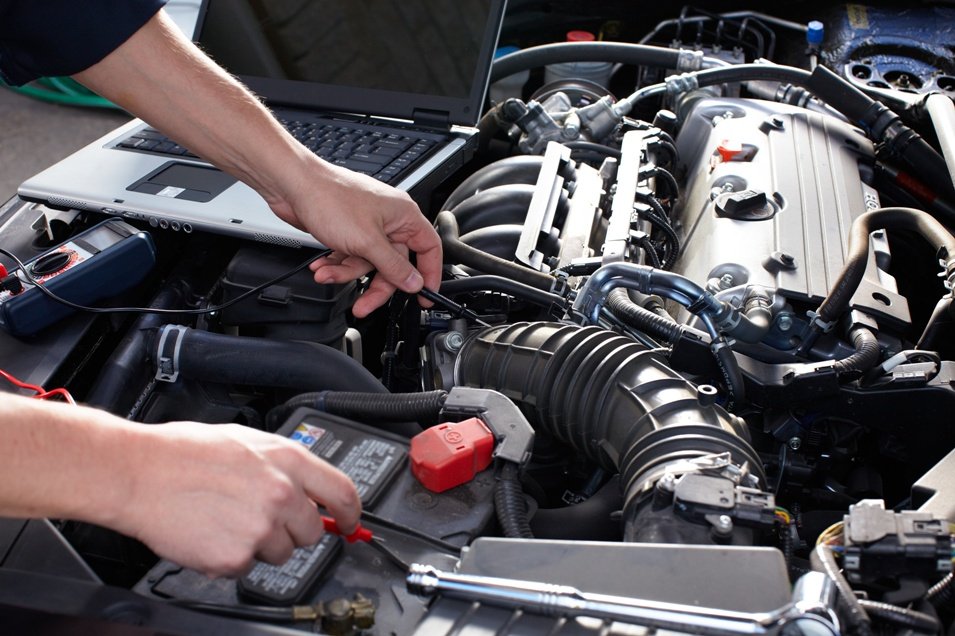
A car tune up is a set of maintenance tasks for your engine and related systems. In older cars, this meant changing spark plugs, adjusting the carburetor, and replacing wires. Modern cars use computers and fuel injection, so the process is a bit different now.
A typical tune up for today’s cars may include:
- Replacing spark plugs
- Inspecting or changing air and fuel filters
- Checking ignition coils and wires
- Inspecting the PCV valve
- Cleaning the throttle body
- Testing the battery and charging system
- Checking the timing belt or chain
The goal is always the same: to keep your engine working at its best and prevent small issues from becoming big problems.
Why Do Cars Need Tune Ups?
Even the most reliable cars have parts that wear out or get dirty. Over time, spark plugs can become fouled, filters get clogged, and electronic sensors start to fail. If you skip regular tune ups, your car may:
- Use more fuel
- Lose power
- Start poorly or run rough
- Fail emissions tests
- Break down unexpectedly
A well-tuned engine gives you better performance, lower emissions, and can even help your car last longer. Plus, many mechanics catch other problems during a tune up, such as leaking hoses or worn belts. Fixing these early can save you money and stress later.
How Often Should You Get A Tune Up?
There is no one-size-fits-all answer. The right interval depends on your car’s make, model, year, and how you drive. However, you can use some general rules:
| Vehicle Age/Type | Recommended Tune Up Interval |
|---|---|
| Older cars (before 1996, carbureted) | Every 12,000 to 20,000 miles or once a year |
| Modern cars (1996+, fuel injected) | Every 30,000 to 100,000 miles (check owner’s manual) |
| High-performance or turbocharged | Every 20,000 to 40,000 miles |
- Check your owner’s manual. This is the best source for your car’s schedule.
- If you drive in harsh conditions (very hot, dusty, or lots of short trips), you may need tune ups more often.
- Pay attention to warning signs, not just mileage.
Signs Your Car Needs A Tune Up
You do not always have to wait for a scheduled interval. Your car may show signs it needs attention sooner. Watch for these warning signals:
- Engine misfires or runs rough – You feel the engine hesitate or shake, especially at idle.
- Poor fuel economy – You notice you are filling up the gas tank more often.
- Hard starting – The car takes longer to start, or needs several tries.
- Loss of power – The car feels sluggish, especially when going uphill.
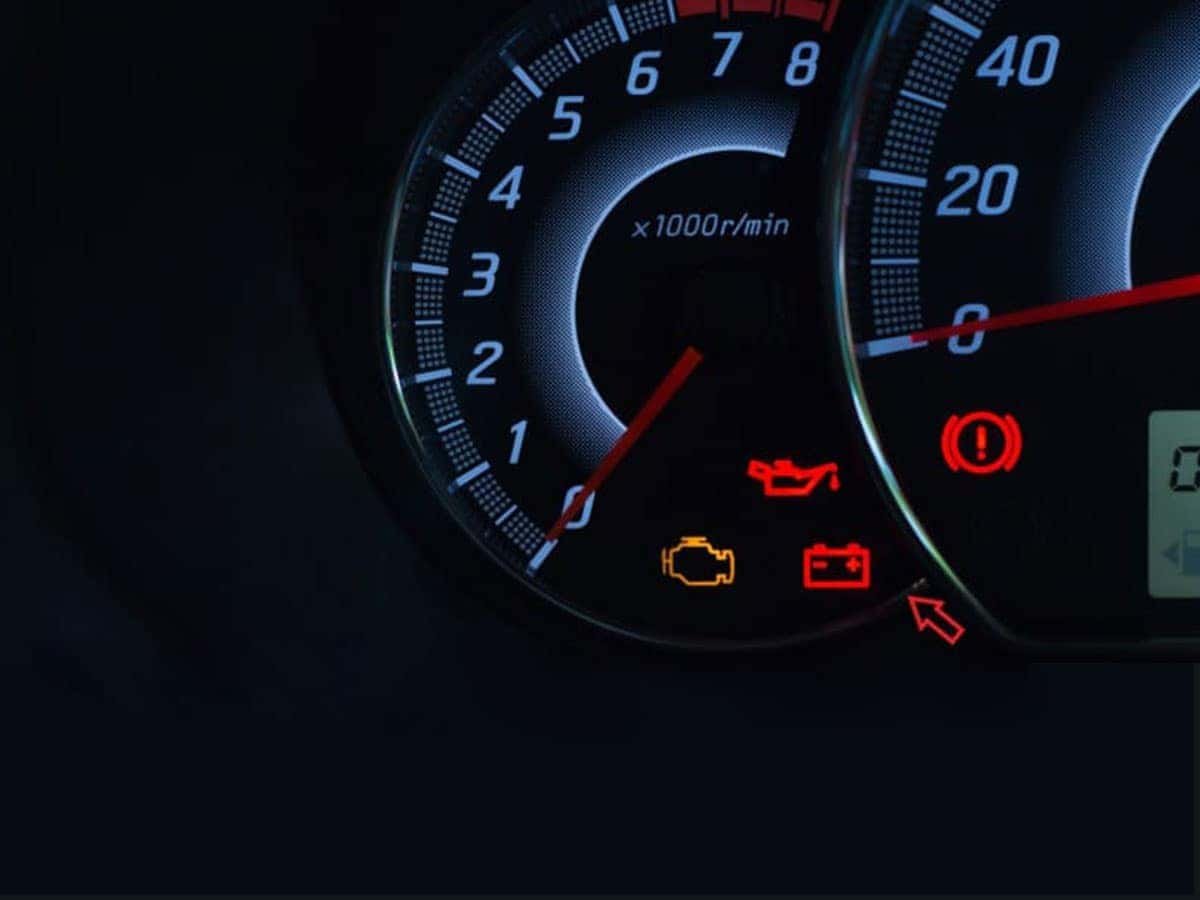
- Warning lights – The check engine light or other dashboard warnings appear.
- Unusual noises – Tapping, knocking, or backfiring sounds from the engine.
- Failed emissions test – The car does not pass a government smog check.
Ignoring these signs can lead to bigger and more expensive repairs. For example, a simple spark plug issue can damage your catalytic converter if left untreated.
What Happens During A Tune Up?
A mechanic will check several systems and replace or clean key parts. Here’s what usually happens during a modern tune up:
| Part/Task | What Happens | Why It Matters |
|---|---|---|
| Spark Plugs | Replace if worn | Ensures smooth ignition and better fuel use |
| Air Filter | Replace or clean | Improves airflow, keeps engine clean |
| Fuel Filter | Replace if dirty | Prevents clogs, protects injectors |
| PCV Valve | Inspect or replace | Reduces engine sludge and emissions |
| Throttle Body | Clean carbon build-up | Helps smooth idling and acceleration |
| Ignition System | Test coils and wires | Prevents misfires, ensures strong spark |
| Battery/Charging | Test and inspect | Ensures reliable starting |
Some cars may also need timing adjustments, new belts, or fuel injector cleaning. The exact steps depend on your car’s design and age.
How Modern Cars Changed The Tune Up
Today’s cars are much more reliable than older models. Thanks to computers and fuel injection, many parts last longer. For example, platinum or iridium spark plugs can last up to 100,000 miles. The engine computer adjusts air and fuel automatically, so there are fewer manual adjustments.
But this does not mean tune ups are obsolete. Modern cars still need regular checks, just less often. Some sensors and electronic parts can fail without warning, and a tune up is a good time to catch these issues early.
Non-obvious Insight: The “check Engine” Light
Many people ignore the check engine light, thinking it is not urgent. In fact, this light often comes on for minor issues—like a loose gas cap or a dirty sensor—that can be fixed quickly during a tune up. If you ignore it, the engine may run poorly and cause bigger problems.
Non-obvious Insight: Software Updates
Modern cars sometimes need software updates for the engine control unit (ECU). These updates can improve performance, fix bugs, or boost fuel efficiency. Ask your mechanic if there are any updates available during your next tune up.
Credit: www.elkrivertireandauto.com
Tune Up Costs: What To Expect
The price of a tune up varies by car type, location, and what needs to be done. Here’s a rough comparison:
| Type of Vehicle | Typical Tune Up Cost (USD) | Notes |
|---|---|---|
| Basic (older car, 4-cyl) | $50 – $150 | Spark plugs, basic checks |
| Modern car (6 or 8-cyl) | $200 – $500 | More plugs, extra parts |
| Luxury, turbo, or performance | $400 – $800+ | Special parts, more labor |
Labor is a big part of the cost. Some spark plugs are hard to reach and take more time to replace. Always ask for an estimate before agreeing to service.
Diy Vs. Professional Tune Ups
If you enjoy working on cars, you might be able to do some tune up tasks yourself. Replacing spark plugs or the air filter is straightforward on many vehicles. However, modern cars require special tools and knowledge, especially for electronic parts.
You should visit a professional if:
- Your car is still under warranty
- The check engine light is on
- You are not comfortable working with electronics
- Special tools are needed
Professionals have diagnostic computers that can quickly find hidden problems. They also know about recalls and software updates, which DIY mechanics may miss.

Credit: motorhauspalmbeach.com
Common Mistakes To Avoid
Many car owners make these errors when thinking about tune ups:
- Ignoring the owner’s manual – Every car is different. Do not trust generic advice.
- Waiting for a problem – By the time you notice poor performance, damage may have begun.
- Thinking tune ups are not needed – Even the newest cars need regular checks.
- Using cheap parts – Low-quality spark plugs or filters can hurt performance and reduce engine life.
- Skipping the tune up because of cost – Small maintenance bills are always cheaper than major repairs.
How Driving Habits Affect Tune Up Needs
Your driving style and environment play a big role in how often you need a tune up.
- Short trips: Engines do not get hot enough to burn off deposits, so they need more frequent attention.
- Stop-and-go traffic: More idling and shifting can wear parts faster.
- Dusty or hot climates: Air filters and other parts clog or break down quicker.
If you drive gently and take longer trips, you might stretch intervals a bit. If you are hard on your car, stay on the safe side.
Are Tune Ups Different For Hybrids Or Electric Cars?
Hybrid vehicles still need regular tune ups, but some parts last longer. For example, brake pads often wear slower because of regenerative braking. You still need to check spark plugs, filters, and the cooling system.
Electric cars have fewer moving parts. They do not need spark plugs or oil changes, but they do need coolant checks, brake service, and software updates. Always follow the schedule in your car’s manual for best results.
Real-world Example
Consider a 2016 Honda Civic. The owner’s manual recommends replacing spark plugs every 100,000 miles. However, if the car is mostly used in city traffic, the mechanic may suggest checking them at 60,000 miles. If the car starts to misfire or the check engine light comes on before that, it is wise to get a tune up early. Following these rules can help your Honda last well over 200,000 miles with few problems.
When Is A Tune Up Not Enough?
Sometimes, a tune up will not fix deeper problems. If your car has major engine trouble, such as low compression or a blown head gasket, a tune up is just a temporary solution. In these cases, a full diagnosis and repair are needed.
If you keep getting the same warning lights or poor performance after a tune up, ask your mechanic to look for bigger issues. Do not settle for repeated minor fixes.
How To Find A Good Mechanic For A Tune Up
A quality tune up is only as good as the person doing it. Here’s how to find someone you can trust:
- Look for certified professionals (like ASE certified in the US)
- Read online reviews
- Ask friends or coworkers for recommendations
- Get a written estimate and a clear list of what will be checked
A good mechanic will also explain what they found and answer your questions clearly.
Credit: www.performancehondastore.com
Useful Resources
For more about vehicle maintenance schedules, the U.S. Department of Energy offers reliable information: U.S. Department of Energy Vehicle Maintenance Guide.
Frequently Asked Questions
How Do I Know If My Car Needs A Tune Up?
Watch for signs such as rough idling, poor acceleration, decreased fuel economy, or the check engine light. Even if you do not notice problems, follow your owner’s manual schedule.
Can Skipping A Tune Up Damage My Car?
Yes, ignoring tune ups can lead to bigger issues. Bad spark plugs or dirty filters can cause engine misfires, damage sensors, or hurt the catalytic converter.
Are Tune Ups Needed For New Cars?
Modern cars need fewer tune ups, but still require regular checks. Some parts, like spark plugs, last up to 100,000 miles. Always follow your car’s manual.
How Long Does A Typical Tune Up Take?
Most tune ups take 1 to 3 hours depending on the car and which parts are being replaced. Some luxury or high-performance vehicles may take longer.
What Is Included In A Tune Up For My Car?
Usually, a tune up includes new spark plugs, air and fuel filter checks, battery testing, and inspections of the ignition and emission systems. The exact list depends on your car’s age and technology.
Regular tune ups are a smart way to protect your investment and enjoy smooth driving. With a little attention and the right schedule, your car can stay reliable for many years.