
Timing Belt vs Timing Chain: What Every Car Owner Should Know
When you look under the hood of a car, you’ll find many parts working together to keep the engine running smoothly. Two of the most important—but often misunderstood—are the timing belt and the timing chain. Both do the same basic job: they keep your engine’s valves and pistons moving in perfect time. But the way they work, how long they last, and how much they cost to maintain are very different. If you want to make smart choices about car care or when buying a new vehicle, understanding these differences is key.
Let’s explore everything you need to know about timing belts and timing chains, from how they work to the real-world pros and cons. By the end, you’ll know which is better for your needs and how to avoid costly engine damage.
What Is A Timing Belt?
A timing belt is a strong, flexible belt made from rubber and reinforced with fibers such as fiberglass or Kevlar. It sits inside your engine, often covered for protection. The main job of the timing belt is to connect the crankshaft (which moves the pistons) to the camshaft (which opens and closes the engine’s valves). This keeps the engine’s parts moving in the right order.
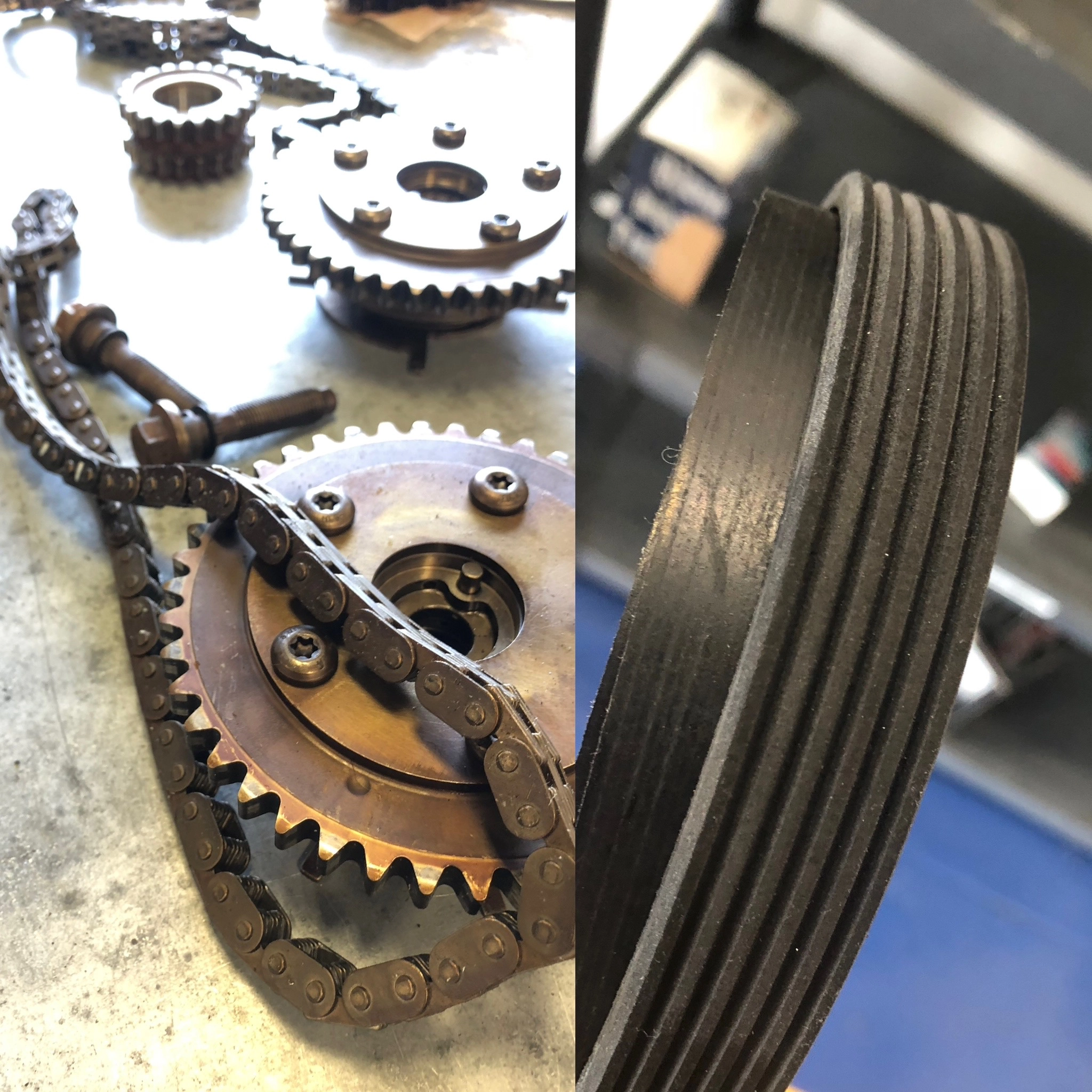
Timing belts have teeth on their inner side, which fit into grooves on the gears. This design prevents slipping and keeps everything in perfect sync.
Key Features Of Timing Belts
- Material: Rubber with high-strength fibers.
- Teeth: Designed for precise grip.
- Location: Usually covered to protect from dirt and oil.
How Long Do Timing Belts Last?
Most timing belts last 60,000 to 100,000 miles (about 96,000 to 160,000 kilometers), depending on the car model and driving conditions. However, they should always be replaced on schedule—even if they look fine. A broken timing belt can cause serious engine damage.
Common Uses
Timing belts are found in many modern gasoline engines, especially in smaller or mid-sized cars. They are quieter than chains and usually cost less to make.
What Is A Timing Chain?
A timing chain does the same job as a belt but is made from metal—usually hardened steel. It looks like a bicycle chain and is built to last much longer than a rubber belt. Timing chains also connect the crankshaft to the camshaft, keeping the engine in sync.
Key Features Of Timing Chains
- Material: Steel or other metals.
- Design: Chain links for strength and flexibility.
- Location: Runs inside the engine, lubricated by engine oil.
How Long Do Timing Chains Last?
Timing chains are often called “lifetime” parts. In many cars, they last for the life of the engine—150,000 to 300,000 miles (240,000 to 480,000 kilometers) or more. However, they still need oil to stay in good shape, and poor maintenance can shorten their lifespan.
Common Uses
Timing chains are more common in trucks, SUVs, and high-performance cars. They handle more stress and are better for engines that work hard or last a long time.
How Timing Belts And Timing Chains Work
Both timing belts and timing chains keep your engine’s moving parts in perfect timing. If the timing is off, the pistons can hit the valves, causing expensive damage.
- Belt: Moves smoothly over gears, using teeth to keep the engine in sync.
- Chain: Uses metal links and gears, running in oil for low friction and long life.
If the belt or chain breaks, the engine may stop running instantly, and serious internal damage can occur—especially in interference engines, where valves and pistons can collide.
Comparison: Timing Belt Vs Timing Chain
It’s easier to see the main differences by comparing the two side by side.
| Feature | Timing Belt | Timing Chain |
|---|---|---|
| Material | Rubber + fibers | Steel/metal |
| Typical Lifespan | 60,000–100,000 miles | 150,000–300,000+ miles |
| Noise | Quiet | Can be noisy |
| Cost to Replace | Lower | Higher |
| Maintenance | Must replace on schedule | Usually no scheduled replacement |
| Engine Type | Common in smaller engines | Common in larger or performance engines |
Pros And Cons: Timing Belt
Advantages
1. Quieter Operation
Timing belts run very quietly, which makes for a smoother, more comfortable ride.
2. Lower Replacement Cost
Replacing a timing belt usually costs less than a timing chain.
3. Lighter Weight
A belt weighs less, which can help with fuel efficiency.
Disadvantages
1. Shorter Lifespan
Timing belts wear out faster and need replacing every 5–7 years or so.
2. Sensitive To Heat And Oil
Rubber can degrade if exposed to high heat or leaking engine oil.
3. Sudden Failure Risk
A broken belt can cause instant engine failure with no warning signs.
Pros And Cons: Timing Chain
Advantages
1. Very Long Lifespan
Most timing chains last as long as the engine itself.
2. Stronger And More Durable
Made from metal, timing chains handle stress and heat better.
3. Less Frequent Maintenance
No regular replacement is needed if the oil is changed on time.
Disadvantages
1. Higher Replacement Cost
If a timing chain fails, replacement is expensive and labor-intensive.
2. Noisier Operation
Chains can make more noise, especially as they age.
3. Possible Stretching Over Time
Chains can stretch, which affects timing and may require early replacement.

Credit: everestkitchennc.com
Real-world Examples
Some popular cars with timing belts include the Honda Civic (older models), Toyota Camry (older models), and Volkswagen Golf. Many newer cars now use chains, but some still use belts for cost savings.
For timing chains, examples include the BMW 3 Series, Ford F-150, and most modern Mercedes-Benz models. These vehicles benefit from chains because their engines are built for long life and higher power.
Maintenance And Replacement Costs
Timing Belt Replacement
Replacing a timing belt usually costs $300 to $800 USD, depending on your vehicle. The process can take several hours because the mechanic often needs to remove many engine parts. It’s also common to replace the water pump and other components at the same time, since they are hard to reach.
Timing Chain Replacement
Timing chain replacement is rare but can be very expensive—$1,000 to $2,500 USD or more. The reason? Chains are buried deep inside the engine, and reaching them takes a lot of labor. In some cases, engine damage from a failed chain can cost even more.
Maintenance Tips
- Change your engine oil regularly. Clean oil is critical for timing chains, as it keeps them lubricated and prevents wear.
- Listen for unusual noises. If you hear rattling or ticking from the engine, get it checked. This can be a warning sign that the timing chain or belt is failing.
- Follow your car’s service schedule. Never ignore the timing belt replacement interval. Waiting too long can destroy your engine.
Common Myths And Misconceptions
Myth 1: Timing chains never fail.
While chains are very durable, they can fail if oil changes are skipped or if the chain tensioner wears out.
Myth 2: Timing belts always show signs before breaking.
In reality, belts often break without warning. Visual checks are not always reliable.
Myth 3: All cars use the same system.
Some car makers switch between belts and chains even within the same model line. Always check your owner’s manual.
How To Know What Your Car Has
If you’re not sure whether your car has a timing belt or chain, here’s how you can find out:
- Check the owner’s manual.
- Look online for your car’s make, model, and year.
- Ask a mechanic or dealership.
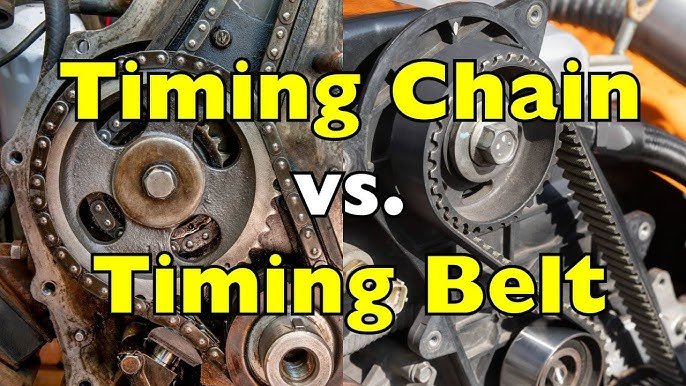
- Check under the hood—but only if you know what to look for. Belts are usually covered, while chains are hidden inside the engine.
Credit: www.youtube.com
Is One Better Than The Other?
The answer depends on your needs:
- If you want less maintenance and plan to keep your car for many years, a timing chain is often better.
- If you prefer lower repair costs and don’t mind scheduled replacements, a timing belt is fine.
- For buyers of used cars, always check if the timing belt has been replaced recently. If not, budget for this cost.
Environmental And Efficiency Factors
Timing belts are lighter, which can help with fuel efficiency and reduce emissions slightly. However, the difference is small for most drivers. Chains are recyclable but need more metal to produce.
Some newer engines use timing gears or hybrid systems, trying to combine the best of both worlds, but belts and chains remain the most common.
What Happens If You Ignore Timing Maintenance?
Ignoring timing belt replacement is one of the most expensive mistakes car owners can make. If a belt breaks while driving, it can cause catastrophic engine damage. In interference engines, this often means bent valves, damaged pistons, and sometimes a destroyed cylinder head.
Timing chain failure is less common but can be just as damaging. Worn chains can skip teeth or jump timing, leading to poor engine performance or complete failure.
Here is an overview of potential engine damage from timing failure:
| Type of Failure | Possible Engine Damage | Repair Cost Range |
|---|---|---|
| Belt Break (Interference) | Bent valves, piston damage | $1,500 – $4,000 |
| Belt Break (Non-interference) | Engine stops, no damage | $500 – $1,000 |
| Chain Jump/Break | Valve, piston, or cylinder head damage | $2,000 – $5,000 |
Non-obvious Insights Most Beginners Miss
- Water pumps are often linked to timing belts. Many engines run the water pump off the timing belt. If the pump fails, it can cause the belt to break. That’s why mechanics recommend changing both at the same time.
- Engine oil quality matters for chains. Using cheap or dirty oil can speed up timing chain wear, even if you change it often. High-quality oil extends the life of the chain and tensioners.
Which Is Right For You?
When choosing between a car with a timing belt or chain, consider:
- How long you plan to keep the car
- Your budget for maintenance and repairs
- The type of driving you do (city, highway, heavy loads)
- How often you check and change engine oil
If you value peace of mind and don’t want to worry about big surprise bills, a timing chain might be better. But if lower up-front costs and quieter performance are more important, a timing belt is a good option—just don’t skip the maintenance.
For more detailed technical information, you can check the Wikipedia entry on timing belts.
Frequently Asked Questions
What Happens If A Timing Belt Or Chain Breaks?
If a timing belt or timing chain breaks, your engine may stop running instantly. In some engines, this can cause severe damage, like bent valves or broken pistons. The repairs can be very expensive.
How Do I Know When To Change My Timing Belt?
Always follow your car’s service schedule. Most timing belts should be changed between 60,000 and 100,000 miles. Never wait for symptoms, as belts often fail without warning.
Can I Change A Timing Belt Or Chain Myself?
While it’s possible for skilled DIYers, changing a timing belt or chain is complex and requires special tools. Most people should trust this job to a professional mechanic.
Are Timing Chains Really Maintenance-free?
Timing chains do not need regular replacement, but they do need clean, high-quality engine oil. Skipping oil changes or using poor oil can cause chains to wear out early.
Do All Modern Cars Have Timing Chains Now?
No, not all. While more new cars use timing chains, many still use timing belts, especially in smaller and more affordable models. Always check your car’s manual to be sure.
A little knowledge about timing belts and chains can save you thousands of dollars and keep your engine running smoothly for years. When in doubt, always ask a trusted mechanic for advice.
Credit: ferberstireandauto.com