
Changing your brake fluid might not be the first thing you think of when maintaining your car, but it’s far more important than many drivers realize. Brakes are your vehicle’s most critical safety feature, and their performance depends heavily on the condition of the brake fluid. Neglecting brake fluid can lead to weak braking, expensive repairs, and even accidents. Still, many car owners aren’t sure when it’s time to change it, or even why it matters. This guide explains everything you need to know about brake fluid changes, so you can drive safely and avoid common mistakes.
Why Brake Fluid Matters
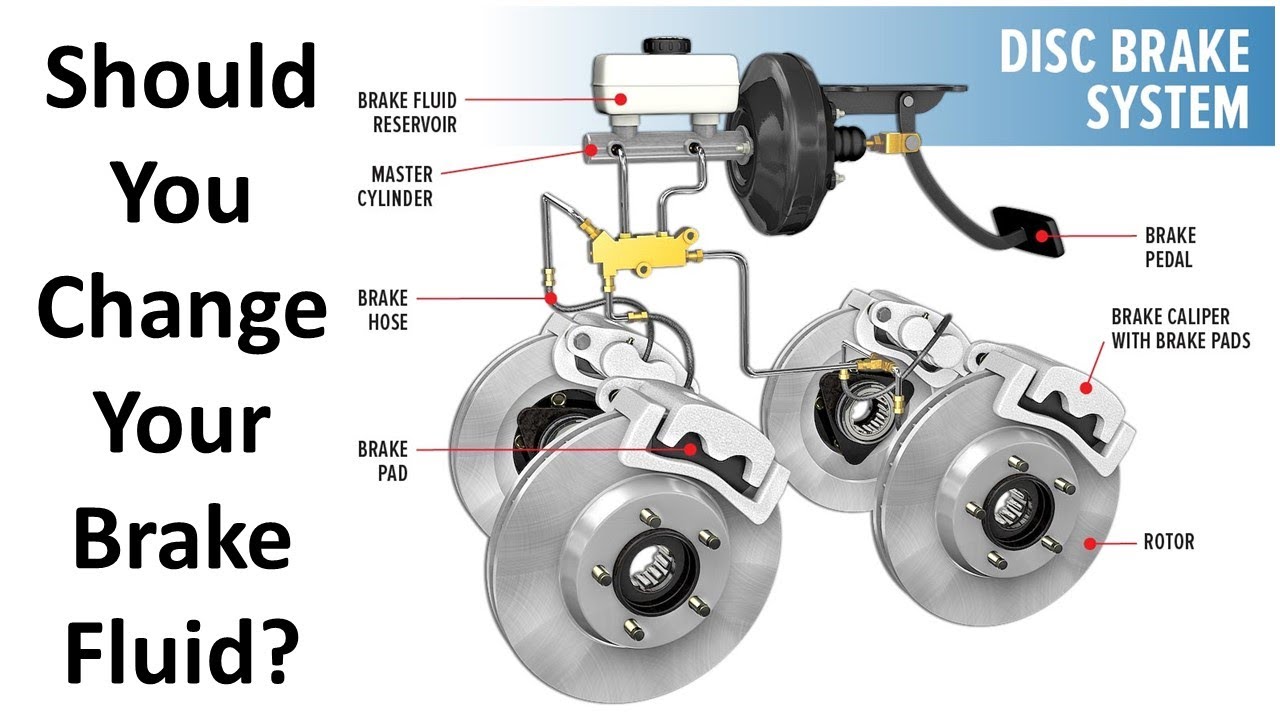
Brake fluid is a hydraulic fluid. When you press the brake pedal, it carries force from your foot to the brakes at each wheel. This system only works if the fluid is clean and in good condition. Over time, brake fluid absorbs moisture from the air, which lowers its boiling point and makes it less effective. Old or contaminated fluid can cause your brakes to feel soft, take longer to stop, or fail completely in extreme cases.
Many drivers think brake fluid lasts forever, but that’s not true. Even if your car feels fine, the fluid may already be losing its effectiveness. That’s why understanding when to change brake fluid is so important.
Manufacturer Recommendations
The best starting point is always your vehicle’s owner’s manual. Most manufacturers give a recommended interval for brake fluid changes. This can vary widely:
- Some suggest every 2 years
- Others recommend every 30,000 to 45,000 miles
- A few say only when there is a problem
For example, Honda and Volkswagen usually recommend every two to three years, while Toyota sometimes does not give a fixed interval. These differences depend on the type of brake system, fluid type, and driving conditions.
It’s easy to check your manual or look up your car’s schedule online. If you can’t find the information, most mechanics will recommend a change every two years as a safe rule.
Signs Your Brake Fluid Needs Changing
Besides following the schedule, your car may show signs that the brake fluid is going bad. Look for these warnings:
- Soft or spongy brake pedal – If the pedal feels different, it can mean air or water in the fluid.
- Longer stopping distance – If your car takes more time to stop, the fluid may not be working well.
- Brake warning light – Some cars have a dashboard light for the brake system.
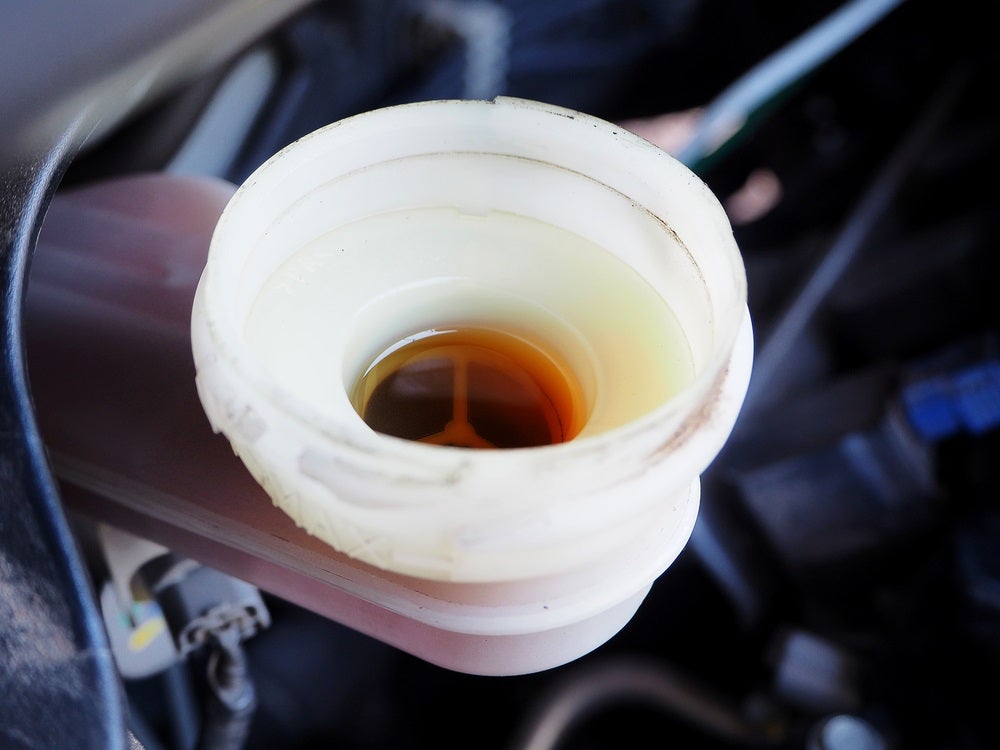
- Dirty or dark fluid – Fresh fluid is clear or light yellow. If it’s brown or black, it’s time to change.
- Burning smell after hard braking – This can be caused by overheated, old fluid.
Ignoring these signs can lead to expensive repairs. For example, water in brake fluid can cause rust inside the system, damaging expensive parts like the master cylinder or calipers.
How Often Should You Change Brake Fluid?
There is no single answer that fits every car, but most experts agree on some general guidelines:
- Every 2 years or 24,000 miles for most vehicles
- Every year if you live in a humid area or drive in mountains
- Every 1-2 years for performance or sports cars
Some European brands, like BMW and Mercedes-Benz, are more sensitive to old fluid and may require changes more often.
Here’s a quick comparison for several popular car brands:
| Brand | Recommended Interval |
|---|---|
| Honda | 2-3 years |
| Toyota | Check, usually 2-3 years |
| BMW | 2 years |
| Ford | 2 years or 30,000 miles |
| Volkswagen | 2 years |
Many people are surprised to learn that brake fluid absorbs water even if you don’t drive much. So, changing based on time (not just miles) is important.

Credit: pca.org
What Affects Brake Fluid Life?
Not all cars or drivers are the same. Several factors can make your brake fluid wear out faster or slower:
- Climate – Humid weather lets more water enter the fluid. If you live near the coast or in a wet area, change it more often.
- Driving style – Heavy braking, towing, or mountain driving heats up the fluid and shortens its life.
- Fluid type – DOT 3, DOT 4, and DOT 5.1 fluids absorb water, but DOT 5 (silicone) does not.
- Car age – Older vehicles may have worn seals and let in more moisture.
- Brake system design – ABS and stability systems can be more sensitive to dirty fluid.
Here’s a simple table to compare fluid types and their moisture absorption:
| Fluid Type | Boiling Point (New) | Water Absorption | Common Use |
|---|---|---|---|
| DOT 3 | 205°C (401°F) | Absorbs water | Most cars |
| DOT 4 | 230°C (446°F) | Absorbs water | Modern cars, performance |
| DOT 5 | 260°C (500°F) | Does NOT absorb water | Classic cars, military |
| DOT 5.1 | 260°C (500°F) | Absorbs water | High performance, ABS |
A common mistake is mixing fluid types. For example, DOT 5 should never be mixed with DOT 3 or DOT 4.
How Mechanics Check Brake Fluid
Mechanics use different ways to see if your brake fluid needs changing:
- Visual check: Fresh fluid is clear or light yellow. If it’s dark, it’s old.
- Moisture test: Special tools measure water content. Over 2% means it’s time to change.
- Boiling point test: Some shops can check how easily your fluid boils.
If you want to check yourself, look for the brake fluid reservoir under the hood. Make sure the level is between the “min” and “max” lines. If it’s dirty or low, have it checked professionally.
Credit: www.youtube.com
Risks Of Skipping Brake Fluid Changes
Some drivers skip brake fluid changes because “the brakes still work.” That’s a risky habit. Here’s why:
- Corrosion: Water in the fluid rusts parts inside the system, leading to leaks and expensive repairs.
- Brake fade: Old fluid boils at lower temperatures, causing a soft pedal and longer stops.
- ABS failure: Dirty fluid can clog the tiny valves in anti-lock systems, making them stop working.
- Complete brake failure: In rare cases, brakes can fail entirely, especially after hard use.
Repairs caused by neglected fluid can be very expensive. A new ABS pump, for example, can cost over $1,000.
How A Brake Fluid Change Works
A brake fluid flush is not just topping up the reservoir. It involves removing old fluid from the whole system and replacing it with fresh fluid. Here’s what the process usually looks like:
- The mechanic opens the bleed valves on each brake.
- Old fluid is pumped out, and new fluid is added.
- The process continues until clean fluid flows from every brake.
- The system is checked for leaks and air bubbles.
Most shops take about an hour and charge between $70 and $150. For people who do their own car repairs, it’s possible to do at home, but mistakes can be dangerous.
Do-it-yourself Vs. Professional Service
Changing your own brake fluid can save money, but it requires care:
- Use the correct fluid type for your car.
- Do not let air enter the system, or you’ll need to bleed the brakes.
- Wear gloves and eye protection—brake fluid is toxic and can damage paint.
For most drivers, having a professional handle it is safer. They have the right tools and know how to check for leaks or other issues.
Cost Of Changing Brake Fluid
The price can vary depending on where you live, your car type, and the shop you choose. Here’s a rough guide:
| Service Provider | Cost Range | Service Time |
|---|---|---|
| Dealership | $100 – $150 | 1 hour |
| Independent mechanic | $70 – $120 | 1 hour |
| DIY (with tools) | $15 – $40 (fluid only) | 2-3 hours |
Remember, the small cost of regular changes is much less than the price of new brake parts or an accident.
Common Myths About Brake Fluid
Many drivers have heard myths about brake fluid. Let’s clear up a few:
- “Brake fluid lasts forever.” False. It absorbs water over time.
- “If the brakes feel fine, the fluid is fine.” Not always true. Problems can be hidden until it’s too late.
- “Topping up is enough.” No, old fluid needs to be replaced, not just refilled.
- “All brake fluids are the same.” They are not. Always use the type recommended for your car.
A non-obvious tip: If you buy a used car, change the brake fluid unless you can prove it was done recently. You don’t know the last time it was replaced.
Practical Tips For Owners
- Mark your calendar for your next brake fluid change, just like oil changes.
- Ask your mechanic to check fluid condition at every service.
- If you drive in wet or hilly areas, change brake fluid more often.
- Check your brake fluid reservoir monthly for color and level.
- Keep a record of every brake fluid service.
A smart move is to get your brake fluid changed before long road trips or if you plan to tow heavy loads.
Credit: www.cloningertoyota.com
Frequently Asked Questions
How Can I Tell If My Brake Fluid Is Bad?
Look at the color in the reservoir. Dark brown or black fluid means it is old. A soft brake pedal or longer stopping distance are also warning signs.
Can I Top Up Brake Fluid Myself?
Yes, but only with the correct type. If the level keeps dropping, there may be a leak. Topping up does not replace old fluid.
Does Brake Fluid Go Bad If I Don’t Drive Much?
Yes. Moisture can enter the system even if the car is parked. Change fluid by time, not just miles.
Is It Safe To Mix Different Brake Fluid Types?
No. Mixing, for example, DOT 3 with DOT 5 can damage your system. Always use what your manual recommends.
Where Can I Learn More About Brake Fluid And Car Maintenance?
A good resource is the Wikipedia Brake Fluid page for in-depth technical details.
Keeping your brake fluid fresh is a simple way to protect yourself, your car, and your wallet. Don’t wait until you feel a problem—routine changes are one of the best ways to stay safe on the road.