
Keeping your car in good shape does not need to be hard. Most major repairs start with small problems that were ignored for too long. A simple routine can help you avoid breakdowns, save money, and drive with more confidence.
This Basic Car Maintenance Checklist is designed for everyday drivers who want clear steps, not confusing car talk. You do not need special skills to follow most of it. You only need a little time, a few tools, and the habit of checking things before they become expensive problems.
When you stay ahead of routine care, your vehicle usually lasts longer, runs better, and uses fuel more efficiently. You also reduce the chance of surprise issues on the road. The goal is simple: keep your car safe, smooth, and ready for daily use.
Start With the Most Important Routine Checks
The best way to maintain a car is to focus on the basics first. Many drivers think maintenance only means oil changes, but that is just one part of the picture. Your vehicle depends on fluids, tires, brakes, battery health, lights, and a few other small systems working together.
A good habit is to do a quick check once a month and a deeper check every few months. You do not need to inspect everything every week. What matters is consistency. Even 15 minutes can help you spot leaks, low fluids, worn tires, or weak battery signs before they turn into bigger trouble.
If you want a trusted general reference for service intervals and vehicle care, the Consumer Reports car maintenance guide is a useful resource.
Check Engine Oil Often
Engine oil keeps the moving parts inside your engine protected. It reduces friction, helps control heat, and keeps dirt from building up. If oil gets too low or too dirty, engine wear can increase fast.
Check the oil level at least once a month, and before long trips. Make sure the car is parked on level ground. Pull out the dipstick, wipe it clean, insert it again, then check the level and color. The oil should usually be between the minimum and maximum marks. Very dark oil is not always a problem by itself, but thick, gritty, or burnt-smelling oil may mean it needs changing soon.
What beginners often miss
One common mistake is checking oil right after driving a hot engine without waiting a few minutes. The reading can be less accurate. Another mistake is topping off oil too much. Too much oil can also cause damage, so add small amounts only when needed.
Watch Fluid Levels Before Problems Start
Your car uses several fluids, and each one has a different job. If any of them drop too low, performance and safety can suffer. A monthly look under the hood can catch small leaks early.
| Fluid | What it does | When to check |
|---|---|---|
| Coolant | Controls engine temperature | Monthly |
| Brake fluid | Helps brakes work properly | Every few months |
| Transmission fluid | Helps gears shift smoothly | As listed in the owner’s manual |
| Windshield washer fluid | Keeps the windshield clear | Whenever it gets low |
| Power steering fluid | Supports easier steering in older vehicles | As needed |
Coolant is especially important because overheating can damage the engine quickly. Brake fluid should also be watched closely. If the pedal feels soft or the fluid level keeps dropping, that may point to a leak or worn brake parts.
Do not ignore small leaks
Many drivers see a small stain under the car and think it is harmless. That is a mistake. A leak may be small today and serious next month. Color helps you guess the source, but even a tiny leak deserves attention if it keeps returning.
Keep Tires in Safe Condition
Tires affect grip, braking, steering, and fuel use. They are one of the most important safety items on your car. Good tires give you better control, especially in rain or at highway speed.
Check tire pressure once a month and before long trips. Use the pressure listed on the sticker inside the driver’s door, not the number printed on the tire sidewall. Those numbers are not the same thing. Underinflated tires wear faster and can make the car feel heavy. Overinflated tires can reduce grip and make the ride harsher.
You should also check tread depth. If the tread is too low, the tire cannot move water away well, which increases the risk of sliding. Look for uneven wear too. If one side wears faster than the other, the wheels may need alignment or the tires may need rotation.
Simple tire care habits
- Check pressure with a reliable gauge.
- Look for cracks, bulges, nails, or cuts.
- Rotate tires based on the service schedule.
- Replace tires when tread becomes too shallow.
A small detail many people miss is that tire pressure changes with weather. Cold weather lowers pressure, so winter checks matter even more. Another overlooked issue is the spare tire. If your car has one, make sure it is inflated and usable before you need it.
Do Not Delay Brake Inspections
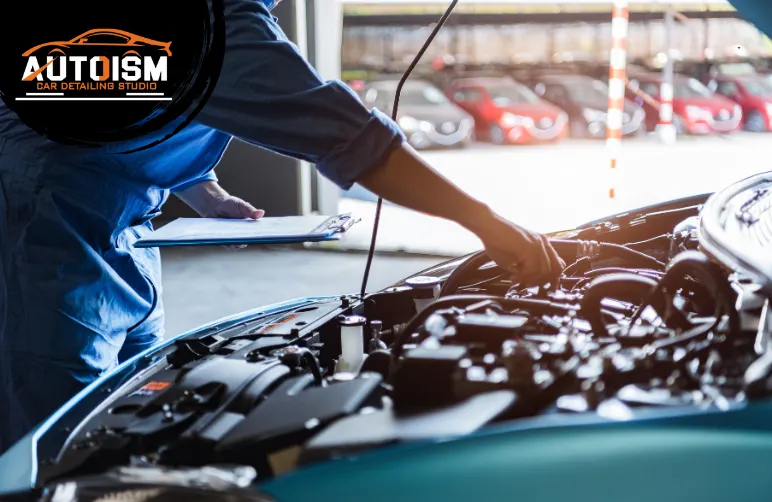
Brakes are not something to guess about. If they feel different, make a note right away. Squealing, grinding, vibration, or a longer stopping distance can mean pads are worn or another brake problem is starting.
During a basic maintenance routine, look for warning signs like brake dust buildup, fluid leaks near the wheels, or a brake pedal that feels soft. You do not need to remove the wheels to notice many issues. A visual check and a quick road test can tell you a lot.
Brake pads and rotors wear over time. How fast they wear depends on driving style, traffic, terrain, and vehicle type. City driving usually wears brakes faster because of constant stopping. If you hear noise only when braking, do not wait too long to have it checked.
Credit: autoismindia.com
One mistake drivers make with brakes
Some people wait until the grinding sound becomes loud before acting. By then, the damage may have moved from a simple pad replacement to a more expensive rotor repair. Early action is usually cheaper.
Test the Battery and Clean the Connections
Your battery helps start the engine and supports many electrical parts. A weak battery can leave you stranded, especially in cold weather. It is smart to check the battery more often if it is older than three years.
Look for corrosion on the terminals. White or green buildup can affect the connection. If you see it, clean it carefully or ask a mechanic to do it. Also check that the battery is held firmly in place. A loose battery can be damaged by vibration.
Warning signs of battery trouble include slow engine cranking, dim headlights, dashboard warning lights, or electrical features acting strangely. If your car is harder to start in the morning, the battery may be losing strength.
Inspect Lights and Wipers for Everyday Safety
Small parts can make a big difference in safety. Headlights, brake lights, turn signals, and hazard lights all help you see and be seen. Bad bulbs are easy to ignore until they cause a problem.
Walk around your car every few weeks and test all exterior lights. Ask someone to help if needed. Replace burned-out bulbs quickly. It is a simple fix that protects you and other drivers.
Wiper blades are just as important. If they leave streaks, chatter across the glass, or miss spots, replace them. Clear visibility matters in rain, dust, and snow. Also keep windshield washer fluid full so you can clean the glass when needed.
Why this matters more than many people think
Many drivers focus on major parts and forget these small safety items. But a working headlight or clean windshield can prevent accidents. Visibility problems often become serious when weather turns bad or night driving begins.
Follow the Right Service Schedule
Every car has its own service plan. That plan is usually found in the owner’s manual. It tells you when to change oil, replace filters, inspect belts, change fluids, and check important systems. Following this schedule is one of the smartest ways to protect your car.
Do not rely only on mileage. Time matters too. Some fluids and parts age even if you do not drive much. For example, brake fluid can absorb moisture over time, and wiper blades can dry out in the sun.
If you bought a used car and do not know its full history, start fresh. Replace the basics if needed, then build a new maintenance routine from that point. This can prevent confusion and help you track future service more easily.
Common service items to remember
- Oil and oil filter changes
- Air filter replacement
- Cabin air filter replacement
- Brake inspection
- Coolant checks
- Tire rotation
- Battery testing
- Belt and hose inspection
Keep the Air Filter and Cabin Filter Clean
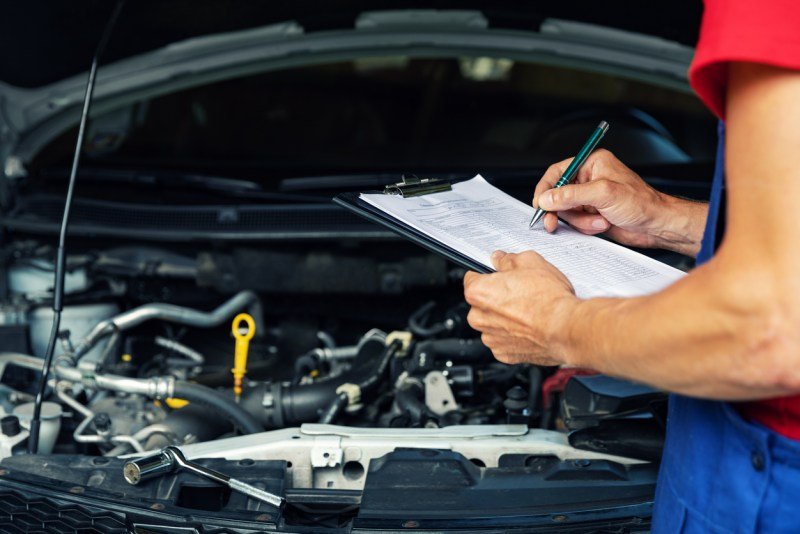
Air filters are easy to forget, but they matter more than many drivers realize. The engine air filter helps protect the engine from dust and debris. A dirty filter can reduce airflow and hurt performance. The cabin filter helps keep the air inside the car cleaner and can also help the air conditioner work better.
These filters are usually simple to replace. In many cars, you can inspect them without tools or with just a few basic steps. If the filter looks clogged, dark, or packed with debris, it is time for a change.
This is one of those maintenance jobs where a small part can affect comfort and efficiency at the same time. If your vents smell stale or airflow feels weak, the cabin filter is a good place to start.
Credit: bluautocare.com
Pay Attention to Belts and Hoses
Belts and hoses help carry power and fluids through the engine system. They are not expensive compared with the damage they can prevent. A cracked belt or weak hose can cause a breakdown when you least expect it.
Look for cracks, fraying, swelling, or soft spots. A belt that makes noise or looks worn should be inspected. Hoses should feel firm, not soft or brittle. If you see dried fluid or damp spots around a hose connection, that can point to a leak.
One practical tip: inspect these parts when the engine is cool. That makes the area safer and gives you a better chance to spot damage without rushing.
Wash and Protect the Exterior
Cleaning your car is not only about appearance. Dirt, road salt, bird droppings, and tree sap can damage paint over time. In winter, salt is especially harmful because it can speed up rust.
Wash the car regularly and pay attention to the wheel wells and underbody if your area uses road salt. Wax or paint protection can also help reduce surface damage. Clean glass, mirrors, and headlights for better visibility.
Interior care matters too. Vacuum dust and trash, and wipe spills quickly. A clean cabin helps you notice leaks, smells, or worn trim earlier than you otherwise would.
Keep a Simple Maintenance Record
A maintenance record helps you stay organized. It can be a notebook, a phone note, or a car app. What matters is that you track what was done, when it was done, and the mileage at the time.
This becomes very useful when it is time for service, resale, or troubleshooting. You do not have to rely on memory. You can also spot patterns, like how often a tire loses pressure or how long brake pads last in your driving conditions.
Good records are also helpful if a repair shop needs service history. A clear record can save time and avoid repeat checks.
Build a Monthly Habit That Actually Sticks
The easiest way to maintain a car is to attach it to something you already do. For example, check fluids and tire pressure on the first weekend of each month. Or inspect lights and tires when you fuel up before a long drive.
Do not try to do everything at once if that feels overwhelming. Start with three things: oil, tires, and lights. Once that becomes normal, add fluids and battery checks. A routine is more powerful than a once-a-year burst of effort.
Also remember that driving style affects maintenance. Fast starts, hard braking, short trips, heavy loads, and rough roads all increase wear. If your driving is tough on the car, service may need to happen sooner.
Basic Car Maintenance Checklist You Can Follow
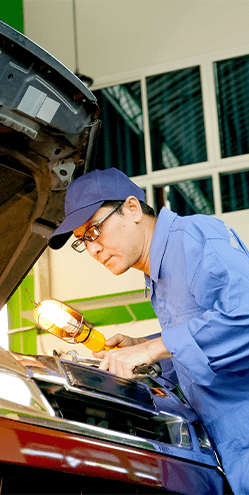
Here is a simple version of the Basic Car Maintenance Checklist you can use throughout the year:
- Check engine oil level and condition
- Inspect coolant, brake fluid, and washer fluid
- Check tire pressure and tread
- Look for uneven tire wear
- Test headlights, brake lights, and turn signals
- Inspect wiper blades
- Check battery terminals for corrosion
- Listen for brake noise or changes in pedal feel
- Review service schedule in the owner’s manual
- Inspect filters, belts, and hoses
- Wash and clean the car regularly
- Record every service and repair
This checklist works because it covers the systems that fail most often when neglected. It is not complicated, and it does not require expensive tools. What it does require is attention.
Credit: cmaschevroletofmartinsburg.com
Final Thoughts
Car maintenance is easier when you keep it simple and regular. You do not need to know everything about engines to protect your vehicle. If you check the basics, follow the service schedule, and fix small problems early, your car is more likely to stay reliable for years.
The real value of a Basic Car Maintenance Checklist is not just avoiding repairs. It is peace of mind. When you know your car has been checked, you drive with less stress and more confidence. That is a small habit with a big payoff.
FAQs
1. How often should I use a Basic Car Maintenance Checklist?
A monthly check is a good habit for most drivers. You should also do a quick look before long trips and follow the service schedule in your owner’s manual.
2. What is the most important part of basic car maintenance?
Oil, tire pressure, brakes, and fluid levels are some of the most important items. If you only start with a few checks, begin with those first.
3. Can I do basic car maintenance myself?
Yes, many basic tasks can be done at home, such as checking fluids, tire pressure, lights, and wiper blades. More complex repairs should be left to a mechanic.
4. How do I know if my tires need replacement?
Look for shallow tread, uneven wear, cracks, bulges, or frequent loss of pressure. If you are unsure, have a tire shop inspect them.
5. Why is a maintenance record important?
A record helps you track service dates, mileage, and repairs. It makes future maintenance easier and can also help when selling the car.